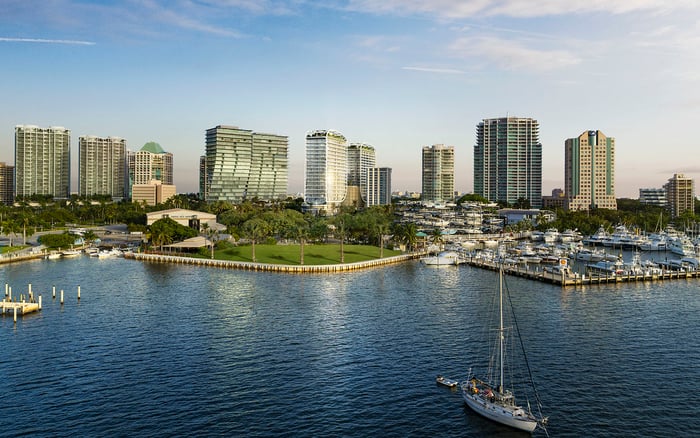
Private club overlap is becoming a sharper decision filter for South Florida luxury buyers who want their residence, memberships and social geography to work together rather than compete.
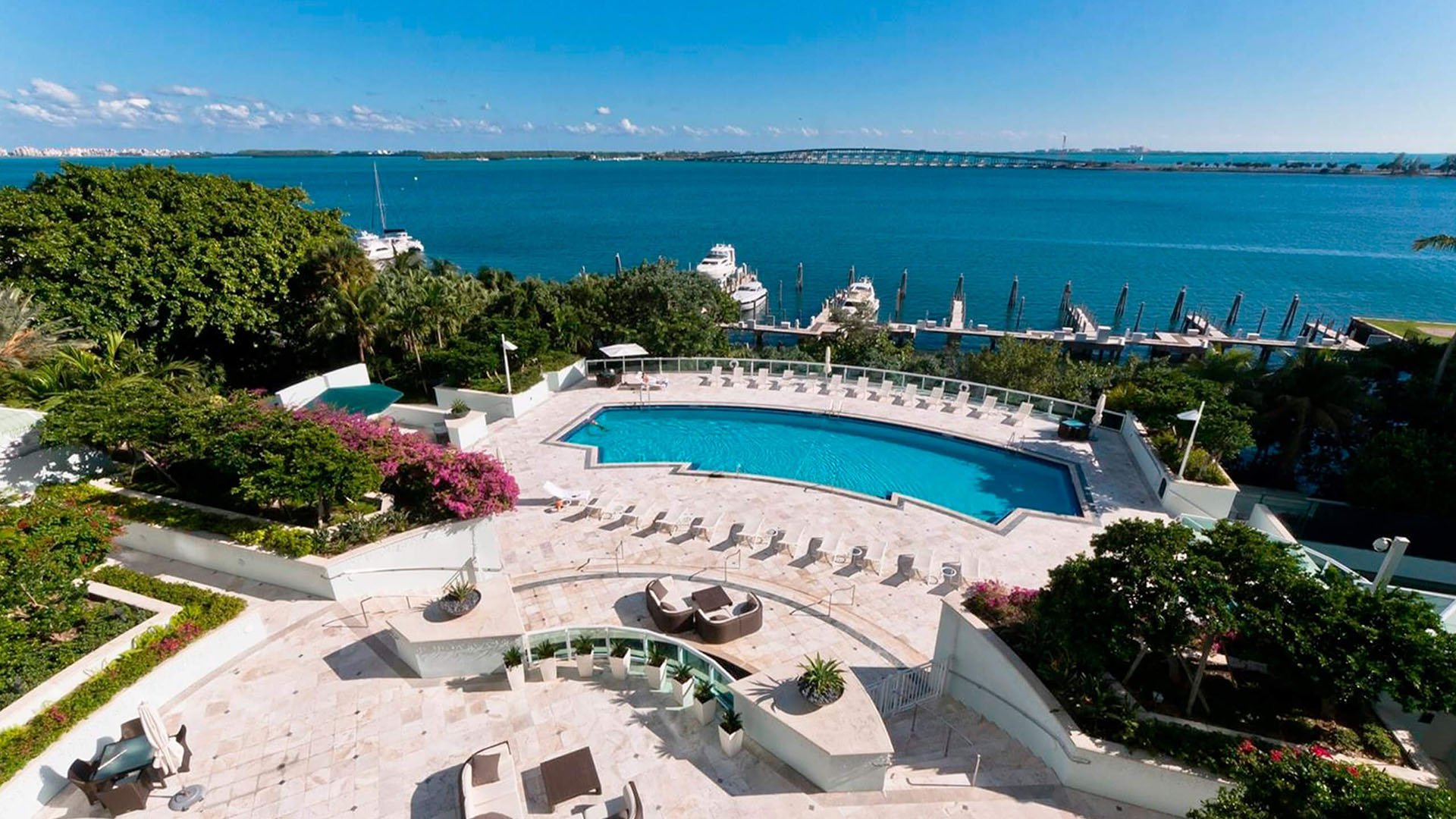
For South Florida’s most selective buyers, the 2026 conversation is becoming less about a single address and more about the ecosystem around it. A waterfront residence, a private club, a school calendar, a marina routine, a wellness ritual and a familiar dining room are no longer separate decisions. They are being evaluated together through a sharper question: does this home create useful private club overlap, or does it create unnecessary duplication?
Private club overlap is the point at which a buyer’s residential life and club life reinforce each other. It may mean a condominium close enough to a favored dining club to use twice a week, a second home aligned with a family’s golf calendar, or a coastal base that complements an existing yacht club, beach club or members-only social circle. The value is not always visible in a floor plan, yet it can influence how often a home is used, how naturally guests gather and how well the property fits a family’s long-term rhythm.
In a market where buyers are sophisticated, mobile and often already well served by multiple memberships, the question is no longer whether a private amenity exists. It is whether it adds something distinct.
The luxury buyer entering 2026 tends to be time-sensitive. The friction of moving between a residence, a club, a marina, a school event, an airport and a preferred restaurant can quietly determine whether a property feels effortless or ornamental. A home may be beautiful, but if it sits outside the buyer’s daily circuit, it risks becoming a trophy rather than a true base.
This is why private club overlap is becoming a screening tool. Buyers want to know whether a residence expands their lifestyle or merely mirrors what they already have. A building with a strong wellness program may be compelling, but if the buyer already belongs to a wellness-focused club five minutes away, the incremental value may be lower. Conversely, a quieter residence with fewer shared amenities may be more appealing if it places the owner within a trusted social corridor.
The filter is especially relevant for families with layered needs. One spouse may prioritize dining and culture, another may value golf or tennis access, while children require proximity to school and seasonal activities. The residence that best solves those intersections often wins, even if another option appears more dramatic on paper.
In South Florida, neighborhoods are increasingly read as lifestyle maps. Brickell buyers may weigh the convenience of urban dining, office proximity and private social rooms. Surfside buyers may focus on privacy, beach access and a quieter social cadence. Aventura may appeal to those who want a more practical north Miami-Dade rhythm with easy reach to shopping, boating and family infrastructure.
These distinctions matter because private club overlap is rarely universal. The same residence can feel perfectly placed for one buyer and misaligned for another. A marina-oriented owner may value immediate water access and dockage conversations more than hotel-style amenities. A buyer whose social life is centered around Miami Beach may care less about square footage and more about the drive between dinners, fitness, cultural events and the apartment itself.
This is also why buyers are asking more personal questions earlier. Who will actually use the club? How often? At what time of day? Does the residence support the buyer’s existing network, or does it require building a new one from scratch? The best answers are specific, not generic.
For years, luxury development has leaned into amenity expansion: spas, pools, lounges, private dining, children’s rooms, screening rooms and concierge services. Those elements still matter, but the buyer has become more disciplined. A long amenity list is no longer persuasive on its own.
The more telling question is whether the amenity is meaningfully different from what the buyer can access elsewhere. If a family already belongs to a private beach club, a building’s beach service may be convenient but not transformative. If an owner already has a preferred dining club, a private residential dining room may be useful only if it is genuinely easy to book, well staffed and suited to the way the owner entertains.
New-construction buyers are especially attentive to this distinction because they are often committing before a complete lived experience exists. They want to understand the intended culture of the property, the privacy posture, the service model and whether the building’s amenities will complement or compete with their existing memberships.
A home connected to a compelling private club ecosystem can be easier to explain. The value story becomes richer than bedrooms, views and finishes. It can include routine, access, discretion and belonging. However, overlap supports value only when it feels authentic to the location and buyer profile.
Forced overlap can work against a property. If a residence promises a club-like experience but sits far from the buyer’s preferred social geography, the promise may feel theoretical. If the amenities are extensive but not aligned with how residents actually live, they may become background rather than a reason to buy.
The strongest properties tend to create optionality. They do not require residents to abandon existing memberships. Instead, they offer a complementary layer: a place to host, recover, exercise, dine privately or access the water with minimal friction. In that sense, private club overlap is not about exclusivity alone. It is about usefulness.
A refined buyer should begin by mapping the week, not the wish list. Where does the household spend mornings? Where are dinners most likely to happen? Which club memberships are central, and which are aspirational? Which activities are seasonal, and which are part of the family’s actual cadence?
From there, the buyer can separate primary overlap from decorative overlap. Primary overlap affects daily or weekly use: school routes, fitness, boating, dining, club events, beach time and airport access. Decorative overlap may be attractive, but it does not change behavior.
Privacy should also be assessed carefully. Some buyers want a residence that amplifies club life, with social rooms and easy entertaining. Others want the opposite: a protected retreat near the club, but not inside its social energy. Both can be correct. The mistake is assuming that more access automatically means a better fit.
Finally, buyers should consider household evolution. A residence that works for a couple today may need to work for visiting adult children, grandchildren, seasonal guests or staff tomorrow. Private club overlap becomes more powerful when it can adapt across life stages.
Sellers should understand that the best buyer may not be the one most impressed by finishes. It may be the buyer whose memberships, friendships and routines already orbit the property’s neighborhood. Positioning should therefore emphasize lifestyle compatibility without overstating access or implying privileges that are not part of the property.
Developers face a similar challenge. The next generation of luxury is not simply about adding more amenities. It is about designing a service culture that feels coherent with the surrounding private club landscape. A smaller, more intentional offering may be more compelling than a sprawling menu if it respects how affluent owners already live.
For South Florida, this shift is significant. Buyers are not merely purchasing a residence. They are selecting the private orbit in which that residence will function.
What does private club overlap mean in luxury real estate? It means a residence aligns with the buyer’s existing or desired club life, including dining, wellness, golf, boating, beach or social routines.
Why is this becoming a 2026 buyer filter? Buyers are focusing on how a property will actually be used, not just how it presents during a showing.
Is private club overlap only about formal memberships? No. It can also include social patterns, preferred neighborhoods, marina routines, wellness habits and private dining preferences.
Does more amenity space always create better overlap? Not necessarily. The best overlap comes from relevance, service quality and daily usefulness, not the length of an amenity list.
How should a buyer compare two similar residences? Map the household’s weekly routine and identify which property reduces friction around clubs, schools, dining, boating and wellness.
Can private club overlap improve resale appeal? It can strengthen the value story when the property clearly fits the lifestyle patterns of likely future buyers.
Is Brickell different from coastal markets in this context? Yes. Brickell often emphasizes urban convenience, while coastal markets may prioritize beach, boating, privacy and resort-like rhythm.
Should buyers avoid duplication with existing clubs? Duplication is not always bad, but it should add convenience or privacy rather than simply repeating what the buyer already has.
How does Aventura fit into this conversation? Aventura can appeal to buyers who want practical access to family infrastructure, shopping, boating routes and north Miami-Dade living.
What is the most important question to ask before buying? Ask whether the residence will become part of the household’s real routine, or remain separate from the life the buyer already enjoys.
To compare the best-fit options with clarity, connect with MILLION.
If branded residences are on your mind — as a home or as an allocation — we would be glad to share what we are seeing, privately.
Begin a quiet conversation