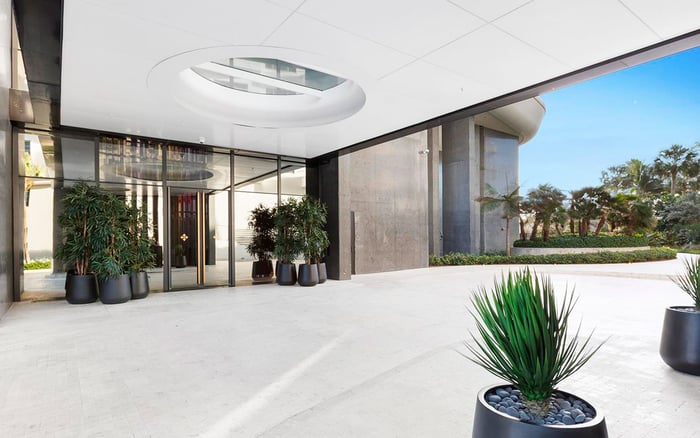
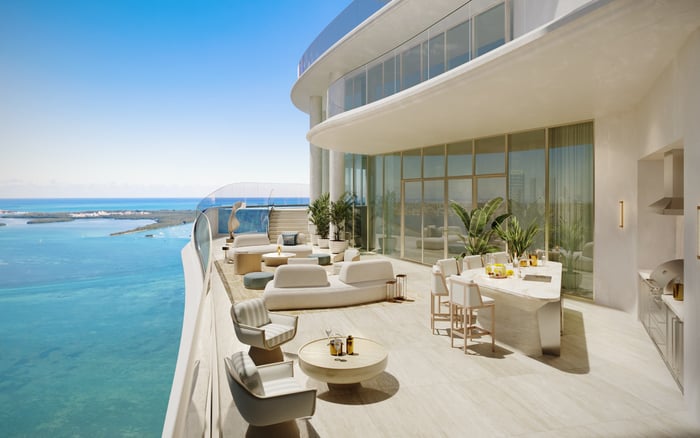
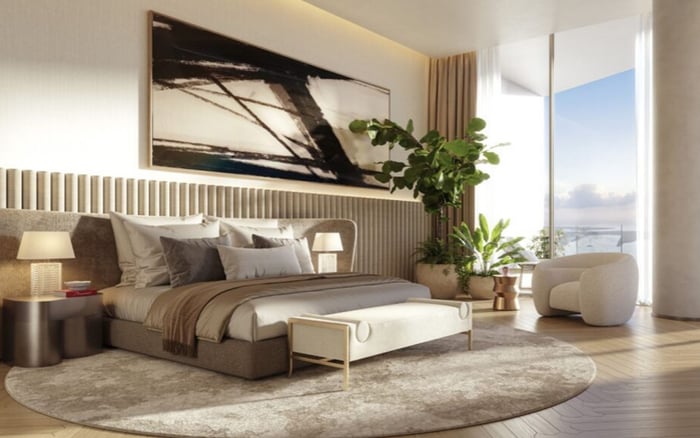
A discreet owner’s guide to comparing Faena House Miami Beach and St. Regis® Residences Sunny Isles through the lens of daily beach use, wind exposure, seasonal density, and full-time coastal living.
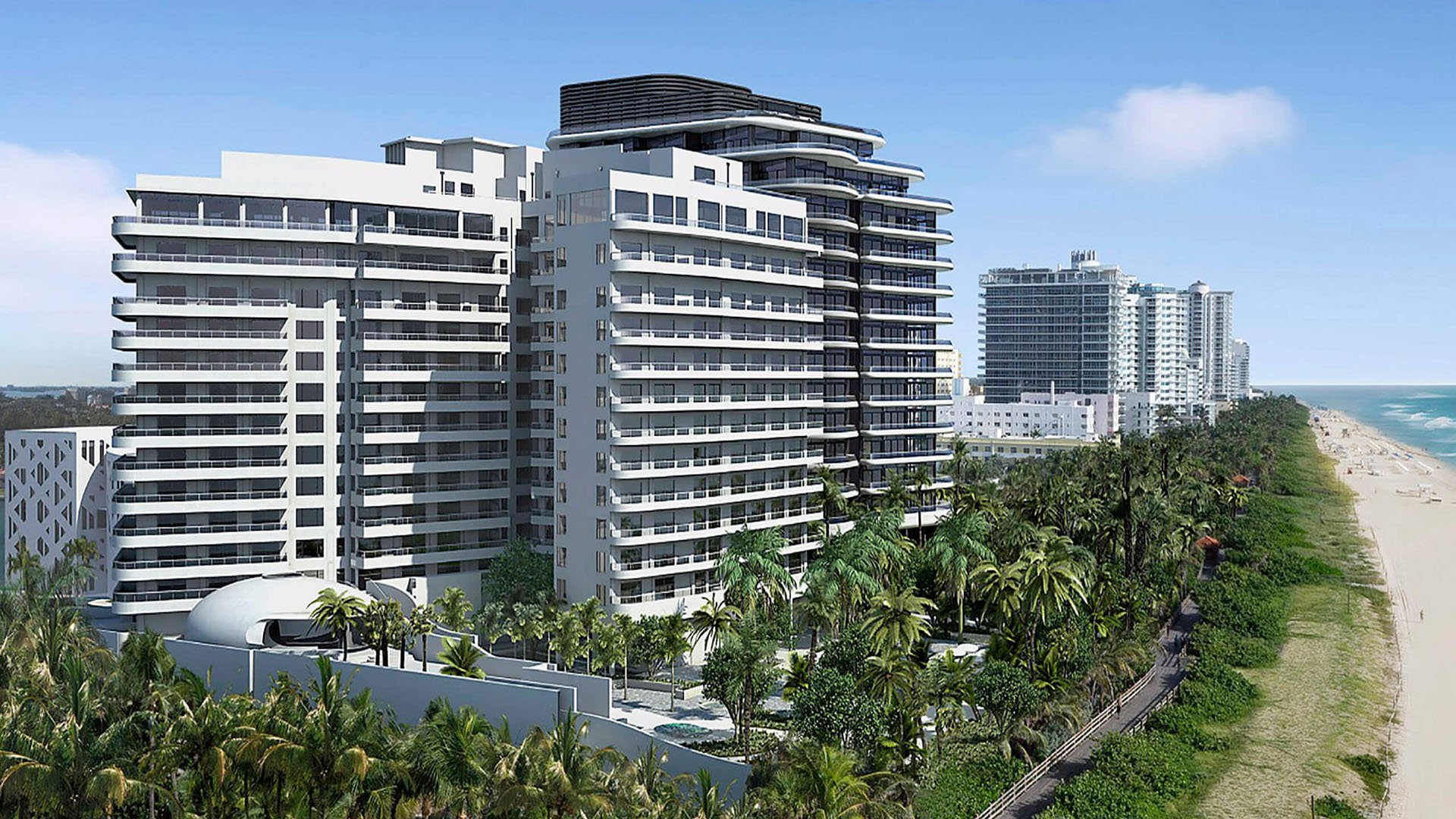
For seasonal visitors, the question is often simple: Which residence feels more glamorous on arrival? For full-time owners, the more useful question is operational: How does the building live on a windy Tuesday morning, during a holiday weekend, after a late dinner, or when family members need to move between the pool, lobby, beach, and car without friction?
That is the practical frame for comparing Faena House Miami Beach and St. Regis® Residences Sunny Isles. Both sit within the upper tier of South Florida’s oceanfront conversation, yet they appeal to different interpretations of permanence. One is tied to the cultural gravity of Miami Beach and the Faena district’s recognizable identity. The other belongs to the vertical beachfront corridor of Sunny Isles, where branded residential service, resort-style arrival, and direct ocean positioning are central to the ownership proposition.
For the buyer who intends to live here rather than simply visit, beach access, wind, and peak-season crowding are not secondary details. They are quality-of-life variables.
In trophy oceanfront real estate, “beach access” can sound binary. Either the building is on the sand or it is not. Full-time owners know the reality is more nuanced. The practical experience includes how quickly one moves from residence to shoreline, how staff handles towels and seating, how private the transition feels, and whether the route remains comfortable when children, guests, pets, or visiting relatives are involved.
At Faena House Miami Beach, the broader lifestyle is inseparable from Miami Beach’s layered energy. Owners who value walkable cultural texture, dining, and a more established urban-resort environment may find that the beach experience becomes part of a larger daily circuit. The sand matters, but so does the ability to move between home, hotel-driven hospitality, restaurants, wellness, and the neighborhood’s social rhythm.
In Sunny Isles, the calculus is different. St. Regis® Residences Sunny Isles sits within a market where the oceanfront tower is often the primary stage. Residents tend to evaluate the beach with an emphasis on service choreography, arrival sequence, valet flow, elevator timing, and the continuity between pool deck and sand. For an owner who expects the residence to function like a private resort throughout the year, the day-to-day beach operation deserves close attention.
Nearby comparisons can be instructive. Buyers also looking at 57 Ocean Miami Beach may be weighing a quieter Miami Beach residential feel, while those considering The Ritz-Carlton Residences® Sunny Isles may be testing how another Sunny Isles service model handles the same beachfront conditions.
Oceanfront buyers often fall in love with horizon lines, terraces, and walls of glass. Full-time owners must also ask when those spaces are genuinely usable. Wind exposure can affect terrace comfort, balcony furniture choices, door operation, sound, perceived temperature, and the frequency with which outdoor rooms become part of daily life.
This is especially important for owners who plan to eat outside, work outside, host often, or keep terrace doors open during shoulder seasons. The most photogenic exposure is not always the most comfortable one. A higher floor may deliver a more commanding view, while a lower or more shielded position may feel calmer on certain days. Flow-through plans, corner residences, and expansive terraces should be evaluated in person at different times, not only during a polished sales appointment.
For both Faena House Miami Beach and St. Regis® Residences Sunny Isles, due diligence should include a wind read of the actual residence under consideration. Stand on the terrace. Open and close doors. Listen inside the primary bedroom. Ask how furniture is secured and how frequently outdoor maintenance is required. Consider whether the terrace is intended to be a visual privilege or a true living room in the sky.
The broader oceanfront market makes this point repeatedly. At properties such as The Perigon Miami Beach, design intent, exposure, and residence orientation all become part of the ownership equation, not just aesthetic preferences.
Peak season in South Florida changes the pace of almost every luxury coastal address. Restaurants become harder to book. Valet courts become more active. Guest suites, beach setups, pool seating, dog walks, deliveries, and elevator patterns all take on greater importance. The issue is not whether a building is busy. The issue is whether the building absorbs activity gracefully.
Miami Beach brings a distinct seasonal rhythm. It has cultural density, hospitality traffic, events, dining demand, and a level of visibility that many owners actively want. For buyers drawn to Faena House Miami Beach, that energy may be part of the reason to own there. The tradeoff is that full-time residents should understand how the surrounding environment feels during major weekends, winter holidays, and high-demand evenings.
Sunny Isles has its own peak-season profile. The neighborhood is more linear, more tower-oriented, and more directly tied to the beachfront residential corridor. At St. Regis® Residences Sunny Isles, buyers should pay attention to the arrival sequence, guest management, beach and pool protocols, and how the building separates owner life from visitor life. The question is not merely privacy. It is whether service feels composed when the building is fully engaged.
A careful buyer should visit both settings more than once. Arrive on a weekday morning, a Saturday afternoon, and an evening during an active travel period. Watch how cars stack, how staff communicates, how residents move through the lobby, and how quickly the atmosphere returns to calm.
The Miami Beach buyer often wants proximity to a larger cultural ecosystem. The draw is not only sand and water. It is the feeling of living within a globally legible resort city, where art, dining, hospitality, and architecture overlap. That can make daily life more stimulating and more varied, particularly for owners who entertain frequently or prefer not to retreat from the urban conversation.
The Sunny Isles buyer may prioritize a more residence-centered oceanfront experience. The area’s luxury towers tend to focus attention on the building itself: views, services, wellness, beach, pool, and private arrival. For owners who want the home to provide most of the day’s pleasures without relying on the surrounding street life, Sunny Isles can be compelling.
Neither model is inherently better. The right choice depends on temperament. Some owners want to feel connected to the city’s pulse even when they are at home. Others want the building to create a sanctuary that is largely self-contained. The distinction becomes especially important for full-time residents because small daily preferences compound over months and years.
Before choosing between Faena House Miami Beach and St. Regis® Residences Sunny Isles, buyers should move beyond renderings, amenity language, and brand prestige. They should examine lived conditions. How does the beach team operate when the building is busy? Are terrace doors pleasant to use during breezy days? Does the primary suite remain quiet? Is the pool deck relaxing during school holidays? Is the valet court calm at dinner hour? Are guests easy to host without compromising the owner’s sense of privacy?
For full-time owners, the best residence is rarely the one that wins only on drama. It is the one that remains elegant under repetition. Morning coffee, afternoon beach walks, returning from the airport, hosting family, riding elevators with wet towels, and finding a quiet seat by the pool are the rituals that define satisfaction.
That is why a buyer comparing these two addresses should treat beach access, wind exposure, and peak-season crowding as core purchase criteria. They reveal how luxury performs when the photographer has left and the owner is simply living.
Is Faena House Miami Beach better for buyers who want an active neighborhood? It may suit owners who value proximity to Miami Beach’s cultural and hospitality rhythm. The fit depends on whether that energy feels enriching or distracting in daily life.
Is St. Regis® Residences Sunny Isles more resort-oriented? It is positioned within Sunny Isles’ oceanfront tower corridor, where service, beach, pool, and private arrival are central to the residential experience.
Why does wind exposure matter so much in oceanfront condos? Wind can influence terrace usability, furniture choices, sound, door comfort, and how often outdoor space becomes part of everyday living.
Should buyers tour during peak season? Yes. A peak-season visit reveals traffic flow, valet pacing, beach activity, elevator use, and the building’s ability to maintain calm.
Is direct beach access always the deciding factor? Not always. The quality of the route, staff support, privacy, and ease of use often matter as much as proximity to the sand.
Do higher floors always live better on the ocean? Higher floors may offer broader views, but they can also feel more exposed. Comfort should be evaluated in the specific residence.
How should full-time owners compare Miami Beach and Sunny Isles? Miami Beach often offers a broader urban-resort setting, while Sunny Isles is more focused on the beachfront residential tower experience.
What should families look for during a property visit? Families should test beach movement, pool access, elevator timing, guest arrival, storage needs, and how easily routines work during busy periods.
Can a branded residence still feel private in peak season? It can, if arrival, service, amenity access, and guest protocols are well managed. Buyers should observe these systems in real time.
What is the best way to shortlist comparable options for touring? Start with location fit, delivery status, and daily lifestyle priorities, then compare stacks and elevations to validate views and privacy.
For a tailored shortlist and next-step guidance, connect with MILLION.
If branded residences are on your mind — as a home or as an allocation — we would be glad to share what we are seeing, privately.
Begin a quiet conversation