A buyer-focused editorial on whether the meditation room at Opus Coconut Grove can function as a practical wellness amenity for lock-and-leave owners, rather than simply a polished sales-page signal.
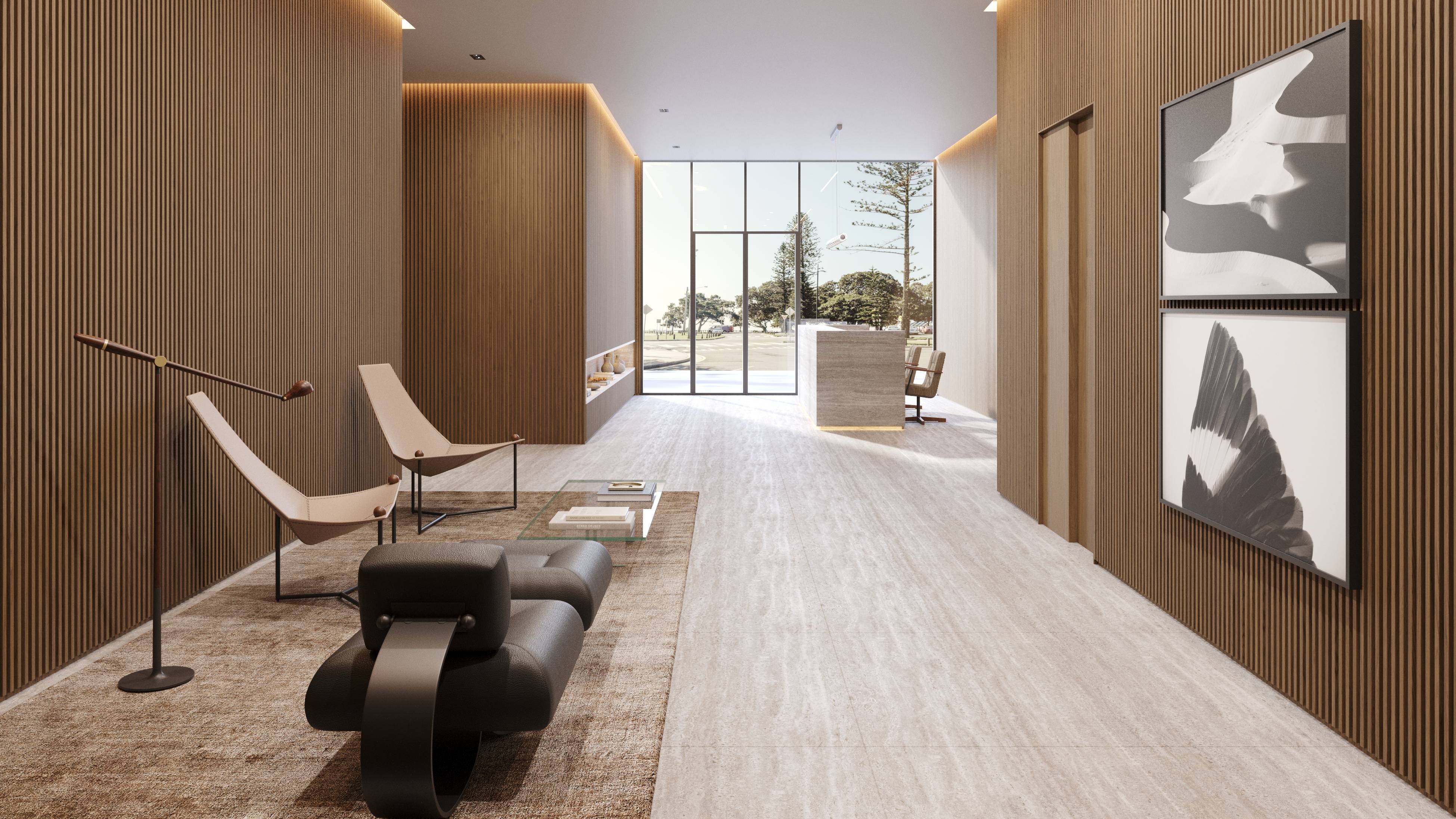
The most revealing question at Opus Coconut Grove is not whether a meditation room sounds appealing. In today’s upper-tier condominium market, wellness language has become familiar enough to feel expected. The more useful question is whether a dedicated meditation room can withstand the realities of lock-and-leave ownership.
That distinction matters. A lock-and-leave residence is purchased for ease as much as beauty. Owners want to arrive without friction, settle in quickly, enjoy the building at a high level, and depart with confidence that the home can be secured, serviced, and left unattended without daily supervision. In that lifestyle, every amenity is measured by a practical standard: does it enhance time in residence, or does it become another feature to manage mentally?
For a boutique Coconut Grove condominium, the answer depends less on the existence of the room than on its usefulness. A pool can be used spontaneously. A gym can be visited on instinct. A lounge or dining room can accommodate a guest, a meeting, or an evening moment with little planning. A meditation room is different. It asks for repetition. It asks for stillness. It asks the resident to build a ritual.
The easy-use amenity has a forgiving nature. If an owner uses the pool twice in a month, it still feels worthwhile. If a fitness room is used only on weekends, it remains legible. Even a private dining room can justify itself through a few memorable evenings. These spaces are flexible, visible, and socially intuitive.
A meditation room is more delicate as a value proposition. Its worth rises when it becomes part of a recurring wellness pattern, even if that pattern is brief. Without repeat use, it risks becoming decorative: a serene room that photographs well but does not meaningfully change how residents live.
That is the central lock-and-leave tension. Seasonal owners, second-home buyers, and residents who split time across cities may not be present long enough to form conventional daily routines. They may arrive for long weekends, extended holidays, or business intervals. A wellness amenity that depends on a full-time rhythm can feel misaligned with that reality.
Yet that does not make the idea weak. It simply means the meditation room must be conceived for intermittent occupancy. The strongest version is not a space that expects residents to become monastically consistent. It is a room that helps them decompress within minutes of arrival, after travel, after work, before dinner, or before returning to another city.
For Opus Coconut Grove, the practical test is friction. The room must be easy to find, easy to enter, quiet enough to trust, and private enough to use without self-consciousness. It should not feel like a corridor-adjacent afterthought or a wellness label applied to unused square footage. Design matters, but design alone is not enough.
The room’s value would strengthen if it supported short, low-obligation sessions. Ten quiet minutes can be more realistic for a lock-and-leave owner than a scheduled hour. The space should allow residents to move quickly from motion to rest, especially when arrival itself is part of the ownership pattern. A buyer returning from the airport, from a boardroom, or from a dense social calendar may not want a formal wellness appointment. They may simply need a private pause.
Programming is equally important. Guided sessions, breathwork, sound therapy, or resident wellness scheduling can turn a passive amenity into an active residential tool. The programming does not need to be constant, but it should make the room feel alive. Without operational support, the risk is amenity inflation, where the sales language is stronger than the lived experience.
That is especially relevant in new-construction luxury, where amenity menus can expand faster than daily usefulness. Buyers are sophisticated enough to distinguish between features that serve life and features that serve brochures.
Coconut Grove is particularly suited to the meditation-room argument because its luxury appeal often revolves around calm, privacy, greenery, and a more residential cadence. In digital shorthand, Coconut Grove may describe an area; in buyer psychology, it often implies a softer form of Miami living. The neighborhood’s appeal is not only proximity or prestige. It is the promise of retreat.
That makes a quiet wellness room thematically coherent. The question is whether the building makes that theme operational. A serene residential context can support a meditation room, but it cannot guarantee use. Residents still need access, privacy, and a reason to return.
This is where Opus can be read within a broader Grove conversation rather than as an isolated amenity claim. Buyers considering The Well Coconut Grove may already be thinking about wellness as a residential framework. Those looking at Arbor Coconut Grove may be weighing boutique scale and neighborhood feel. A buyer comparing Four Seasons Residences Coconut Grove or Ziggurat Coconut Grove should ask the same underlying question: which amenities will actually be used during the weeks and months in residence?
For the boutique buyer, the meditation room should be evaluated with the same discipline applied to views, floor plans, service, and privacy. The first question is not whether the room is attractive. It is whether it fits the owner’s actual pattern of life.
A buyer who practices meditation, breathwork, or quiet recovery already has a built-in use case. For that person, a dedicated room can be meaningful if it is accessible and consistently maintained. A buyer who likes the idea of wellness but does not yet have the habit should be more cautious. The room may still be useful, but only if the building lowers the threshold for participation.
The second question is whether the amenity works in two modes. While the owner is present, it should feel high-touch, calm, and convenient. While the owner is away, it should require nothing. That is the essence of lock-and-leave living. The best amenities do not create guilt when unused. They are simply ready when the resident returns.
The third question is whether the space supports transition. The most compelling buyer-facing argument for a meditation room at Opus is not full-time ritual. It is arrival ritual. If the room helps residents shift quickly from travel, noise, or obligation into rest, it can become surprisingly relevant, even for part-time occupancy.
The difference between a marketing signal and a resident tool is repeatability. A marketing signal is easy to understand in a rendering, on a tour, or in conversation. A resident tool earns its place over time, through small repeated uses.
At Opus Coconut Grove, the meditation-room question should therefore be framed carefully. Wellness amenities are desirable, but desirability is not the same as utility. The true measure is whether the building can make stillness convenient. If a resident has to schedule too much, walk too far, feel observed, or wonder whether the space is truly quiet, the habit may never form.
If, however, the room is discreet, available, and supported by occasional programming, it can become more than an elegant extra. It can serve the exact psychology of the lock-and-leave buyer: arrive, exhale, reset, enjoy the residence, and leave without added burden.
In that sense, Opus is not asking whether luxury buyers want wellness. It is asking whether wellness can be designed for the way they actually live.
What is the main buyer question at Opus Coconut Grove? The key question is whether a dedicated meditation room is practical for a lock-and-leave luxury condo lifestyle.
Why is lock-and-leave ownership important here? Lock-and-leave owners need a residence that feels effortless while they are present and low-obligation while they are away.
Is a meditation room less useful than a pool or gym? Not necessarily. It depends more on repeated habits than spontaneous use, so execution matters.
What makes a meditation room valuable for part-time residents? It becomes valuable when it supports short, private, low-friction sessions that fit intermittent occupancy.
Can design alone make the room successful? No. The space must also be quiet, accessible, private, and supported by an operating approach that encourages use.
What type of programming could help? Guided meditation, breathwork, sound therapy, or scheduled wellness sessions could make the room more active.
What is the risk for Opus Coconut Grove? The risk is amenity inflation, where a wellness space looks compelling in marketing but remains underused.
Why might Coconut Grove support this amenity well? The Grove’s luxury appeal often centers on privacy, calm, and a residential feeling, which aligns with quiet wellness.
Who is most likely to benefit from the meditation room? Buyers who already value quiet recovery or want a quick arrival ritual may find the amenity most relevant.
How should buyers evaluate the feature? They should ask whether the room will realistically become part of their time in residence, not just whether it sounds attractive.
For a tailored shortlist and next-step guidance, connect with MILLION.
If branded residences are on your mind — as a home or as an allocation — we would be glad to share what we are seeing, privately.
Begin a quiet conversation