The Logistics of Designing a Multi-Generational Family Compound
A buyer-oriented blueprint for planning a South Florida multi-generational compound, from governance and privacy to resiliency, staffing, and long-term adaptability.

The Importance of Direct Sand Access vs Elevated Sea Wall Promenades
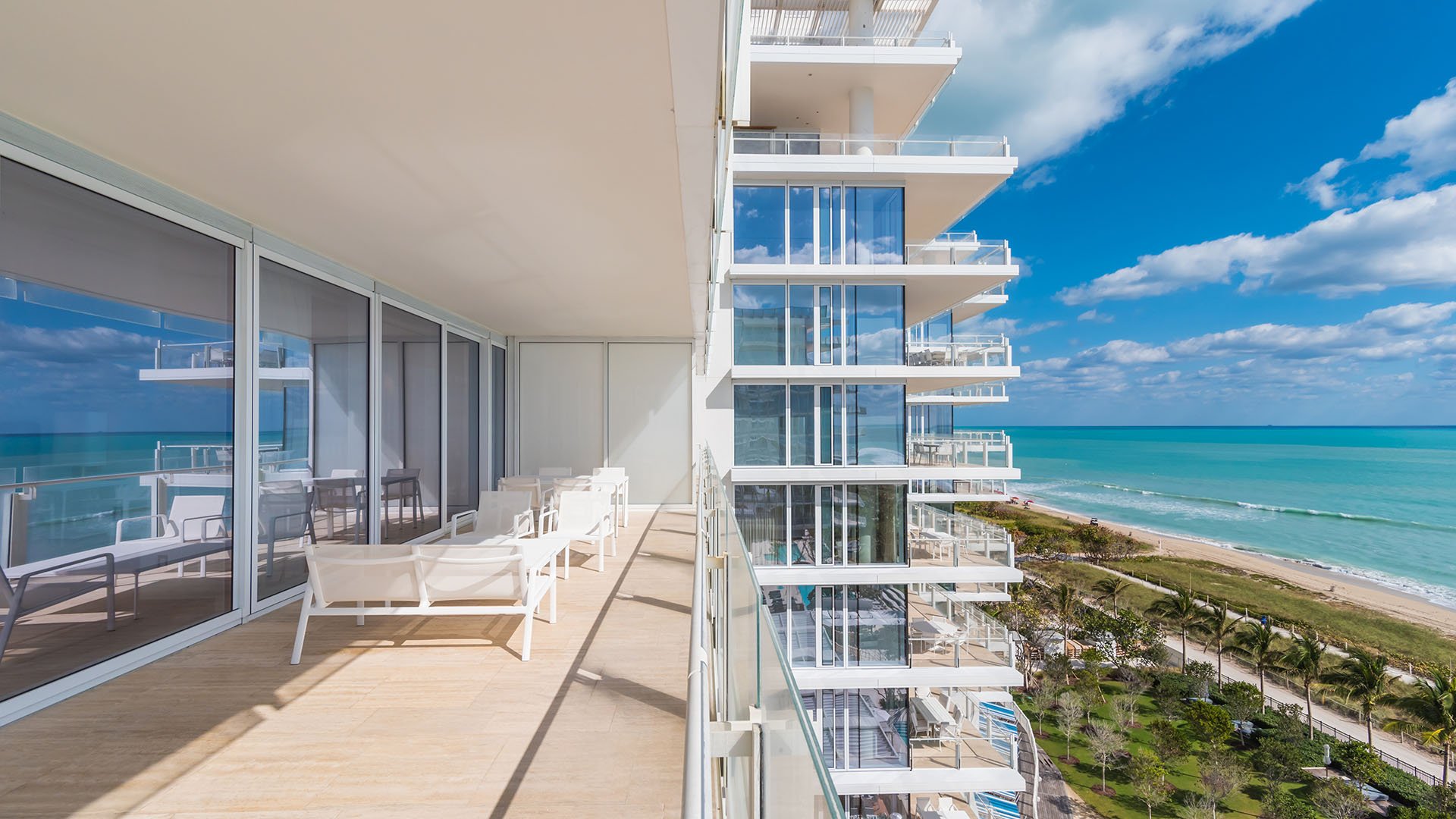
In South Florida, the difference between stepping onto sand from your lobby and reaching the ocean via a raised seawall promenade is more than aesthetic. It shapes privacy, daily ritual, perceived exclusivity, and even the way a residence performs as a long-term lifestyle asset. This guide frames the trade-offs through the lens of buyer experience: how you arrive at the water, what you see and hear from the terrace, and how shoreline design influences security, convenience, and the emotional value of oceanfront living.

The Truth About Condo Association Reserves Post-Surfside Legislation
Post-Surfside reserve reforms have changed how Florida condo owners pay for long-term building obligations. For luxury buyers, reserves are now a frontline due-diligence item that can meaningfully affect monthly costs, resale liquidity, and negotiating leverage. This guide explains what reserves are, why they matter more today, and how to interpret a building’s financial posture with a buyer’s lens.

Assessing the Value of Concierge Medicine Partnerships in Residential Towers
Concierge medicine is moving from a personal luxury to a building-level amenity, reshaping how South Florida buyers evaluate wellness, privacy, and day-to-day friction. For developers and associations, the value is rarely just clinical access; it is a brand-aligned service model that can deepen retention, support rental demand, and reduce the lifestyle compromises that come with high-travel schedules. This editorial examines what to look for, what to avoid, and how to underwrite the real premium of a medical partnership inside a residential tower.

Evaluating Natural Stone vs Composite Materials in Coastal Environments
In South Florida, the decision between natural stone and composite surfaces is less about taste and more about coastal physics: salt, sun, wind-driven rain, and constant cleaning. For luxury residences, the best outcomes come from matching the material to the microclimate, selecting the right finish, and specifying detailing that keeps water out and maintenance predictable.

Analyzing Acoustic Insulation and Building Envelope Standards at The Delmore Surfside
In an oceanfront market where glass, height, and proximity to nightlife are often celebrated, true luxury is frequently measured in what you do not hear and what you do not feel: vibration, wind-borne noise, humidity, and salt-laden air. For buyers evaluating The Delmore Surfside, acoustic insulation and building-envelope discipline are not niche technicalities. They are the systems-level decisions that shape sleep quality, privacy, operating costs, and the long-term “newness” of interiors. This editorial outlines how to think about acoustic performance and envelope standards in Surfside, what to ask for during due diligence, and how these priorities compare to other ultra-prime coastal towers in the region. Because every development team publishes different levels of detail, the most sophisticated approach is to translate marketing language into a short, verifiable checklist you can take to your advisor, attorney, and building engineer.