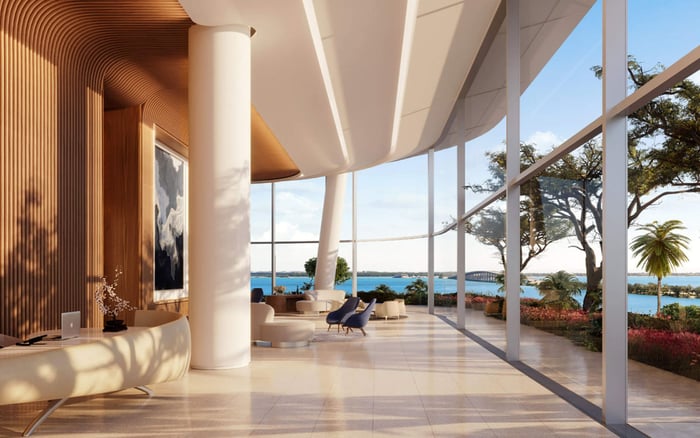
For luxury buyers evaluating South Florida high-rises, reserve funding is now a central measure of both building stewardship and future ownership costs. Florida’s post-Surfside framework reshaped inspections, reserve studies, and budgeting expectations for many condominium associations, making due diligence materially more technical. The most sophisticated purchasers are no longer asking only about views, finishes, and amenities. They are also studying reserve studies, milestone inspection timing, board minutes, insurance posture, and deferred maintenance before they commit.
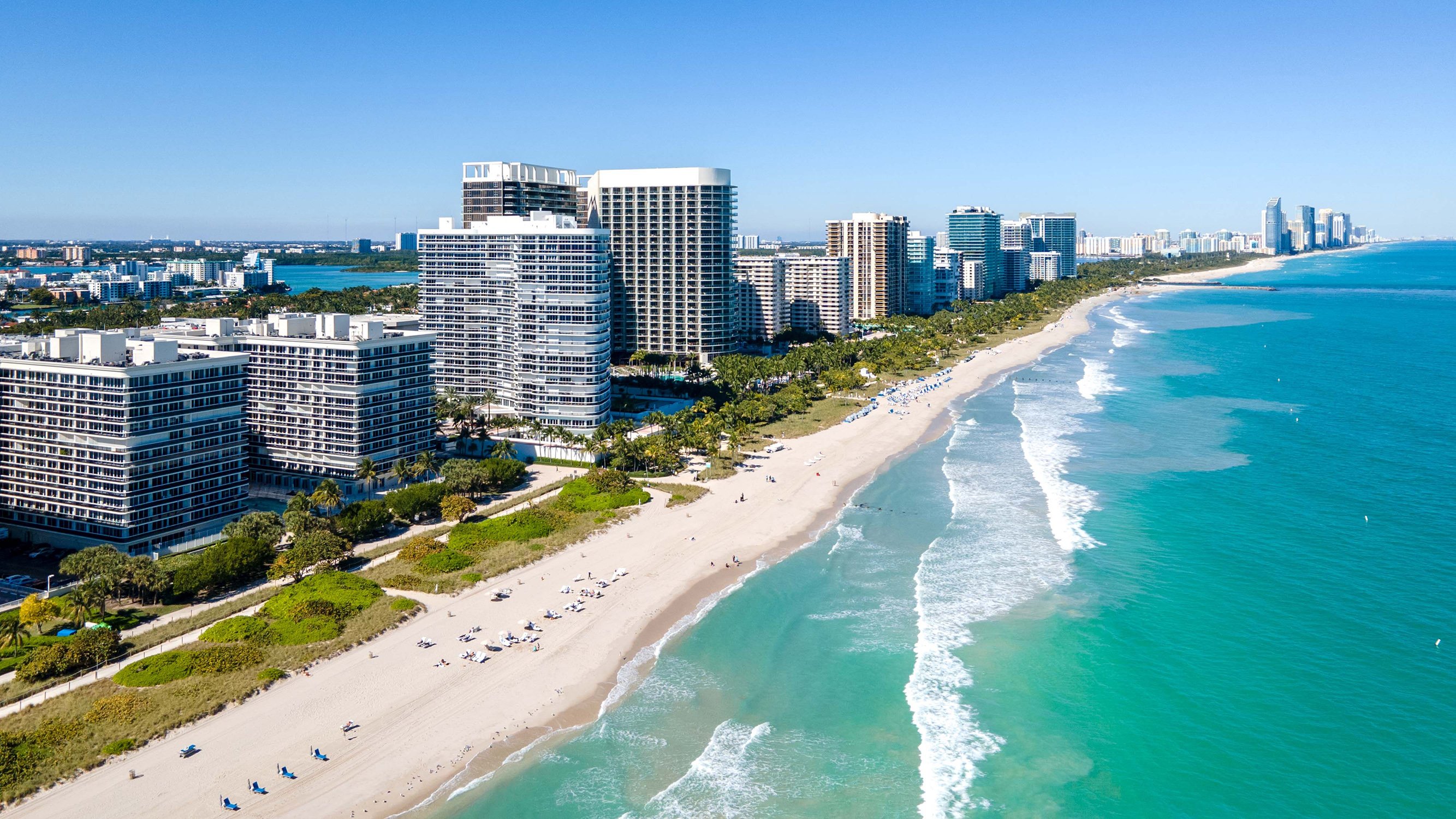
In South Florida’s upper-tier condominium market, elegance alone is no longer enough. A polished lobby, exceptional service, and a coveted oceanfront address may still define the emotional appeal of a residence, but reserve health has become one of the most consequential elements of the financial picture. For buyers considering a high-rise in Miami Beach, Brickell, Sunny Isles, Surfside, or Fort Lauderdale, the question is no longer simply what the residence looks like today. It is whether the association has the discipline and funding structure to preserve the building properly over time.
Florida’s post-Surfside legal changes significantly reshaped how many condominium and cooperative associations approach inspections and reserve planning. For covered buildings that are three stories or higher, structural integrity reserve studies now sit much closer to the center of the buying conversation. That has made due diligence materially more complex for both end users and second-home buyers, particularly in older towers where major capital projects may be approaching.
This is especially relevant when comparing established inventory with newer offerings such as 2200 Brickell or The Perigon Miami Beach. In the resale market, a buyer may be inheriting years of maintenance decisions. In newer product, the reserve conversation is often less about accumulated deferred work and more about future stewardship.
A structural integrity reserve study is not a cosmetic review. It is intended to address the core systems and components that directly affect safety and long-term habitability. The study includes a visual inspection and identifies the remaining useful life, replacement cost, and annual reserve amount for required items.
Those items generally include the roof, load-bearing walls and other primary structural members, floors, foundation, fireproofing and fire-protection systems, plumbing, electrical systems, waterproofing and exterior painting, and windows. It also extends to other costly deferred-maintenance items that negatively affect those categories. In practical terms, that gives a buyer a much clearer view of what the building will eventually need and what the association should be saving now.
For a luxury purchaser, this is essential because reserves shape the real carrying cost of ownership. A building that historically kept monthly charges artificially low by waiving or minimizing reserves may now have to confront its true capital needs. That can materially alter affordability, even at the highest end of the market.
Reserve adequacy cannot be examined in isolation. A high-rise old enough to trigger milestone inspection requirements deserves an added layer of scrutiny, particularly along the coast where statutory timing is stricter. If an inspection identifies substantial structural deterioration, a more detailed second phase can follow, and that process can set the stage for significant repair programs.
For buyers, the practical implication is straightforward: the next major expense may not be hypothetical. It may already be under review. This is why association minutes matter so much. They can reveal pending engineering reports, repair discussions, budget stress, litigation, or the prospect of special assessments that are not immediately visible in marketing materials.
In coastal locations such as Surfside and Sunny Isles, the physical environment adds another dimension. Salt exposure, moisture intrusion, envelope wear, and corrosion pressure can accelerate deterioration, particularly in buildings with aging waterproofing systems or older windows. Even a beautifully managed tower can face substantial capital requirements simply because the marine environment is unforgiving.
That is one reason buyers comparing legacy oceanfront inventory with more recent luxury projects like The Delmore Surfside or St. Regis® Residences Sunny Isles often evaluate not just design and service, but also the likely maintenance trajectory over the next decade.
A sophisticated review begins before contract deadlines tighten. Buyers should request the most recent reserve study, recent budgets, audited financial statements, governing documents, milestone inspection materials if applicable, and at least 12 to 24 months of board meeting minutes.
Together, these documents answer the most important questions. Is the reserve study current, or is it outdated or missing? Is the association budgeting in alignment with the required structural items? Have engineers already identified issues that could expand capital needs? Are repairs being planned in an orderly way, or has maintenance been deferred for too long?
The board minutes often provide the most revealing narrative. A reserve study may present the numbers, but the minutes show the tone of governance. Buyers can see whether directors are acting proactively, whether owners are resisting necessary work, and whether special assessments are being discussed. In a luxury condominium, governance quality is part of the asset.
This lens is useful whether one is considering a newer urban tower such as Baccarat Residences Brickell or an established waterfront address in Fort Lauderdale like Andare Residences Fort Lauderdale. The product may differ, but the buyer’s financial exposure to building-level decisions remains.
Monthly common charges do not tell the full story unless they are backed by credible reserve funding. An underfunded association is more vulnerable to abrupt assessments or sharp fee increases when compliance and repair obligations come due. For affluent buyers, that may not threaten the purchase itself, but it can materially affect value retention, liquidity, and comfort with the asset.
Insurance deserves equal attention. Building condition and maintenance history can influence underwriting and premiums, which then affect the association budget. In other words, reserves, repairs, and insurance are interdependent. A building with visible deferred maintenance may face pressure from multiple directions at once: engineering recommendations, reserve requirements, and a more challenging insurance environment.
That dynamic has become part of the new logic of the South Florida high-rise market. The best-positioned buildings are not merely glamorous. They are organized, transparent, and realistically budgeted.
The strongest associations tend to share several qualities. Their reserve study is current. Their required reserve items are clearly budgeted. Their inspection history is understood rather than avoided. Their board minutes show engagement with long-range maintenance, not just short-term aesthetics. And their owners appear to understand that preserving a premier building requires steady investment.
For buyers, the takeaway is elegant in its simplicity: a truly luxurious residence is one where the unseen infrastructure is cared for as thoughtfully as the visible finishes. The ocean view may sell the apartment, but reserve discipline often determines whether ownership feels serene or unexpectedly expensive.
What is a structural integrity reserve study? It is a building-level review for certain condominiums and cooperatives that evaluates key structural and safety components, their remaining life, replacement cost, and needed annual reserves.
Which buildings are generally affected? The rules apply to covered residential condominium and cooperative buildings that are three stories or higher.
Can associations still waive reserves for major structural items? For budgets adopted on or after December 31, 2024, covered associations generally may not waive or underfund reserves for the structural items identified in the study.
Why do milestone inspections matter to a buyer? If a building is old enough to require one, the findings can materially change repair timelines, reserve needs, and the likelihood of assessments.
What happens if a milestone inspection finds serious deterioration? A more detailed second-phase inspection may be required, which can lead to broader repair programs and increased costs.
What documents should I request during due diligence? Ask for the reserve study, budgets, audited financials, governing documents, applicable inspection reports, and 12 to 24 months of board minutes.
Why are board minutes so important? They can reveal engineering concerns, reserve shortfalls, planned projects, litigation, or discussions of special assessments before those issues become obvious elsewhere.
Is a missing reserve study a red flag? Yes. For covered buildings, an outdated or missing study may suggest compliance or planning concerns that deserve closer review.
Do coastal towers require extra caution? Often, yes. Salt air and moisture can intensify waterproofing, envelope, and corrosion-related capital demands over time.
How should luxury buyers interpret low monthly fees? Carefully. Fees may appear attractive, but without strong reserves they can mask future financial pressure.
For a discreet conversation and a curated building-by-building shortlist, connect with MILLION Luxury.
If branded residences are on your mind — as a home or as an allocation — we would be glad to share what we are seeing, privately.
Begin a quiet conversation