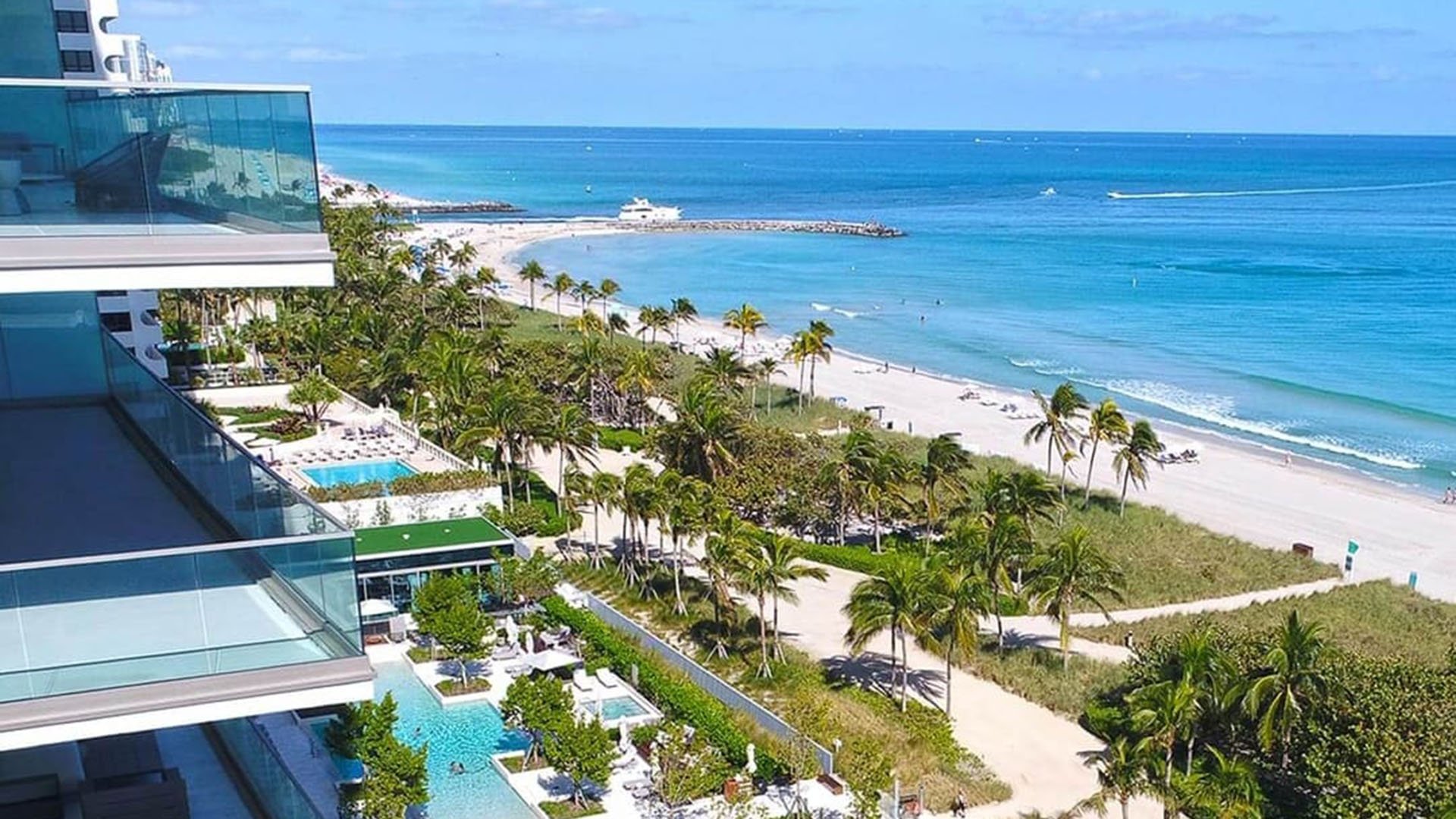
Bal Harbour polish or Miami Beach club culture: Oceana Bal Harbour vs Setai Residences Miami Beach
A buyer-oriented comparison of Oceana Bal Harbour and Setai Residences Miami Beach, focused on privacy, hospitality, amenity culture, and the lifestyle fit behind each address.

Top 5 South Florida residences for buyers who want discreet staff and service entrances
A buyer-focused ranking of five South Florida residences and estate profiles where discreet service circulation, staff support space, and hospitality-level operations matter as much as views and finishes.

Top 5 South Florida condo buildings for frequent entertainers and private dining hosts
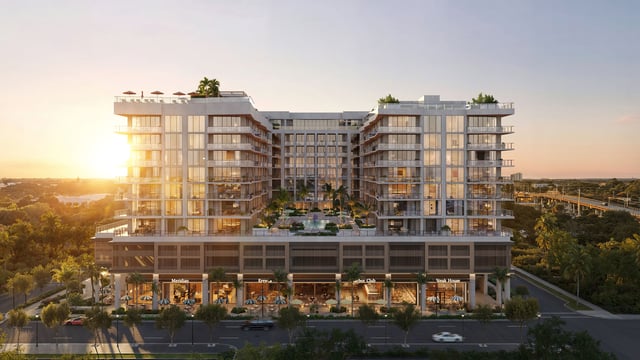
For buyers who host as naturally as they live, South Florida's most compelling condo buildings are no longer defined by square footage alone. The strongest addresses pair architecture, hospitality infrastructure, and neighborhood context that make private dinners, polished arrivals, and seamless service feel instinctive. This ranking highlights five standout properties in Miami and Miami Beach that best suit residents who entertain often and expect discretion, design, and operational ease.
Miami vs. Monaco: Two Sunny Tax Havens Competing for Ultra-Wealthy Residents
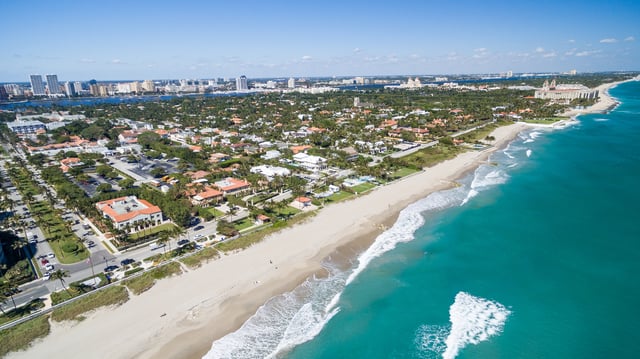
Miami’s no-state-income-tax structure, global connectivity, and deepening luxury inventory are positioning it as a compelling onshore alternative to Monaco’s rarefied, land-scarce market. For globally mobile buyers, the decision increasingly turns on residency mechanics, transparency expectations, asset-protection planning, and lifestyle priorities, not just price. This editorial maps the practical differences with a South Florida real-estate lens.
Bal Harbour’s White-Glove Condominium Standard: From 24-Hour Concierge to Residential Butler
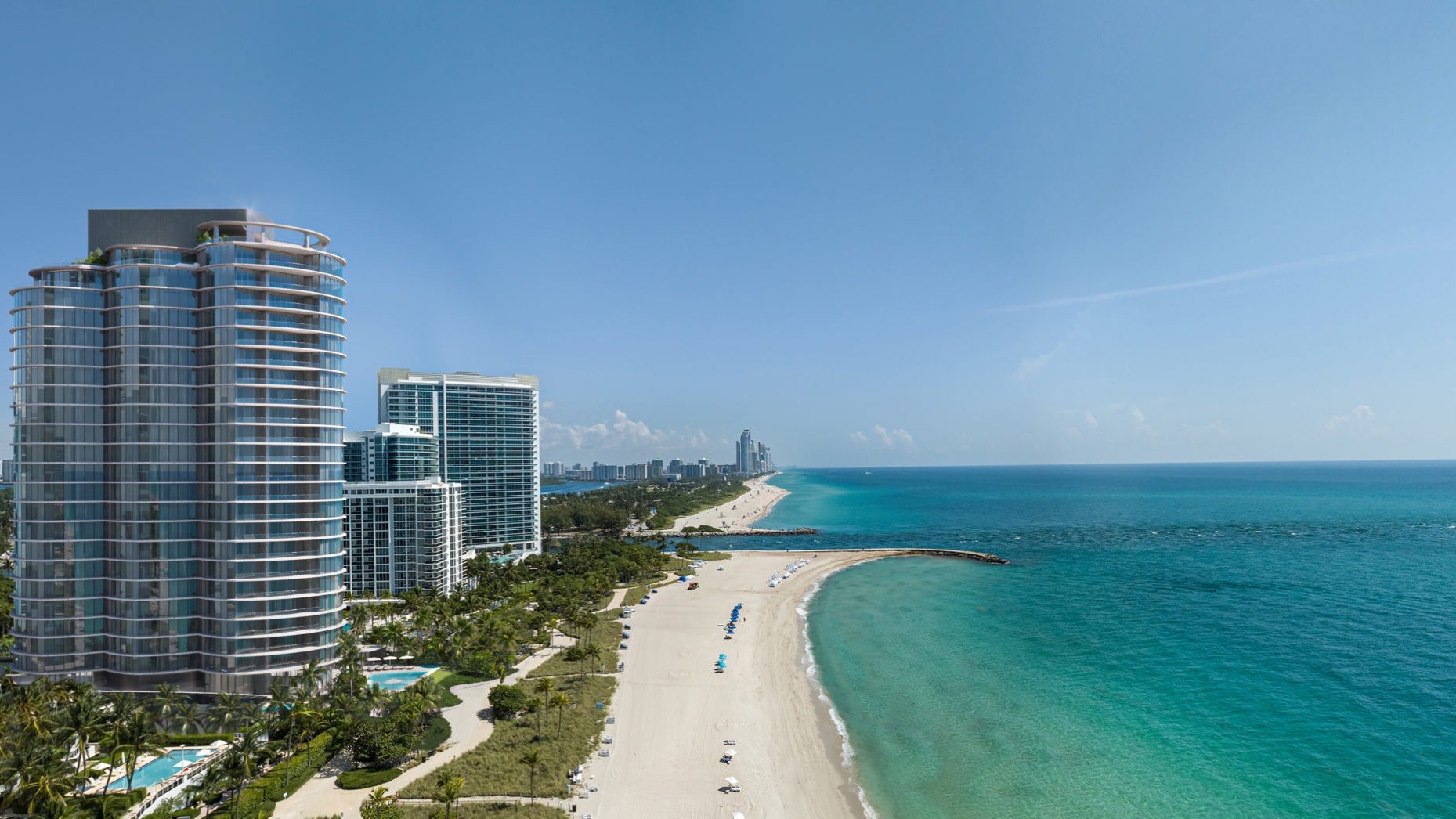
In Bal Harbour, luxury is increasingly measured less by finishes and more by how quietly a building runs. This MILLION Luxury editorial looks at what publicly disclosed service standards at Oceana Bal Harbour and the planned Rivage Bal Harbour suggest about the next era of oceanfront living, with a buyer-focused framework for evaluating concierge, valet, security, and household-level support.
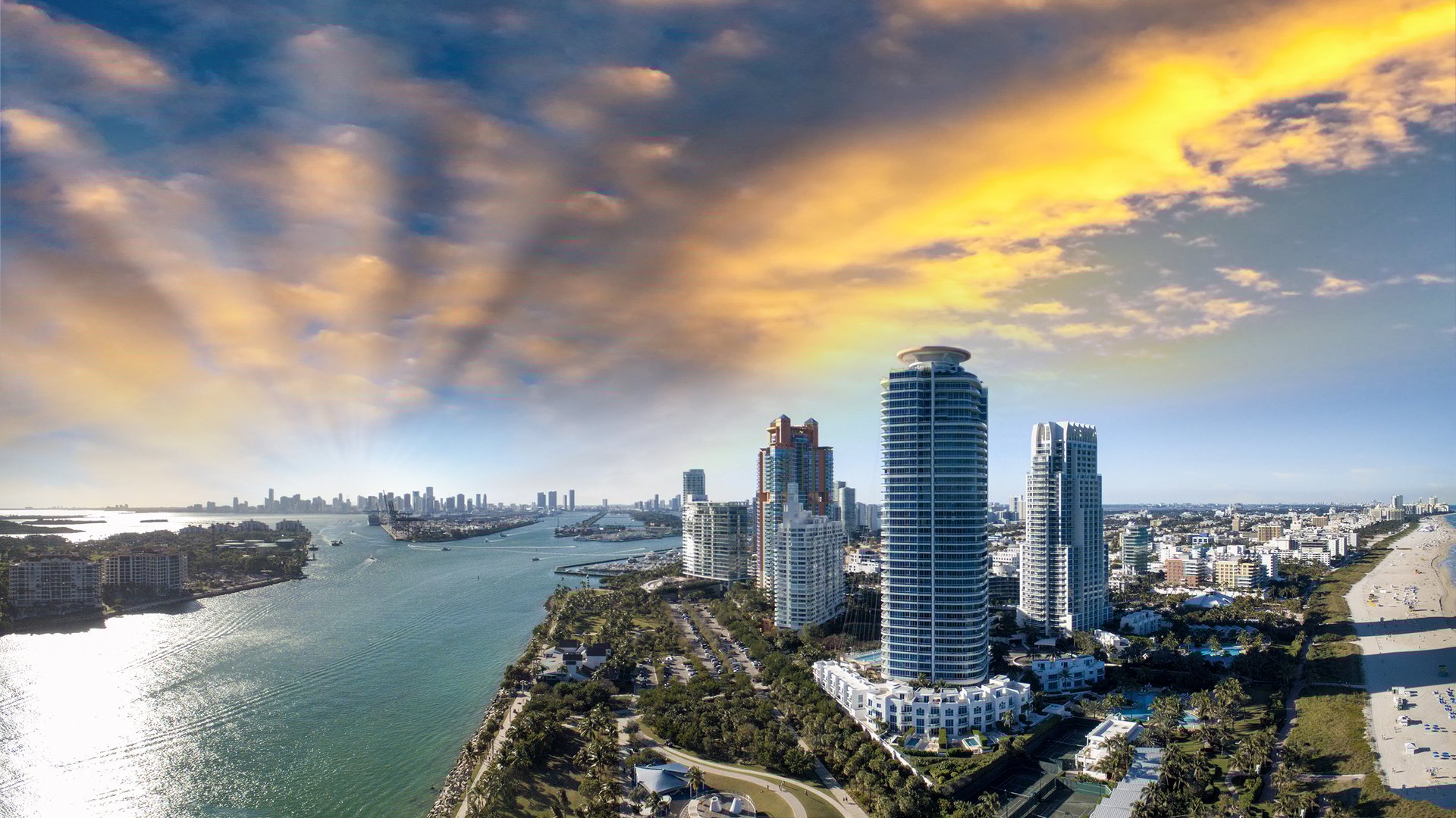
Why Ultra-Wealth Buyers Keep Choosing South Florida: Taxes, Privacy, and Record-Setting Waterfront Trades
From billionaire bunker enclaves to nine-figure penthouses, South Florida’s luxury market increasingly functions like a residency strategy, a privacy strategy, and a lifestyle allocation all at once.