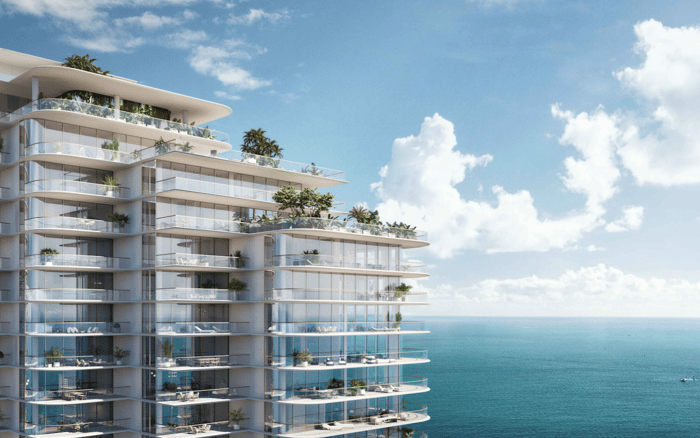
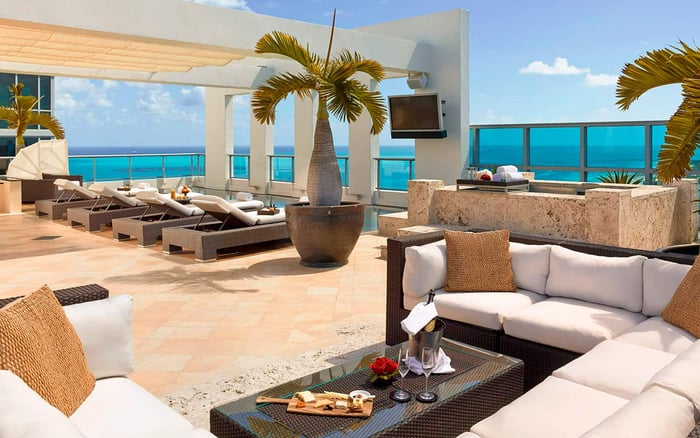
Miami’s no-state-income-tax structure, global connectivity, and deepening luxury inventory are positioning it as a compelling onshore alternative to Monaco’s rarefied, land-scarce market. For globally mobile buyers, the decision increasingly turns on residency mechanics, transparency expectations, asset-protection planning, and lifestyle priorities, not just price. This editorial maps the practical differences with a South Florida real-estate lens.
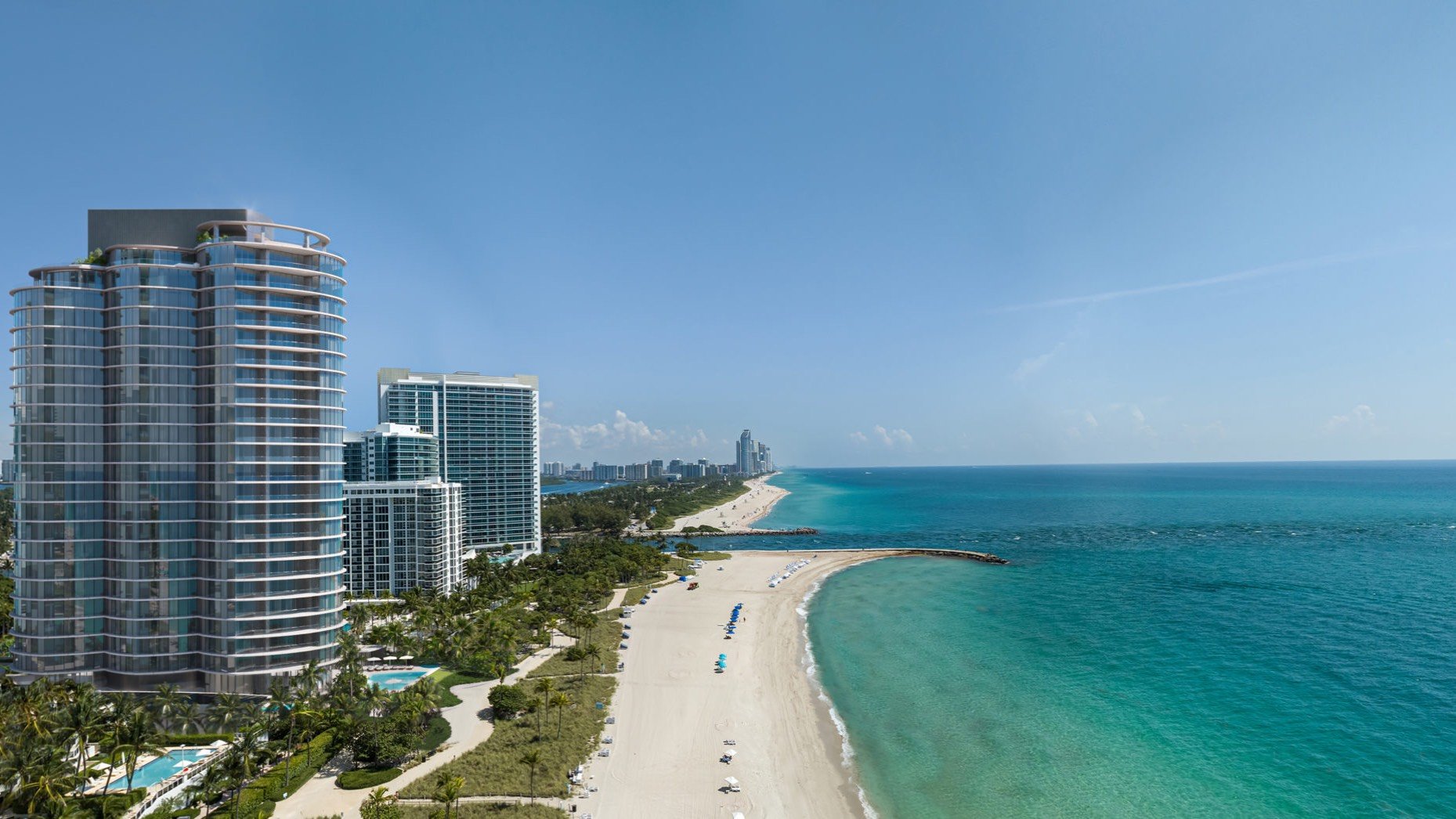
In ultra-luxury real estate, the headline narrative is familiar: Monaco has long been shorthand for concentrated wealth, immaculate presentation, and a residential market governed by scarcity. Miami, by contrast, has evolved into something more precise than a “sunny second-home” storyline. It is increasingly treated as a serious, tax-advantaged U.S. base for globally mobile families, founders, and finance principals.
The practical question for buyers is no longer whether Miami can compete on lifestyle. It’s whether Miami can compete on the quieter variables that drive long-term satisfaction: residency confidence, transparency expectations, access, and the ability to own well without feeling operationally constrained.
Florida’s advantage is clean at the state level: there is no state income tax on wages, dividends, or capital gains. For many high earners relocating from high-tax U.S. states, that remains the center of gravity.
Monaco is also widely known for having no personal income tax for residents, with an important exception framework affecting certain French nationals under France - Monaco arrangements. In other words, the Monaco narrative is often accurate - but not universal, and never a substitute for individualized planning.
What increasingly separates the two is not simply “low tax” versus “low tax.” It is the audit-resiliency and paperwork reality of moving your center of life. Establishing Florida tax residency typically hinges on demonstrating domicile with credible signals such as a Florida driver’s license, voter registration, and clear proof of time spent in-state. That evidence matters precisely because high-tax jurisdictions can challenge your move.
Ultra-wealthy buyers rarely purchase only a residence. They purchase optionality - and a reliable framework for where they can spend time.
Florida residency, for most Americans, is administratively accessible, but it is not automatic. The more visible your income, the more important it becomes to behave like a Florida resident consistently.
Monaco residency has its own gating. It commonly requires showing accommodation and financial means, often including a minimum €500,000 bank deposit in Monaco (or property), along with background checks. The implication is subtle but meaningful: Monaco is not simply a market where you buy a home. It is a jurisdiction where residency can be part of the application process, and timelines and requirements can shape the purchase.
For buyers comparing the two, the practical takeaway is to treat residency as a parallel track to real-estate selection - not a step that begins after closing.
Monaco’s market is constrained in a way that is almost impossible to replicate: the principality covers about 2.02 km², and it is frequently cited as the world’s most expensive residential real estate market on a price-per-square-meter basis. Scarcity is not marketing copy there; it is the operating system.
That density of wealth is not theoretical, either. Monaco is often ranked as having among the highest ultra-high-net-worth individual densities globally, cited at roughly one UHNWI per about 22 residents in many reports. The result is a distinctive kind of social compression: status, privacy, and proximity exist in the same frame.
Miami’s physics are different. The city’s wealth growth has been highlighted in global wealth reporting, supported by domestic migration and tax considerations. That doesn’t create Monaco-like scarcity, but it does create a different premium: the ability to choose among distinct micro-markets without leaving a single metropolitan area. Buyers can calibrate privacy, architecture, walkability, and beach adjacency with far more granularity than most legacy wealth hubs.
For buyers who want a Monaco-adjacent feel without leaving the U.S., Miami Beach is where the conversation becomes specific. The modern appeal is not just oceanfront living, but the way branded and service-forward residences can remove friction from ownership.
A buyer who prioritizes polished arrivals, hospitality DNA, and a turnkey standard often gravitates to properties that feel more like a private club than a condominium. That is why residences associated with flagship hospitality names have become shorthand for discreet convenience in Miami Beach.
In that context, The Ritz-Carlton Residences® Miami Beach can read as an answer to a practical question: how do you own in Miami and still keep your life structured, even when you are not in town? Similarly, Setai Residences Miami Beach speaks to buyers who treat “service” as an asset class.
For a more boutique expression of membership culture, Casa Cipriani Miami Beach fits the profile of buyers who want their building to feel social without being public.
Two Florida features routinely shape ownership decisions for primary residents.
First, Florida’s homestead exemption can reduce the assessed taxable value of a primary residence by up to $50,000, which may lower property taxes for qualifying residents. In ultra-luxury transactions, the dollar amount is rarely the point. The point is the signal: Florida structurally rewards making the home your true primary base.
Second, Florida homestead protections can provide strong asset protection for a primary residence against many creditor claims, subject to legal exceptions. For entrepreneurs and principals with operating risk, this is not a footnote - it’s part of the architecture of owning well.
The practical discipline is alignment: your residency story, your homestead eligibility, and your broader asset-protection planning should reinforce each other so the benefit is real, not merely assumed.
Monaco participates in global tax transparency via automatic exchange of information frameworks. That matters because Monaco’s reputation is sometimes misread as a promise of opacity.
For U.S. taxpayers, the relevant point is even more direct: Monaco financial institutions comply with FATCA-related reporting, and U.S. taxpayers with foreign financial assets may have U.S. disclosure obligations under FATCA rules, depending on thresholds and circumstances.
Miami’s advantage here is not that it avoids reporting. It is that it simplifies the overall posture by staying onshore. For many families, reducing cross-border complexity is itself a form of luxury.
Global buyers often underestimate how much “time in transit” determines whether a home feels genuinely usable.
Miami International Airport is positioned as a major international gateway and economic engine for the region, and the airport authority promotes Miami’s connectivity as a business-travel advantage. For owners who split weeks across New York, Latin America, Europe, and the Caribbean, that connectivity can turn a South Florida home into an operational base - not a seasonal indulgence.
In practical terms, Miami can support a residency plan because it supports a travel plan.
Coastal luxury today includes a second layer of discernment: how buyers evaluate resilience.
In the Mediterranean, “medicanes” (hurricane-like storms) are an emerging climate risk discussed in climate analysis, and broader research summaries point to increasing extreme-event risk tied to warming sea surface temperatures, with implications for coastal infrastructure.
In Miami, sophisticated buyers typically weigh storm-readiness, building standards, insurance realities, and the pace of municipal adaptation. The key is not to assume any coastline is static. The right posture is due diligence - building by building - and a realistic understanding that climate risk is now part of the luxury decision stack.
Miami’s proposition is not to imitate Monaco. It is to offer a comparable level of polish with more room to personalize how you live.
For buyers who want an oceanfront address with a quieter, design-forward feel, 57 Ocean Miami Beach can read as a deliberate alternative to higher-profile corridors - aligning beachfront privacy with a modern standard of finish.
Ultimately, Monaco remains a symbol of constrained perfection: compact, expensive, intensely curated. Miami is becoming a symbol of strategic freedom - an onshore base where tax structure, global access, and a widening set of luxury typologies create a different kind of confidence.
Many buyers arrive expecting the choice to be aesthetic. In practice, it’s behavioral.
Choose Miami when you want a U.S. base that supports residency certainty, travel rhythm, and diversity of neighborhoods and building styles. The appeal is a life that scales, with fewer cross-border operational demands.
Choose Monaco when you want the social compression of a microstate, prestige that is inseparable from scarcity, and you are comfortable with the residency process and international compliance reality that comes with it.
The most sophisticated approach is to decide first where you want your life to default - then buy the home that makes that default effortless.
Is Miami comparable to Monaco for tax advantages? Florida has no state income tax, while Monaco is known for no personal income tax with notable exceptions.
What makes Florida residency credible in an audit? Establishing domicile is key, often supported by a Florida license, voter registration, and proof of time in-state.
Does Florida offer meaningful property-tax relief for primary homes? Florida’s homestead exemption can reduce assessed taxable value by up to $50,000 for qualifying primary residences.
Can Florida homestead protect my primary residence from creditors? Florida homestead protections can be strong, though they are subject to legal exceptions and proper planning.
Is Monaco still considered a “secrecy” jurisdiction? Monaco participates in automatic exchange of information, reducing the notion of secrecy in modern practice.
Do U.S. taxpayers with Monaco accounts have reporting obligations? Monaco banks comply with FATCA-related reporting, and U.S. taxpayers may need to disclose foreign assets.
What is typically required to obtain Monaco residency? Residency commonly requires accommodation, financial means, often a €500,000 bank deposit, and background checks.
Why is Monaco real estate so expensive? Land scarcity is extreme in a 2.02 km² territory, and Monaco is often cited as the priciest by price per square meter.
Why do globally mobile buyers like Miami’s connectivity? Miami International Airport is positioned as a major international gateway, supporting frequent business travel.
Are climate risks part of the Monaco-versus-Miami decision? Mediterranean “medicanes” and increasing extreme-event risk are discussed in climate analysis, and coastal due diligence matters in any market.
For a confidential assessment and a building-by-building shortlist, connect with MILLION Luxury.
If branded residences are on your mind — as a home or as an allocation — we would be glad to share what we are seeing, privately.
Begin a quiet conversation