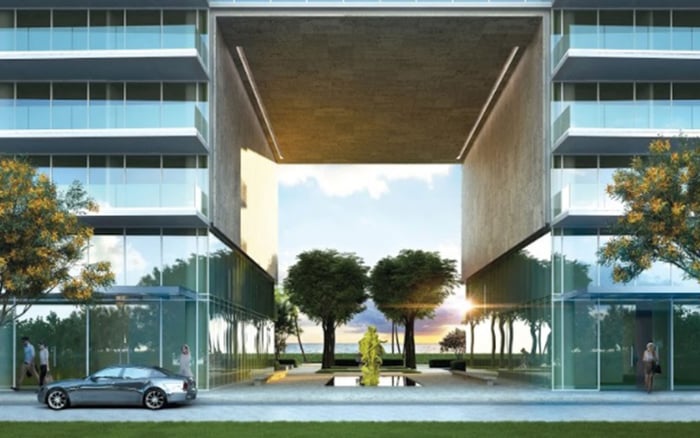
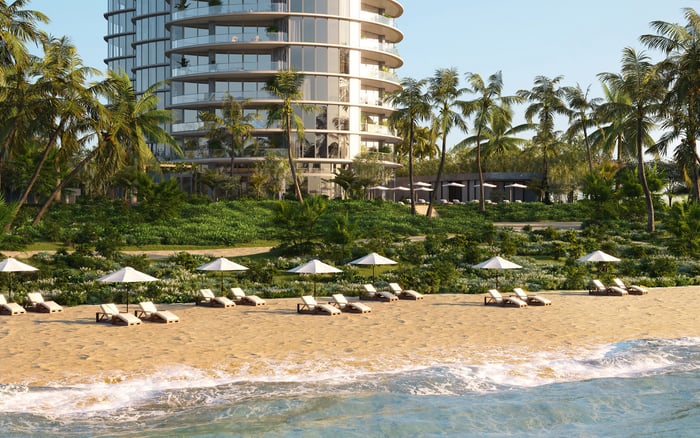
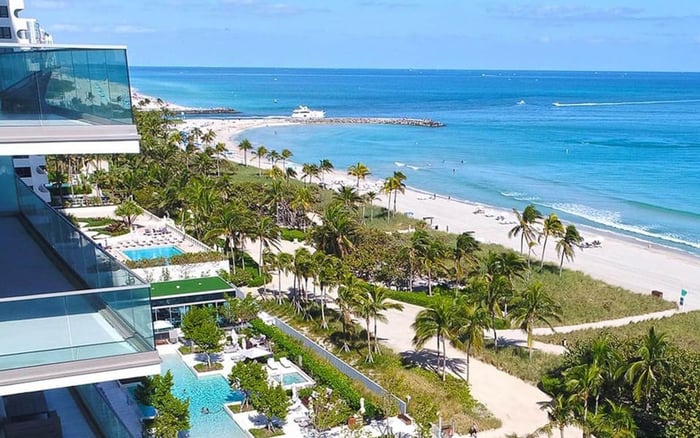
In Bal Harbour, luxury is increasingly measured less by finishes and more by how quietly a building runs. This MILLION Luxury editorial looks at what publicly disclosed service standards at Oceana Bal Harbour and the planned Rivage Bal Harbour suggest about the next era of oceanfront living, with a buyer-focused framework for evaluating concierge, valet, security, and household-level support.
In ultra-premium coastal markets, the most convincing luxury is operational. A lobby can photograph beautifully, but day-to-day ease comes from the unseen choreography: who screens visitors, how packages and deliveries move through the building, whether arrivals are smooth, and how discreetly staff handles the inevitable requests that come with second-home living.
Bal Harbour has long drawn buyers who value privacy, precision, and calm. That expectation is now shifting the conversation away from amenity checklists and toward service architecture. For owners who travel often, entertain selectively, or simply prefer a quieter form of convenience, the building is not just a home. It is a staffed, secured, and managed platform that should perform with hotel-grade consistency.
Two addresses illustrate where Bal Harbour’s residential standards sit today and where they appear to be heading. One is an established benchmark with clearly marketed 24-hour services. The other is a forthcoming oceanfront project that is positioning itself around a more household-style tier of support.
Completed in 2016 at 10201 Collins Ave, Oceana Bal Harbour is a 28-story condominium with 240 residences. In a community of this scale, service quality is rarely about a single standout individual. It is about systems: staffing coverage, clear protocols, and a resident experience designed to feel steady and seamless.
Oceana’s public messaging emphasizes a hospitality-forward model. It highlights 24-hour concierge and 24-hour security, with valet parking shaping the arrival experience. Those three elements matter because they define how residents and guests interact with the property every day: the moment you pull in, how visitors are received, how deliveries are managed, and whether the home feels protected without feeling intrusive.
For buyers who prioritize predictability and a known operating rhythm, an established building can be compelling. Processes are not theoretical. The cadence of arrivals, the handling of visitors, and the expectations residents can reasonably set have had time to mature.
For those evaluating the property more closely, Oceana Bal Harbour is often referenced as a baseline for Bal Harbour’s five-star residential posture.
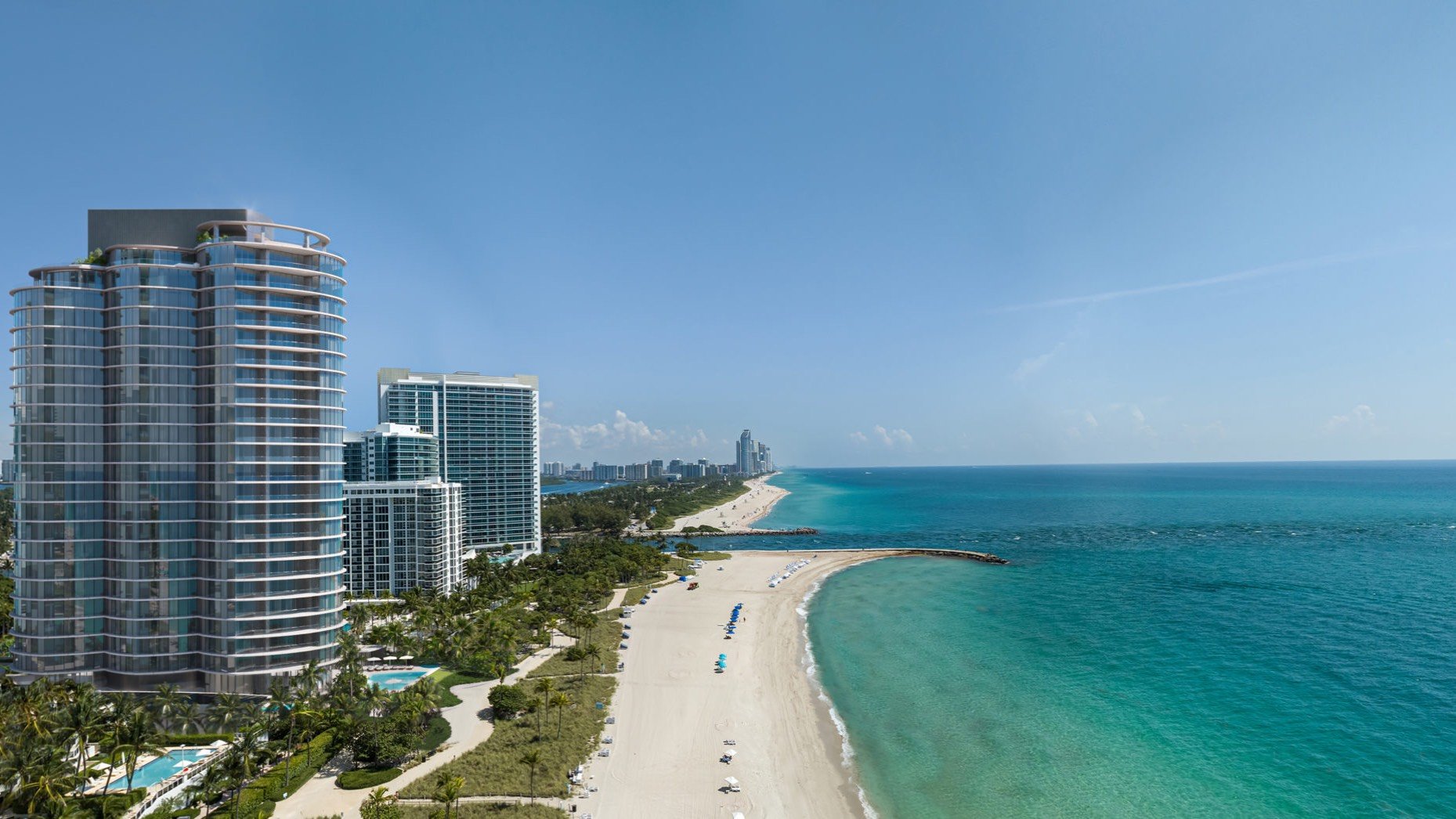
Rivage Bal Harbour is a new oceanfront condominium project designed by Skidmore, Owings & Merrill (SOM). The tower is planned at 24 stories, and developer materials project a 2026 delivery. With 61 residences, the concept signals a different operational profile than a larger-format peer: fewer households, more individualized attention, and the potential for a more tailored service culture.
Rivage’s published service list is notably specific. In addition to 24-hour security and valet, it includes a lifestyle concierge, coordination and handling of deliveries, welcoming and assisting guests, and a residential butler. That last detail is meaningful. A butler implies household-style support, closer to private home management than a typical front-desk interaction.
The residences are marketed at large format, from 3,300 to 12,600 square feet. In practical terms, that scale can change the nature of resident requests: more vendor coordination, more deliveries, more staging for entertaining, and a greater need for discreet building-supported logistics.
Because Rivage is still planned, buyers should treat publicly disclosed services as intended standards, not a long operating track record. Even so, the directional signal is clear. Rivage is presenting itself as a high-touch environment with staffing designed to support estate-sized living inside a condominium framework. For those following Bal Harbour’s next tier of service expectations, Rivage Bal Harbour has become a focal point.
In luxury real estate, amenities are easy to photograph. Service is harder to quantify, yet it is what residents experience every day. Three categories deserve disciplined scrutiny.
First, concierge. A 24-hour concierge promise is only as valuable as the scope behind it. The real question is not whether a desk is staffed, but what that team can execute: coordinating tasks, managing requests, and maintaining continuity so owners are not re-explaining preferences at each interaction.
Second, valet. Valet is more than convenience. It supports access control, pacing, and discretion. It affects guest handling, peak-time traffic, and the overall tone of arrival. In South Florida, where residents may keep multiple vehicles or host regularly, valet becomes part of the building’s identity.
Third, security. Many luxury buildings advertise 24-hour security, but procedures and presence vary. Buyers should look for how privacy and welcome coexist: staffing visibility, visitor protocols, and the handoff between security and guest reception. In the most elevated buildings, security feels almost invisible because it is well designed.
Both Oceana and Rivage foreground these pillars. The difference is the layer above them. Rivage’s published emphasis on delivery handling and a residential butler points toward a shift from hotel-like assistance to household management, a distinction that matters for owners who want their residence to function like a staffed home.
In Bal Harbour, long-term value is often supported by governance and operations as much as by architecture and finishes. When evaluating a service-led building, use a structured set of questions.
Start with coverage and continuity. If 24-hour concierge is part of the offering, clarify how responsibilities transfer across shifts and how resident preferences are documented and honored. Continuity is what makes service feel personal rather than transactional.
Next, trace the path from arrival to residence. How are guests welcomed and assisted? How are deliveries coordinated and handled? Where do packages go, and what is the protocol for high-value items? Rivage’s published focus on delivery coordination and guest welcome speaks directly to this sequence, and it is often where privacy is either protected or compromised.
Then, evaluate scale. A 240-residence building and a 61-residence building can both deliver luxury, but they may deliver it differently. Larger communities can excel at consistency and redundancy. Smaller ones can lean into personalization and discretion. Neither is inherently superior; each aligns with a different lifestyle.
Finally, separate marketing language from operating reality. “Five-star” is a useful shorthand, but buyers should translate it into observable behavior: response times, staff presence, communication clarity, and the degree to which the building absorbs complexity so the home remains calm.
Bal Harbour sits within a broader South Florida luxury ecosystem, and many buyers compare it with Miami Beach when deciding what energy they want around their residence. Miami Beach can offer a different rhythm, often more urban and social, with a design-forward sensibility.
Some buyers who want a contemporary, skyline-facing lifestyle include Five Park Miami Beach in their Miami Beach set. Others consider a residence that reads closer to a hospitality-driven compound, such as Setai Residences Miami Beach, where brand expectations can shape what “service” means day to day. And for those drawn to a widely recognized service culture, The Ritz-Carlton Residences® Miami Beach often appears in the same decision funnel.
These comparisons sharpen what Bal Harbour does especially well: pairing oceanfront serenity with operational discipline. If Miami Beach can feel expressive, Bal Harbour often feels curated. Both can be right, depending on whether a buyer is selecting for privacy, social proximity, or a deliberate balance of the two.
Square footage is measurable. Service is the space you do not see: time returned, stress removed, privacy preserved. In Bal Harbour, Oceana illustrates an established model anchored by 24-hour concierge, 24-hour security, and valet. Rivage, as publicly presented, signals an escalation toward lifestyle concierge and residential butler support, paired with guest and delivery handling that reads like private-estate logistics.
For the luxury buyer, the decisive move is to treat service standards as an asset class. The right building does not only house your life; it supports it.
What does “24-hour concierge” usually mean in practice? It typically indicates around-the-clock front-of-house coverage to assist residents, coordinate requests, and support arrivals and daily needs.
Is 24-hour security the same across luxury buildings? No. Many buildings advertise 24-hour security, but procedures, staffing presence, and visitor handling can vary materially.
Why does valet matter beyond convenience? Valet influences privacy, guest management, and the calmness of arrivals and departures, especially during peak periods.
What makes a “residential butler” different from a concierge? A butler suggests household-style support and task execution beyond traditional desk-based coordination.
Are Rivage Bal Harbour’s services guaranteed? They are publicly disclosed planned standards; buyers should confirm details as the project progresses and operations are established.
How does residence count affect service? Fewer residences can allow more individualized attention, while larger buildings may deliver more standardized, robust coverage.
What should I ask about deliveries and packages? Ask how deliveries are coordinated, where items are stored, and how high-value packages are handled to support privacy.
Does larger square footage change service needs? Often, yes. Larger residences can involve more vendors, more deliveries, and entertaining logistics that benefit from building support.
Why compare Bal-harbour with Miami-beach when shopping? They can offer different lifestyle rhythms; comparing them clarifies whether you prioritize serenity, social energy, or a hybrid.
What is the simplest way to evaluate “white-glove” living? Observe the arrival experience, ask about coverage and protocols, and assess whether staff can make complexity feel nearly invisible.
For private guidance on Bal-harbour and Miami-beach residences, connect with MILLION Luxury.
If branded residences are on your mind — as a home or as an allocation — we would be glad to share what we are seeing, privately.
Begin a quiet conversation