Coral Gables or Coconut Grove for hotel-backed living: Cora Merrick Park vs Mr. C Tigertail Coconut Grove
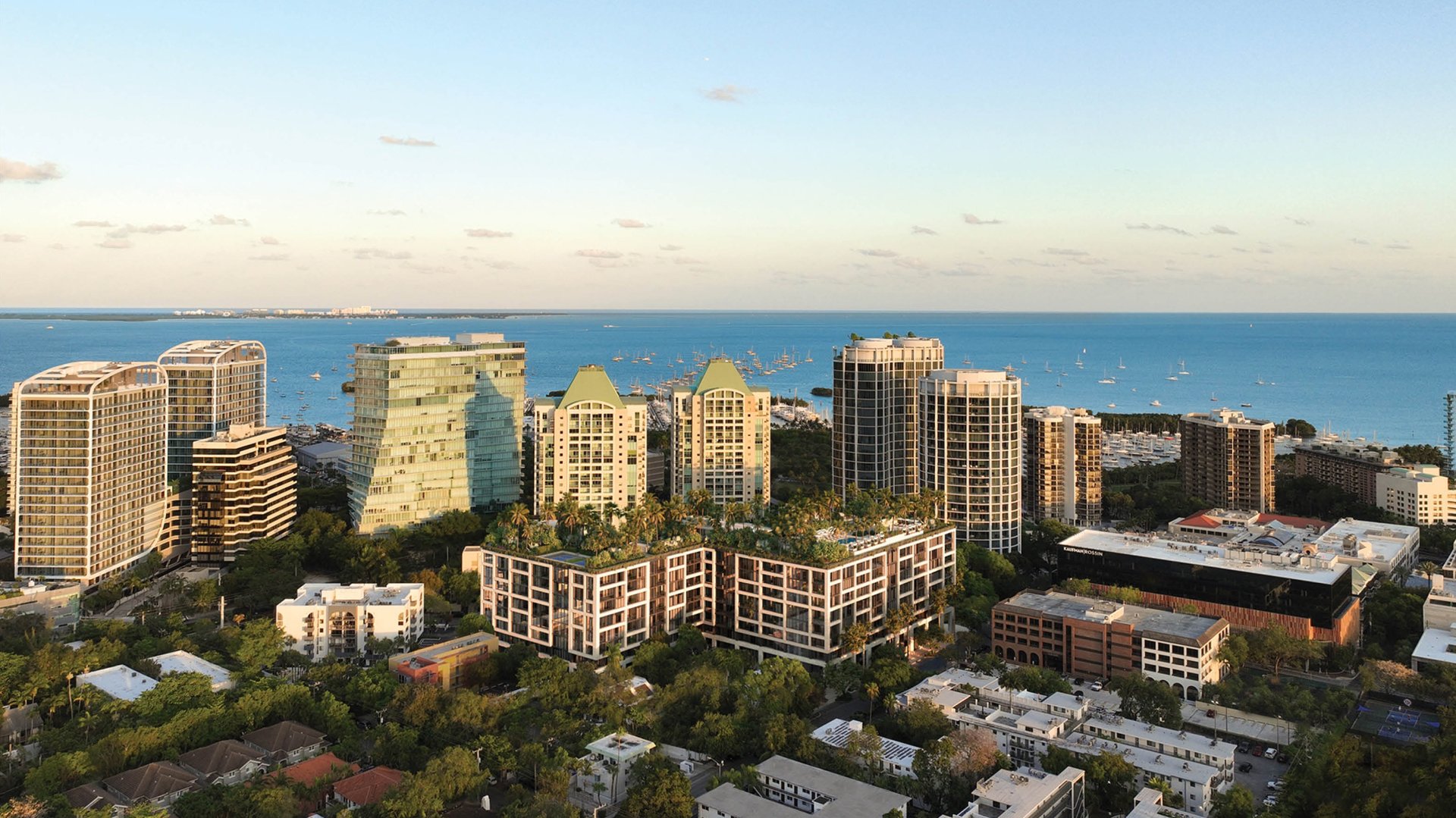
A buyer-oriented look at two distinct addresses for hotel-backed living, contrasting the poised urbanity of Coral Gables with the softer, bay-adjacent rhythm of Coconut Grove through the lens of Cora Merrick Park and Mr. C Tigertail Coconut Grove.

Mr. C Tigertail Coconut Grove for residents who want hospitality polish in a more intimate Grove setting
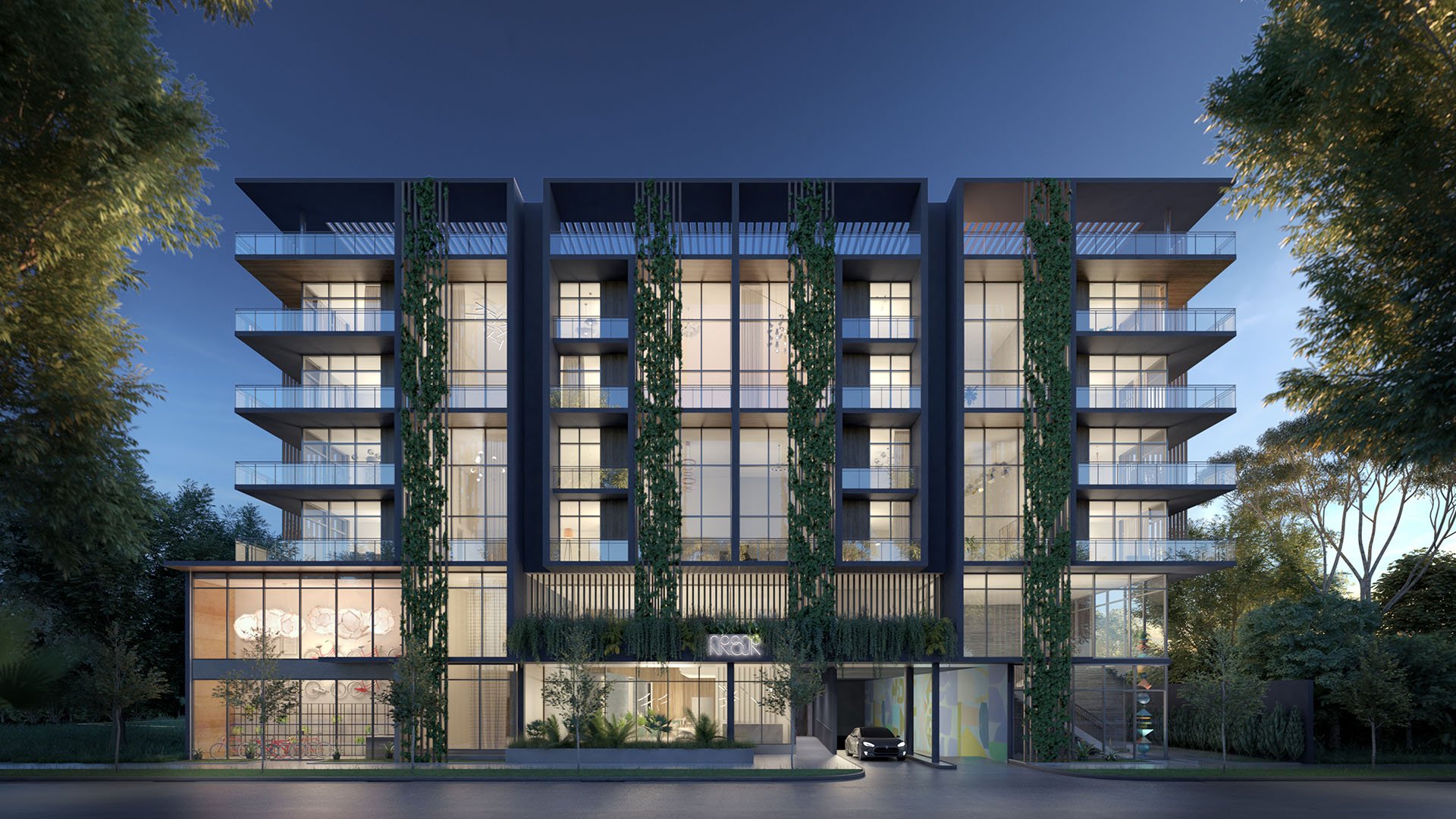
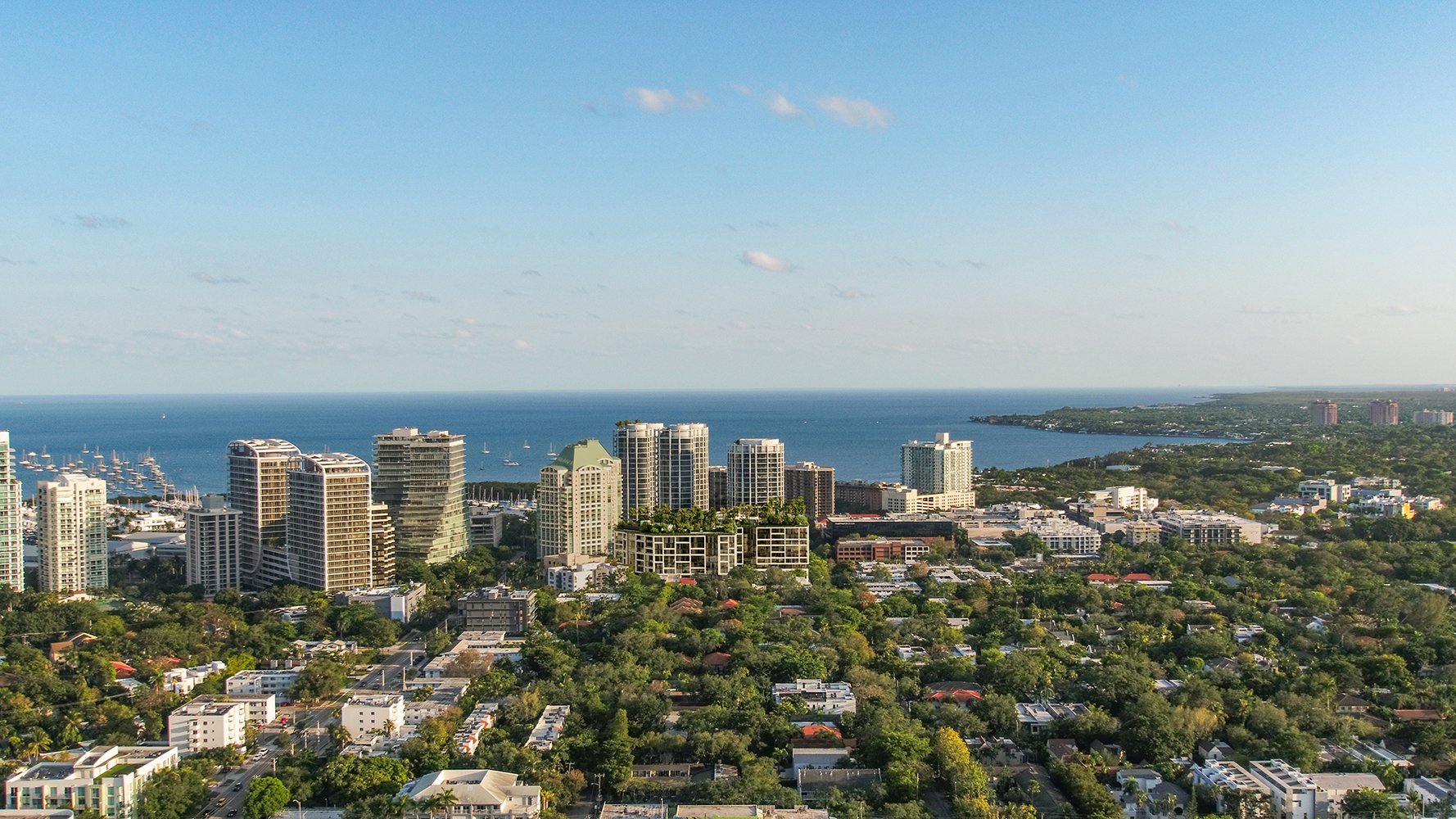
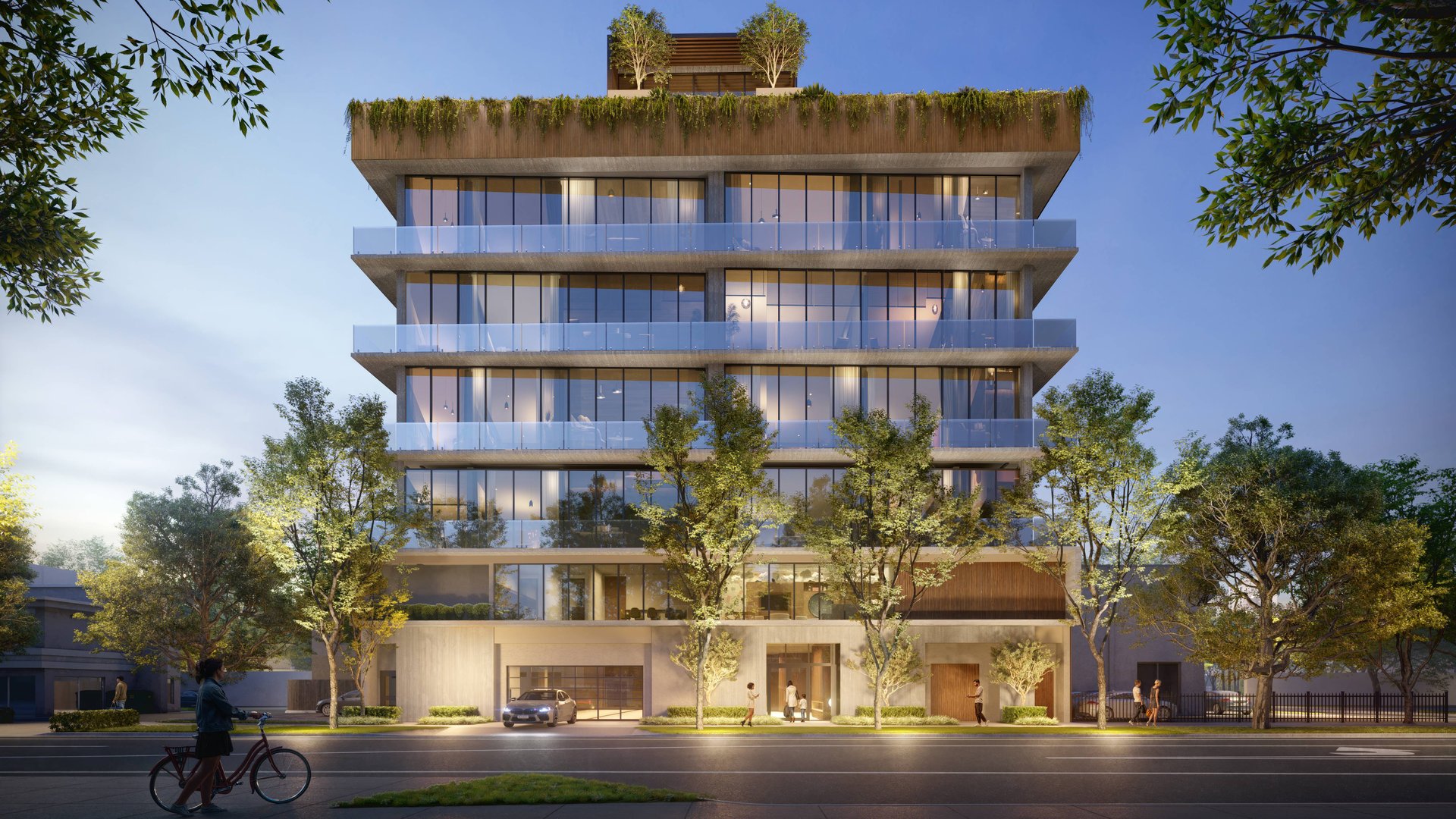
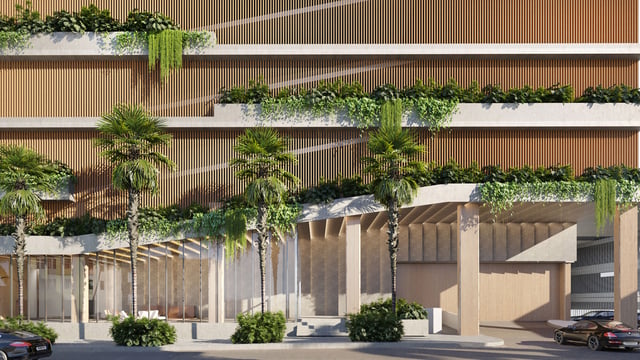
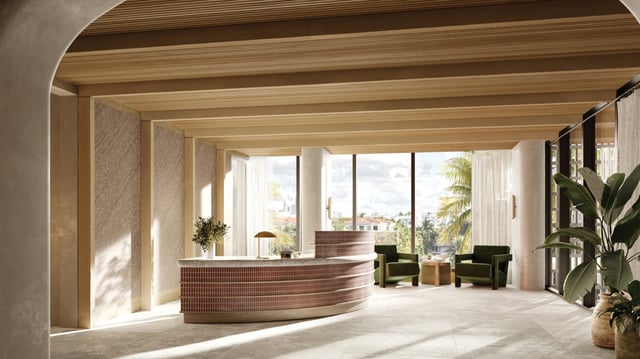
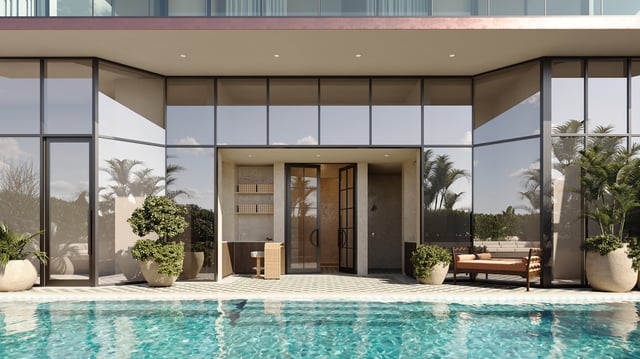
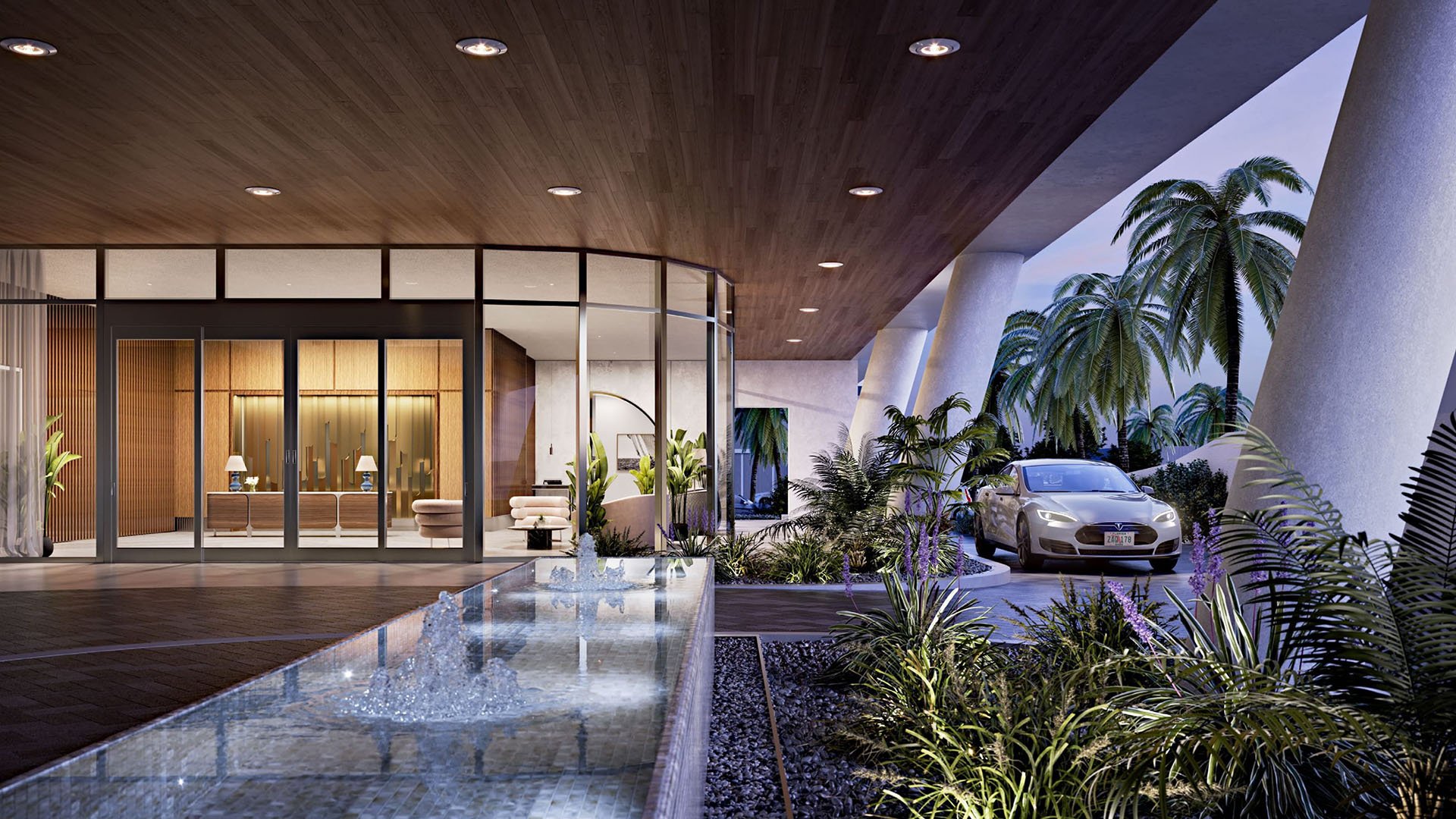
Mr. C Tigertail Coconut Grove speaks to a very specific South Florida buyer: someone who wants the discipline and ease of a luxury hospitality brand, but in a neighborhood that feels residential, walkable, and culturally rooted. Set in Coconut Grove’s village core, the project is positioned less like a sprawling resort and more like a serviced private residence with a refined, boutique sensibility. That distinction matters. In Miami, hospitality-led ownership often suggests beachfront energy, high turnover, and a more transient social rhythm. Mr. C Tigertail offers a different proposition. Here, the appeal is operational ease, personalized service, and a setting defined by mature canopy, established streets, and a sense of neighborhood continuity. For buyers considering a primary home, a second home, or a polished pied-à-terre, that balance can be unusually compelling. Within the broader Coconut Grove landscape, the project sits in conversation with other design-conscious addresses such as [Arbor Coconut Grove](https://www.millionluxury.com/coconut-grove/arbor-coconut-grove) and [Opus Coconut Grove](https://www.millionluxury.com/coconut-grove/opus-coconut-grove), though its hospitality orientation gives it a different personality. The result is a residence concept aimed at owners who value privacy, service, and a more intimate expression of luxury.

Why some buyers are willing to sacrifice direct beach frontage for a better evening routine
For a growing share of affluent South Florida buyers, the most valuable luxury is not a private path to the sand. It is the ability to step out for dinner, meet friends for cocktails, catch a performance, and return home without planning the night around a car ride. In that calculus, a finely tuned evening routine can outweigh direct beach frontage.

What wealthy buyers should know about household routine design before leaving a single-family estate
For affluent buyers evaluating a South Florida single-family estate, household routine design is not a soft detail. It is part of the asset itself. From smart-home transfer protocols and climate settings to hurricane readiness, vendor continuity, and staff procedures, the value of a large residence is shaped by how clearly its operating systems can be handed off.

Why some buyers choose a neighborhood with less prestige on paper but better social fit in practice
In South Florida luxury real estate, the most coveted address is not always the one that best suits a buyer’s life. Many affluent purchasers are choosing neighborhoods with less inherited prestige but stronger alignment with their routines, peers, and social infrastructure. In practice, daily ease, walkability, cultural energy, and access to like-minded communities can outweigh the symbolic value of a legacy ZIP code.

How to compare a building’s dog policy when you travel often and rely on staff or walkers
For frequent travelers in South Florida, a refined pet policy is less about whether dogs are permitted and more about whether daily care can function smoothly in the owner’s absence. The most useful comparison points are legal restrictions, assistance-animal exceptions, walker authorization, common-area access, liability requirements, relief-area practicality, and emergency backup planning.