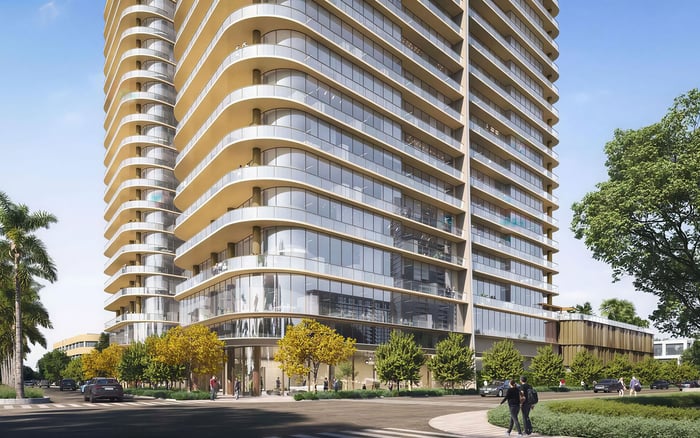
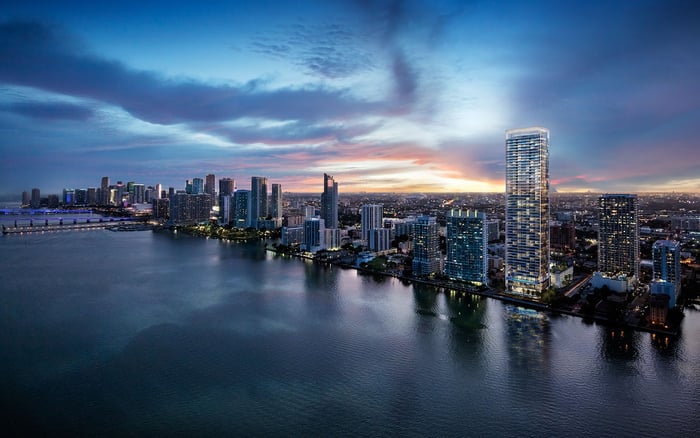
In South Florida luxury real estate, the most coveted address is not always the one that best suits a buyer’s life. Many affluent purchasers are choosing neighborhoods with less inherited prestige but stronger alignment with their routines, peers, and social infrastructure. In practice, daily ease, walkability, cultural energy, and access to like-minded communities can outweigh the symbolic value of a legacy ZIP code.
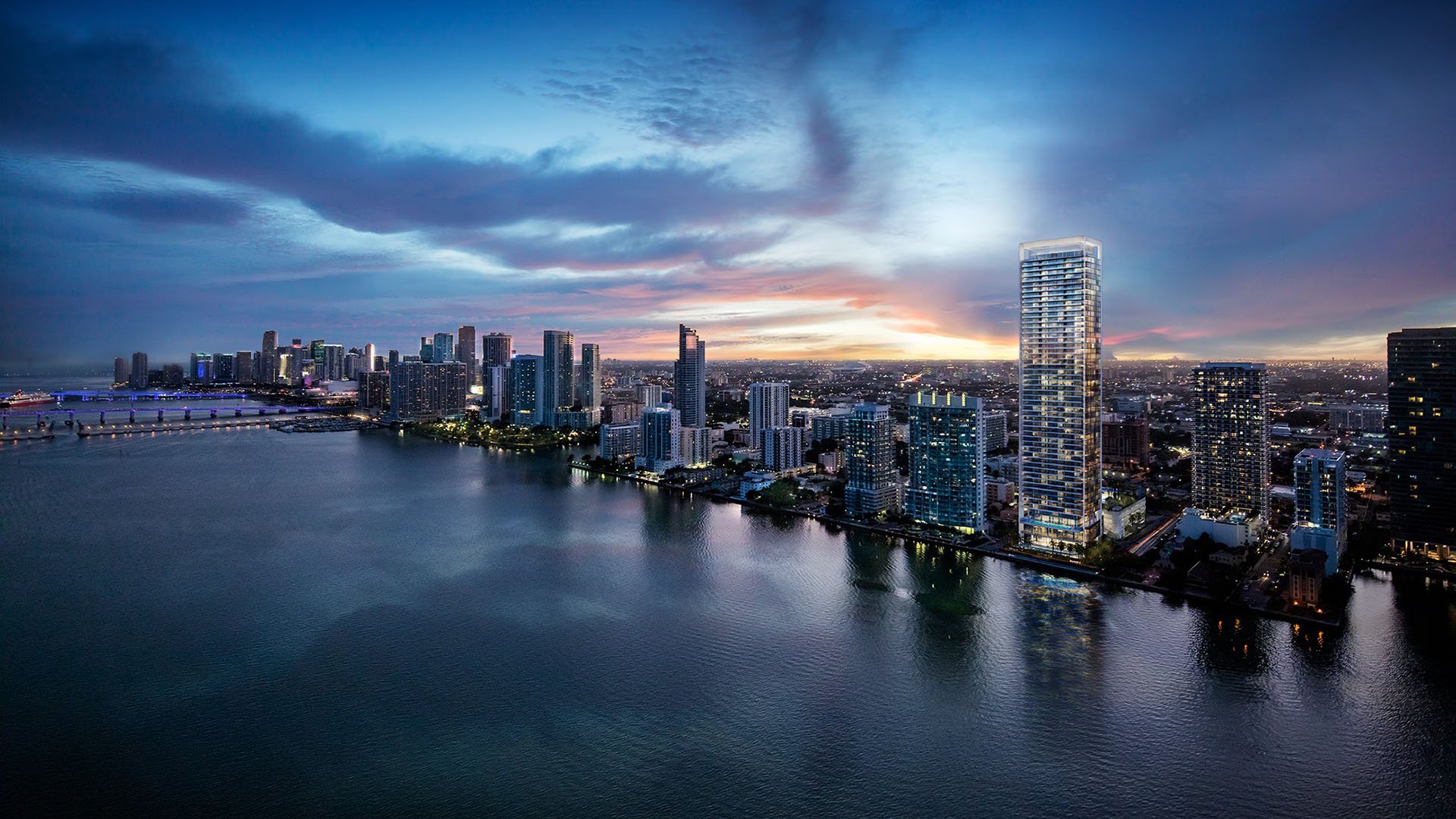
Luxury buyers still recognize the signaling power of a renowned address. A storied waterfront enclave, a celebrated avenue, or a long-established social geography can carry genuine appeal. But in South Florida, where migration patterns and buyer profiles have shifted markedly in recent years, prestige on paper is no longer the only shorthand for value.
Many affluent purchasers are making a more personal calculation: where will daily life feel easiest, most stimulating, and most socially coherent? The answer is not always the neighborhood with the deepest legacy cachet. Often, it is the one where a buyer’s routines, peer group, and ambitions align most naturally with the local rhythm.
This is especially visible in markets such as Brickell, Coconut-grove, Edgewater, and Wynwood, where buyers may accept slightly less traditional prestige in exchange for stronger day-to-day engagement. The question is less, “Which address impresses on arrival?” and more, “Which setting will feel right on an ordinary Tuesday?”
At the upper end of the market, buyers rarely choose based on a single variable. The residence matters, of course, but so do the rituals surrounding it: the morning coffee spot, the ability to walk to dinner, the likelihood of running into friends, the convenience of a wellness club, and the ease of reaching an office, school, marina, or airport.
Household age, composition, and life stage increasingly shape what feels luxurious in practice. A buyer building a company may prioritize proximity to clients, collaborators, and dinner-table networking. A young family may prefer a neighborhood where peers are also raising children and where weekends have a visible local cadence rather than a seasonal one. A second-home owner may want energy and service nearby instead of isolation, even if the quieter enclave has more historical pedigree.
That is why a neighborhood with stronger social infrastructure can outperform one with a stronger reputation. Cafés, gyms, parks, members clubs, cultural venues, and polished mixed-use environments act as the connective tissue of daily belonging. These so-called third places often matter more than buyers expect because they determine whether a neighborhood feels lived in rather than merely admired.
South Florida has absorbed a wave of new wealth, entrepreneurial energy, and mobile professionals who are not necessarily attached to older hierarchies of status. Many arrived with expectations shaped by dense, networked urban living. They want access, spontaneity, and cultural momentum, not only privacy and pedigree.
In that environment, neighborhoods with a live-work-play texture have gained ground. A district once considered secondary can become highly desirable when it offers a richer street life, better walkability, or easier access to professional and social circles. Prestige, after all, is not fixed. It evolves as buyers reward places that better support the way they actually live.
In Brickell, for example, projects such as 888 Brickell by Dolce & Gabbana and ORA by Casa Tua Brickell resonate with buyers drawn to an urban rhythm that folds dining, work, wellness, and social life into one tight geography. For some purchasers, that level of integration feels more relevant than a more famous but less interactive address.
Among affluent buyers, walkability is often misunderstood as a convenience feature when it is actually a lifestyle filter. The ability to move through a neighborhood on foot creates more than efficiency. It creates unplanned interaction, recurring familiarity, and a stronger sense of participation in local life.
That matters in the luxury segment because many buyers are selecting not just a home but a social operating system. A beautiful property in an isolated enclave may offer serenity, but if it requires deliberate planning for every outing, it can feel less aligned with a buyer who wants daily movement and visible energy.
This is one reason Edgewater and adjacent urban-core neighborhoods continue to attract attention. Residences such as Aria Reserve Miami and EDITION Edgewater appeal to buyers who want polished product with immediate access to the city’s cultural and professional flow. The luxury is not only in the finish level. It is in the frictionless relationship between home and neighborhood.
One of the least discussed drivers in luxury real estate is peer compatibility. Buyers do not always say it plainly, but many want to live among people whose schedules, values, and stage of life feel legible to them.
A neighborhood can be objectively prestigious and still feel misaligned if its social rhythms do not match the buyer’s own. Perhaps it skews heavily seasonal. Perhaps it is quieter than the buyer imagined. Perhaps the dominant age profile, family pattern, or entertainment style feels out of step. In those cases, the address may retain status while losing relevance.
By contrast, a district with less inherited prestige may feel instantly right because the social cues align. Buyers see contemporaries walking to breakfast, families using nearby parks, founders meeting for coffee, or residents treating the neighborhood as a primary home rather than a backdrop. That sense of belonging can be worth more than borrowed prestige.
In Coconut-grove, for instance, the appeal often lies in a layered residential atmosphere that still connects to schools, restaurants, wellness routines, and village-scale movement. Projects such as Four Seasons Residences Coconut Grove and The Well Coconut Grove fit naturally into this conversation because they speak to buyers who value refinement within an active, socially textured setting.
Another reason some buyers move beyond legacy prestige is that modern development can compress a neighborhood’s maturation. When new residential projects bring curated amenities, hospitality-minded service, wellness programming, and elevated design, they can quickly reshape how an area is perceived.
This does not mean every emerging neighborhood becomes elite overnight. It means buyers are increasingly willing to recognize luxury in places that deliver the right experience now rather than waiting for decades of reputation to validate it. In South Florida, restaurants, arts programming, offices, and mixed-use development have repeatedly helped reset the value equation.
That is part of why Wynwood and other evolving districts command attention even from traditionally conservative luxury buyers. The appeal is not only novelty. It is the possibility of living closer to where culture, commerce, and social exchange are actively happening.
There is also a quieter psychological truth here. Buyers often feel more confident in a neighborhood where they can envision their actual life unfolding. That confidence may be stronger in a less prestigious district that offers clear utility and belonging than in a more famous enclave chosen mainly for external validation.
The most successful luxury purchases tend to balance aspiration with ease. A residence should impress, but it should also support. It should make entertaining simple, morning routines graceful, and spontaneous plans possible. If a neighborhood delivers those outcomes consistently, it may offer greater long-term satisfaction than one selected chiefly for symbolic standing.
This does not diminish the power of legacy addresses. It simply clarifies that prestige and fit are not identical. For many sophisticated buyers, fit is the more durable form of luxury.
In practical terms, many affluent purchasers are buying access to a preferred pattern of life. They want proximity to their circles, their habits, and their ambitions. They want a neighborhood that reflects who they are now, not merely one that has impressed others for decades.
In South Florida, that calculus has become unusually visible because the region offers so many distinct luxury identities within a relatively tight geography. A buyer can choose old-line exclusivity, urban immediacy, family-oriented village life, or an emerging district with cultural edge. The wisest decisions often come from understanding which environment creates the strongest daily alignment.
That is why some buyers quite rationally choose a neighborhood with less prestige on paper but better social fit in practice. They are not lowering their standards. They are refining them.
Why would a wealthy buyer choose a less prestigious neighborhood? Because daily life can matter more than symbolic status, especially when a neighborhood better matches routines, peers, and preferred amenities.
Does prestige still influence luxury real estate decisions? Yes. It remains important, but it increasingly competes with walkability, lifestyle convenience, and social belonging.
What does social fit mean in real estate? It refers to how well a neighborhood aligns with a buyer’s life stage, habits, peer group, and comfort with the area’s overall rhythm.
Why is this trend especially relevant in South Florida? The region has seen significant in-migration from buyers seeking connected, lifestyle-driven neighborhoods with strong cultural and professional energy.
Can walkability really outweigh a famous address? For many buyers, yes. Walkability adds convenience and spontaneous interaction, which can improve everyday satisfaction.
Do younger luxury buyers think differently about neighborhoods? Often they do, especially if they value networking, dining, wellness, and a dense live-work-play environment.
How do new developments change neighborhood perception? Well-designed projects can introduce elevated services and amenities that quickly make an area feel more established and desirable.
Is peer group an important factor in choosing where to live? Very much so. Buyers often prefer places where neighbors share similar schedules, family structures, or social interests.
Can a less famous neighborhood become more prestigious over time? Yes. As amenities, culture, and buyer demand grow, the market often re-rates the neighborhood’s status.
What should buyers prioritize over prestige alone? They should focus on whether the neighborhood supports the life they truly want to live, both socially and practically.
For a discreet conversation and a curated building-by-building shortlist, connect with MILLION.
If branded residences are on your mind — as a home or as an allocation — we would be glad to share what we are seeing, privately.
Begin a quiet conversation