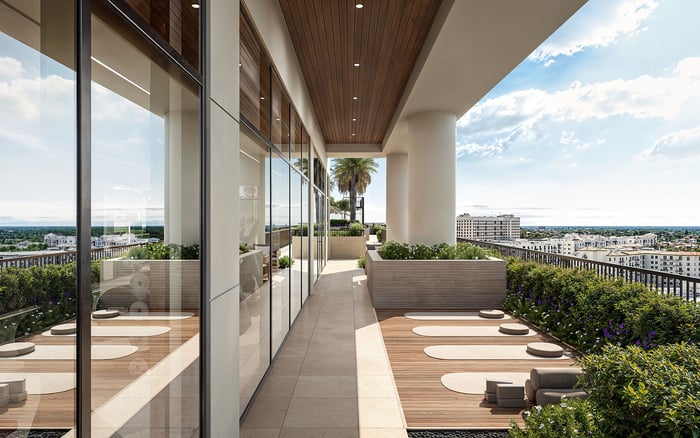
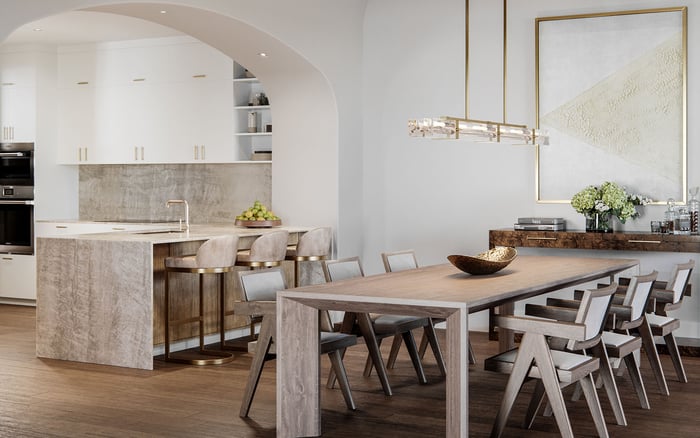
A buyer-oriented look at two distinct addresses for hotel-backed living, contrasting the poised urbanity of Coral Gables with the softer, bay-adjacent rhythm of Coconut Grove through the lens of Cora Merrick Park and Mr. C Tigertail Coconut Grove.
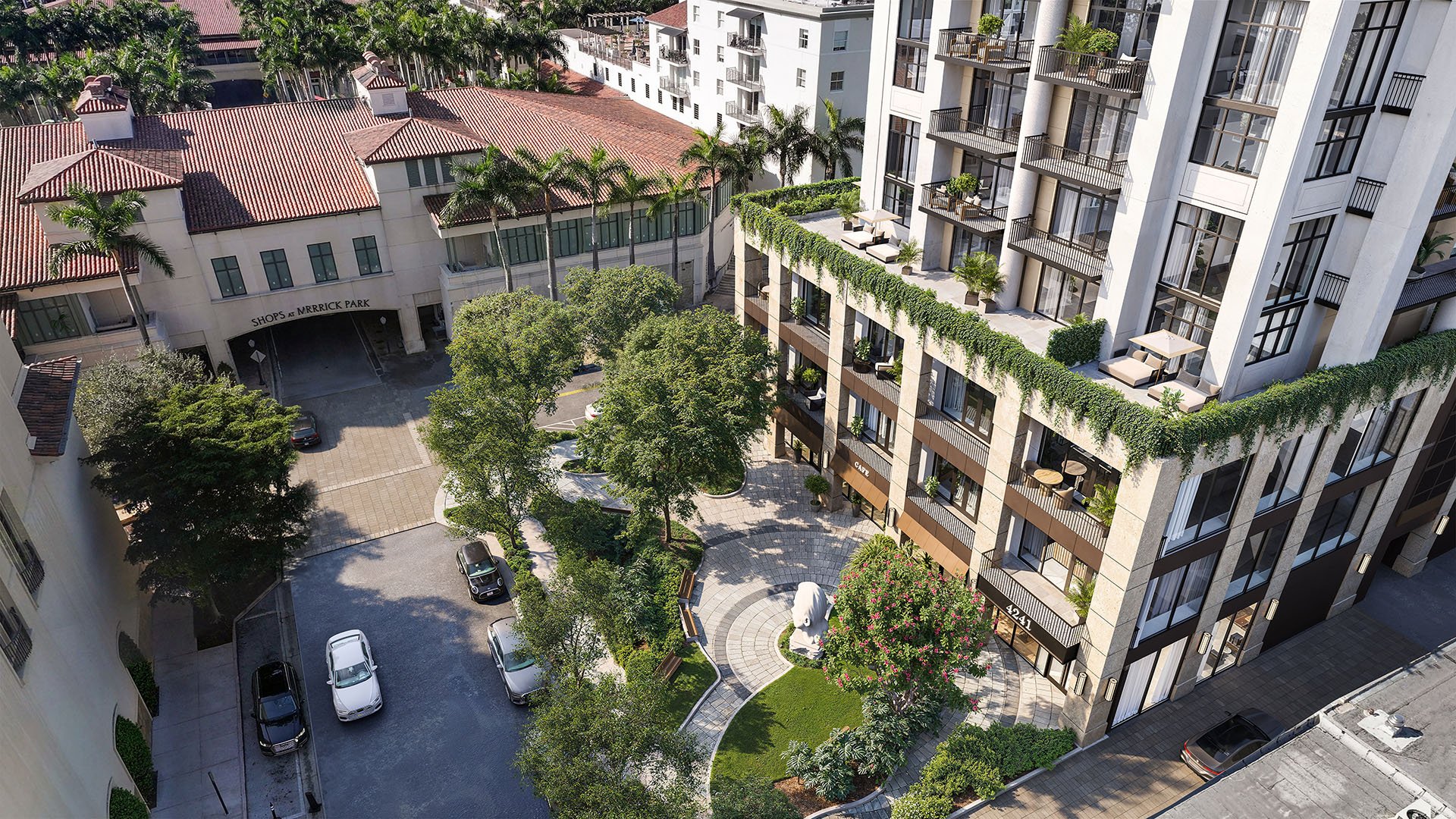
Hotel-backed living has become one of the more compelling formats in South Florida luxury real estate, not simply for service, but for the composed way it can shape daily life. In this comparison, the real question is less about an amenities checklist and more about setting, pace, and the kind of experience a residence is designed to support.
For buyers considering Cora Merrick Park in Coral Gables or Mr. C Tigertail Coconut Grove in Coconut Grove, the clearest distinction is geographic and cultural. One is rooted in the polished streetscape and urban elegance of Coral Gables. The other belongs to Coconut Grove, where luxury often feels more relaxed, more verdant, and more connected to a village-like residential rhythm.
That distinction matters. In the upper tier of the market, buyers are rarely choosing square footage alone. They are choosing atmosphere, ease, and alignment with a personal routine. Hotel-backed living is attractive precisely because it can blur the line between private residence and thoughtfully managed hospitality, but the neighborhood still determines whether that experience feels formal, social, discreet, or retreat-like.
Coral Gables has long appealed to buyers who value order, architecture, and a sense of arrival. The neighborhood carries a distinct visual language: elegant avenues, established retail, clubby dining, and a lifestyle that feels measured rather than improvised. In that context, Cora Merrick Park is best understood as part of a broader Coral Gables conversation about refinement and proximity to one of Miami-Dade’s most consistently desirable urban districts.
For some purchasers, Coral Gables represents the ideal second-home or primary-home environment because it is sophisticated without being performative. The appeal is not only beauty, but legibility. Streets, destinations, and social patterns are easier to understand. That can be especially valuable for buyers who want luxury with clarity.
This is also why Coral Gables often attracts those comparing other polished residential settings such as Ponce Park Coral Gables and The Village at Coral Gables. The broader area tends to favor classicism, discretion, and a sense of permanence. If hotel-backed living is the concept, Coral Gables gives it a more tailored, city-facing expression.
For a buyer who prizes a highly edited routine, daytime convenience within a luxury district, and evenings that lean cultivated rather than kinetic, Coral Gables can feel immediately right.
Coconut Grove speaks to a different luxury instinct. It is one of Miami-Dade’s most emotionally resonant enclaves, defined by mature canopy, bay proximity, and an atmosphere that can feel simultaneously international and deeply local. Mr. C Tigertail Coconut Grove sits within that broader narrative of branded, service-oriented living in a neighborhood where privacy and softness are central to the appeal.
The Grove tends to draw buyers who want a residence that feels less urban in posture, even when it is highly sophisticated in finish and service. There is a sense of remove from the city’s harder edges. Days can unfold with more fluidity here. A residence in Coconut Grove often supports a life organized around walks, marina access, intimate dining, and a lower-volume social tempo.
That helps explain why the area is often considered alongside projects such as Four Seasons Residences Coconut Grove and The Well Coconut Grove. Even when the concepts differ, the underlying buyer desire is similar: elegant living with a strong emphasis on calm, wellness, and a more private neighborhood mood.
If Coral Gables feels composed and dressed, Coconut Grove feels composed and exhaled.
The phrase hotel-backed living can suggest different things to different buyers, which is why discernment matters. At this level of the market, the value proposition typically centers on service culture, operational polish, and a more seamless relationship between residence and lifestyle. Buyers are not just paying for design. They are buying into a managed experience.
Still, service is not one-size-fits-all. Some owners want hospitality energy and a visible sense of staff presence. Others want the opposite: everything handled beautifully, but almost invisibly. That is where neighborhood and brand posture become as important as the residence itself.
Between Coral Gables and Coconut Grove, the contrast is nuanced but meaningful. Coral Gables can suit a buyer who wants structure and metropolitan convenience. Coconut Grove may better fit someone who wants the same caliber of attentiveness in a setting that feels more residential and more retreat-oriented.
Cora Merrick Park may resonate most with the buyer who wants Coral Gables first and hotel-backed living second. That is the purchaser for whom neighborhood identity leads the decision. The surrounding environment, social texture, and polished walkability are likely to matter as much as the residence itself.
Mr. C Tigertail Coconut Grove may be the more natural fit for the buyer who wants service and atmosphere to feel inseparable. In Coconut Grove, luxury is often less declarative and more ambient. The right residence there can support a lifestyle that feels protected, cultivated, and slightly removed from Miami’s faster pace.
There is also a practical dimension. Primary residents may prioritize neighborhood usability and year-round rhythm. Seasonal owners may focus more on lock-and-leave ease and the emotional quality of arrival. Families may lean toward one environment for routine, while international buyers may respond more strongly to whichever district best reflects the Miami they want to inhabit.
When comparing Coral Gables and Coconut Grove, affluent buyers often benefit from asking a deceptively simple question: where do I want my life to happen? Not where do I want to invest in abstraction, but where do I want mornings, arrivals, weekends, and hosting to feel most natural.
If the answer involves precision, heritage, and a polished urban framework, Coral Gables is compelling. If it involves greenery, softer edges, and a more retreat-oriented emotional register, Coconut Grove may prove more magnetic.
Either way, the wisest approach is to verify the current living program, services, availability, and day-to-day operating structure directly before moving forward. In hotel-backed living, details are not peripheral. They are the product.
Is Coral Gables or Coconut Grove better for hotel-backed living? It depends on whether you prefer a more polished urban setting or a quieter, more residential atmosphere.
What is the core difference between Cora Merrick Park and Mr. C Tigertail Coconut Grove? The clearest difference is neighborhood context, with Coral Gables and Coconut Grove supporting very different daily rhythms.
Does hotel-backed living always mean the same service model? No. Service culture, visibility, and operational style can vary from one residence to another.
Why does neighborhood matter so much at this price point? Because luxury buyers are typically choosing not only a home, but also a routine, social setting, and sense of privacy.
Is Coral Gables more formal than Coconut Grove? In general, yes. Coral Gables often feels more structured and tailored, while Coconut Grove tends to feel softer and more relaxed.
Is Coconut Grove better for buyers seeking a retreat-like feel? For many buyers, yes. Its canopy, village character, and calmer pace can create a more tranquil residential mood.
Should second-home buyers evaluate these neighborhoods differently from primary residents? Often, yes. Seasonal owners may prioritize ease and arrival, while full-time residents may focus more on routine and day-to-day usability.
Can buyers compare these projects with other service-led residences nearby? Yes. Looking at comparable residential concepts can help clarify which living style feels most aligned.
Are current availability and operating details important to verify? Absolutely. Those details can change and are central to evaluating fit.
What is the best way to shortlist comparable options for touring? Start with location fit, delivery status, and daily lifestyle priorities, then compare stacks and elevations to validate views and privacy.
To compare the best-fit options with clarity, connect with MILLION.
If branded residences are on your mind — as a home or as an allocation — we would be glad to share what we are seeing, privately.
Begin a quiet conversation