A discreet guide for Zurich-based buyers weighing boutique residences in Surfside, with emphasis on privacy, service, waterfront living, and long-term fit.
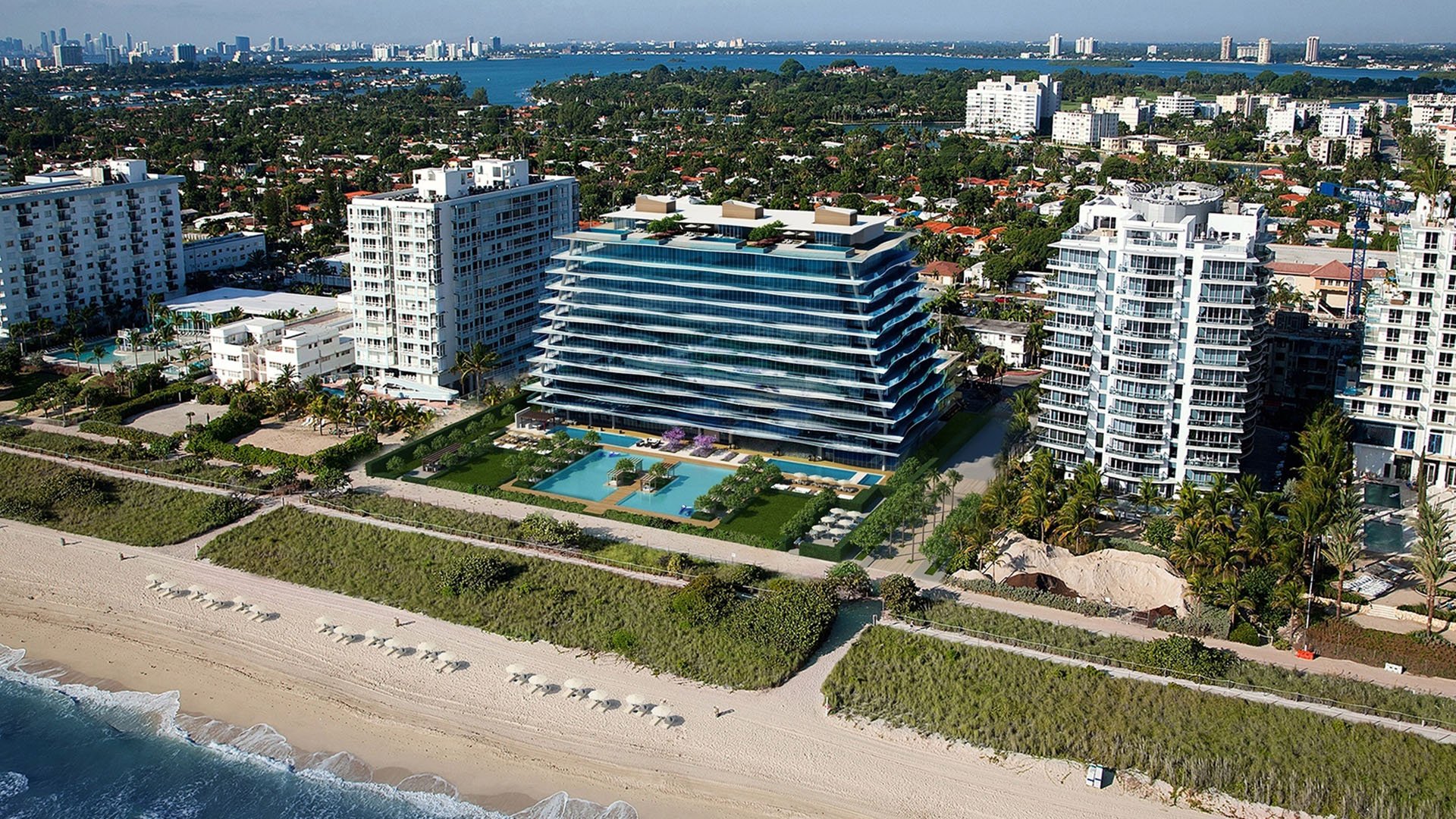
For a Zurich buyer, Surfside is not simply a warmer address. It is a different rhythm of ownership. The appeal rests in a rare combination: a quieter beachfront setting, proximity to Bal Harbour, village-like scale, and access to Miami’s cultural and commercial energy without having to live inside its most visible corridors.
That distinction matters. Buyers arriving from Switzerland often bring a refined sense of order, privacy, and long-term stewardship. The question is rarely whether a residence is impressive. The sharper question is whether it is calm enough, well governed enough, and elegantly serviced enough to become a true second home.
Surfside’s strongest Boutique residences are best evaluated through that lens. They are not judged by views or finishes alone. They are judged by how naturally they support daily life, from arrival and security to storage, wellness, beach access, guest flow, and the quality of silence once the door closes.
Boutique living is about proportion. A smaller residential environment can feel more personal, more discreet, and less transient than a large tower. For an international buyer, that may translate into a more intuitive arrival experience, more familiar staff interactions, and a clearer sense of who shares the building.
The tradeoff is that the buyer must look closely at the operating culture. A boutique property can be exceptional when its governance, maintenance standards, and service philosophy are aligned. It can also feel constrained if amenities are undersized for the lifestyle expected. The right building should feel composed, not limited.
This is why private touring matters. Marketing can present a residence beautifully, but only time inside the property reveals the cadence of elevators, the tone of the lobby, the flow from car to residence, and the way residents actually use shared spaces.
Surfside is prized because it does not need to announce itself loudly. Its luxury is more residential than theatrical. Buyers who gravitate here are often seeking proximity without exposure, beach without spectacle, and architecture that complements rather than overwhelms the shoreline.
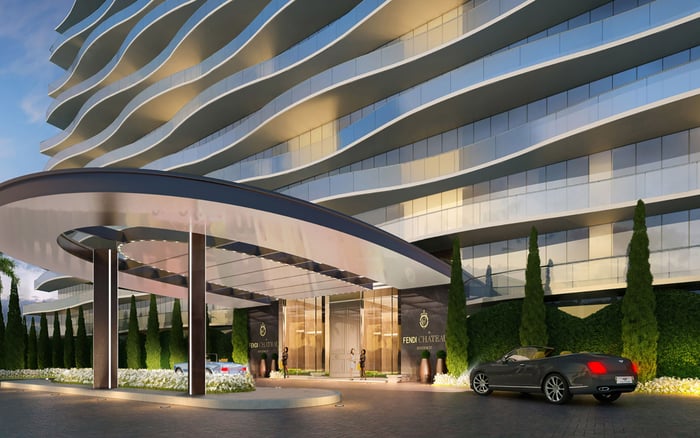
For those comparing options, projects such as Arte Surfside illustrate the appeal of a highly curated Surfside address, where the experience is defined as much by intimacy as by location. Nearby, Fendi Château Residences Surfside speaks to buyers who value design identity and a fashion-house sensibility in a coastal setting.
The larger point is not that one brand or building automatically suits every Zurich buyer. It is that Surfside offers several interpretations of discretion. Some residences lean toward collector-level design. Others emphasize beachfront ease, family use, or a softer residential character.
Oceanfront ownership in South Florida has a particular emotional pull. The light, the air, and the immediate access to the beach create a daily experience that inland addresses cannot reproduce. Yet for a discerning buyer, the ocean should not be the only argument.
A strong Oceanfront residence must also manage exposure intelligently. Consider window systems, terrace usability, sun orientation, privacy from neighboring buildings, elevator access, service entries, and the relationship between common areas and the shoreline. The most successful homes keep the ocean central without making the residence feel performative.
This is where Surfside’s quieter character can become compelling. A residence such as Ocean House Surfside may appeal to a buyer seeking the emotional clarity of the beach with the residential intimacy associated with a smaller coastal setting.
For a Zurich buyer, governance should be treated as part of the architecture. Review association structure, reserve philosophy, building rules, leasing policies, renovation controls, insurance approach, and the decision-making culture of the ownership community. These are not administrative footnotes. They shape the daily experience of ownership.
A boutique building can be especially sensitive to governance because each owner carries more influence. That can be a virtue when residents share similar expectations. It can become a challenge when priorities diverge. Before committing, understand how the building handles repairs, capital planning, staff retention, contractor access, and privacy protocols.
International buyers should also coordinate legal, tax, financing, and estate planning advice before finalizing a purchase structure. The residence may be emotional, but the ownership framework should be precise.
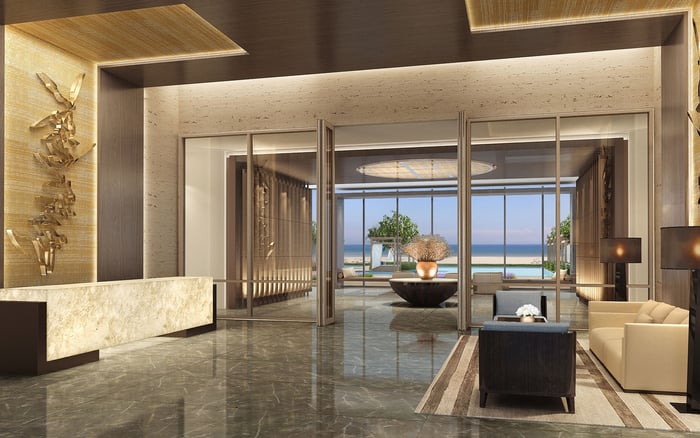
In the ultra-premium market, arrival is a form of luxury. The best buildings reduce friction at every threshold: valet, lobby, elevator, residence entry, guest access, deliveries, housekeeping, beach setup, and departures. For a transatlantic owner, this matters even more because visits may be concentrated and time is valuable.
Ask practical questions. Can the residence be opened before arrival? How are vendors supervised? Is there secure package handling? How are guests registered? Are staff trained to recognize residents without becoming intrusive? Is there a clear protocol for extended absences?
Projects such as The Delmore Surfside can be considered within this broader service conversation, particularly by buyers who want a modern coastal residence that feels private, polished, and intentionally scaled.
Surfside sits within a broader luxury map. To the south, Miami Beach offers more visible energy and a larger hospitality ecosystem. To the north, Bal Harbour is associated with a highly polished retail and residential environment. Across the water, Bay Harbor Islands offers a quieter, often more neighborhood-oriented alternative.
A Zurich buyer should resist choosing by name alone. The more useful comparison is lifestyle geometry. Where will you dine most often? How much beach time will you actually use? Will children or guests be part of the routine? Is walkability important, or is privacy the higher priority? Do you want a residence that feels like a resort, a private club, or a calm apartment by the sea?
Surfside often wins when the buyer wants balance. It can feel close to everything relevant while still preserving a sense of retreat.
Swiss buyers often appreciate materials, detailing, and restraint that age gracefully. In South Florida, that means looking beyond surface glamour. Marble, wood, millwork, lighting, hardware, appliances, acoustic performance, and climate control should all be assessed with the same seriousness as the view.
A good residence should feel effortless in both high season and quiet months. It should accommodate formal entertaining without sacrificing private comfort. It should be easy to close, easy to maintain, and easy to reopen. Storage matters. Staff circulation matters. Guest separation matters. So does the ability to work quietly, exercise privately, and enjoy the terrace without feeling observed.
The strongest design is not necessarily the loudest. It is the one that makes the owner feel immediately at ease.
Even when the purchase is lifestyle-led, resale discipline is essential. Boutique residences can perform well when scarcity, location, architecture, and building reputation align. But scarcity alone is not enough. The floor plan must be livable, the building must be cared for, and the ownership culture must remain desirable.
Buyers should think in terms of future audience. Who will want this residence next? A family from Europe? A domestic buyer seeking a second home? A downsizer who values service? A collector who wants design pedigree? The best purchase will have a clear identity that travels across buyer groups.
Do not over-index on one dramatic feature at the expense of fundamentals. A spectacular terrace cannot compensate for awkward circulation. A branded lobby cannot solve poor privacy. A beach address cannot replace strong governance.
Begin with non-negotiables. Define preferred scale, bedroom count, view orientation, service level, privacy expectations, pet needs, guest usage, and tolerance for building activity. Then separate emotional appeal from operational fit.
Tour at different times if possible. Study how the building feels in the morning, late afternoon, and evening. Listen for noise. Watch the lobby. Walk the surrounding area. Test the route to Bal Harbour, Miami Beach, and the airport. Imagine arriving after an overnight flight from Zurich and ask whether the residence will restore energy or consume it.
The right Surfside home should not require persuasion. It should feel precise, calm, and inevitable.
Is Surfside a good fit for Zurich-based buyers? Yes, particularly for buyers who value privacy, beach access, and a quieter residential scale near Miami’s luxury amenities.
What makes a residence Boutique rather than simply small? Boutique implies intentional scale, considered service, and a more personal ownership environment, not merely a lower unit count.
Should I prioritize Oceanfront views or building quality? Treat both as important, but do not let the view override governance, privacy, layout, and long-term maintenance standards.
How should I compare Surfside with Bal Harbour? Surfside often feels more residential and understated, while Bal Harbour is closely associated with polished luxury retail and established prestige.
Are branded residences always the best choice? Not automatically. The brand must be supported by design quality, service discipline, and a building culture that fits your lifestyle.
What should I review before making an offer? Review building rules, association health, reserves, insurance approach, leasing policies, renovation controls, and service standards.
Is a boutique building suitable as a Second-home? It can be ideal if the building manages security, maintenance access, staff coordination, and extended owner absences well.
How important is terrace usability in Surfside? Very important. Orientation, privacy, wind, shade, and furniture layout determine whether the terrace becomes part of daily life.
Can Surfside work for families? Yes, especially for families seeking beach access, a calmer setting, and proximity to surrounding Miami and Bal Harbour amenities.
What is the best first step for a Zurich buyer? Define lifestyle requirements first, then tour a curated shortlist that matches privacy, service, design, and ownership goals.
For a discreet conversation and a curated building-by-building shortlist, connect with MILLION.
If branded residences are on your mind — as a home or as an allocation — we would be glad to share what we are seeing, privately.
Begin a quiet conversation