A buyer-focused guide to evaluating South Florida residences where discreet arrival, service circulation, privacy, and household support matter as much as views and finishes.
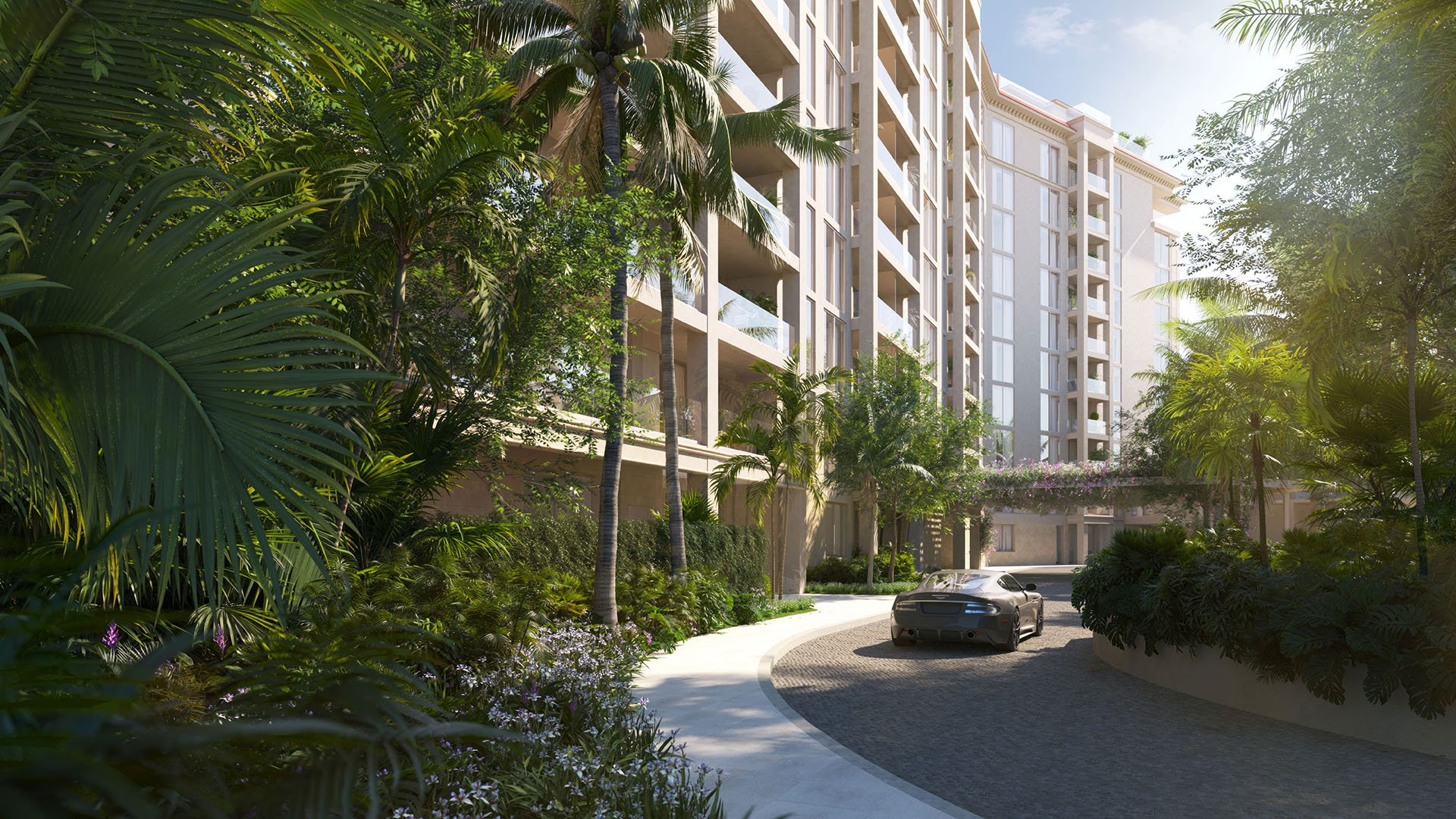
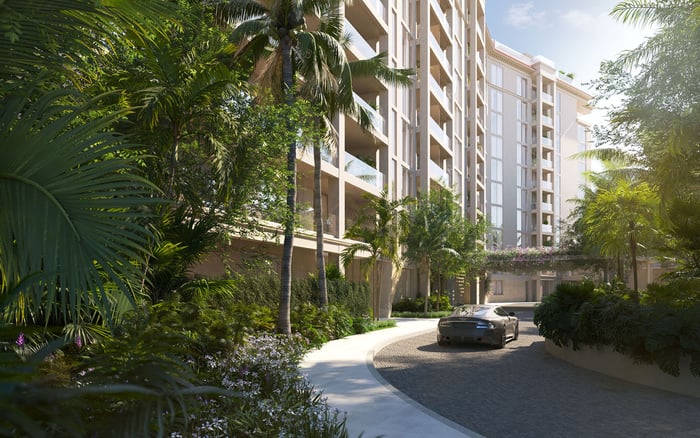
For the South Florida buyer who travels with security, hosts frequently, or maintains household staff, arrival is no longer a minor amenity. It is a sequence. The best residences do not simply receive a car at the curb; they choreograph the transfer from street to lobby, garage to elevator, service point to residence, and guest path to entertaining room with quiet precision.
In the ultra-premium market, this matters because privacy is operational. A successful residence allows owners, family members, guests, drivers, vendors, chefs, assistants, pet care, and maintenance teams to move without friction. It also reduces the awkward encounters that can make a beautiful home feel administratively exposed. Views, materials, and brand associations may create the first impression, but the arrival sequence determines how the residence lives.
For buyers comparing Brickell, Miami Beach, Coconut Grove, Sunny Isles, Surfside, and Fisher Island, the objective is not one universal answer. It is to match the property’s circulation logic to the way the household actually functions.
A staff-ready residence is not defined by extra space alone. It is defined by the relationship among private areas, service routes, elevators, deliveries, parking, and building operations. The plan should allow support to occur without repeatedly crossing the owner’s primary living experience.
At a minimum, buyers should look for a clear arrival hierarchy. Owners may need a protected garage-to-residence path. Guests may need a polished reception experience. Staff and vendors may require a separate rhythm for loading, access, and vertical movement. In larger residences, a secondary entry, service corridor, staff room, prep kitchen, laundry planning, or concealed storage can prove more valuable than another decorative flourish.
The discreet sequence should continue inside the home. A residence can feel expansive yet function poorly if groceries must pass through formal entertaining spaces, catering has no staging point, or housekeepers must cross a primary suite to reach storage. True discretion is not theatrical. It is logistical elegance.
Brickell appeals to buyers who want proximity to dining, offices, private clubs, and downtown cultural access while retaining a high level of residential polish. In this environment, staff-readiness often depends on how the building handles the transition from an urban street condition to a controlled private setting.
Buyers considering St. Regis® Residences Brickell, for example, should evaluate the separation between public-facing arrival moments and resident-only circulation. The key questions are practical: how many touchpoints an owner passes before reaching the home, where deliveries occur, how drivers are staged, and whether service access is managed without disturbing guests.
Brickell can work exceptionally well for households that value speed, access, and a vertical lifestyle, but it requires disciplined due diligence. A discreet arrival in an urban core must overcome density. The strongest residences make that density feel distant the moment the owner leaves the car.
On Miami Beach and in neighboring Surfside, buyers often seek a softer arrival, one that feels more resort-residential than corporate. Here, discretion is less about hiding from the city and more about filtering the beach, hospitality, visitors, and household support into distinct channels.
A buyer comparing The Ritz-Carlton Residences® Miami Beach with nearby boutique or oceanfront options should think beyond the lobby photograph. Does the property allow informal family arrivals to feel private during high season? Can staff handle errands, deliveries, and service appointments without turning the residence into a lobby extension? Is there a graceful path for dinner guests, separate from the working rhythm of the household?
Surfside brings its own appeal for buyers who value a quieter profile. The Delmore Surfside belongs in that broader conversation because Surfside often attracts owners who prefer intimacy, architectural restraint, and a less performative version of waterfront living. The same standard applies: the better the arrival sequence, the less the owner has to think about it.
Coconut Grove is particularly compelling for buyers who want privacy without giving up Miami access. Its residential character favors a more composed daily cadence, especially for households moving between family life, entertaining, school calendars, boating, wellness, and staff support.
At Four Seasons Residences Coconut Grove, buyers may use the brand and neighborhood context as a starting point, then focus on the deeper operational questions. How does the building receive residents after a late flight? How are vendors registered? Where does a chef arrive on a dinner-party day? Can a driver wait without creating visual clutter or social exposure?
The Grove buyer often values understatement. In that setting, the best staff-ready residence feels less like a production and more like a private house elevated into a managed environment. The arrival should be warm, secure, and nearly invisible in its competence.
Sunny Isles is known for a more vertical, oceanfront expression of luxury, where privacy must be reconciled with tower living, beach access, and frequent guest arrivals. For buyers reviewing Bentley Residences Sunny Isles, the relevant lens is how the residence supports movement with minimal exposure. The question is not only how dramatic the arrival feels, but how efficiently it separates owner, guest, and service flows.
Fisher Island presents a different proposition because the entire environment is shaped around controlled access and residential exclusivity. For buyers considering The Residences at Six Fisher Island, the evaluation should extend from island arrival to building entry to in-residence service planning. A highly private setting still needs excellent internal choreography. Without it, even a secluded address can feel operationally busy.
The best candidates in both markets serve buyers who want a stronger perimeter of control. Yet control alone is not enough. The residence must also support daily ease, because staff-readiness is ultimately measured over years of routines, not during one impressive showing.
A serious buyer should walk the property as if the household were already operating. Arrive by car. Ask how a driver enters and exits. Trace the path for a housekeeper, a florist, a private chef, a dog walker, and a last-minute guest. Note whether the building’s public areas force unnecessary visibility.
Inside the residence, test the plan against real life. Where do packages go before they are unpacked? Can catering be staged away from the main entertaining room? Are laundry, linen, and storage zones logically placed? Is there an area where staff can work, pause, or coordinate without feeling improvised?
Governance and culture matter as much as architecture. Some buildings may be physically capable of supporting a staffed household, but the operating protocols determine whether that support feels elegant. Buyers should understand access rules, elevator procedures, delivery timing, vendor registration, valet coordination, and privacy expectations before making a final decision.
For this buyer, the “best” South Florida residence is not necessarily the most publicized address or the most dramatic penthouse. It is the home that removes friction from movement. It allows the owner to arrive privately, host gracefully, and receive support without surrendering calm.
Discreet arrival is a design language, but it is also a lifestyle safeguard. When it is done well, staff can support the household without becoming part of the social scene. Guests feel welcomed without glimpsing the machinery behind the evening. Owners move from car to sanctuary without unnecessary contact, confusion, or delay.
That is the quiet standard that separates a beautiful residence from a truly livable estate-caliber home in the sky, on the water, or behind a more private threshold.
What makes a residence staff-ready? It should support household help, deliveries, vendors, and private service without forcing those movements through the owner’s main living or entertaining spaces.
Is a private elevator enough for discreet arrival? No. A private elevator can help, but the full sequence includes parking, lobby exposure, service access, delivery handling, and in-residence circulation.
Why does arrival matter so much in South Florida? Many luxury owners travel frequently, host seasonally, and rely on household support, making controlled movement an essential part of daily comfort.
Should buyers prioritize a branded residence? A brand can indicate a certain hospitality mindset, but buyers should still test the floor plan, building operations, and staff protocols carefully.
What should a chef or caterer need in a residence? The home should offer logical prep, storage, delivery, and staging paths that do not interrupt formal rooms or guest arrival.
Are oceanfront towers harder to evaluate? They can be, because beach access, guest traffic, valet flow, and service circulation all need to be balanced with privacy.
Can a smaller boutique building be staff-ready? Yes, if its access, elevator, loading, and residence layouts are thoughtfully organized for household support.
What is the biggest mistake buyers make? They admire finishes before testing how people, packages, staff, and guests actually move through the property.
How should a buyer compare neighborhoods? Brickell favors urban access, Miami Beach and Surfside emphasize resort privacy, Coconut Grove offers a lower-profile rhythm, and Fisher Island prioritizes controlled entry.
What is the best way to shortlist comparable options for touring? Start with location fit, delivery status, and daily lifestyle priorities, then compare stacks and elevations to validate views and privacy.
If you'd like a private walkthrough and a curated shortlist, connect with MILLION.
If branded residences are on your mind — as a home or as an allocation — we would be glad to share what we are seeing, privately.
Begin a quiet conversation