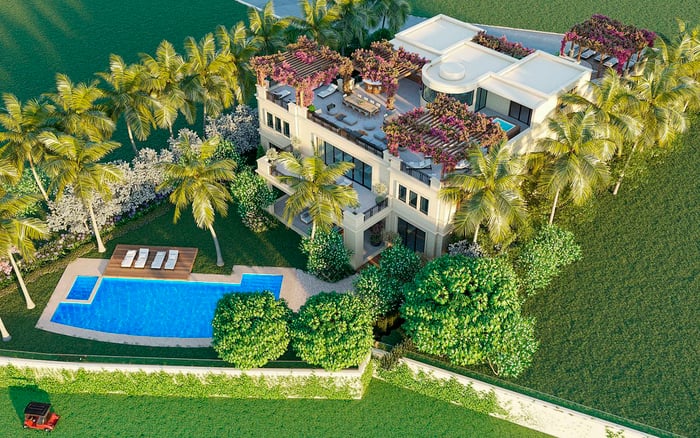
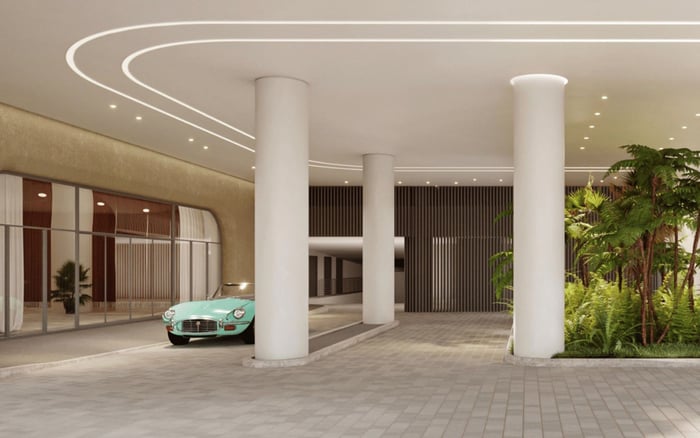
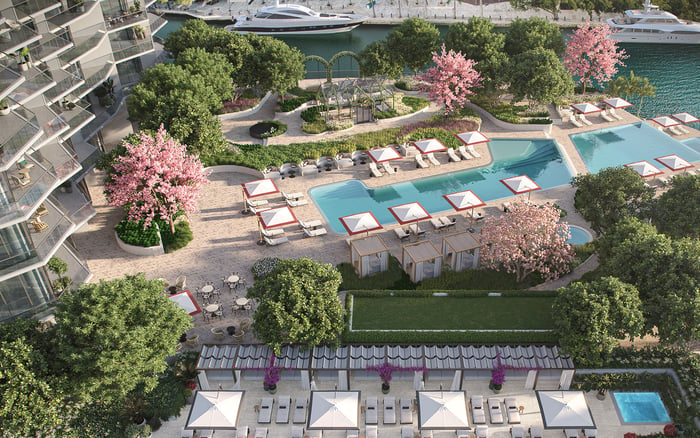
Five Park Miami Beach stands out for buyers weighing storm-day livability because its appeal combines height, new-construction status, gateway siting, indoor amenities, and due-diligence points that matter before tropical weather arrives.
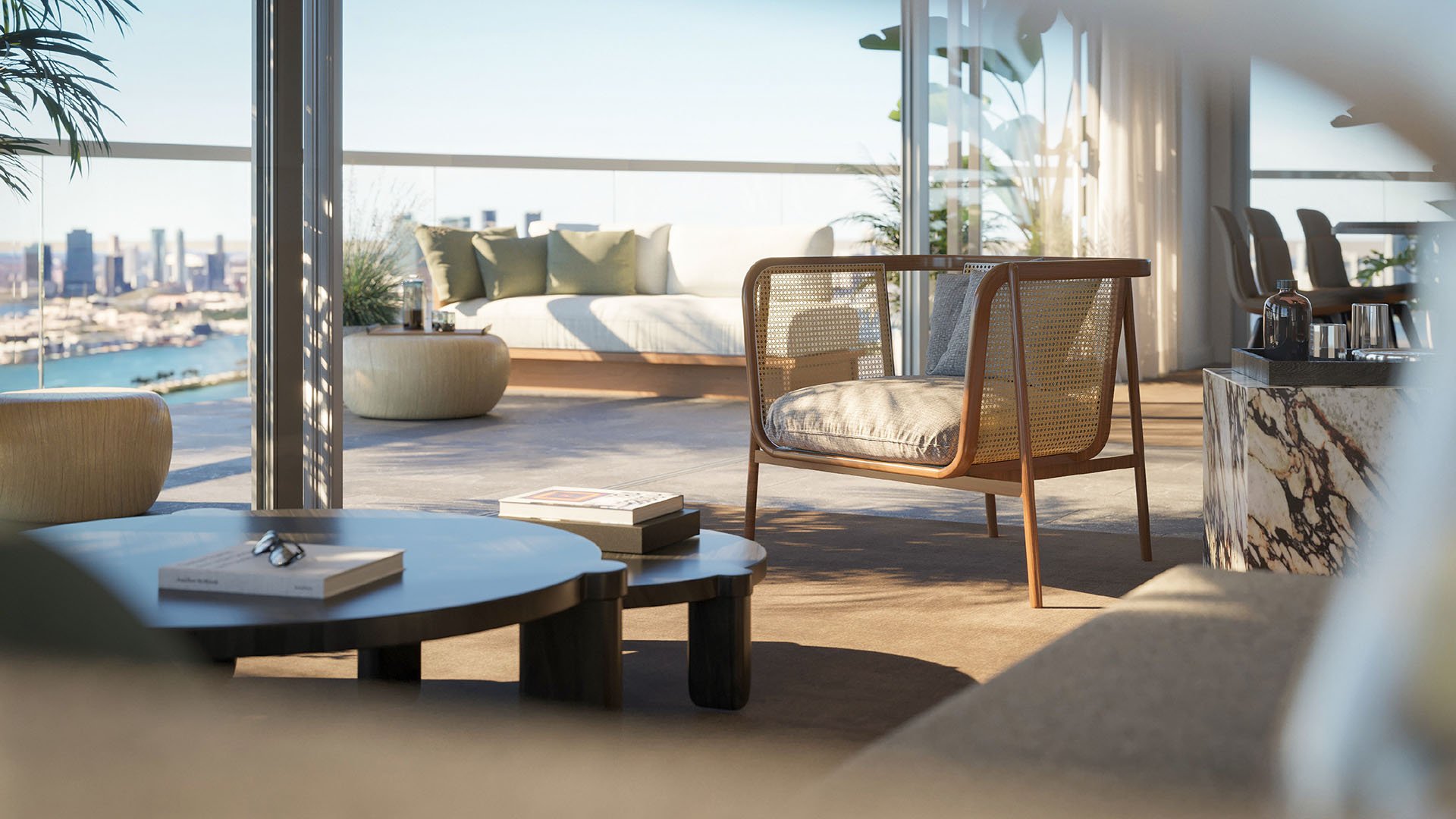
In South Florida’s highest tier of condominium buying, the conversation has moved beyond finishes, views, and beach proximity. Those elements still matter, but a more sophisticated buyer is now asking a quieter, more consequential question: how does the residence live when the weather turns difficult?
That is where Five Park Miami Beach earns attention. The tower stands as a new-generation luxury residential address for buyers who want both lifestyle and a more considered storm-day living platform. Its appeal is not that it can remove coastal risk. No Miami Beach high-rise can do that. Its case is more measured: height, modern construction, advanced glazing, mechanical systems, amenity depth, and a service-minded environment can make sheltering in place feel less compromised.
For a buyer who plans to remain in Miami Beach before a tropical event, or return soon after one, that distinction is meaningful. Storm-day livability is not a marketing flourish. It is the practical intersection of comfort, access, vertical separation, building operations, and emotional calm.
Five Park is Miami Beach’s tallest residential tower, giving vertical separation from grade a central role in its appeal. In coastal real estate, elevation is not merely about view corridors. It can also influence how buyers perceive exposure, light, privacy, and psychological comfort when ground-level conditions are unsettled.
The project also differs from much older Miami Beach inventory because it is a new-build tower rather than a legacy mid-rise or older waterfront building. That matters because many older buildings were planned around earlier assumptions for glazing, emergency systems, electrical-room placement, acoustics, and mechanical operations. New construction does not automatically mean risk-free, but it can provide a more contemporary baseline for due diligence.
The buyer shorthand is simple: Five Park Miami Beach sits squarely inside a South of Fifth, new-construction, high-floor, water-view conversation, with pool and amenity access becoming part of the comfort equation when outdoor life is interrupted. The key is to separate visible luxury from invisible infrastructure luxury. The latter includes resilience, redundancy, acoustics, thermal comfort, and operational readiness, all of which are increasingly central to how sophisticated buyers judge value.
Location is usually discussed in terms of restaurants, beaches, clubs, and schools. For storm-day livability, it also becomes a question of movement. Five Park is positioned at the Fifth Street gateway into Miami Beach, a setting that supports quick access between Miami Beach and the mainland. For owners who may need to depart before a storm or return after conditions stabilize, that gateway logic is part of the property’s practical appeal.
The tower is also adjacent to the new Canopy Park, adding a public-realm and open-space component to the setting. In normal conditions, that enhances the daily experience around the building. In a broader planning sense, it contributes to the perception that Five Park is not an isolated object, but part of a redesigned arrival sequence into Miami Beach.
The project’s pedestrian bridge connection to South of Fifth also sharpens its walkability story from a gateway location. Buyers comparing it with established South Beach benchmarks such as Continuum on South Beach and Apogee South Beach will likely weigh not only prestige, but also how a building and its surroundings function when everyday coastal routines are temporarily suspended.
In Miami Beach, much of luxury life happens outside: terraces, beaches, pools, promenades, and waterfront dining. During severe weather, those assets can become unavailable. That is why Five Park’s indoor amenity program is relevant to a storm-focused buyer. The value is not simply recreation. It is the ability to maintain a sense of choice, space, and routine when outdoor access is restricted.
This is also psychological. Elevated views, a modern envelope, quieter interiors, and well-programmed indoor spaces can make sheltering in place feel less constrained. A residence that feels graceful only in perfect weather is a different proposition from one that can remain composed when conditions are less ideal.
That distinction is increasingly visible across the luxury Miami Beach conversation, including buyers considering The Perigon Miami Beach or ocean-oriented residences such as 57 Ocean Miami Beach. Each buyer will have a different tolerance for beachfront exposure, vertical living, amenity emphasis, and return-after-storm logistics. The important point is that the question has matured. The finest address is not only the one that photographs beautifully in sunshine, but the one whose livability can be defended in less photogenic conditions.
A disciplined buyer should not treat any resilience narrative as self-proving. Five Park belongs on the shortlist because its height, siting, amenities, and new-construction status create a compelling modern platform. Still, the final decision should be grounded in documents, engineering disclosures, insurance materials, condo governance, and permitting records.
The most important questions are practical. What is the scope of backup power, and which building systems are supported? How are elevators handled during and after severe weather? What are the flood elevations for critical infrastructure? What are the window and door ratings? Where are key electrical and mechanical systems located? What are the post-storm protocols for staff, access, inspections, communications, and resident reentry?
These are not unglamorous questions. In the current luxury market, they are the essence of sophistication. The buyer who understands them is not being fearful. They are protecting lifestyle continuity, asset value, and peace of mind.
Five Park’s strength is the way its individual attributes work together. Height alone would not be enough. A gateway location alone would not be enough. Amenities alone would not be enough. The case becomes persuasive because the tower combines vertical separation, modern construction, a Fifth Street gateway address, adjacency to Canopy Park, a pedestrian connection to South of Fifth, and an amenity environment that can matter precisely when outdoor life pauses.
For high-net-worth buyers who use Miami Beach seasonally, year-round, or as part of a multi-home portfolio, the ideal residence must be enjoyable on blue-sky days and rational on storm days. Five Park does not eliminate coastal vulnerability, and buyers should reject any suggestion that a building can be hurricane-proof. What it offers is a contemporary framework for storm-day habitability, one that may be more aligned with current expectations than older buildings designed for another era.
That is why it belongs on the shortlist: not as a promise against nature, but as a more modern answer to how luxury should feel when the forecast changes.
Is Five Park Miami Beach hurricane-proof? No. No coastal high-rise can eliminate severe hurricane, storm surge, power outage, or infrastructure-interruption risks.
Why is height relevant to storm-day livability? Height can provide vertical separation from grade and a different sense of comfort, light, and visibility during unsettled conditions.
Does new construction automatically mean better resilience? Not automatically. It can offer a more modern platform, but buyers should verify systems, ratings, elevations, and operating protocols.
Why does the Fifth Street gateway matter? The gateway position supports movement between Miami Beach and the mainland, which can be relevant before and after tropical weather.
What role does Canopy Park play in the appeal? Canopy Park adds a public-realm and open-space component to the setting, strengthening the project’s broader lifestyle context.
Why are indoor amenities important during storms? Outdoor terraces, pools, and beach access may be unavailable, making interior amenity depth more valuable for comfort and routine.
What should buyers ask about backup power? They should confirm which systems are supported, how long support is intended to last, and how elevators are handled.
Should window and door ratings be reviewed? Yes. Buyers should review the applicable ratings and confirm how the building envelope is documented.
Is Five Park mainly for full-time residents? It may appeal to full-time, seasonal, and multi-home buyers who want to remain in or return quickly to Miami Beach.
How should buyers compare Five Park with older Miami Beach buildings? They should compare construction era, system design, flood elevation, glazing, emergency planning, and resident-service protocols.
If you'd like a private walkthrough and a curated shortlist, connect with MILLION.
If branded residences are on your mind — as a home or as an allocation — we would be glad to share what we are seeing, privately.
Begin a quiet conversation