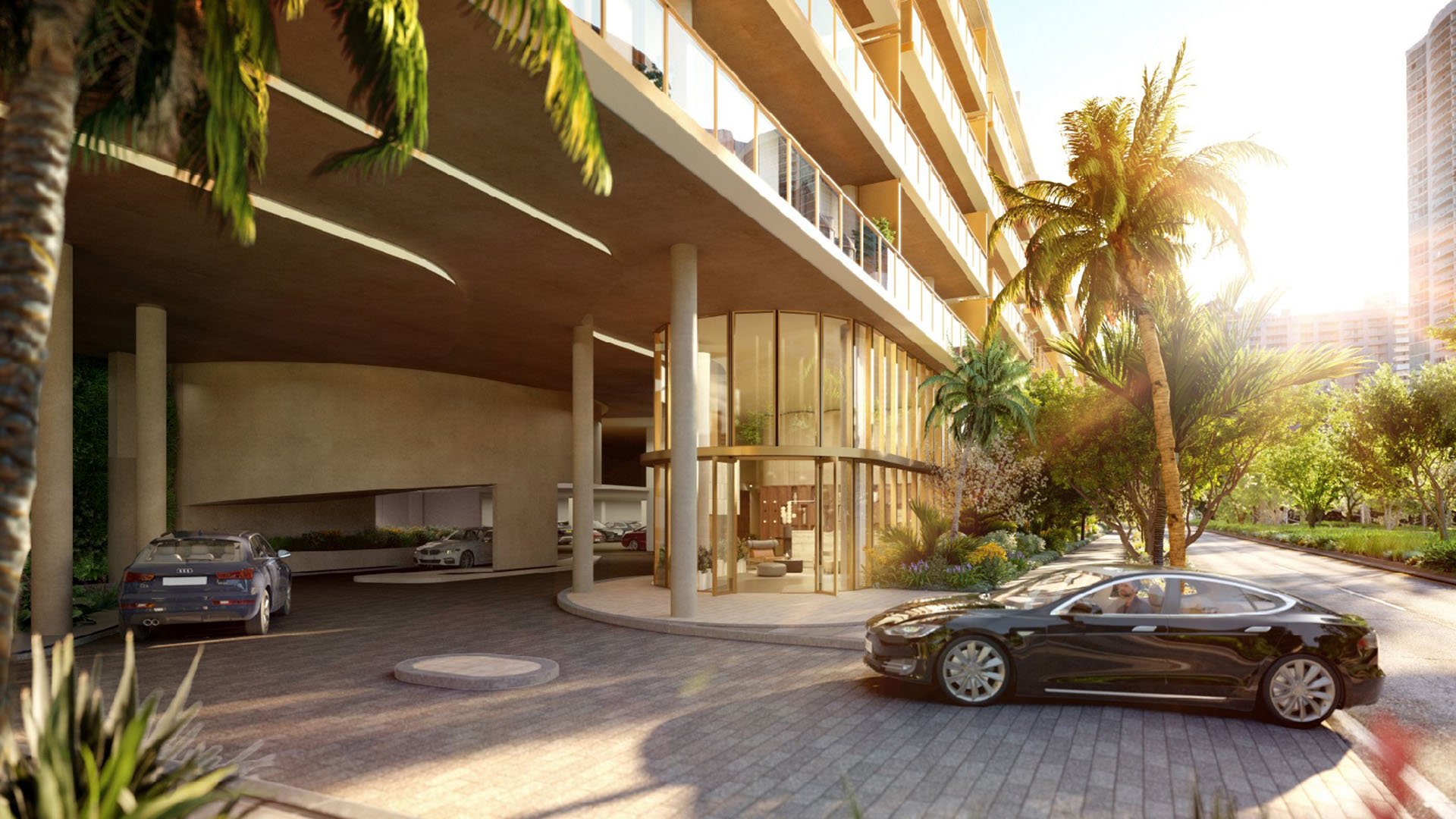
Comparing the Exclusivity of Speakeasy Lounges: The Perigon Miami Beach vs. Cipriani Residences Brickell
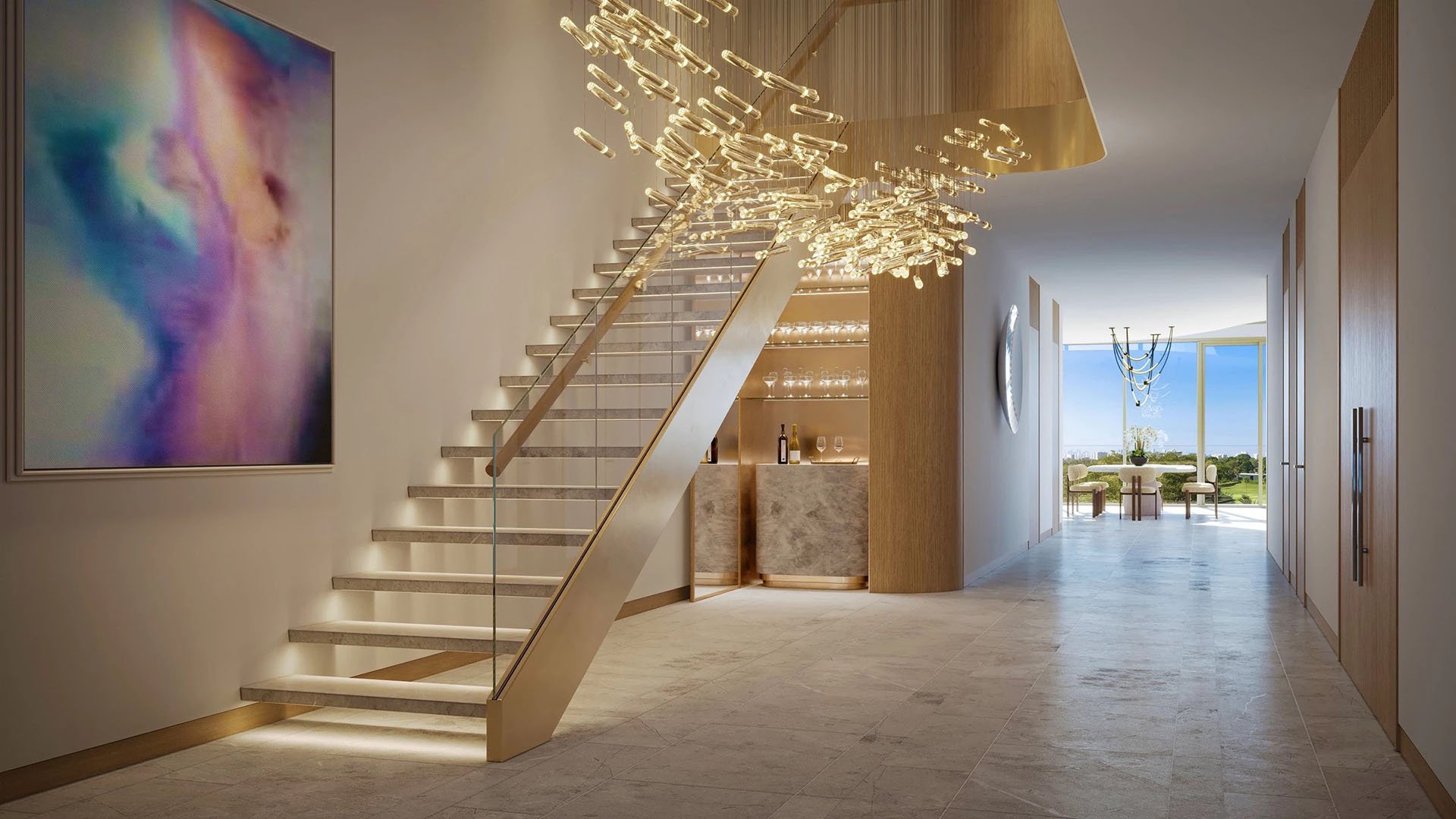
A buyer-oriented comparison of how “speakeasy” style lounges function as privacy infrastructure at two high-profile South Florida addresses, and what that means for daily life, entertaining, and resale.

The Strategy of Purchasing Adjacent Units for Combination at Miami Tropic Residences
Combining adjacent condos can deliver the scale, privacy, and custom planning many ultra-luxury buyers want, but the real edge comes from sequencing: securing the right stack, aligning rules, and underwriting the exit. Here is a buyer-oriented framework for pursuing a two-unit (or more) combination at Miami Tropic Residences with discretion and discipline.

Comparing 2026 Pre-Construction Deposit Milestones: Solana Bay vs. One Park Tower by Turnberry North Miami
For luxury buyers weighing North Miami’s newest pre-construction opportunities, deposit milestones are not a footnote. They are the architecture of your risk, your liquidity, and your optionality. This editorial frames how to compare 2026-era deposit schedules between Solana Bay and One Park Tower by Turnberry in a way that prioritizes capital planning, contract discipline, and exit strategy, without assuming identical terms or offering specifics that are not publicly standardized.

The Culinary Residences: Developments Partnering with Michelin-Starred Chefs
In South Florida’s top tier, food is no longer an amenity. It is a signature, curated like art, staged like hospitality, and engineered into the daily rhythm of living well. Developers have learned that the most persuasive luxury today is not only a view or a floorplan, but a lifestyle that feels effortless from morning espresso to a late dinner that never requires a car ride. Culinary partnerships, including collaborations associated with Michelin-starred chefs, sit at the center of that shift. When done well, they create more than a branded restaurant. They influence service standards, private dining options, in-residence catering, and even the design of kitchens, lounges, and entertaining spaces. For buyers, the question is not whether a building has a celebrity name attached. It is whether the culinary program is integrated, consistent, and aligned with how you actually live in South Florida.

Defining the New South Florida Standard: Architectural Feats at Pagani Residences
Pagani Residences enters the conversation as more than a branded tower concept. It signals a maturing South Florida buyer, one who evaluates buildings the way collectors evaluate objects: by authorship, proportion, craft, and the discipline behind the experience. With limited public specifics provided here, this MILLION Luxury editorial focuses on what sophisticated purchasers can actually measure today: how architecture performs in the waterfront climate, how a building’s design language ages, and how amenity planning and arrival sequences translate into daily life and resale strength. In that frame, Pagani Residences becomes a lens for the region’s new standard: quieter confidence, higher material expectations, and a preference for design that reads as timeless rather than trendy.

The Bay Harbor Islands Revival: Kobi Karp Architecture Redefining the Grid
Bay Harbor Islands has long been defined by a calm, rational grid: short blocks, water views that arrive in glimpses, and a scale that historically favored privacy over spectacle. Today, that same grid is being reinterpreted through contemporary architecture that treats constraints as a design brief, not a limitation. Within this context, Kobi Karp Architecture has become shorthand for a particular South Florida sensibility: disciplined massing, clean lines, and a resort-grade approach to arrival, amenity, and indoor-outdoor living. For luxury buyers, the conversation is less about reinvention for its own sake and more about what the next chapter of Bay-harbor can deliver. How does a new building sit among established streets? Can it elevate daily life without overwhelming the neighborhood? And in a market where Bal-harbour and Miami-beach remain immediate neighbors, what does “quiet luxury” look like when expressed in concrete, glass, stone, and shade? This is the revival: a move from purely utilitarian waterfront living toward a curated residential experience, one that respects the grid while upgrading everything that happens inside it.