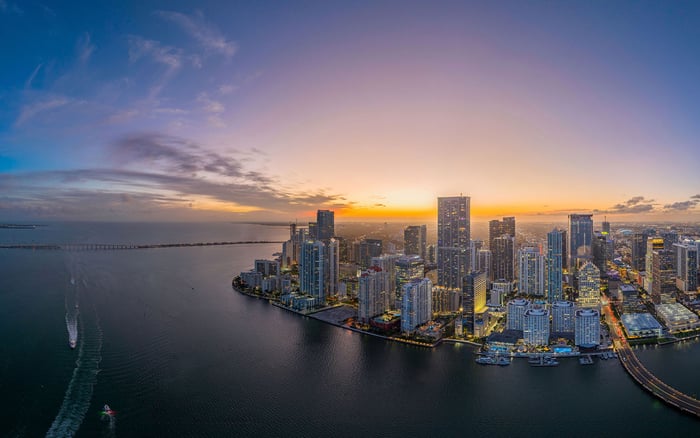
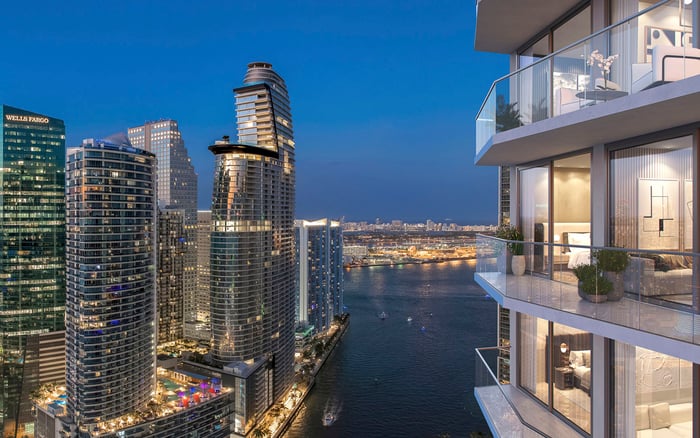
For luxury buyers weighing North Miami’s newest pre-construction opportunities, deposit milestones are not a footnote. They are the architecture of your risk, your liquidity, and your optionality. This editorial frames how to compare 2026-era deposit schedules between Solana Bay and One Park Tower by Turnberry in a way that prioritizes capital planning, contract discipline, and exit strategy, without assuming identical terms or offering specifics that are not publicly standardized.
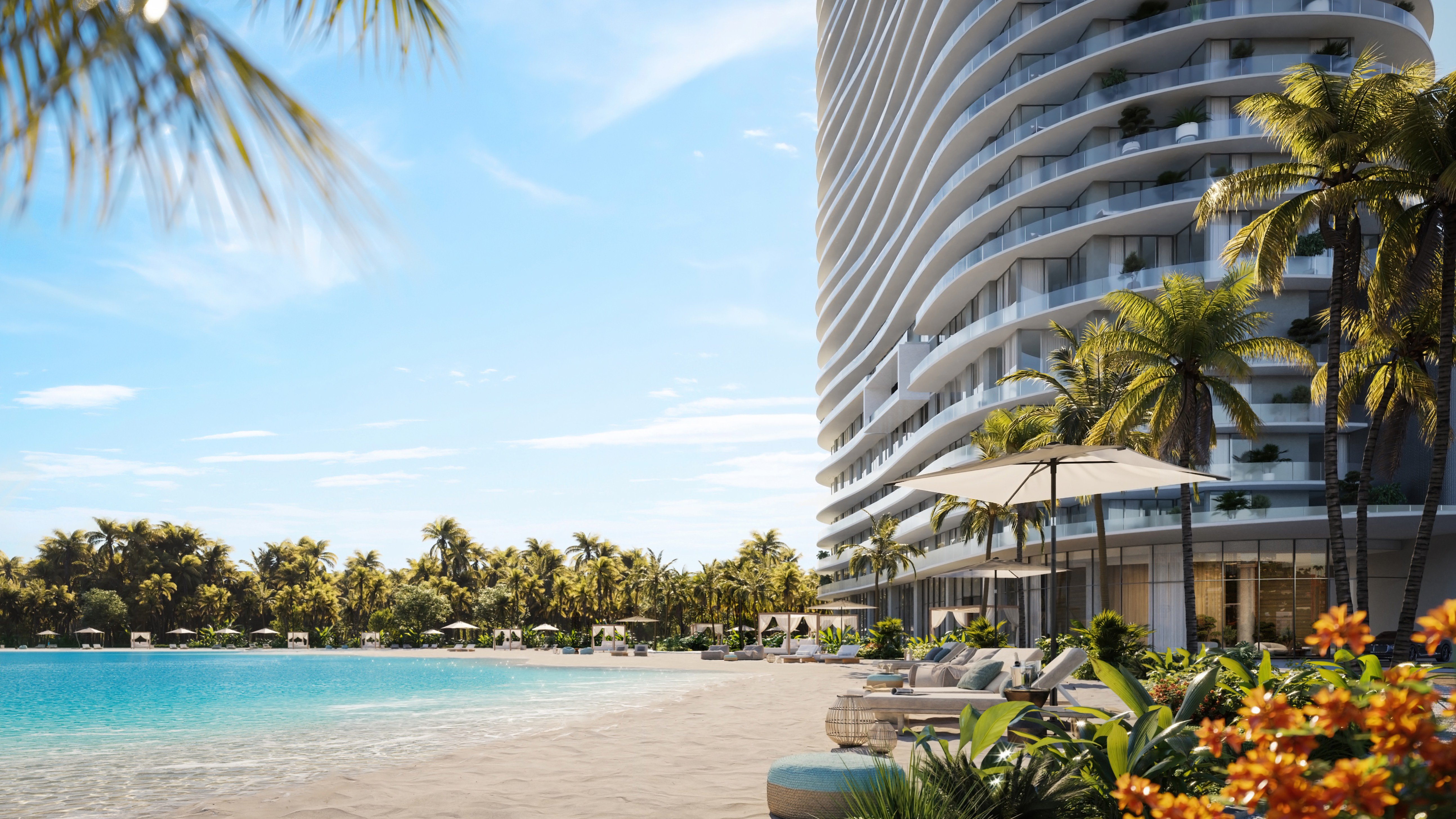
In ultra-premium pre-construction, the most consequential design choice is often invisible: the deposit schedule. It determines how quickly your equity shifts from liquid to committed, how much runway you have to align financing, and how resilient your plan remains if timelines change.
With 2026 approaching, buyers comparing Solana Bay North Miami and One Park Tower by Turnberry North Miami are effectively choosing between two distinct capital journeys. Even within the same zip code, deposit milestones can create materially different lived experiences-from how you manage liquidity to how confidently you can pursue a second opportunity.
This is not a hunt for a “better” number. It is a mechanics-first comparison: what triggers each payment, what happens if delivery moves, and how deposits integrate with your broader strategy in North-miami-beach and adjacent neighborhoods.
Because deposit schedules vary by project, residence type, and point in the sales cycle, the most useful comparison is structural. Evaluate in three layers.
1) Velocity of commitment.
How quickly does the schedule move you to a meaningful share of the purchase price? Faster pacing can reflect a preference for earlier certainty. That may reduce later friction, but it also demands more upfront liquidity.
2) Trigger clarity.
Are future deposits tied to objective construction milestones (for example, “groundbreaking” or “top-off”) or to calendar dates? Milestone-based triggers can feel more intuitive, but they require careful review of definitions, notice requirements, and what qualifies as “achieved.”
3) Optionality under delay.
Most pre-construction contracts contemplate schedule movement. The critical question is how delay affects deposit timing, buyer remedies, and your ability to keep capital productive elsewhere.
A disciplined buyer applies this framework to Solana Bay and One Park Tower by Turnberry first, then stress-tests the actual schedule presented in the contract package.
When a deposit schedule arrives, don’t stop at the headline “total deposit before closing.” Translate each milestone into operational impact.
Contract execution (reservation to signed contract).
This is when intent becomes enforceable. For many luxury buyers, the key variable is not only the initial amount, but the time allowed for diligence: condominium documents, the proposed budget, and the full set of disclosures. A shorter runway compresses coordination with counsel and tax advisors.
Early construction milestones (groundbreaking and foundation phases).
If deposits step up early, you are underwriting the project sooner. That can suit end-users focused on securing a specific stack or view corridor. It is less comfortable for buyers who prefer to preserve optionality until construction certainty is visually undeniable.
Vertical construction (structure rising, top-off).
A top-off trigger often marks a psychological shift: the building becomes tangible in a way a site plan is not. Schedules that defer meaningful increases until later vertical progress can preserve liquidity, though they may also coincide with more competitive demand for the best residences.
Pre-closing (substantial completion, closing notice, closing).
The final stretch is when financing readiness stops being a future plan and becomes a timed requirement. A back-loaded schedule can be attractive, but it can also concentrate preparation-appraisal expectations, lender conditions, entity documentation, and wire logistics.
To keep perspective, compare both projects as if you are managing a portfolio, not just buying a home. If you are also tracking opportunities in Edgewater or Miami Beach, you may already be balancing deposits across multiple contracts, such as Aria Reserve Miami or Five Park Miami Beach, where milestone pacing can influence when you’re comfortable taking on another commitment.
Even in ultra-luxury, negotiation is usually less about rewriting the entire schedule and more about tightening the terms that reduce risk and friction.
Notice mechanics and cure periods.
How will you be notified that a milestone has been met and a deposit is due? Where must notice be delivered, and when is it deemed received? Precision here helps prevent avoidable defaults.
Definitions of milestones.
If a payment is due at “groundbreaking,” verify how the contract defines it. Is it a ceremonial event, a permit issuance, the start of excavation, or something else? Treat each defined term like a financial-instrument trigger.
Assignment and exit flexibility.
If your plan includes a potential future assignment, confirm what the contract permits, whether approval is required, and what fees apply. Deposit pacing becomes a strategy lever when exits can be managed responsibly.
Financing language.
Many luxury buyers close with cash, but “cash buyer” often means “cash unless the credit market offers a superior structure.” Schedules that compress timelines can limit your ability to optimize financing later.
For context, Turnberry-branded buyers sometimes compare the rhythm of North Miami commitments with coastal alternatives like Turnberry Ocean Club Sunny Isles, where lifestyle intent may be similar while capital pacing can feel different depending on cycle timing.
High-net-worth households rarely feel deposit pressure because the numbers are impossible. Pressure comes from timing-especially when multiple assets demand attention simultaneously: a renovation, a second home, a business liquidity event, or another pre-construction commitment.
To compare Solana Bay and One Park Tower by Turnberry pragmatically, build a simple liquidity calendar:
Expected deposit dates or milestone windows (and what you will do if the window shifts).
Buffer for accelerated notices.
Parallel obligations such as tax payments, tuition, or other acquisition closings.
Contingency plan for wiring and signatory logistics if you will be traveling.
If you hold-or are considering-a Brickell residence like 2200 Brickell, the calendar approach becomes non-negotiable. Brickell acquisitions can overlap with North Miami milestones, and the combined deposit cadence is what determines true comfort.
Without assuming any specific published milestone percentages, you can still make an intelligent buyer-type comparison.
End-user certainty.
If your objective is a primary residence, school alignment, or a precise move-in window, you may accept a faster deposit pace to secure a preferred residence early. Your risk tolerance is often higher because the utility is lifestyle, not purely financial optionality.
Second-home flexibility.
If this is a second home, you may favor a schedule that preserves optionality. You are more likely to compare across neighborhoods, including Miami-beach and Bal-harbour adjacencies, and keep capital available until the building is substantially de-risked.
Investor optionality.
If you are underwriting resale or future rental flexibility, you typically want milestone triggers that allow reassessment as construction progresses. In that case, assignment and transfer language can matter as much as the timeline.
Solana Bay North Miami and One Park Tower by Turnberry North Miami can both be compelling. The point is to match deposit cadence to intent-not to treat all pre-construction deposits as interchangeable.
Pre-construction diligence is not a vibe. It is paperwork, definitions, and discipline.
Understand projected operations and the owner cost profile.
Confirm where deposits are held and the conditions for release.
Review what the developer can change, what is “substantially similar,” and your remedies.
Understand how delays are handled and what notice you receive.
Plan entity structure, signatories, and bank wiring protocols well in advance.
This is also the moment to decide what you will not compromise on. In luxury transactions, clarity is leverage.
In 2026-era pre-construction, sophisticated buyers in North-miami-beach don’t ask, “What is the total deposit?” They ask, “What is the sequence of commitments-and does it match my life and my balance sheet?”
Compare Solana Bay and One Park Tower by Turnberry as two different calendars of risk and opportunity. Then choose the milestone rhythm you can honor without sacrificing optionality elsewhere.
What is a pre-construction deposit milestone? It is a scheduled payment tied to contract signing, time, or a construction trigger.
Are deposit schedules the same for every unit in a building? Not always; they can vary by residence type, price point, or sales phase.
Is a milestone-based schedule safer than a date-based schedule? Not inherently; it depends on how milestones are defined and noticed in writing.
Can deposit timing affect financing options later? Yes; compressed milestones can reduce your time to optimize lending and approvals.
Do higher early deposits always mean higher risk? Not always; they primarily increase liquidity commitment earlier, which may or may not fit you.
What should I review first in the contract package? Start with deposit triggers, notice provisions, change rights, and closing timeline language.
Can I negotiate deposit milestones in luxury pre-construction? Sometimes; more often, you can refine terms around triggers, notice, and flexibility.
How do I plan deposits if I own multiple properties? Build a deposit calendar and align it with other known obligations and closings.
What is the biggest surprise buyers face with milestones? The operational friction of short notice periods for large wires and documentation.
Should I choose a project based only on the deposit schedule? No; use it as a risk and liquidity lens alongside location, design, and long-term fit.
When you're ready to tour or underwrite the options, connect with MILLION Luxury.
If branded residences are on your mind — as a home or as an allocation — we would be glad to share what we are seeing, privately.
Begin a quiet conversation