A buyer-oriented framework for comparing Palm Beach and Coral Gables neighborhood rhythm with the serviced efficiency of new South Florida condominium districts.
The strongest way to compare old-money neighborhood rhythm with new-construction convenience in South Florida is to start with daily life. A Palm Beach estate, a Coral Gables residence, and a Brickell condominium may all belong in the same luxury conversation, but they ask very different things of an owner. One offers privacy, land, architectural memory, and a slower civic tempo. The other offers service, access, building systems, and low-friction living.
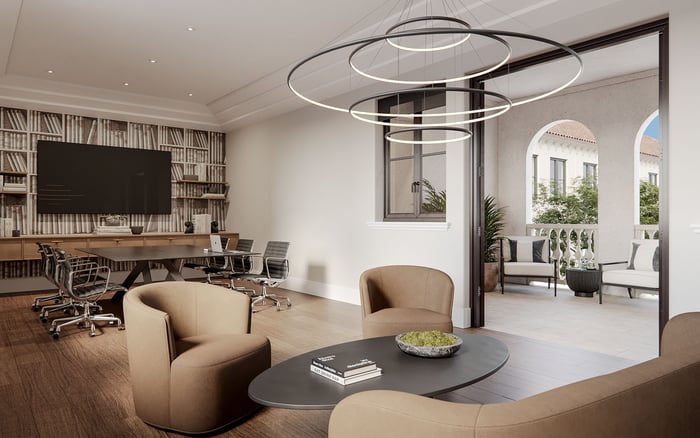
That distinction matters because price alone can flatten the decision. Old-money neighborhoods are not simply older housing stock. They are places where scarcity, lot quality, mature landscaping, established institutions, and architectural character carry much of the value. New-construction towers, by contrast, are often designed around convenience: concierge teams, valet, pools, wellness spaces, lounges, package handling, shared work areas, and resident platforms that allow the building to function like an operating system.
The real axis is private rhythm versus serviced efficiency. If that sounds abstract, ask how you want the day to unfold. Do you want quiet streets, a garden gate, a club calendar, and a house whose value rests partly in what cannot be replicated? Or do you want elevators, amenity decks, proximity to restaurants, wellness spaces, offices, retail, and the ability to leave for a week without thinking about the irrigation system?
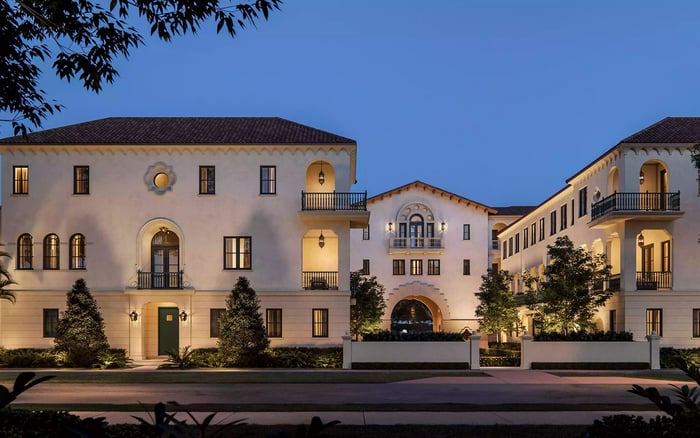
Palm Beach and Coral Gables remain the clearest South Florida anchors for this comparison because both are established municipalities shaped by planning, preservation, and civic governance. Palm Beach’s rhythm is defined less by amenity count than by estate privacy, seasonal social patterns, preservation expectations, and deeply rooted local institutions. Coral Gables expresses old-money rhythm through planned heritage: historic architecture, design review, civic order, and long-established commercial districts such as Miracle Mile.
In these neighborhoods, value is often less about the newest finish package and more about continuity. A gracious lot, mature canopy, original architectural language, and a location that cannot be easily reproduced may outweigh the absence of a private cinema or a cold plunge room. Buyers who understand this market tend to evaluate the whole setting: setbacks, streetscape, garden scale, nearby schools, clubs, civic institutions, and the ability to live privately within a recognizable local fabric.
That does not mean old-money homes are simpler. They can be more demanding. Renovation exposure, historic-design constraints, insurance, elevation, drainage, and long-term maintenance can all reshape the true ownership burden. A home that appears serene at acquisition may require structural, mechanical, or resilience planning before it lives the way a contemporary buyer expects.
Coral Gables buyers seeking newer interpretations of that civic character may consider how projects such as Ponce Park Coral Gables fit within the city’s planned residential language. Similarly, The Village at Coral Gables speaks to a buyer who wants Coral Gables identity without assuming that heritage must always mean an older single-family house.
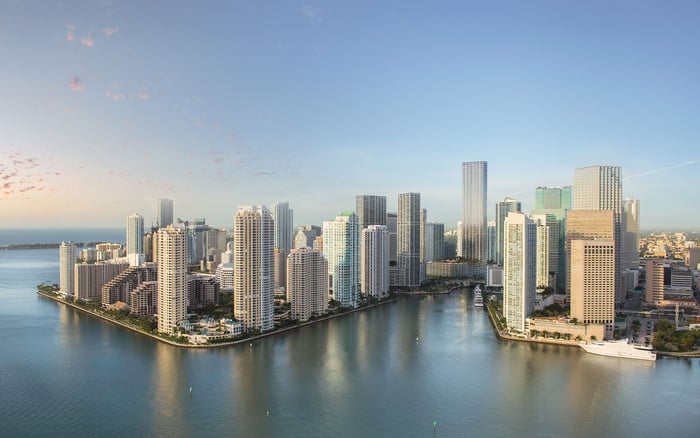
New-construction convenience is most legible in Brickell, Miami River corridors, Wynwood-adjacent areas, and Miami Beach waterfront settings. These districts are built around access. The building is not only a residence; it is a service environment. Daily life is streamlined through staff, systems, parking, package rooms, amenity scheduling, smart access, and shared spaces that reduce friction.
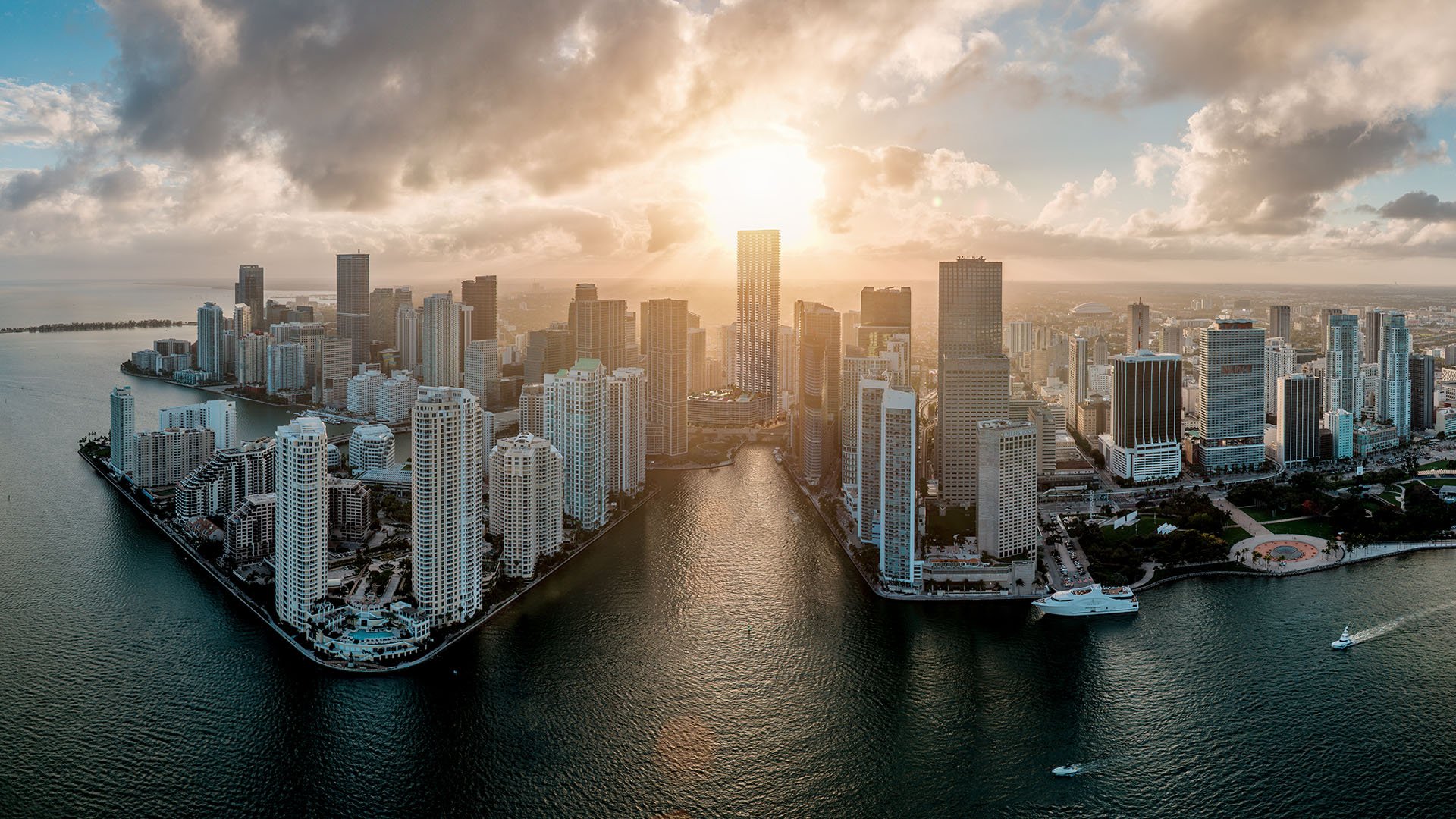
Brickell is the benchmark because residences sit near offices, restaurants, retail, transit, nightlife, and daily-use services. A buyer choosing 2200 Brickell is not simply buying a unit. The buyer is choosing a more immediate urban pattern, where errands, dining, work, and social plans compress into a smaller radius. Projects such as Baccarat Residences Brickell also show how luxury condominium living increasingly competes on hospitality, service, and the choreography of arrival.
This convenience is not limited to Brickell. Miami River development has become a strong example of waterfront activation, pedestrian access, restaurants, residential towers, and mixed-use planning. Miami Beach waterfront projects offer another version of convenience, with coastal setting, views, and building-level services doing much of the work for owners who want a lock-and-leave lifestyle.
New buildings also tend to favor smart-home readiness. Modern wiring, access-control systems, EV accommodations, and integrated resident-management platforms are more likely to be present from the beginning. For buyers who value immediate occupancy and predictable systems, that advantage can be decisive.
The old habit of comparing price per square foot can mislead. An older Palm Beach or Coral Gables home may require restoration, updated mechanical systems, roof work, impact glazing, drainage planning, or landscape preservation. A new condominium may reduce those burdens inside the residence, but it introduces association fees, reserve obligations, building rules, and shared governance.
Neither model is automatically lighter. They are simply different. In an estate neighborhood, the owner may control more of the property but also carries more responsibility. In a tower, the owner delegates many daily tasks but shares decisions and costs with the association. A buyer should model both scenarios over time: insurance, maintenance, reserves, staffing, renovation timing, and future compliance with resilience standards.
Flood resilience deserves separate attention. New construction is more likely to be designed around current code and elevation standards, while older homes may require retrofits or mitigation planning. In South Florida, this is not a secondary issue. It affects insurance, liquidity, renovation scope, and peace of mind.
Old-money neighborhoods deliver many of their amenities softly. The club, the school, the local retail street, the neighborly network, and the civic institution are not presented as a rooftop deck, but they shape everyday life just as strongly. This is particularly true in Palm Beach, where seasonality and winter social calendars can influence the rhythm of streets, restaurants, and private routines.
Urban condominium districts tend to operate more consistently year-round. Their energy is less seasonal and more tied to work, dining, travel, events, and the continuous movement of the city. That consistency can appeal to buyers who want South Florida as a primary base rather than a traditional winter address.
Privacy also changes form. A walled residence offers horizontal privacy: distance, landscaping, and a controlled approach. A new tower offers vertical privacy: elevator systems, staff screening, secure parking, and controlled access. The question is not which is better. The question is which kind of privacy feels natural to you.
Liquidity differs by product type. New condos can attract a broader move-in-ready buyer pool, especially when services, amenities, and building systems are easy to understand. Old-money estates may depend on a narrower audience that values privacy, heritage, land, and long-hold ownership.
Rental flexibility also varies. Newer urban condominium inventory may offer more options, but every building and local ordinance must be checked carefully. Established estate neighborhoods usually operate with different expectations around occupancy, privacy, and neighborhood continuity.
A practical comparison should weigh five categories side by side: daily rhythm, privacy, renovation risk, amenity delivery, and resilience or insurance exposure. Once those are clear, the right choice often reveals itself. The buyer drawn to old-money rhythm is usually buying irreplaceability. The buyer drawn to new-construction convenience is usually buying time.
Is old-money South Florida only about Palm Beach? No. Palm Beach is a defining example, but Coral Gables is equally important for planned heritage, civic order, and architectural continuity.
Is a new condo easier to own than an older estate? Often, but not always. New condos can reduce private maintenance while adding association fees, reserves, and building rules.
Why is Coral Gables useful in this comparison? Coral Gables combines historic architecture, design review, civic planning, and established commercial districts in a highly legible way.
Why is Brickell the convenience benchmark? Brickell concentrates residences near offices, restaurants, retail, transit, nightlife, and daily services.
Should I compare old homes and new condos by price per square foot? Only as a secondary measure. The ownership experience, responsibilities, privacy, and service model are structurally different.
Does new construction always have better resilience? Newer buildings are more likely to reflect current code and elevation standards, but each property still requires careful review.
Are old-money neighborhoods less amenitized? They often have fewer bundled building amenities, but they may offer clubs, schools, retail streets, and social institutions.
Which option is better for a lock-and-leave lifestyle? New-construction condominiums generally support lock-and-leave living more naturally through staff, systems, and shared services.
Can older homes be modernized successfully? Yes, but buyers should plan for renovation timelines, design constraints, insurance, elevation, and long-term maintenance.
What is the simplest decision framework? Compare daily rhythm, privacy, renovation risk, amenity delivery, and resilience exposure before comparing price alone.
For a tailored shortlist and next-step guidance, connect with MILLION.
If branded residences are on your mind — as a home or as an allocation — we would be glad to share what we are seeing, privately.
Begin a quiet conversation