The Downside Protection Strategies for World Cup Rental Investments in South Florida
A buyer-oriented playbook for protecting downside when positioning South Florida residences for World Cup-driven demand, with underwriting, legal, operational, and asset-selection safeguards.

Five Developments in Miami Beach Emphasizing Japanese Minimalist Design
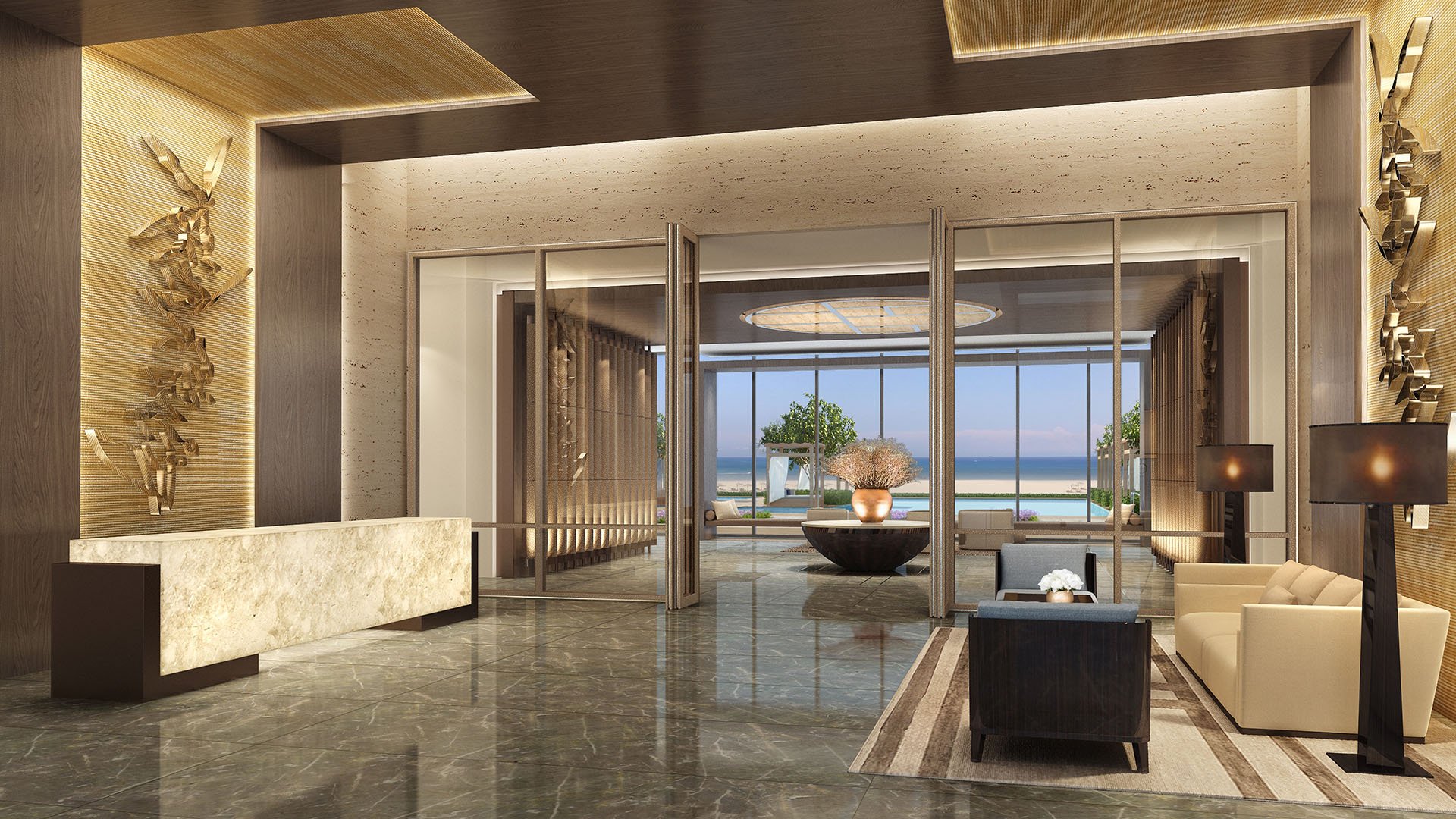
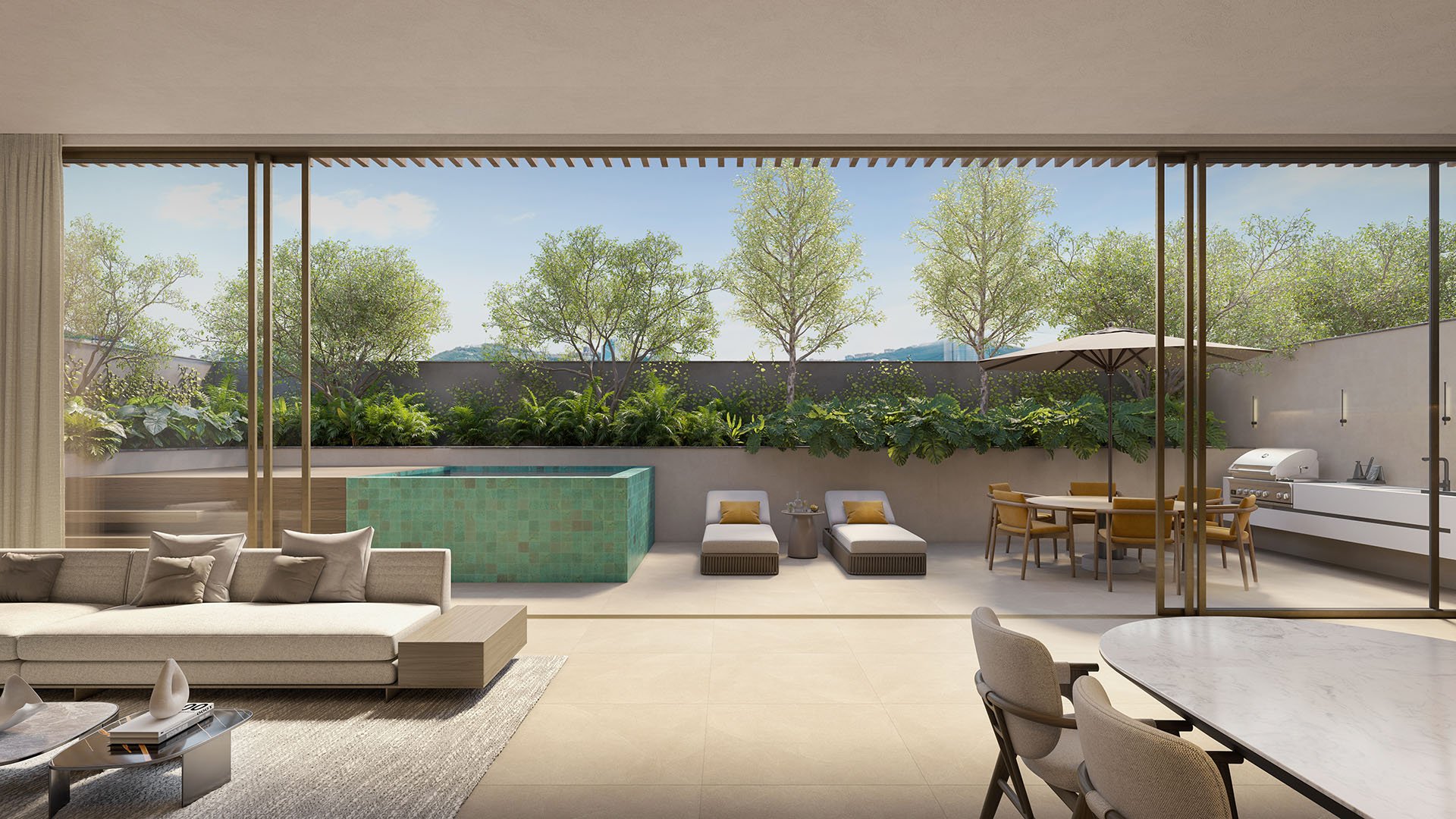
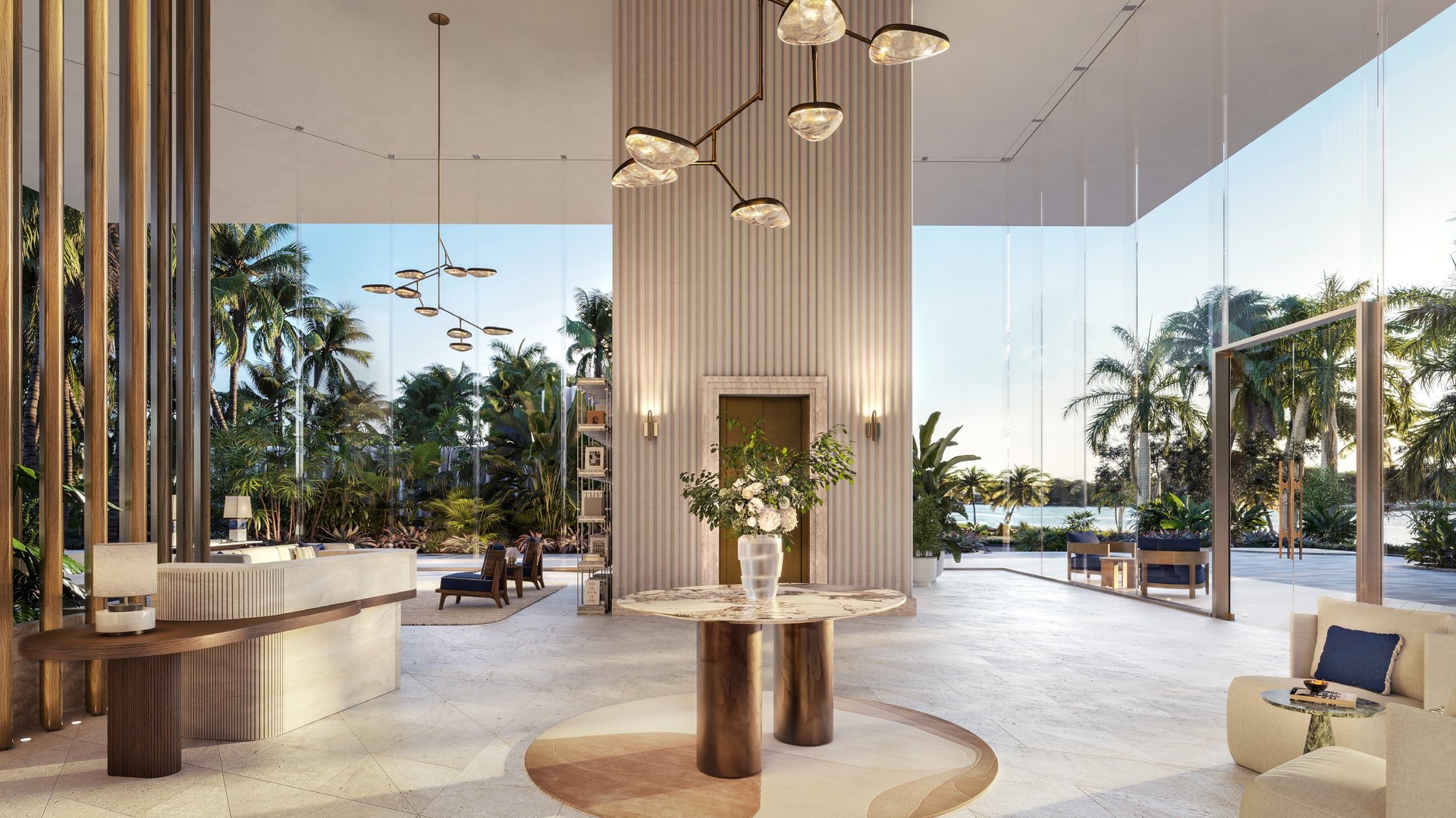
Japanese minimalist design has become a quiet status signal in Miami Beach: a preference for restraint over spectacle, craftsmanship over trend, and daily calm over visual noise. In a market defined by light, water, and high expectations, the most compelling residences are increasingly the ones that edit rather than add. This editorial looks at five development archetypes that express Japanese minimalism in a Miami Beach context, from sanctuary-like arrival sequences to warm natural palettes and spa-grade wellness. Because today’s buyers often split time between cities, the appeal is not only aesthetic. Minimalist planning tends to age well, photograph cleanly, and support an easier rhythm of living. What follows is a buyer-oriented ranking, then a practical guide to how to evaluate minimalism beyond marketing language, including the details that matter once you move in: acoustics, storage, lighting, material integrity, and amenity culture.

Ten Oceanfront Developments Offering Unobstructed Western Sunset Views
An editorial guide for South Florida buyers seeking oceanfront living that still captures the glow of the west, with practical orientation cues and a ranked shortlist of sunset-forward vantage points.

How Ultraviolet Blocking Impact Glass Protects Fine Art in Floor to Ceiling Coastal Condominiums
In South Florida, the romance of uninterrupted ocean views often arrives with an invisible tradeoff: light. For collectors living in floor-to-ceiling coastal condominiums, ultraviolet radiation, heat, and glare can quietly accelerate fading, embrittlement, and color shift in works on paper, textiles, and photographs. Ultraviolet-blocking impact glass reframes that risk. It is not just a storm feature, but a daily preservation tool that supports museum-minded interiors without sacrificing the architecture of glass-forward living.

The Logistics of Transporting Museum Grade Art Collections to Oceanfront Penthouses
A discreet, buyer-oriented guide to moving museum-grade art into South Florida oceanfront penthouses, from pre-close due diligence to rigging day, building rules, climate control, and installation.

Why Insurance Actuaries Favor New Construction Towers Over Historic Oceanfront Homes
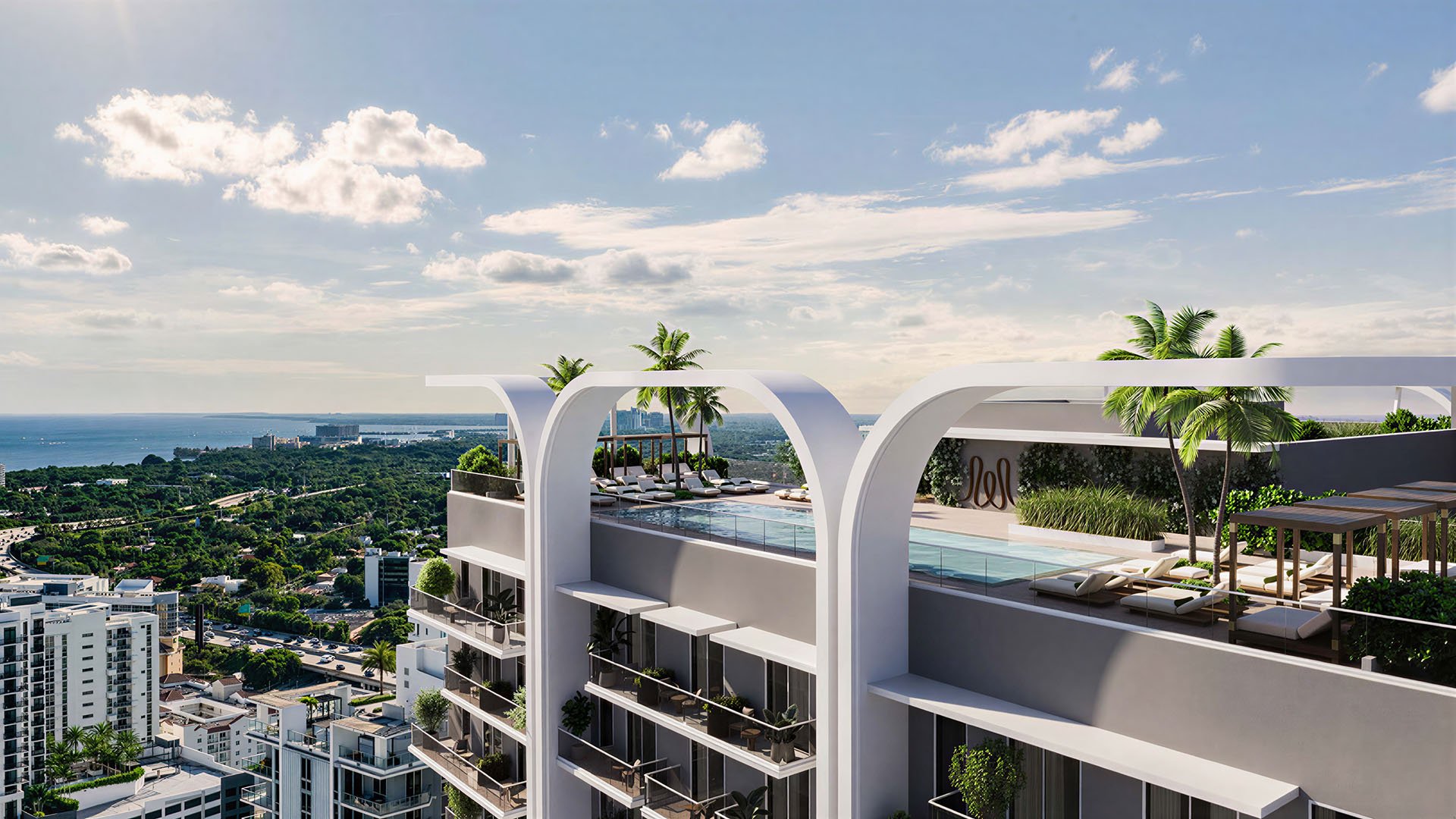
In South Florida, the insurance conversation has become a quiet but decisive force in luxury real estate. For actuaries, the preference for new construction towers is less about style and more about controllable risk: modern wind standards, updated life-safety systems, centralized maintenance, and clearer replacement-cost modeling. Historic oceanfront homes can be irreplaceable from an architectural standpoint, but they often introduce variables that are difficult to price with confidence, especially when proximity to salt air, legacy building practices, and bespoke materials collide with today’s underwriting discipline. This editorial explains the practical reasons actuaries often view new high-rise construction as a more predictable risk than older coastal single-family assets, and how sophisticated buyers can use that lens to shop smarter.