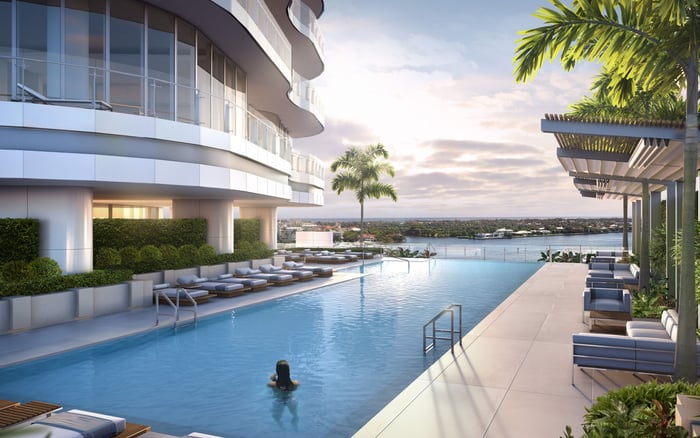
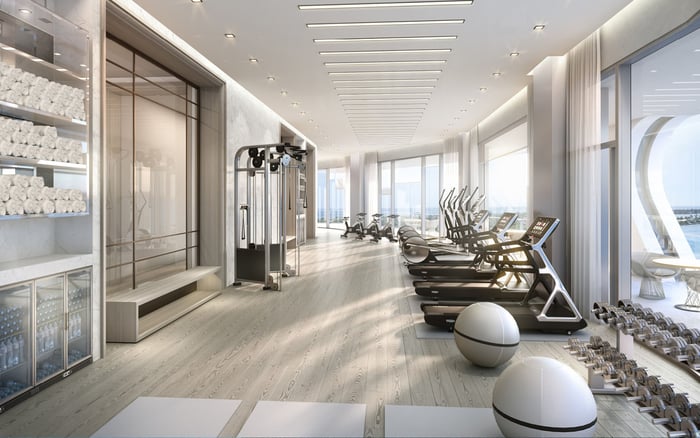
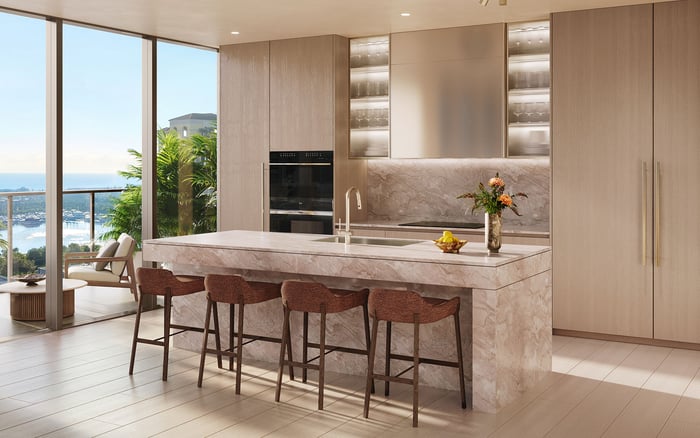
Nora House in West Palm Beach speaks to a specific luxury buyer: the owner who wants a second home to feel effortless, but never impersonal. Its appeal lies in pairing lock-and-leave ease with concierge support, social programming, and direct connection to the city’s walkable cultural core.
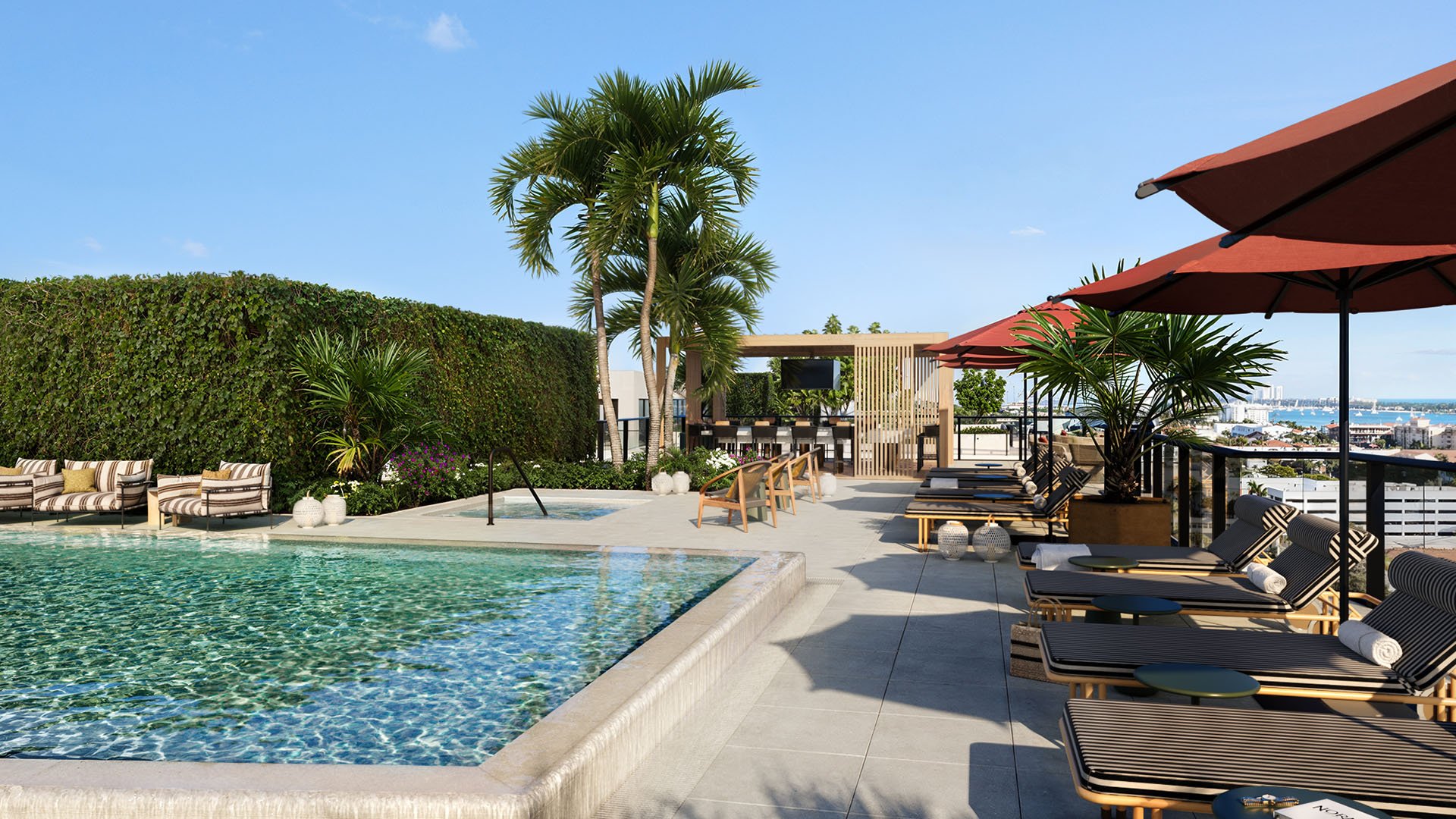
Luxury second-home ownership has evolved. For many affluent buyers, the ideal residence is no longer simply a beautiful place to visit for a few weeks each season. It is a home that feels operationally effortless, socially welcoming, and meaningfully connected to its neighborhood. That distinction matters in West-palm-beach, where demand has increasingly favored residences that combine design, service, and walkable access to the city’s everyday pleasures.
Nora House enters that conversation with unusual clarity. It is positioned for part-time owners who want a refined lock-and-leave residence, yet do not want the emotional distance that often accompanies highly transient luxury buildings. The proposition is straightforward: reduce friction in ownership while preserving the feeling of belonging to a place, not merely to a pied-à-terre.
That positioning gives Nora House a distinct lane among branded and service-forward properties across South Florida. In West Palm Beach, buyers comparing options such as Alba West Palm Beach, Forté on Flagler West Palm Beach, or Mr. C Residences West Palm Beach are often evaluating more than finishes and amenity decks. They are asking what life will feel like when they are in residence, and how little effort ownership will require when they are away.
“Lock-and-leave” has become a familiar phrase in luxury development, but at its best, it means something highly specific. For the multi-home owner, convenience is not simply about having fewer responsibilities. It is about confidence. Owners want to know that building oversight, security, and day-to-day logistics are handled without constant intervention. They want to leave for New York, London, Aspen, or the Mediterranean with confidence that their home remains attended to.
Nora House is designed around that expectation. Its offering emphasizes concierge-style support and lifestyle management intended to reduce the operational burden of absentee ownership. That matters for executives, entrepreneurs, and frequent travelers whose time in South Florida may be regular, but not continuous.
Importantly, this model does not frame convenience as a sterile form of automation. The appeal is closer in temperament to hospitality, but within the framework of private ownership. In practice, that suggests a residence that feels composed and ready upon arrival, rather than one that requires the owner to spend the first 24 hours managing practicalities.
What elevates Nora House beyond a simple service narrative is its emphasis on belonging. Many seasonal residences are highly comfortable yet socially anonymous. Owners come and go, enjoy the privacy, and remain largely detached from both neighbors and the surrounding city. For some buyers, that is enough. For others, it begins to feel curiously incomplete.
Nora House speaks to the latter group. Its social spaces and service model are presented not as passive amenities, but as mechanisms for repeated interaction. Community programming, curated events, and local outings suggest that ownership here is intended to create familiarity over time. The idea is subtle but powerful: the building is not only a protected place to stay, but also a bridge into the rhythms of West Palm Beach.
For second-home buyers, that can be the deciding luxury. A residence may be flawlessly appointed, but if every stay begins from zero, the ownership experience remains transactional. A stronger model helps residents reconnect quickly, whether through a concierge who understands personal preferences, gatherings that feel selective rather than generic, or introductions to restaurants, galleries, and cultural venues that shape a more local cadence.
Nora House is positioned in the city’s urban core, not in a suburban setting removed from downtown life. That distinction is central to its appeal. Walkability is not merely a convenience for part-time owners; it is part of how shorter stays become fuller and more spontaneous. When dining, culture, and everyday destinations are close at hand, owners are more likely to use the residence frequently and less likely to experience each visit as a formal production.
This is also where the current Downtown West Palm Beach story becomes relevant. The city’s energy increasingly favors buyers who want luxury living paired with immediacy: dinner without a long drive, galleries within reach, and a neighborhood that feels active even during brief stays. In that respect, Nora House aligns with a broader preference for urban immersion over isolation.
Other projects help illustrate the spectrum. A waterfront address such as Shorecrest Flagler Drive West Palm Beach may appeal to buyers prioritizing a more classically scenic residential posture, while The Ritz-Carlton Residences® West Palm Beach speaks to those drawn to globally legible service. Nora House, by contrast, feels especially attuned to owners who want the city itself to function as part of the amenity.
The target buyer here is not difficult to identify. Nora House is aimed at affluent multi-home owners, especially those for whom convenience must coexist with discernment. This is the buyer who may already own in several markets, values privacy, and expects modern finishes and polished design, but also wants a residence that supports an easy return.
That buyer tends to care about three things at once.
First, the home must be physically attractive and suitably finished for both seasonal and longer stays. Nora House is described as offering high-end residences with modern finishes that work for full-time or part-time use.
Second, the property must minimize management burden. Concierge support, building oversight, and the broader service infrastructure are not decorative features in this context. They are central to the level of attention the buyer is willing to invest.
Third, the owner wants emotional utility from the property. In other words, when in residence, the home should support a life, not just a stay. That is where community programming and curated local integration become more meaningful than they might first appear.
This combination also explains why the development fits naturally within the broader Second-home conversation across South Florida. The market offers many luxury residences, but fewer that explicitly frame belonging as part of the ownership experience rather than as an accidental byproduct.
In practical terms, Nora House reflects a more mature understanding of what luxury buyers increasingly want from city residences. They still want discretion, finish, service, and security. But they also want a home that can transition elegantly between absence and arrival.
For some owners, the ideal Palm Beach County property remains a large estate with full staffing and private grounds. For others, especially those who favor lower-friction ownership in a more connected urban setting, the appeal of a managed residence is stronger. Nora House appears calibrated for that audience: buyers who do not need suburban sprawl to feel established, and who prefer a building that acknowledges both mobility and rootedness.
That is a nuanced proposition, and it is why the project stands out in Palm-beach county’s luxury conversation. Rather than selling only escape, it sells continuity. Rather than treating the part-time owner as peripheral, it treats that buyer as the central user profile.
For the right purchaser, that may be the most sophisticated promise of all. Not simply that the residence will be beautiful and easy, but that it will make returning to West Palm Beach feel familiar every time.
What is Nora House designed for? It is positioned for luxury buyers who want a lock-and-leave residence in West Palm Beach with managed ownership and a more connected lifestyle.
Is Nora House mainly for full-time residents? No. Its concept strongly suits part-time and seasonal owners, though the residences are described as appropriate for full-time use as well.
What does lock-and-leave mean here? It refers to an ownership model centered on convenience, oversight, and a reduced day-to-day burden when owners are away for extended periods.
Why does the location matter so much? Its urban-core setting supports walkability and easier access to dining, culture, and downtown routines that help short stays feel richer.
How is Nora House different from a typical second-home condo? Its distinction lies in pairing service and security with community programming and curated local experiences intended to foster belonging.
What type of buyer is the best fit? Affluent multi-home owners, executives, and entrepreneurs who value convenience without giving up a sense of local immersion are the clearest fit.
Does the project emphasize service? Yes. Concierge-style support and lifestyle management are central to the ownership proposition.
Is privacy still part of the appeal? Yes. The appeal is not social exposure, but a more thoughtfully managed form of ownership that can still feel discreet and personal.
Does Nora House connect residents to West Palm Beach itself? Yes. The concept includes curated links to local restaurants, galleries, and cultural venues so ownership feels tied to the city.
Why is this relevant in today’s luxury market? Because many high-end buyers now want a residence that is easy to maintain, elegant to return to, and more meaningful than a purely transient address.
To compare the best-fit options with clarity, connect with MILLION.
If branded residences are on your mind — as a home or as an allocation — we would be glad to share what we are seeing, privately.
Begin a quiet conversation