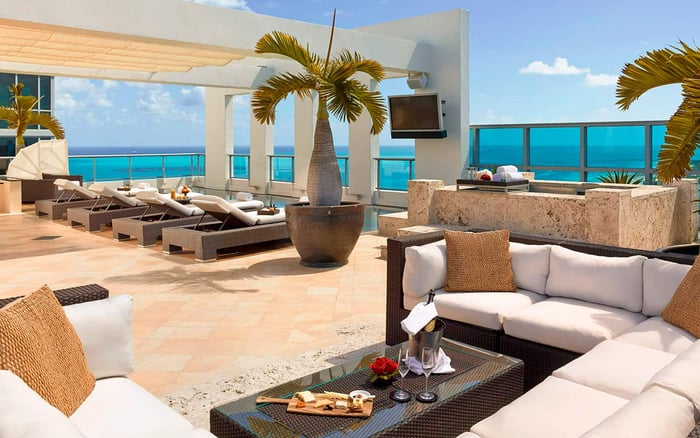
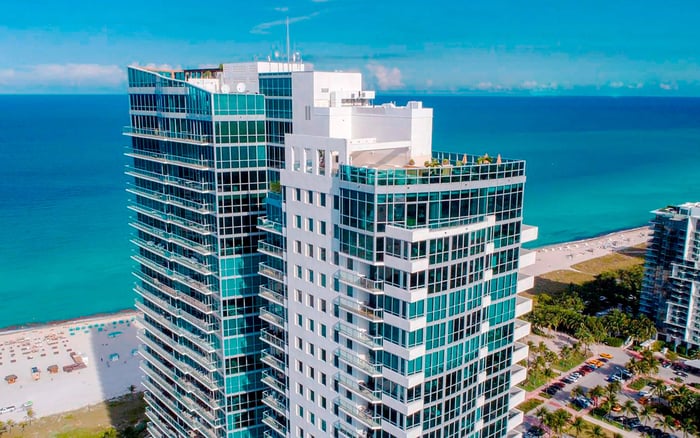
For buyers comparing branded beachfront living in Miami Beach, the distinction between Setai Residences Miami Beach and Delano Residences & Hotel Miami is less about headline metrics and more about atmosphere. Setai speaks to Mid-Beach calm, privacy, and deeply polished hospitality. Delano leans into South Beach visibility, design, and a more social rhythm. The real question is not which address is objectively better, but which version of Miami Beach luxury best matches how you want to live.
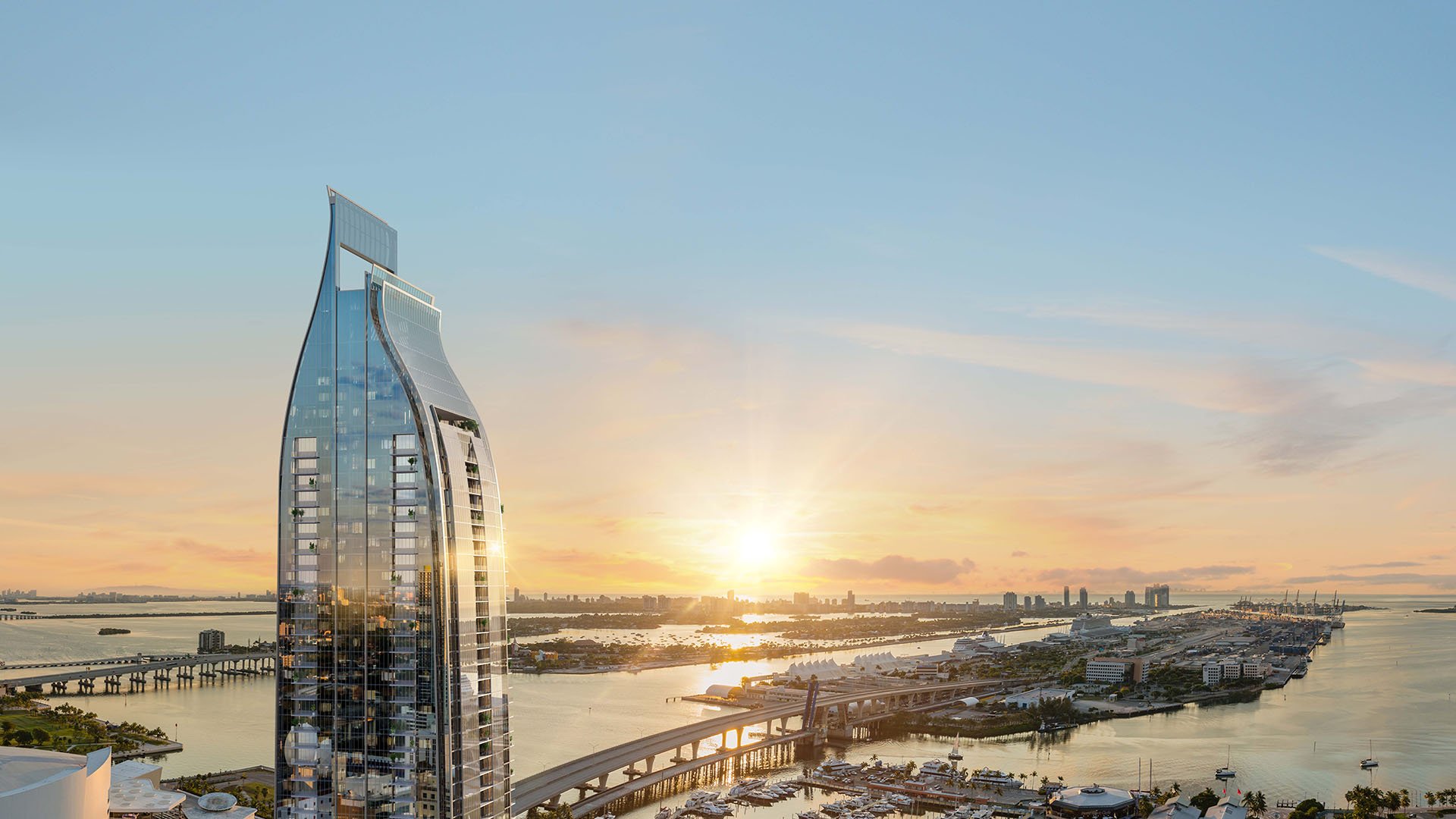
In the upper tier of Miami Beach branded residences, the comparison between Setai Residences Miami Beach and Delano Residences & Hotel Miami is unusually clear. Both are framed around private ownership paired with hotel-style services and amenities. Both appeal to buyers seeking beachfront access, hospitality infrastructure, and a distinctly curated residential experience.
Yet their appeal separates quickly once setting, temperament, and brand identity come into focus. Setai is tied to a calmer Mid-Beach environment and a service culture shaped by restraint, privacy, and quiet continuity. Delano is linked to South Beach, where luxury is often intertwined with visibility, design expression, and a more public social rhythm.
This is the comparison that tends to matter most in practice. Not every oceanfront buyer wants the same version of Miami Beach. Some want the city to recede the moment they arrive. Others want to step directly into it.
Setai’s residential proposition is rooted in a private living experience connected to an established luxury hotel. That distinction matters. Buyers are not simply evaluating finishes or floor plans in isolation. They are buying into an operating culture with a clearly defined point of view: direct beach access, multiple oceanfront pools, spa programming, dining, and concierge-style hospitality that emphasizes ease over spectacle.
The design identity reinforces that promise. Setai has long been associated with serene, Asian-influenced interiors, minimalist composition, natural materials, and a sense of controlled calm. In market terms, that translates into a form of luxury that rarely needs to announce itself. It is especially compelling for a second-home buyer, a global traveler who values consistency, or a primary resident who wants oceanfront living without the theatricality that can define more exposed addresses.
This is also where Mid-Beach becomes an advantage rather than a compromise. The neighborhood feels quieter than the core South Beach corridor, yet remains thoroughly connected. Buyers considering nearby alternatives such as The Ritz-Carlton Residences® Miami Beach will recognize the same broader appeal: wellness, discretion, and a more residential pace within Miami Beach.
For those who define luxury through silence, memory, and frictionless service, Setai presents the more resolved thesis.
Delano’s pitch is different from the outset. It is framed as a mixed-use residential and hotel concept that leans into lifestyle, design, and the unmistakable pull of South Beach. Where Setai suggests retreat, Delano suggests participation.
That difference should not be mistaken for a lesser form of luxury. For the right buyer, it is the more resonant one. South Beach still holds an outsized place in the Miami imagination because it concentrates dining, nightlife, fashion, and cultural traffic into a walkable, globally legible stretch of coastline. Delano draws strength from that setting. Owners are not merely buying beachfront access. They are buying proximity to movement, recognition, and a scene that remains central to the area’s identity.
The brand logic follows from that location. Delano is positioned as design-led and lifestyle-driven, with private residences complemented by hospitality services and shared programming. In practical terms, that makes it better suited to buyers who entertain often, divide their time between cities, or want a home that functions as a polished base within a socially active district.
If your mental map of Miami Beach includes evenings in South of Fifth, gallery openings, hotel lounges, and a sense that energy itself is part of the amenity package, Delano becomes easier to understand.
Luxury buyers often begin with architecture and views, but the lived experience of a branded residence is usually defined by service style. On that point, Setai and Delano suggest very different daily rhythms.
Setai points to a hospitality model centered on privacy and personalized attention. The ideal resident may want staff anticipation without visible choreography. The environment is intended to feel composed, almost meditative, with amenities functioning as extensions of a private sanctuary.
Delano, by contrast, is better understood as a hospitality-forward residence with a more extroverted posture. Amenities still matter, of course, but so does the social framing around them. Residents are likely to gravitate toward a setting where the line between home, hotel, and cultural address feels intentionally blurred.
This is why buyers should ask a more sophisticated question than which project is more luxurious. Both belong in that category. The sharper question is whether luxury, for you, means insulation or access.
Choose Setai if you want your residence to function like a private retreat with the support system of a renowned hotel. It suits the buyer who values calm arrival sequences, understated interiors, beach access without excessive spectacle, and service that prioritizes discretion. It is especially persuasive for a second-home purchaser, a wellness-oriented owner, or someone who wants boutique sensibility in a globally recognizable setting.
Choose Delano if your ideal beachfront home places you inside the social current of South Beach rather than slightly apart from it. It fits a buyer who likes design with attitude, hospitality with visibility, and a more animated relationship to the neighborhood. It may also appeal to those who see hotel-led living as part of the attraction, provided the brand and programming remain central to the experience.
In other words, Setai is for the buyer who wants Miami Beach edited into its most serene form. Delano is for the buyer who still wants the soundtrack.
Without leaning on unverified pricing or inventory details, the more grounded comparison comes down to brand durability, neighborhood identity, and the consistency of each project’s service proposition.
Setai benefits from alignment with an established hospitality profile and a long-standing reputation for understated luxury. That can matter to an investment-minded buyer who values clarity of positioning. The story is coherent: Mid-Beach calm, refined design, and dependable service culture.
Delano’s appeal is more thesis-driven. Its strength lies in the enduring relevance of South Beach and the power of a revived, design-led lifestyle brand to capture attention in that environment. For some buyers, that creates upside because the address is tied to a district with lasting cachet. For others, it introduces a different consideration: the home is inseparable from the energy that surrounds it.
That does not make one safer and the other riskier in any simplistic sense. It means the buyer should match the asset to the intended use. If personal enjoyment depends on privacy, Setai is the cleaner fit. If value is tied to presence, cultural immediacy, and social relevance, Delano carries the stronger narrative.
Setai Residences Miami Beach and Delano Residences & Hotel Miami represent two polished but distinct visions of beachfront ownership. Setai offers composed luxury in Mid-Beach, shaped by serenity, restraint, and service that recedes into the background. Delano offers South Beach identity, where hospitality, design, and social electricity remain part of everyday life.
Neither choice is generic Miami. That is exactly the point. The sophisticated buyer is not deciding between good and bad, or even old and new. The choice is between two very different emotional outcomes.
If you want oceanfront living that restores you, Setai is likely the stronger answer. If you want oceanfront living that keeps you plugged into Miami Beach at full voltage, Delano has the more compelling pull.
Is Setai Residences Miami Beach better for privacy? Yes. Its identity is closely tied to Mid-Beach calm, discreet service, and a more private residential atmosphere.
Does Delano Residences & Hotel Miami have a more social feel? Yes. Its South Beach positioning and lifestyle-driven brand make it the more outward-facing option.
Are both projects branded residences? Yes. Both are presented as private residential offerings connected to hotel-style services and amenities.
Is Setai associated with Mid-Beach rather than South Beach? Yes. In this comparison, Setai is framed around a calmer Mid-Beach setting rather than the core South Beach corridor.
Who should consider Delano over Setai? Buyers who value design culture, nightlife proximity, and a more visible South Beach address will likely prefer Delano.
Do both offer beach access and hospitality amenities? Both are presented with hospitality-oriented amenity access, though the atmosphere and service style differ.
Is this mainly a pricing comparison? No. The more meaningful distinction is neighborhood feel, brand identity, and the kind of daily experience each project suggests.
Does Setai feel more wellness-oriented? Broadly, yes. Its positioning centers on calm, spa-style living, and understated luxury.
Is Delano best viewed as a retreat property? Not primarily. It is better understood as a design-led, lifestyle-centered South Beach residence.
What is the best way to shortlist comparable options for touring? Start with location fit, delivery status, and daily lifestyle priorities, then compare stacks and elevations to validate views and privacy.
If you'd like a private walkthrough and a curated shortlist, connect with MILLION.
If branded residences are on your mind — as a home or as an allocation — we would be glad to share what we are seeing, privately.
Begin a quiet conversation