An editorial look at 619 Residences for buyers weighing Nobu-led dining culture against the quieter appeal of oceanfront privacy in Miami Beach.
In Miami Beach, a small number of projects ask buyers to choose not between luxury and luxury, but between two distinctly different ways of living well. 619 Residences by Foster + Partners + Nobu Hospitality appears to belong to that rare category. It is presented as a waterfront residential address in Miami Beach shaped by Foster + Partners, developed by Related, and paired with Nobu Hospitality, creating a proposition that feels unusually bifurcated in the best sense.
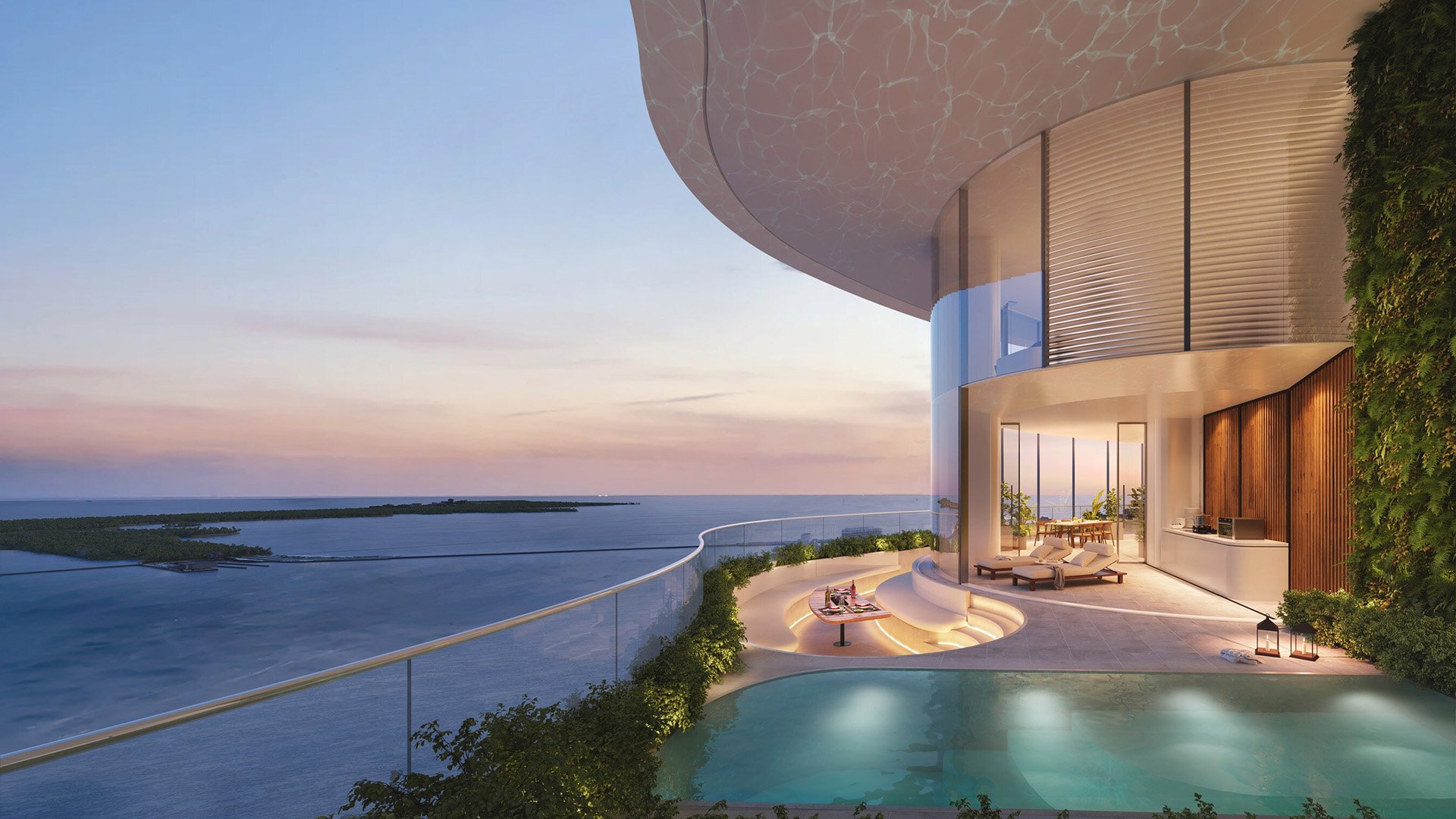
One side of the proposition is social and sensory. It centers on dining culture, polished service, a resident experience sharpened by hospitality, and the quiet confidence that comes from living in a building where arrival, reservation access, and daily convenience are treated as part of the design brief. The other side is quieter. It is about oceanfront calm, horizon lines, expansive glass, and the increasingly precious feeling that one can withdraw from Miami’s performative energy without ever leaving the water.
For many sophisticated buyers, that tension is not a drawback. It is the point. The project invites a more refined question: do you want your residence to function like a private retreat with service, or like a hospitality environment with privacy built in?
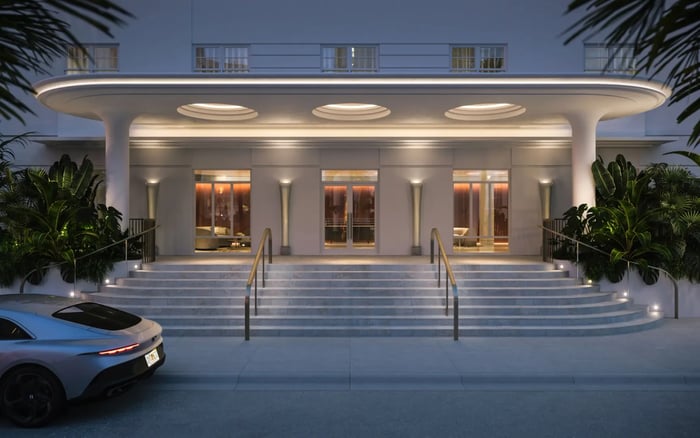
The architectural value begins with authorship. Foster + Partners signals a specific kind of restraint: formal clarity, disciplined glazing, and an approach to waterfront architecture that seeks to maximize views without making the building feel gratuitous. The public positioning around 619 Residences describes a curved form, a highly glazed exterior, and a 19-story profile, all of which suggest a tower conceived to register the shoreline rather than compete with it.
That matters for a new-construction buyer because the coastal skyline is full of projects that mistake visual drama for lasting design quality. At the upper end of the market, buyers tend to reward buildings that age gracefully in silhouette, interior light, and plan logic. A curved waterfront tower has the potential to deliver precisely that, especially when the geometry is used to open Atlantic-facing exposures and soften the bulk so often seen in conventional glass slabs.
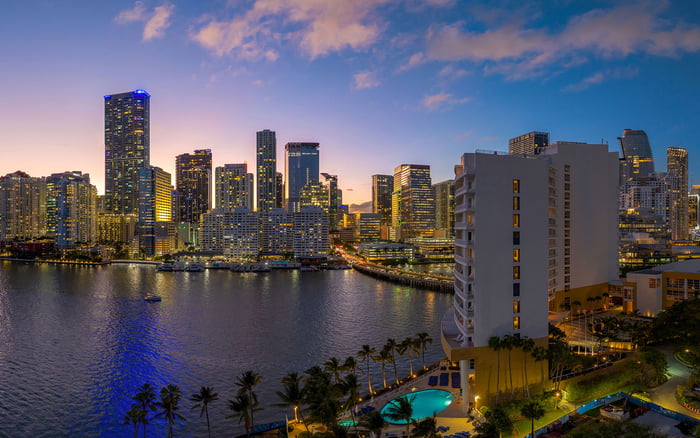
For context, Miami Beach already has a strong design conversation underway, from the wellness-forward coastal vocabulary of 57 Ocean Miami Beach to the more sculptural privacy play of The Perigon Miami Beach. 619 Residences reads as part of that same elite dialogue, but with a notably hospitality-oriented inflection.
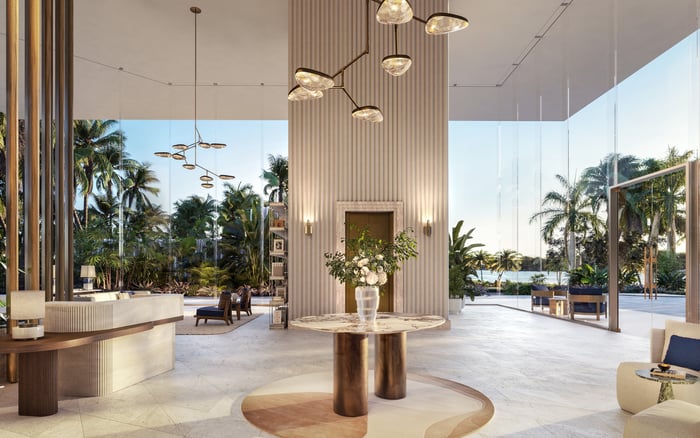
Branded residences succeed when the brand contributes a lived rhythm, not just recognition. Here, Nobu matters because it implies a complete residential atmosphere: restaurant access, concierge-style support, hospitality programming, and a service culture that can make a home feel effortless without making it feel transient.
For a certain buyer, that is deeply compelling. If your ideal residence includes the ability to move from private apartment to spa, fitness, pool, and dinner without a logistical second thought, then hospitality is not ornamental. It is infrastructure. In that framework, Nobu is less about celebrity cachet and more about predictability. The standard of experience becomes legible.
That puts 619 Residences in conversation with other branded or service-rich South Florida offerings, though its personality appears distinct. Setai Residences Miami Beach appeals to buyers who value established hotel polish, while The Ritz-Carlton Residences® Miami Beach leans into classic branded service and pedigree. 619 Residences, by contrast, suggests a more culinary, contemporary mood.
Not every ultra-luxury buyer wants a residence that feels socially activated. Some want the opposite. They want visual openness, private routines, and the psychological quiet that only a true waterfront setting can provide. That is where the second half of the project’s appeal becomes especially important.
The residential program has been described as including 130 luxury residences, with homes ranging from roughly 1,600 to more than 10,000 square feet. The scale alone suggests an effort to capture several buyer profiles: the lock-and-leave international owner, the substantial second-home purchaser, and the primary resident who expects a more expansive domestic environment. The waterfront positioning, Atlantic views, and private beach access narrative reinforce the sense that serenity is not a secondary benefit. It is central to the identity.
This distinction is important in Miami Beach because true privacy often carries more emotional value than an overt amenity count. A pool, spa, and fitness suite are expected. What remains rare is the combination of visual breadth, a controlled arrival experience, and residences that can feel detached from the city’s tempo. Buyers comparing 619 Residences with more overtly social environments may find that its strongest attribute is not the restaurant at all, but the possibility of stillness.
The most natural buyer for 619 Residences is not choosing between architecture and hospitality. That buyer wants both, but in a hierarchy.
First, there is the hospitality-first purchaser. This person sees real value in service integration. They entertain often, travel constantly, and prefer a home that reduces friction. Dining access matters. Concierge support matters. The presence of a globally recognized hospitality partner can justify premium pricing because it improves everyday use, not just resale storytelling.
Second, there is the serenity-first purchaser. This buyer may appreciate the Nobu association, but views it as an enhancement rather than the main event. Their priority is oceanfront orientation, privacy, generous interior volume, and a building that feels composed rather than noisy. For them, the greatest luxury is waking to water, not being seen near it.
Third, there is the hybrid buyer, arguably the smartest target in the current market. This person wants discretion most days and activation on demand. They may spend part of the season in Miami Beach, entertain selectively, and expect their residence to function equally well for solitude and social use. That is the audience most likely to understand the project’s balance.
Publicly circulated pricing has placed residences from roughly $4 million to above $30 million. Even treated as directional rather than absolute, that spread says something useful. It suggests a building intended to capture buyers across several upper-tier brackets while maintaining a consistently luxury identity.
At the lower end of that range, expectations will center on service access, architectural authorship, and water orientation. At the upper end, buyers will demand something more exacting: significant scale, highly privileged views, and a residential experience that feels meaningfully distinct from generic branded inventory. In other words, the premium must be felt spatially, not just marketed ceremonially.
That is why the architectural and resilience narrative matters. In a coastal market, sophisticated buyers increasingly care about how a building is made, not just how it photographs. Design suited to Miami’s climate, paired with sustainability-minded thinking, has become part of the luxury conversation. In the long run, that may matter as much as the Nobu name.
MILLION sees 619 Residences as a study in calibrated duality. It is not simply another branded tower, nor solely an architecture-first enclave. Its intrigue lies in the fact that both identities appear intact. Foster + Partners gives the project cultural and formal credibility. Nobu Hospitality introduces familiarity, service, and a more lifestyle-driven rhythm. The waterfront setting gives each of those elements room to breathe.
For buyers deciding where they belong in the current Miami Beach landscape, the project’s central question is elegantly simple. Do you want a home that comes alive around dining and service, or one that quiets the outside world the moment you enter? If 619 Residences fulfills the promise implied by its positioning, the strongest answer may be that it offers both, with enough sophistication to let the owner decide which one dominates.
What is 619 Residences positioned to offer buyers? It is positioned as a Miami Beach waterfront residence that blends high-design architecture with hospitality-led living and private-retreat appeal.
Who is associated with the project? The project is presented in the market with Foster + Partners, Related, and Nobu Hospitality as the key names behind its design, development, and service identity.
Is this a Miami Beach project? Yes. It is presented as a residential development in Miami Beach, which is central to its oceanfront and lifestyle appeal.
Why does Foster + Partners matter here? The firm’s involvement suggests a more disciplined architectural approach, with emphasis on form, light, views, and enduring waterfront design quality.
What role does Nobu play in the residential experience? Nobu signals a dining and service layer that may include restaurant access, concierge-style support, and a more hospitality-driven daily rhythm.
Is 619 Residences more social or more private? Its appeal appears to sit between the two, giving buyers a choice between a more activated hospitality environment and a calmer waterfront retreat.
How large are the residences reported to be? Publicly discussed figures place the homes from about 1,600 to more than 10,000 square feet, spanning several luxury buyer profiles.
What amenities are part of the concept? The lifestyle offering has been described to include spa, fitness, pool, restaurant access, and hospitality programming.
What price range has been discussed publicly? Marketed figures have placed the residences from roughly $4 million to over $30 million, depending on scale and positioning.
Who should consider 619 Residences most seriously? Buyers seeking both new-construction design pedigree and service-rich oceanfront living, especially for a second home, are the most natural fit.
For a confidential assessment and a building-by-building shortlist, connect with MILLION.
If branded residences are on your mind — as a home or as an allocation — we would be glad to share what we are seeing, privately.
Begin a quiet conversation