Assessing The Dedicated Valet And Porte Cochère Experience At Mercedes-Benz Places Miami
A discreet, buyer-oriented look at how a dedicated valet and porte cochère can shape daily life, privacy, and property value expectations at Mercedes-Benz Places Miami.
Assessing The High Altitude Swimming Pool Logistics At Mercedes-Benz Places Miami
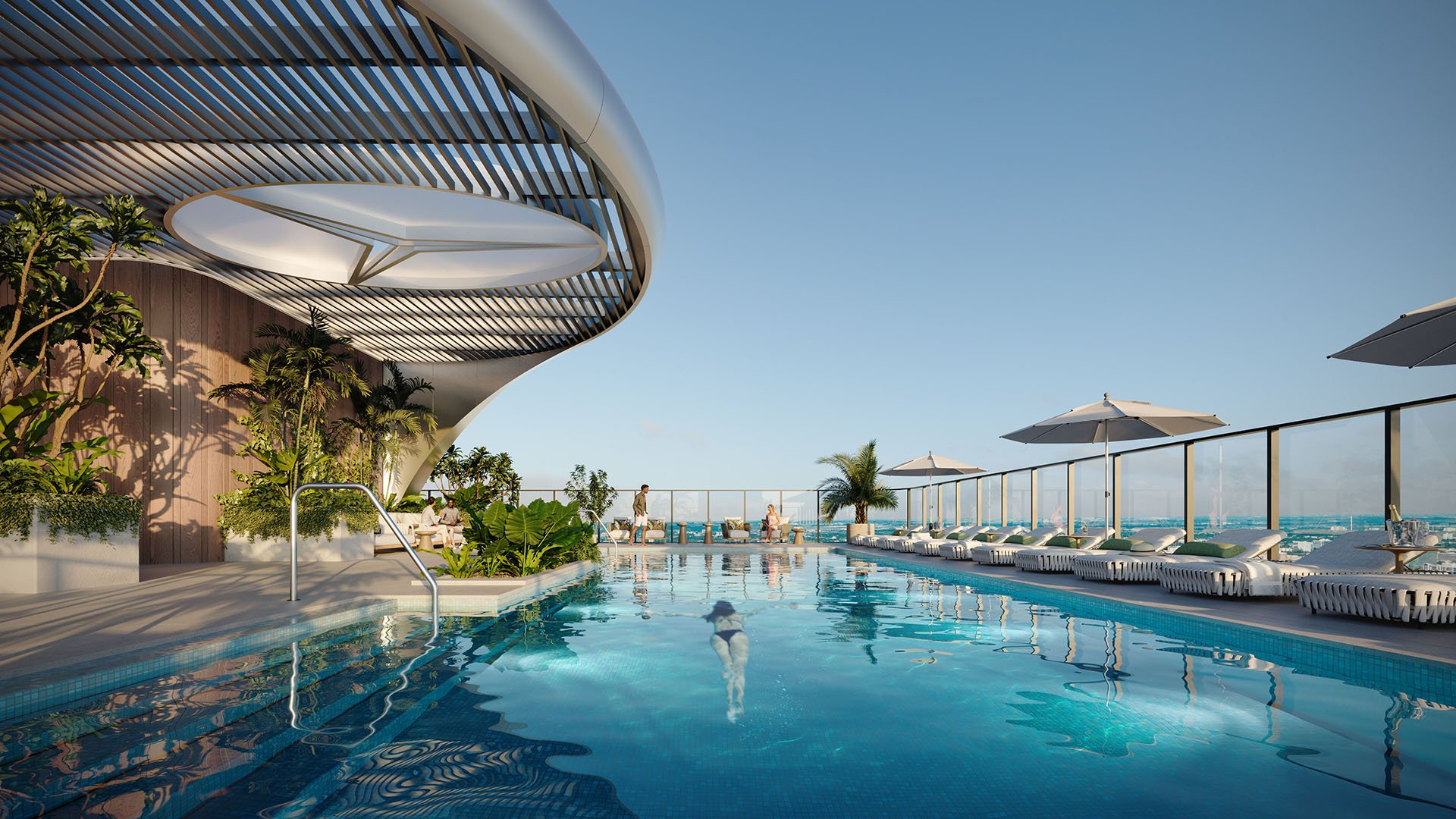
High-elevation pools are equal parts amenity and engineering exercise. For buyers considering Mercedes-Benz Places Miami, the most important questions are not aesthetic but operational: how wind, weight, waterproofing, and maintenance protocols shape day-to-day comfort and long-term value. With limited project-specific technical disclosures available in the materials provided, this editorial focuses on the practical logistics that typically govern elevated aquatic decks in Brickell towers, and the due diligence points sophisticated purchasers should put in writing before closing.

Smart Home Privacy: What High-Net-Worth Buyers Should Consider Before Automating Everything
A discreet, buyer-oriented framework for securing smart residences in South Florida, from segmented networks and enterprise-grade hardware to access control, surveillance storage choices, and digital estate planning.
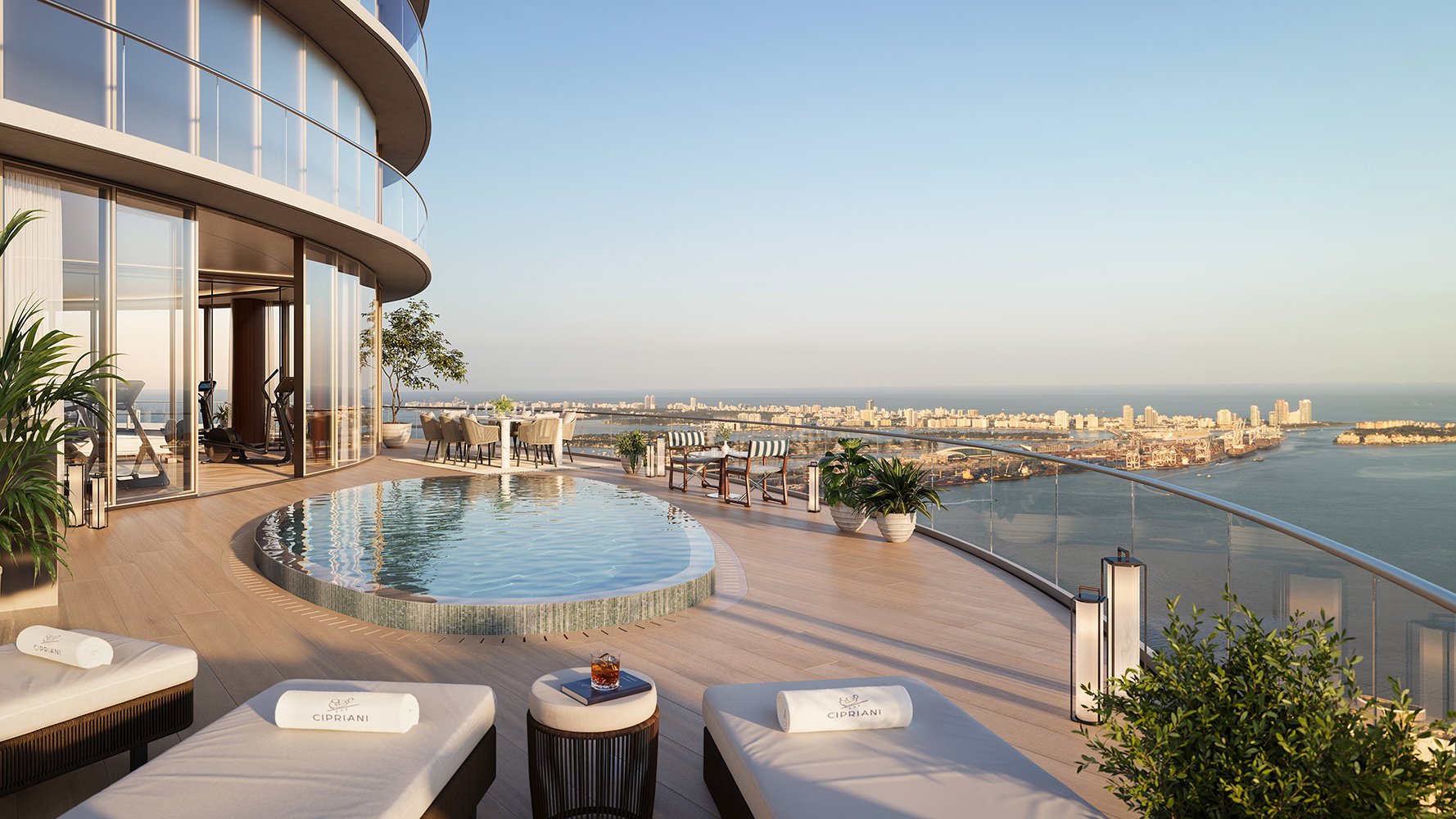
Brickell’s Branded Residences, Rewritten: Cipriani and Mercedes-Benz Places as the New Amenity Standard
In Brickell, the most ambitious new towers are no longer competing on square footage alone. They are selling a private, service-driven version of the city: dining without reservations, wellness without crowds, and social space that feels curated rather than communal. Two branded concepts illustrate the shift clearly: Cipriani Residences Miami and Mercedes-Benz Places Miami. Both emphasize amenities as daily infrastructure, but they arrive there through different philosophies: one rooted in hospitality and dining, the other positioned as a multi-domain lifestyle ecosystem with park adjacency and brand-coded recreation. For buyers evaluating a primary residence, a pied-à-terre, or a long-hold asset in South Florida, the more useful question is not “Which tower has more amenities?” but “Which amenity model matches how you actually live?” The difference is subtle, and it is where the market’s next premium is being priced.

Mercedes-Benz Places Miami vs St. Regis Residences Brickell: The New Service Standard Buyers Are Underwriting
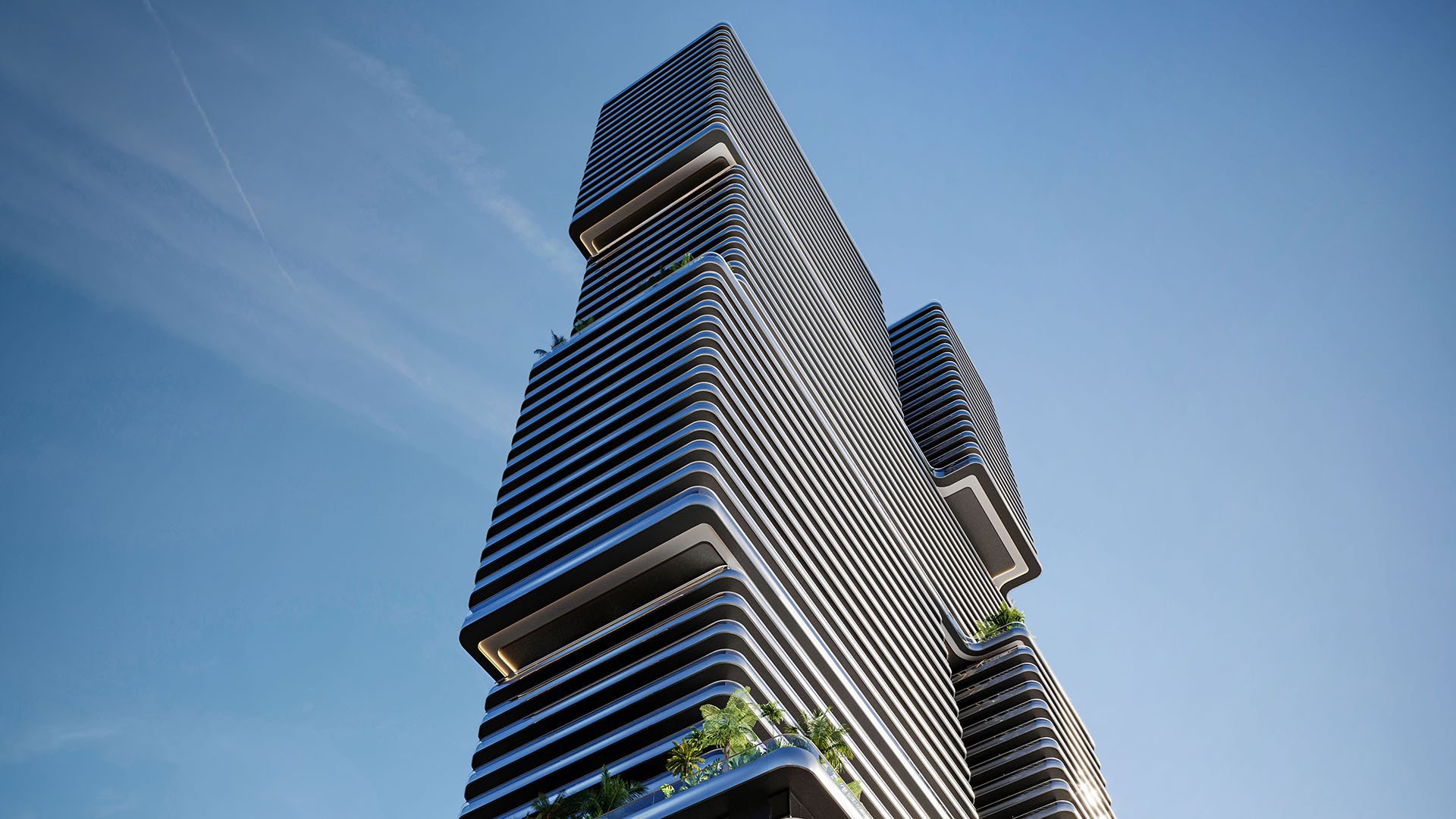
In South Florida’s prime corridor, the next chapter of luxury is less about square footage and more about what happens between the curb and your front door. Two pre-construction projects in Brickell are shaping that conversation from opposite directions: Mercedes-Benz Places Miami, a mixed-use tower pairing residences with a hotel and an automotive-rooted lifestyle platform, and St. Regis’ residential-only approach, anchored in a long-standing butler tradition. For buyers and advisors, the right question is not which brand is louder, but which operating model aligns with privacy expectations, daily rhythms, and resale positioning once the buildings are delivered.
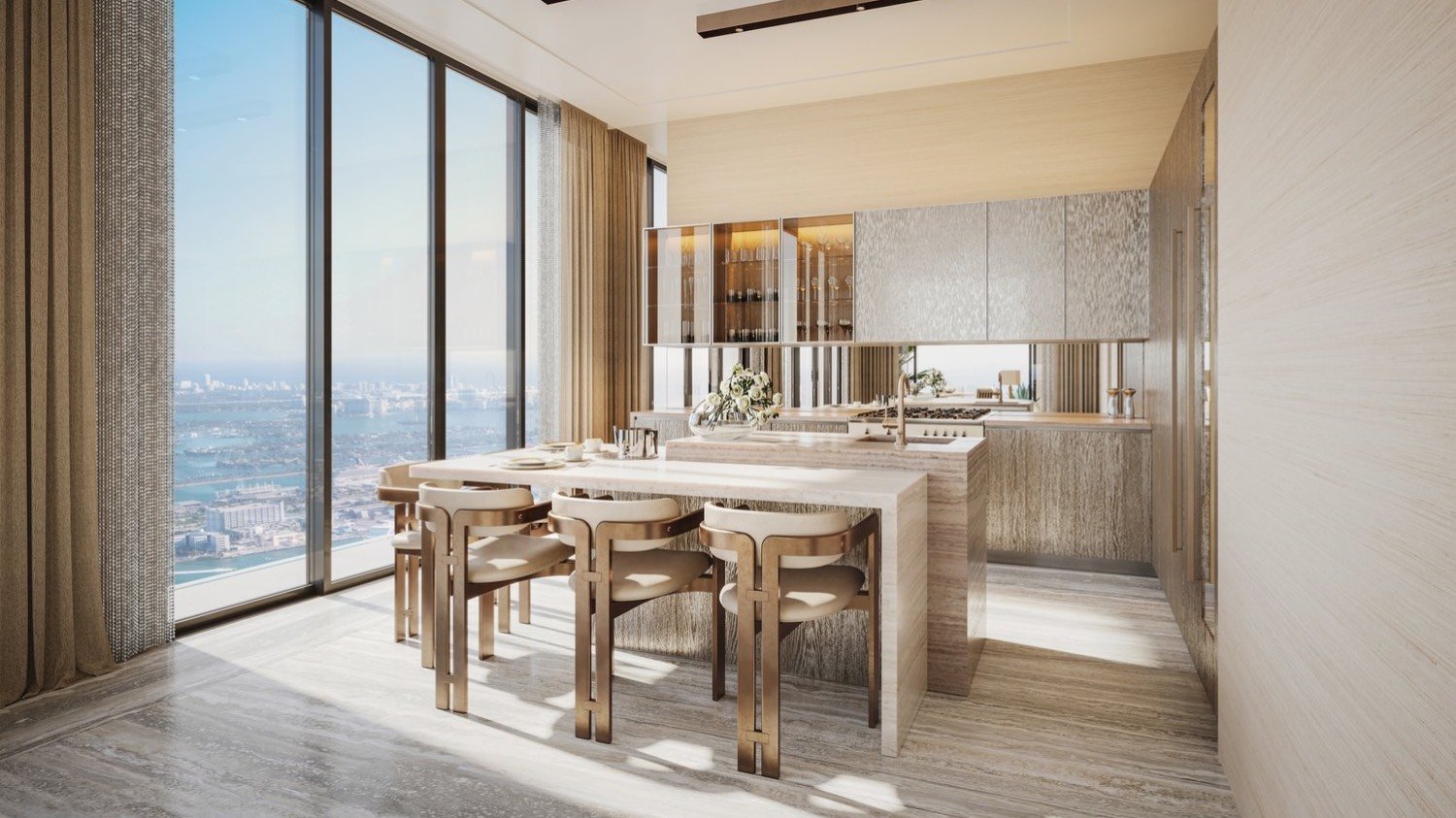
Brickell’s Next Luxury Baseline: Three Interior Philosophies Buyers Are Actually Choosing
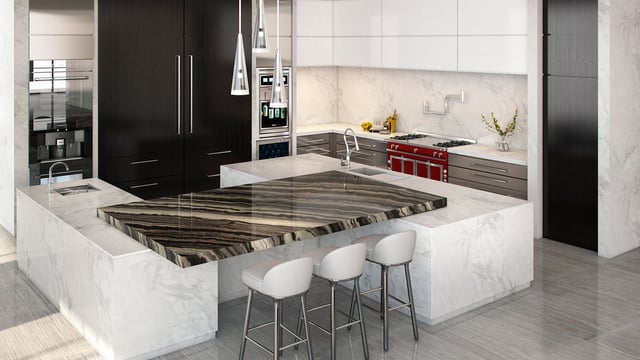
In Brickell, the most meaningful differentiator in new luxury towers is no longer a view line or amenity deck. It is the interior philosophy: whether a residence arrives as a calibrated design language, a turn-key furnished home, or a privacy-first waterfront retreat. Using current marketing materials, MILLION Luxury compares Mercedes-Benz Places, ORA by Casa Tua, and Una Residences through the lens most relevant to end users and investors: finishes, furnishing strategy, kitchen and bath specifications, ceiling height and arrival, and what each approach signals about long-term livability and resale.