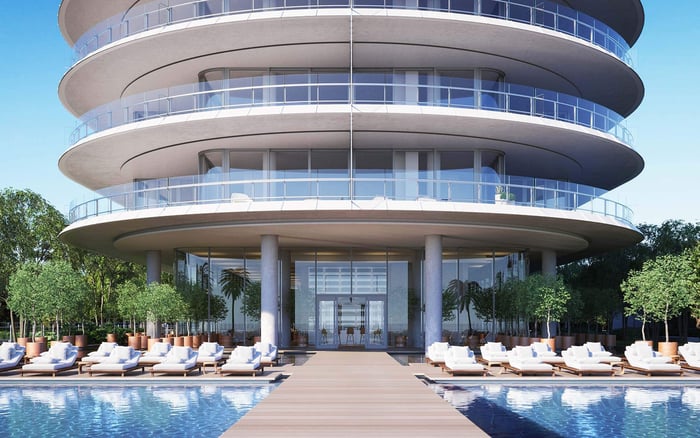
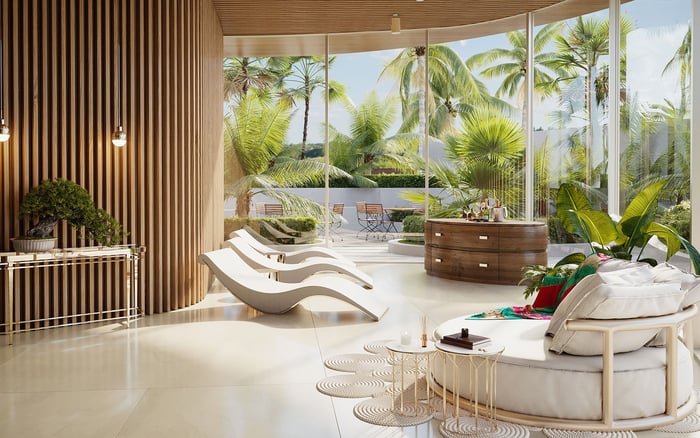
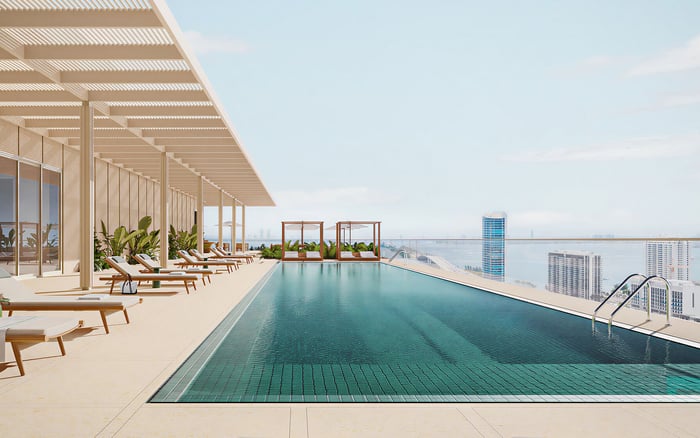
High-elevation pools are equal parts amenity and engineering exercise. For buyers considering Mercedes-Benz Places Miami, the most important questions are not aesthetic but operational: how wind, weight, waterproofing, and maintenance protocols shape day-to-day comfort and long-term value. With limited project-specific technical disclosures available in the materials provided, this editorial focuses on the practical logistics that typically govern elevated aquatic decks in Brickell towers, and the due diligence points sophisticated purchasers should put in writing before closing.
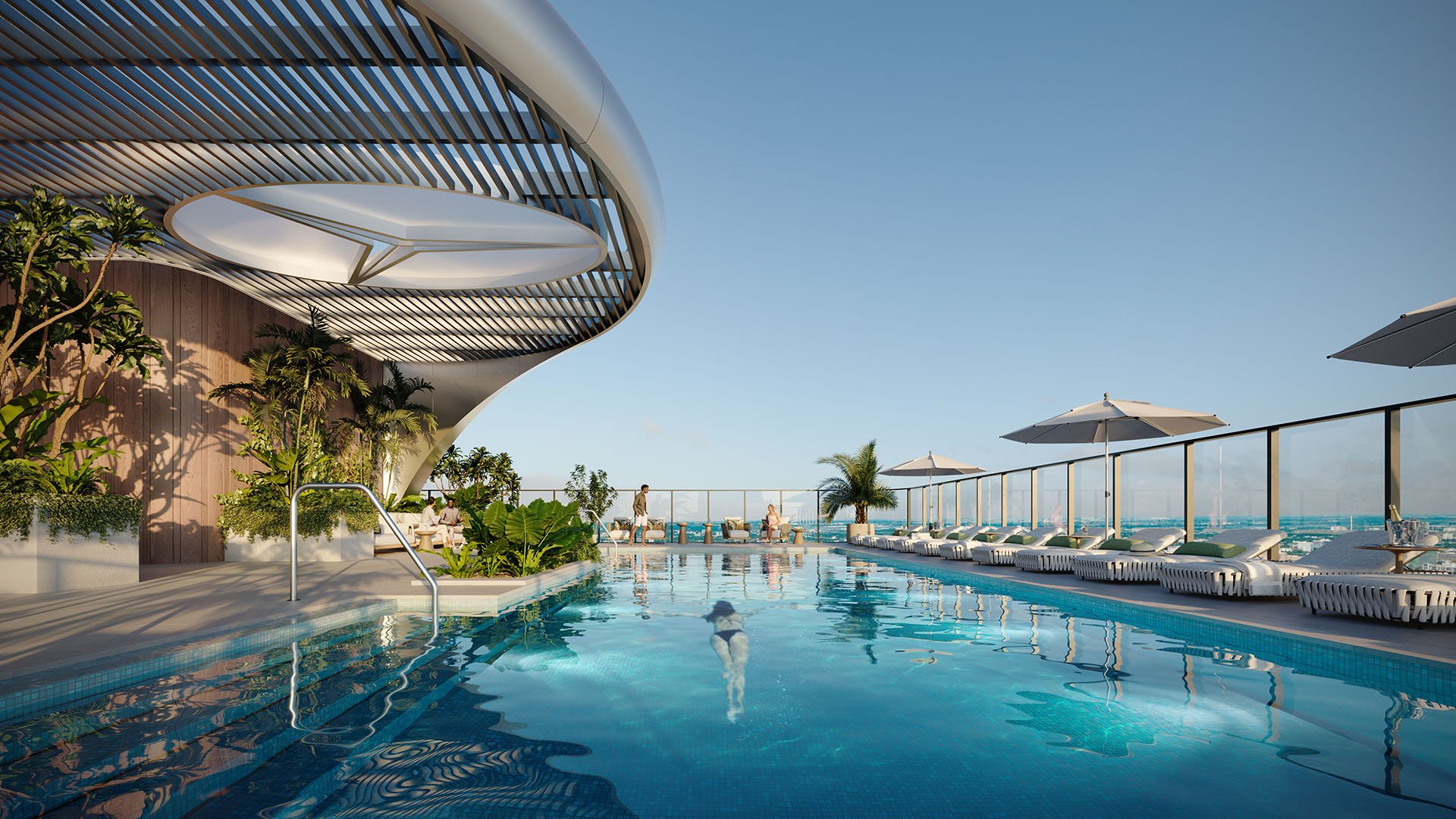
A pool at height reads as pure leisure, but it performs like infrastructure. The moment water is lifted into the sky, it becomes a system of forces, tolerances, and service requirements-materially different from a ground-level resort deck.
For a buyer assessing Mercedes-Benz Places Miami, the right frame is simple: the view is the marketing; the logistics are the lifestyle. Elevated pools can be extraordinary when wind, waterproofing continuity, vibration, and maintenance access are engineered from the start. They can also feel unexpectedly compromised when comfort and operations are treated as afterthoughts.
In Brickell, this matters because tower geometry, open exposures, and year-round use place real demands on an amenity deck. The goal is not to guess what the building will be, but to understand what the pool must do every day-in every weather condition-for decades.
At height, wind is the first reality check. Even a beautifully designed pool can turn into a largely empty amenity if gusts make towels unmanageable, water surfaces too agitated for comfort, or the surrounding deck unpleasant for lounging.
Practical questions buyers should ask the sales team and property management include:
Wind mitigation strategy.
Is the pool sheltered by architecture, landscaping, or glazing? If windscreens are used, are they engineered and permitted as part of the original design rather than retrofitted later?
Solar and shade planning.
Elevated decks can run brighter and hotter, with reflective glare off surrounding façades. Shade structures are not merely decorative; they function as thermal control.
Water temperature stability.
Wind accelerates evaporative cooling. A pool that feels perfect at noon can feel sharp at 5 p.m. without robust heating and controls.
In luxury buildings, the best high-altitude pools feel calm because the environment has been tuned. In a market that also values wellness programming, that same tuning often shows up in adjacent spa features and quieter, more private lounge zones. If you are comparing experiences across neighborhoods, it is worth touring an established wellness-forward project such as The Well Coconut Grove to calibrate what “comfort engineered” can feel like in practice.
Water is heavy, and a pool at elevation concentrates that load into a finite footprint. From a buyer’s standpoint, you do not need to be a structural engineer to recognize the downstream implications:
Deflection control influences the waterline.
Excess movement can create slosh, stress finishes, and telegraph into cracks over time.
Vibration affects serenity.
Amenity decks that share structural elements with fitness areas, mechanical rooms, or busy circulation can transmit subtle vibration into the pool zone.
Setbacks and cantilevers raise the stakes.
The more dramatic the architecture, the more you want clarity on how that drama was engineered-and how it will be maintained.
When evaluating a high-rise purchase, ask whether the building provides a clear description of the pool structure and how it is isolated from adjacent uses. A refined pool experience is quiet not by accident, but by deliberate separation of systems.
In South Florida, the most expensive pool problems are rarely the ones you notice on day one. They are the slow issues: moisture migration, corrosion, and failures at transitions between materials.
For an elevated pool, the critical elements typically include:
Waterproofing assemblies and terminations.
Continuity from pool shell to deck to planters to façade is where failures hide. You want confidence in the detailing at corners, drains, penetrations, and expansion joints.
Drainage capacity.
Heavy rain is not theoretical. Ask where water goes when the deck is saturated, and whether overflow paths keep water away from building interiors.
Material selection in a coastal environment.
Even inland-ish exposures in Miami contend with humidity, heat cycles, and aggressive corrosion conditions. Stainless grades, coating systems, and concealed fasteners matter.
This is where “luxury” becomes operational discipline. High-end towers typically schedule periodic inspections and proactive membrane maintenance. Buyers should understand whether reserve planning anticipates that lifecycle, because deferred waterproofing is both a quality-of-life issue and a value issue.
For a broader comparison of amenity decks designed for demanding, year-round usage, it is instructive to look at mature waterfront product where salt and wind are constant. Consider how a project such as Apogee South Beach positions outdoor living as a core promise; it is a reminder that long-term performance is a design language of its own.
If wind is the comfort variable, mechanical access is the reliability variable. Buyers tend to focus on the pool itself, but the day-to-day experience is determined by whether the “back of house” was designed for service.
Key logistics to understand:
Where equipment is located.
Elevated pools often require equipment rooms on or near the amenity level. If equipment is remote, you introduce longer runs, more points of failure, and more complex leak-risk management.
Redundancy and downtime planning.
Does the building have operational flexibility if a pump or heater is offline? Will the pool close for routine maintenance-and if so, what is the typical cadence?
Chemical handling and safety protocols.
Proper storage and ventilation are baseline requirements, but in a high-rise they also minimize odor migration and support safe staff workflow.
Service routes.
How do technicians move parts and supplies without disrupting residents? Private service elevators and planned access matter more than most brochures suggest.
In a premium building, operational convenience is a luxury feature. A pool that stays consistently clear, quiet, and comfortable is usually the result of mechanical design that anticipated service, rather than simply placing equipment wherever it fit.
A sky pool experience should feel exhilarating, not anxious. At elevation, perceptions of safety are as important as safety itself.
Buyers should look for:
Guardrail and glazing details.
Height amplifies the importance of proper rail heights, climb resistance, and clean sightlines. Glass can be beautiful, but it must be specified-and maintained-to remain pristine.
Slip resistance and wet-area detailing.
Deck finishes should be appropriate for constant moisture, sunscreen, and rainfall.
Lighting and nighttime legibility.
Amenity decks that are gorgeous by day can read underlit at night. Thoughtful lighting supports both ambiance and safety.
If you are evaluating multiple Brickell options, compare how each project resolves outdoor circulation and edge conditions. For a different angle on amenity planning in the district, a tour of 2200 Brickell can help you benchmark how privacy and neighborhood scale influence outdoor comfort.
Noise behaves differently at height. Wind can carry voices across terraces, and hard surfaces can amplify sound when acoustic absorption is not designed into outdoor rooms.
For residents, the questions become lifestyle-specific:
Will the pool read as a social club or a quieter retreat?
Are there distinct zones for families, lap-oriented swimming, and lounging?
How is music handled, and how are quiet hours enforced?
Luxury buyers should also ask about policies: guest limits, reservable cabanas, and event rules. The most functional pools are governed as carefully as they are designed.
A high-altitude pool is a capital asset. Like all assets, it carries ongoing costs and periodic reinvestment cycles.
Before closing, request clarity on:
Maintenance responsibilities and schedules.
Not the marketing version-the operational plan.
Replacement planning.
Deck surfaces, waterproofing components, lighting, and mechanical equipment have realistic lifespans.
Risk management.
Ask how incidents are handled and what protocols exist for weather-related closures.
You are not asking for perfection. You are asking for professionalism: a building that treats maintenance as part of the ownership proposition.
With any branded, design-forward tower in Brickell, sophisticated buyers benefit from treating the amenity deck like a mini building within the building.
Consider pressing for the following disclosures or confirmations during contract and design selections:
for the pool and primary seating areas.
and target operational ranges.
and how transitions at planters, drains, and joints are detailed.
for heavy rain events.
and how maintenance is performed without resident disruption.
that set the tone of the pool environment.
If you are the kind of buyer who uses the pool as a daily ritual rather than an occasional indulgence, you may also want a reference point in a different submarket where outdoor living is equally central. A beachfront building such as 57 Ocean Miami Beach is useful for understanding how salt, wind, and privacy expectations shape outdoor amenity planning.
What makes a “high altitude” pool harder to operate than a ground-level pool? Wind exposure, service access, and waterproofing complexity increase at elevation.
Will wind always be a problem on a sky pool deck? Not necessarily; good design can shelter seating areas and calm the microclimate.
Why does waterproofing matter more for an elevated pool? Leaks can affect occupied spaces below, so detailing and maintenance become critical.
How can I tell if a pool will feel comfortable year-round? Ask about heating capability, wind mitigation, and shade planning for the deck.
Where is the pool equipment usually located in a high-rise? Often on or near the amenity level to simplify pumping, filtration, and service.
Do high-altitude pools require more frequent maintenance? They can, because exposure and complexity tend to increase wear and service needs.
Is glass railing around a sky pool safe? Properly engineered railing systems are designed for safety, but upkeep matters.
Can pool noise affect nearby residences? Yes; acoustics, policies, and the layout of the deck influence sound travel.
What should I request during due diligence for Mercedes-Benz Places Miami? Written details on wind comfort, waterproofing scope, drainage, and service access.
Does a sky pool influence long-term value? When it remains consistently usable and well-maintained, it can strengthen appeal.
For a confidential assessment and a building-by-building shortlist, connect with MILLION Luxury.
If branded residences are on your mind — as a home or as an allocation — we would be glad to share what we are seeing, privately.
Begin a quiet conversation