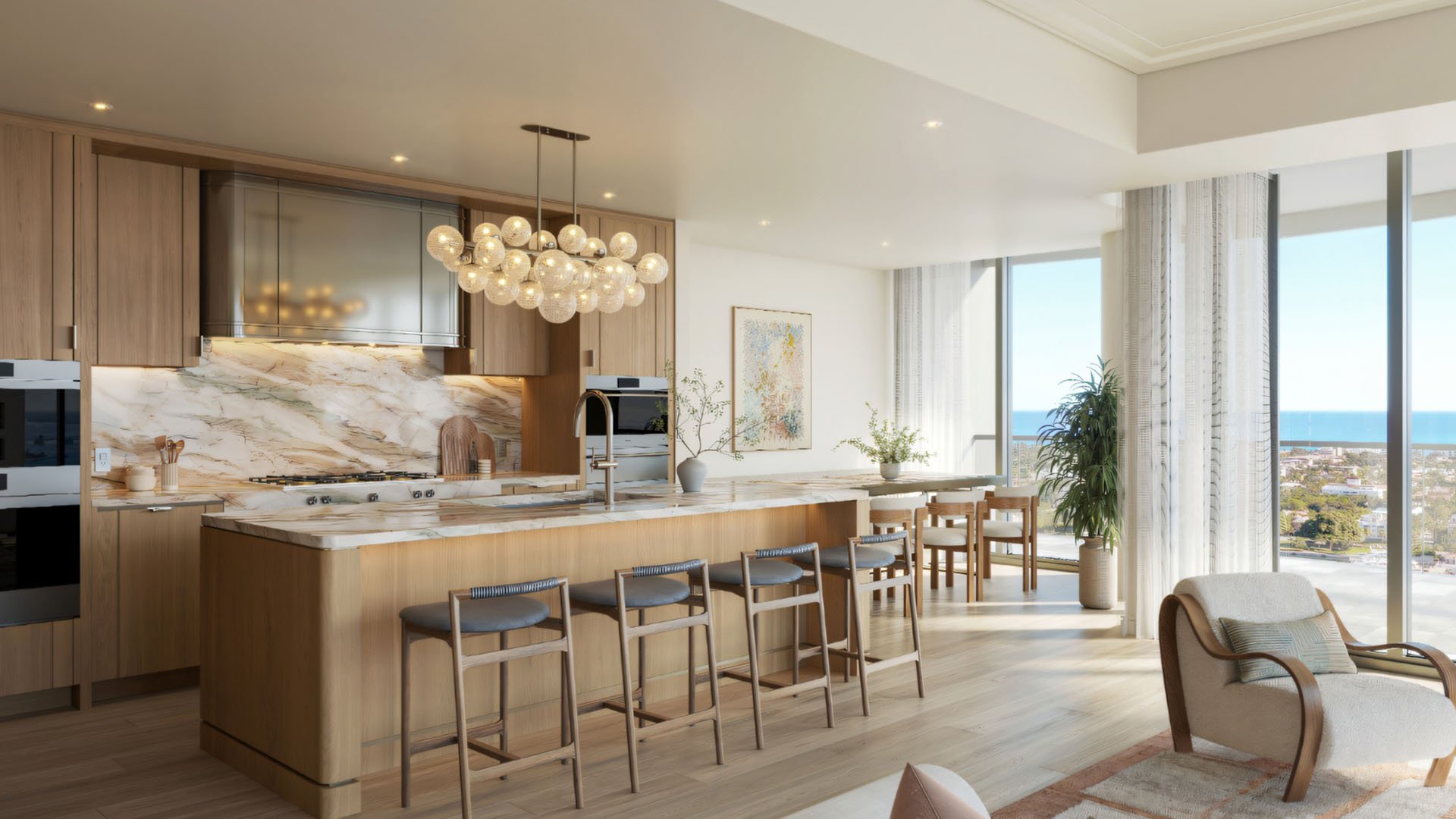
Gourmet Pantry Integration: MOD West Palm Beach and Vitae Residences Edgewater Comparisons
A discreet buyer’s guide to evaluating gourmet pantry integration at MOD West Palm Beach and Vitae Residences Edgewater, with emphasis on storage logic, service flow, entertaining, privacy, and long-term livability.

Tax Impact Comparison: Fisher Island Point Italia and Palm Beach Mainland Estates
A discreet buyer-oriented comparison of how ultra-prime purchasers can think about tax exposure, holding structure, reassessment risk, and advisory review when weighing Fisher Island Point Italia against Palm Beach mainland estates.

Top 5 Luxury School District Zones: Mandarin Oriental Residences to The Patrician
A discreet buyer’s guide to South Florida luxury addresses where school-district considerations intersect with branded residences, estate neighborhoods, and long-term resale strategy.

The Berkeley Palm Beach and Palm Beach Residences: Which Residence Better Fits Full-Time Luxury Living?
A buyer-focused comparison of The Berkeley Palm Beach and Palm Beach Residences for full-time luxury living, centered on privacy, services, seasonal rhythm, governance, and daily lifestyle fit.

Palm Beach Estate Art Storage: Brazilian Court Residences and Chesterfield Facilities
A buyer-focused guide to approaching estate-level art storage in Palm Beach, with emphasis on climate discipline, security, insurance readiness, and the discreet logistics collectors should evaluate before acquiring or fitting out a residence.

School District Boundary Changes: Mandarin Oriental Residences and The Patrician Updates
A discreet buyer-focused guide to school district boundary change diligence for Mandarin Oriental Residences, The Patrician, and South Florida luxury households.