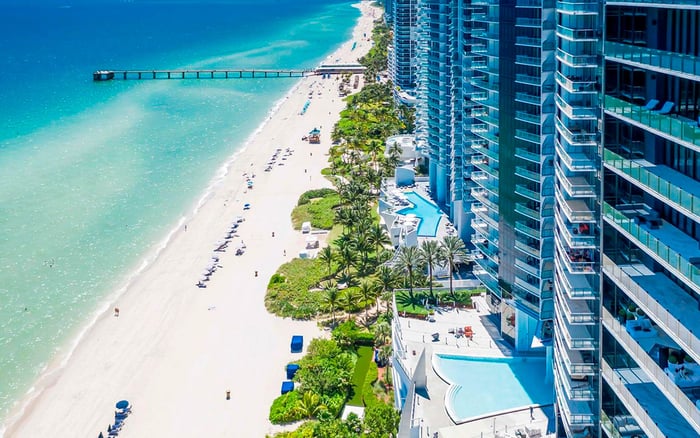
In Sunny Isles Beach, oceanfront living is as much an engineering choice as an address. For high-net-worth buyers, hurricane resilience is not a talking point, it is a standard that shows up in building form, glazing strategy, backup power planning, flood design, and the way a tower manages wind, water, and post-storm operations. This MILLION Luxury editorial frames what “resilient” truly means at the ultra-premium level, then offers a practical, buyer-oriented ranking of ten oceanfront towers that are routinely discussed for their modern construction, elevated specifications, and strong building management culture. Because resilience is as much about governance as it is about concrete, the most compelling towers tend to pair newer envelopes with disciplined operations.
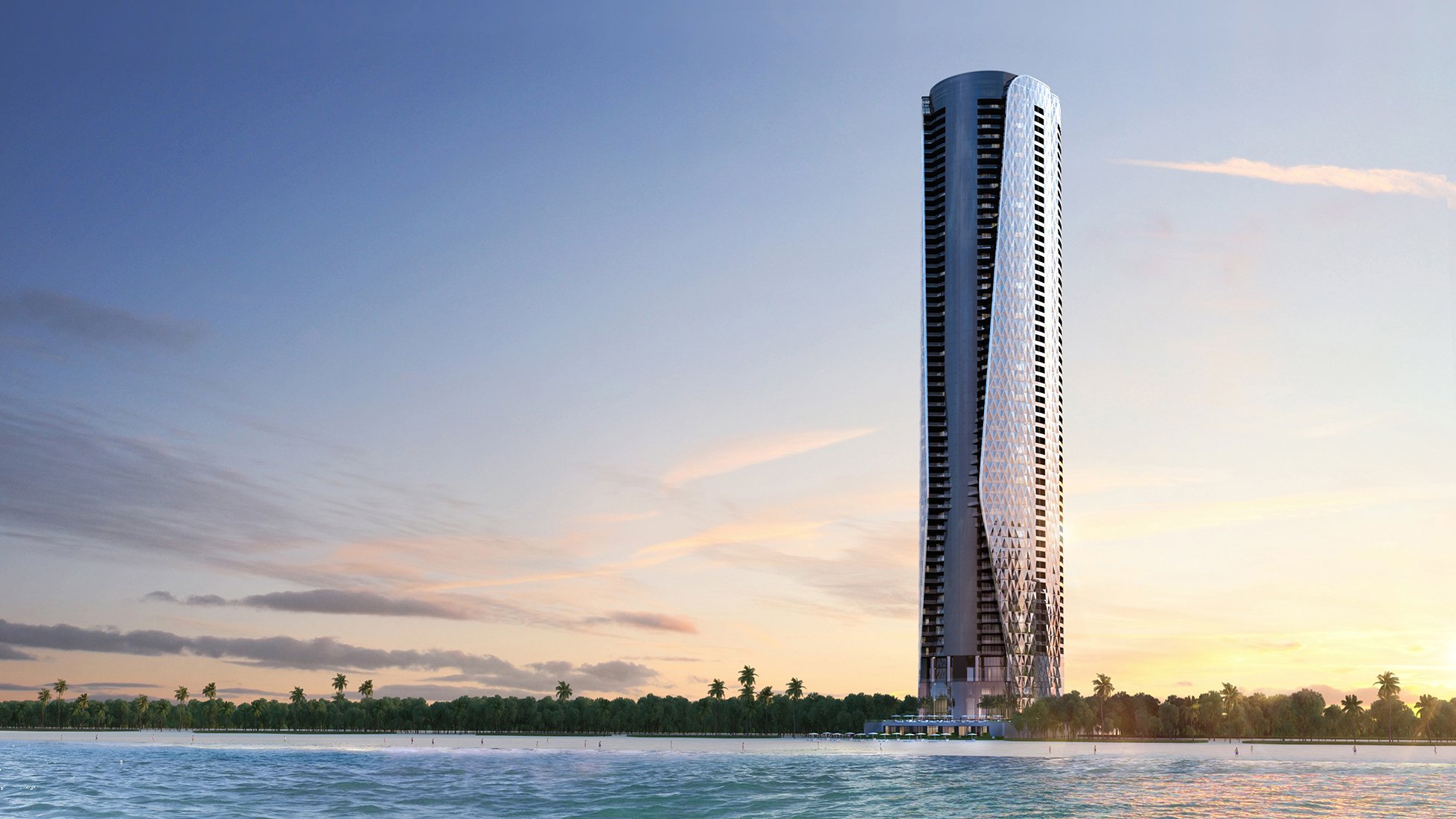
Sunny Isles Beach has always offered a certain clarity: sand at your doorstep, a clean horizon line, and a skyline calibrated for ocean views. For today’s ultra-premium buyer, though, the highest form of luxury is continuity-the confidence that a residence feels as composed after a storm as it does on a calm winter morning.
In practice, “hurricane resilience” is not a single feature. It is a system. It starts with the building’s envelope and structural approach, extends through mechanical and life-safety design, and is ultimately measured by how quickly the property restores normal service. The most resilient towers are typically those conceived with coastal volatility as a core design premise, not an afterthought.
If you are comparing oceanfront options in Sunny Isles, the questions that separate marketing language from real-world performance are remarkably consistent.
Begin with the exterior envelope: impact-rated glazing, door systems, balcony detailing, and the waterproofing strategy. Then assess how the tower manages water at grade: site elevation, garage entry protection, drainage capacity, and the placement of critical equipment. From there, focus on the building’s “day-after” posture-backup power coverage for essential systems, water-pressure management, elevator and access-control recovery, and the depth of on-site staffing and vendor relationships.
Finally, evaluate governance. A disciplined condominium-with healthy reserves, proactive maintenance, and clear storm protocols-can outperform a flashier address that treats resilience as a brochure line. At this level, resilience is operational excellence.
1. Turnberry Ocean Club - modern oceanfront engineering and services
Turnberry Ocean Club is frequently shortlisted by buyers seeking a contemporary tower with a strong lifestyle platform and a build profile that reads as current coastal construction. From a resilience standpoint, the appeal is direct: modern envelope expectations, current mechanical planning, and an owner base that tends to demand best-in-class operations.
In a storm market, operational readiness is a luxury. Towers that invest in preparedness, staffing continuity, and clear resident communications tend to restore calm faster.
2. Jade Signature - newer-generation beachfront construction
Jade Signature is often discussed as a newer benchmark for Sunny Isles, pairing design-forward residences with building systems buyers associate with recent coastal high-rise standards. For resilience-minded purchasers, the value proposition is the general advantage of newer construction: tighter building envelopes, updated glazing assumptions, and more contemporary life-safety integration.
A smart diligence step is confirming how much essential service is supported when the grid is stressed-and how quickly the property transitions back to full operations.
3. Jade Ocean - established luxury with modern-era expectations
Jade Ocean is known as a sleek, ocean-oriented condominium that appeals to buyers who prioritize views and a clean architectural profile. In a resilience framework, the building’s modern character matters: later-generation coastal high-rises are typically designed with stricter wind and water assumptions than legacy towers.
If you are comparing within the same neighborhood, ask for clear detail on flood-related protections at entrances and where critical systems are located.
4. Regalia - boutique scale, high control, and fewer variables
Regalia’s boutique positioning can be an advantage when evaluating resilience: fewer residences can mean tighter common-area usage, simpler operational logistics, and a shorter feedback loop between ownership and management.
Resilience is partly a game of complexity. The more complex the building’s circulation and amenity footprint, the more it matters that staff can execute protocols flawlessly.
5. The Estates at Acqualina - ultra-amenitized, high-expectation operations
The Estates at Acqualina sits in a category where owners expect full-service continuity, and property teams are often structured accordingly. In storm conditions, buildings with deeply service-oriented cultures can excel in planning, messaging, and re-entry management.
For buyers, diligence should include how common-area systems are prioritized, what “essential operations” means in practice, and how the tower manages access, security, and resident comfort during service interruptions.
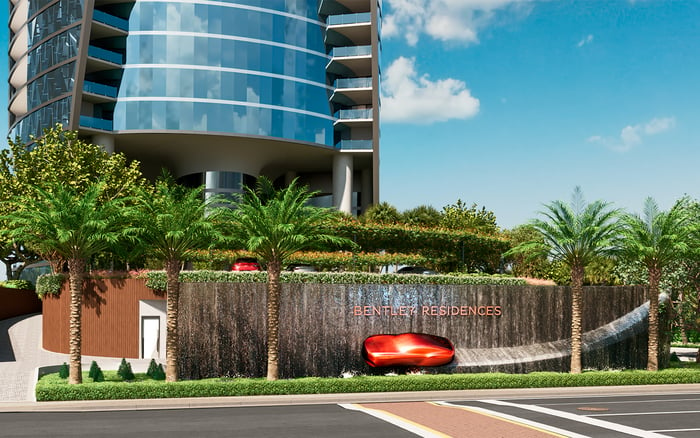
6. Bentley Residences Sunny Isles - new-forward concept with engineered intent
Bentley Residences Sunny Isles reflects the next wave of branded, engineering-led development-designed for buyers who want distinction and a forward-looking building concept. Newer towers in this class are typically conceived with present-day coastal design realities and elevated expectations for building performance.
Without getting lost in technical minutiae, keep the questions simple: what is backed up, what is protected, and what is the plan for sustained operations?
7. The Ritz-Carlton Residences, Sunny Isles - service culture as resilience
At the top end, resilience is also a hospitality discipline. Buildings with a service culture tend to formalize checklists, train for edge cases, and execute communications cleanly. The Ritz-Carlton Residences, Sunny Isles fits the profile of a tower where process and standards are part of the identity.
For many buyers, that translates into confidence-not only that the building can take weather, but that it can manage the resident experience around it.
8. Muse Residences - contemporary luxury with a focused residential footprint
Muse Residences is associated with a modern, design-conscious presence and a residential feel that remains relatively curated. In a resilience conversation, that curated footprint can matter: fewer moving parts, fewer public-facing uses, and often a more direct relationship between ownership priorities and building decisions.
When touring, watch the practicalities: how the lobby is protected, how deliveries are handled, and how access is controlled when conditions deteriorate.
9. Armani Casa Sunny Isles Beach - branded standards and modern coastal build logic
Armani Casa Sunny Isles Beach attracts buyers who value brand standards and a polished, consistent approach to interiors and common areas. Branded developments can carry an added layer of operational expectation, which becomes especially relevant during disruptions.
The key is confirming that the brand promise is matched by behind-the-scenes capabilities: staffing depth, vendor readiness, and a realistic plan for resident support.
10. St. Regis® Residences Sunny Isles - formal service model and continuity mindset
St. Regis® Residences Sunny Isles is positioned for buyers who want formality and a high-touch operating style. In resilience terms, high-touch becomes high-function when it is supported by protocols, training, and a clear chain of command.
The most resilient buildings are rarely the loudest. They are the ones that return to normal with minimal friction.
In a perfect world, every building would provide a clean, comparable set of resilience disclosures. In reality, the most useful comparisons are often experiential.
Ask to review the storm protocol summary, and understand who makes decisions and how residents are notified. Walk the arrival sequence and note whether the building feels protected or exposed at grade. Consider elevator dependence: a tower can have strong glazing and still feel vulnerable if vertical circulation becomes a bottleneck.
Also calibrate to your own risk posture. If you plan to use the property seasonally, you may care more about prolonged closures and re-entry. If you live full-time, you may prioritize backup-power coverage, water-pressure continuity, and consistent staff presence.
Sunny Isles is often described as a pure oceanfront corridor-and that clarity is exactly the point. You are buying the Atlantic, framed daily. But as South Florida evolves, buyers increasingly cross-shop with other coastal submarkets for design, services, and new construction.
If you want a nearby comparison point for modern coastal living with a quieter, more residential cadence, 2000 Ocean Hallandale Beach often enters the conversation. If you are weighing an oceanfront second home against a more urban, high-elevation lifestyle with different infrastructure considerations, 2200 Brickell and 888 Brickell by Dolce & Gabbana illustrate how luxury buyers diversify across waterfront typologies. And for those drawn to a Miami-beach-adjacent coastal sensibility, 57 Ocean Miami Beach provides another reference point for boutique oceanfront living.
The common thread is not only architecture. It is the confidence that the building can protect both the residence and the resident experience when conditions turn.
A truly resilient oceanfront tower is one where structural intent, envelope discipline, and operations move in lockstep. In Sunny Isles, the strongest candidates tend to share three traits: modern construction logic, well-capitalized management, and a resident culture that expects the building to perform.
When you tour, keep the conversation concrete. Ask what is protected, what is backed up, what is staffed, and what happens in the first 24 hours after an event. In this market, peace of mind is not an upgrade. It is the foundation.
What does “hurricane resilient” mean for an oceanfront tower? It means the building is designed and operated to limit damage and restore services quickly, including envelope performance and post-storm protocols.
Are newer Sunny Isles towers generally more resilient than older ones? Often, yes, because more recent coastal high-rises typically follow stricter wind and water design assumptions and newer building technologies.
Do impact windows guarantee safety and continuity? No. They are important, but continuity also depends on power, pumps, waterproofing, staffing, and a disciplined recovery plan.
What should I ask about backup power? Ask which systems are supported and for how long, and whether essential services include elevators, water pressure, and access controls.
How does a building’s site elevation affect resilience? Higher and better-protected entrances reduce water intrusion risk, especially for lobbies, garages, and critical equipment areas.
Do boutique towers have an advantage in storms? They can, because fewer units and simpler amenity footprints may make operations and communications easier to manage.
Is storm readiness mostly about construction or management? Both. Strong construction helps prevent damage, but strong management determines how smoothly the building functions during disruptions.
What documents should I review during due diligence? Request storm procedures, recent maintenance records, reserve posture, and any building-wide upgrade history that affects envelope and systems.
How should seasonal owners think about resilience? Prioritize communication protocols, re-entry logistics, and how the tower secures and monitors residences when owners are away.
Can I evaluate resilience during a normal showing? Yes. Pay attention to protected arrivals, drainage cues, equipment locations, and whether staff can clearly explain storm operations.
If you'd like a private walkthrough and a curated shortlist, connect with MILLION Luxury.
If branded residences are on your mind — as a home or as an allocation — we would be glad to share what we are seeing, privately.
Begin a quiet conversation