Post-Surfside reserve reforms have changed how Florida condo owners pay for long-term building obligations. For luxury buyers, reserves are now a frontline due-diligence item that can meaningfully affect monthly costs, resale liquidity, and negotiating leverage. This guide explains what reserves are, why they matter more today, and how to interpret a building’s financial posture with a buyer’s lens.
Condo association reserves used to surface mainly during budget season-or in the uneasy lead-up to a special assessment. Post-Surfside, that era has ended. In South Florida’s luxury market, buyers are increasingly underwriting the building as carefully as the residence itself: governance, engineering posture, insurance strategy, and, most critically, reserves.
Reserves are not a luxury accessory. They are the association’s long-term capital plan expressed in dollars-funds held for future repair and replacement obligations. Think concrete restoration, waterproofing, roofing systems, mechanicals, elevator modernization, life-safety equipment, facade maintenance, and major common-area renewals. In practice, a reserve line item functions as a promise: the building intends to maintain itself on schedule, without turning every major project into a financial shock.
For buyers, the implication is simple. A residence can be immaculate, but if the association’s reserve position is thin, ownership can become unpredictable. The inverse is also true: a well-capitalized association may feel more expensive month to month, yet it often delivers a calmer, more financeable version of condo ownership-one where long-term obligations are anticipated and funded.
Reserve funds are dedicated monies set aside for future capital expenditures and deferred maintenance. They are separate from the operating budget, which covers recurring expenses such as staffing, common-area utilities, routine maintenance, management, and certain insurance costs.
For a luxury buyer, the distinction is decisive: operating budgets keep the building running; reserves keep the building whole.
Reserves are also not a proxy for “wealthy owners.” A building can have high-net-worth residents and still underfund reserves if prior boards suppressed fees, relied on optimism, or deferred projects. Conversely, a building can maintain disciplined reserves while still making thoughtful decisions about efficiency and value. Governance quality matters at least as much as the depth of pocketbooks.
The practical shift after Surfside is that structural stewardship has moved to the center of the ownership bargain. The luxury buyer’s expectation has evolved from “beautiful amenities and an attentive staff” to “beauty, service, and an institutionally credible maintenance plan.”
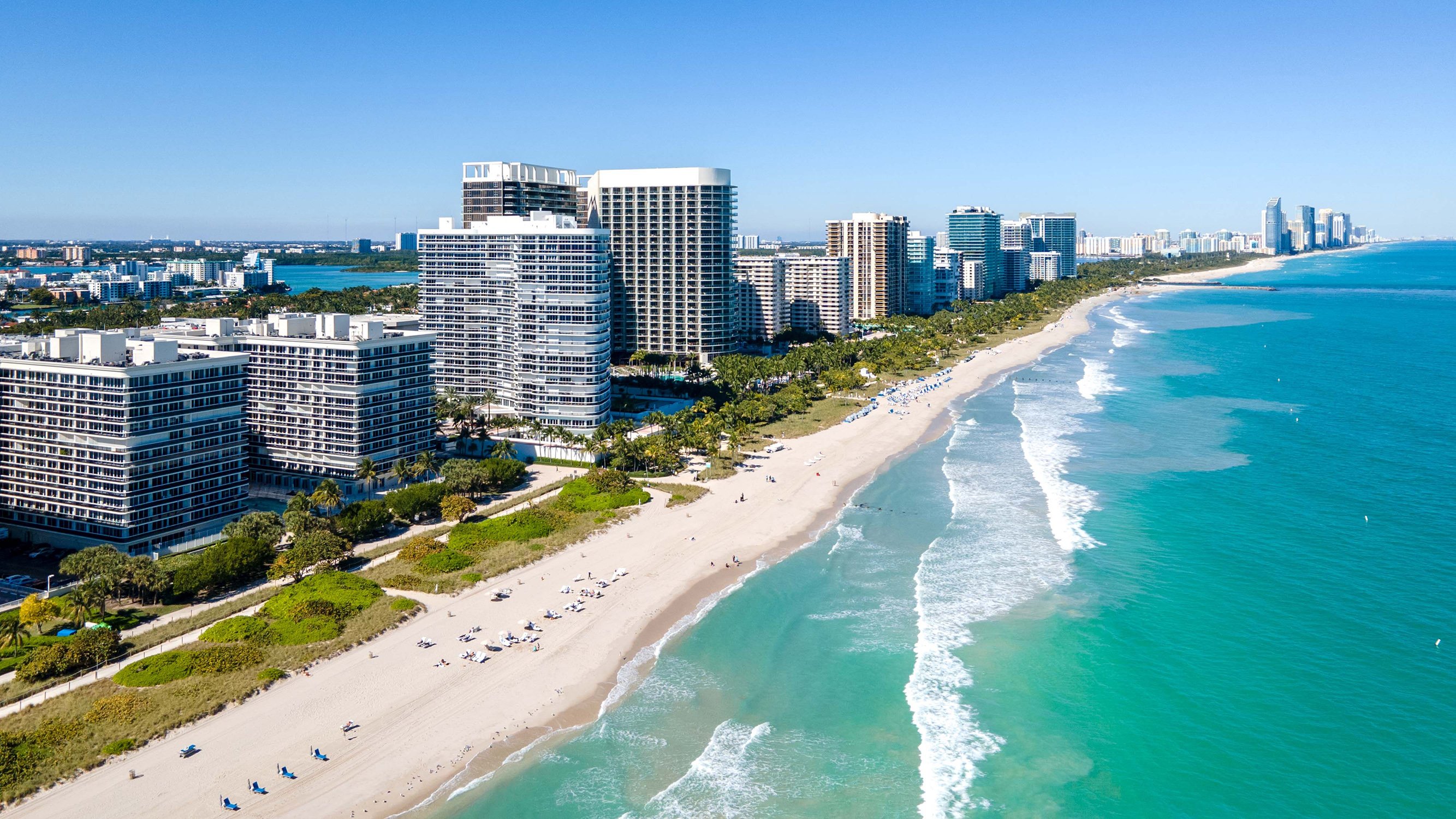
In markets like Miami Beach and Surfside, ocean exposure and salt air increase urgency and complexity. A refined facade, an elevated pool deck, and a pristine lobby are not simply aesthetic achievements; they are ongoing commitments that demand systematic capital planning. If you are evaluating a boutique address such as 57 Ocean Miami Beach, it is worth remembering that true luxury is not only design, but durability.
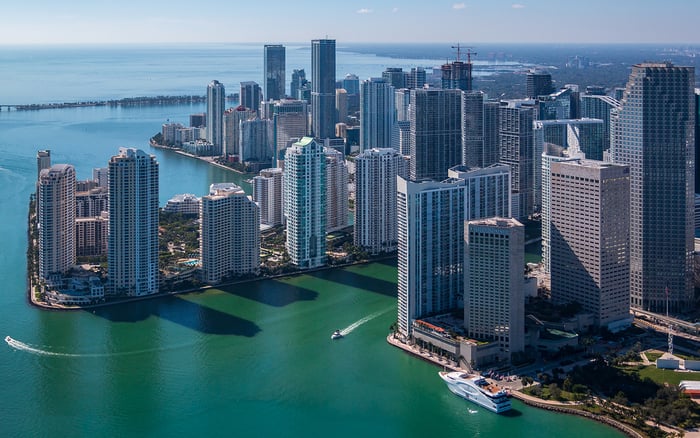
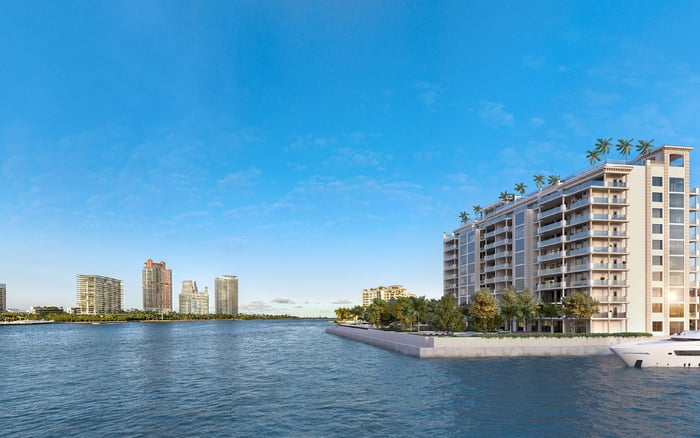
In Brickell and Downtown, vertical density and mechanical complexity can create a different reserve profile, with HVAC systems, elevator banks, and life-safety infrastructure carrying significant weight. For buyers considering newer, design-forward towers such as 2200 Brickell, the question is less about imminent concrete work and more about whether the association is funding a long-horizon plan from day one-rather than postponing inevitable capital needs.
A reserve schedule can look precise and still mislead if you don’t know what to evaluate. The goal isn’t to memorize accounting language. It’s to understand the building’s philosophy of responsibility.
Key concepts to interpret:
Fully funded vs. partially funded: A “fully funded” posture generally signals that reserve contributions align with a long-term replacement schedule. A partially funded posture can be acceptable if it is intentional and transparent-but it should come with a credible plan, not vague reassurance.
Component list quality: Strong reserve planning tends to be granular. Major components are separated, with estimated remaining useful life and replacement-cost assumptions. A thin component list can obscure future needs.
Cash flow versus adequacy: A healthy bank balance today does not automatically mean a healthy reserve program. The key is whether current contributions match projected obligations.
Timing risk: The most painful scenario isn’t low reserves in the abstract; it’s low reserves precisely when big-ticket work comes due. That’s when special assessments appear-often with short payment windows.
For ultra-premium buyers, the most useful question is elegantly simple: will future owners inherit well-planned maintenance, or a series of expensive surprises?
In a post-Surfside environment, special assessments are more visible-and more nuanced than the market’s knee-jerk reaction suggests.
A special assessment can signal:
Catch-up funding after years of low reserves
A single extraordinary project that exceeds the planned reserve schedule
A strategic decision to complete work quickly rather than wait to accumulate cash
In luxury buildings, boards sometimes prioritize speed and certainty, especially when market conditions favor decisive action and contractor availability is constrained. The red flag is not the existence of an assessment; it’s the absence of a coherent narrative. If the association cannot explain the scope, bidding process, timeline, and post-project reserve strategy in plain language, the risk profile rises.
Reserves are now part of price discovery-not as a simplistic “good building equals higher price” formula, but in how buyers adjust for future cash calls.
A disciplined buyer may negotiate based on:
Upcoming capital work likely to affect livability (scaffolding, balcony closures, pool deck construction)
Monthly carry that may rise as reserves are rebuilt
Liquidity risk if future buyers become more sensitive to financial disclosures
Sellers in well-capitalized buildings increasingly position reserves as a feature, not a cost. They frame the building as “already underwritten.” In markets with sophisticated, finance-literate purchasers, that positioning can matter.
For buyers, the opportunity is to align value with reality. A residence that looks attractively priced can be less compelling once you model a credible reserve-contribution trajectory. Conversely, a higher monthly fee can reflect the building paying today for tomorrow’s obligations-a form of luxury in itself: predictability.
South Florida is not a single condo market; it’s a portfolio of micro-climates, building vintages, and governance cultures.
Miami Beach and Surfside: Salt, wind, and oceanfront conditions elevate the importance of waterproofing, facade maintenance, and corrosion management. Boutique luxury can be exceptional here, but the reserve mindset must match the environment. Buildings such as The Surf Club Four Seasons Surfside exist in a context where stewardship is continuous, not occasional.
Hallandale and the Northern coastline: Many buyers are drawn to expansive views, resort amenities, and newer inventory. When evaluating a trophy address like 2000 Ocean Hallandale Beach, the reserve question becomes: is the association maintaining a long horizon even while the building still feels “new”? Newness is not immunity; it is simply the start of a maintenance timeline.
Brickell: Density, amenities, and building systems can be more complex than they appear in a sales brochure. A sophisticated reserve program should anticipate major mechanical replacements, elevator lifecycle planning, and high-use amenity wear.
The goal is to ask questions a well-run association can answer comfortably.
Ask for the current budget and reserve schedule and read for clarity, not just totals.
Identify near-term major projects and whether they are already funded.
Look for a pattern: steady contributions and planned work tend to correlate with fewer disruptions.
Review rules and governance posture: disciplined financial planning often sits alongside disciplined operational planning.
Model total cost of ownership: monthly fees plus any credible assessment risk-not just today’s number.
Listen for precision: “we’re looking into it” is not the same as “we have a scope, bids, and a timeline.”
This isn’t about being adversarial. It’s about aligning a lifestyle purchase with an institutional reality.
Post-Surfside, reserves are no longer an administrative detail; they are a primary determinant of ownership quality and future resale ease. In South Florida’s luxury segment-where buyers expect discretion, service, and permanence-the building’s capital plan is part of the product.
The most successful purchasers do two things well: they choose the residence they love, and they choose the association they can trust.
What are condo reserves in simple terms? Money the association sets aside for future major repairs and replacements, separate from day-to-day operating expenses.
Do higher reserves always mean a better building? Not always, but they often reflect disciplined planning and a lower likelihood of surprise special assessments.
Are special assessments always bad? No. They can be a strategic way to fund urgent work, but they should come with clear scope, pricing, and timing.
Will monthly fees rise because of reserve requirements? They can, especially in buildings rebuilding funding levels; the trade-off is typically more predictable long-term costs.
Can a newer luxury building still face reserve pressure? Yes. New buildings still need a long-term plan for mechanical systems, amenities, and exterior maintenance cycles.
What documents should a buyer review related to reserves? The annual budget, reserve schedule, recent financial statements, and any notices about planned projects or assessments.
How do reserves affect resale value? Strong planning can support liquidity by reducing uncertainty for future buyers and lenders.
Do oceanfront condos need different reserve planning? Generally yes; salt air and wind exposure can accelerate wear on exterior components and waterproofing systems.
Can a building have large reserves and still be mismanaged? It can; governance quality matters, so look for transparency, consistent execution, and coherent long-term planning.
What is the most important reserve-related question to ask? Whether upcoming major projects are already funded and whether reserve contributions align with a credible schedule.
When you're ready to tour or underwrite the options, connect with MILLION Luxury.
If branded residences are on your mind — as a home or as an allocation — we would be glad to share what we are seeing, privately.
Begin a quiet conversation