How the Certificate of Use Requirements Impact Miami Vacation Rental Investors
In Miami, vacation-rental performance is not only a function of design, view, and walkability. It is also a compliance question. A Certificate of Use can determine whether a property can legally operate at the cadence investors expect, shaping everything from underwriting and renovations to closing timelines and resale liquidity. This editorial explains what sophisticated buyers should understand before they treat a luxury condo or pied-à-terre as a short-term rental asset.

Navigating the Tax Implications of Fractional Condominium Ownership in Miami Beach
Fractional condominium ownership can unlock Miami Beach access with a smaller equity check, but its tax profile is not “lite.” How you hold title, how you use the residence, and how the agreement allocates income and expenses can change your federal, state, and local outcomes. This guide frames the core questions affluent buyers and their advisors typically pressure-test before committing to a fractional structure.

How Proposed Homestead Tax Eliminations Will Accelerate the Transition of Miami Secondary Homes into Primary Residences
Proposals to eliminate or substantially expand homestead-style property-tax relief in Florida have moved from technical policy chatter into dinner-table strategy for owners of Miami-area second homes. For the ultra-premium market, the immediate question is not ideological. It is practical: if the financial advantage of declaring a Florida primary residence becomes meaningfully larger, how quickly will lifestyle-driven “part-time” ownership convert into full-time residency and what will that do to pricing, inventory, and building-level dynamics? With limited verified detail on any specific proposal, the throughline is still clear. Homestead benefits are binary in real life: you either qualify as a primary resident or you do not. When the economic difference widens, behavior follows. In South Florida, where many luxury owners already split time between multiple homes, the friction is rarely emotional. It is administrative, legal, and logistical. Reduce the tax friction and the region’s second-home inventory increasingly behaves like primary-home inventory. This is the inflection point MILLION Luxury clients are already modeling: which properties become “sticky” primary residences, which remain flexible pied-à-terres, and which will be repositioned as long-term rentals or sold into a thinner pool of true second-home buyers.

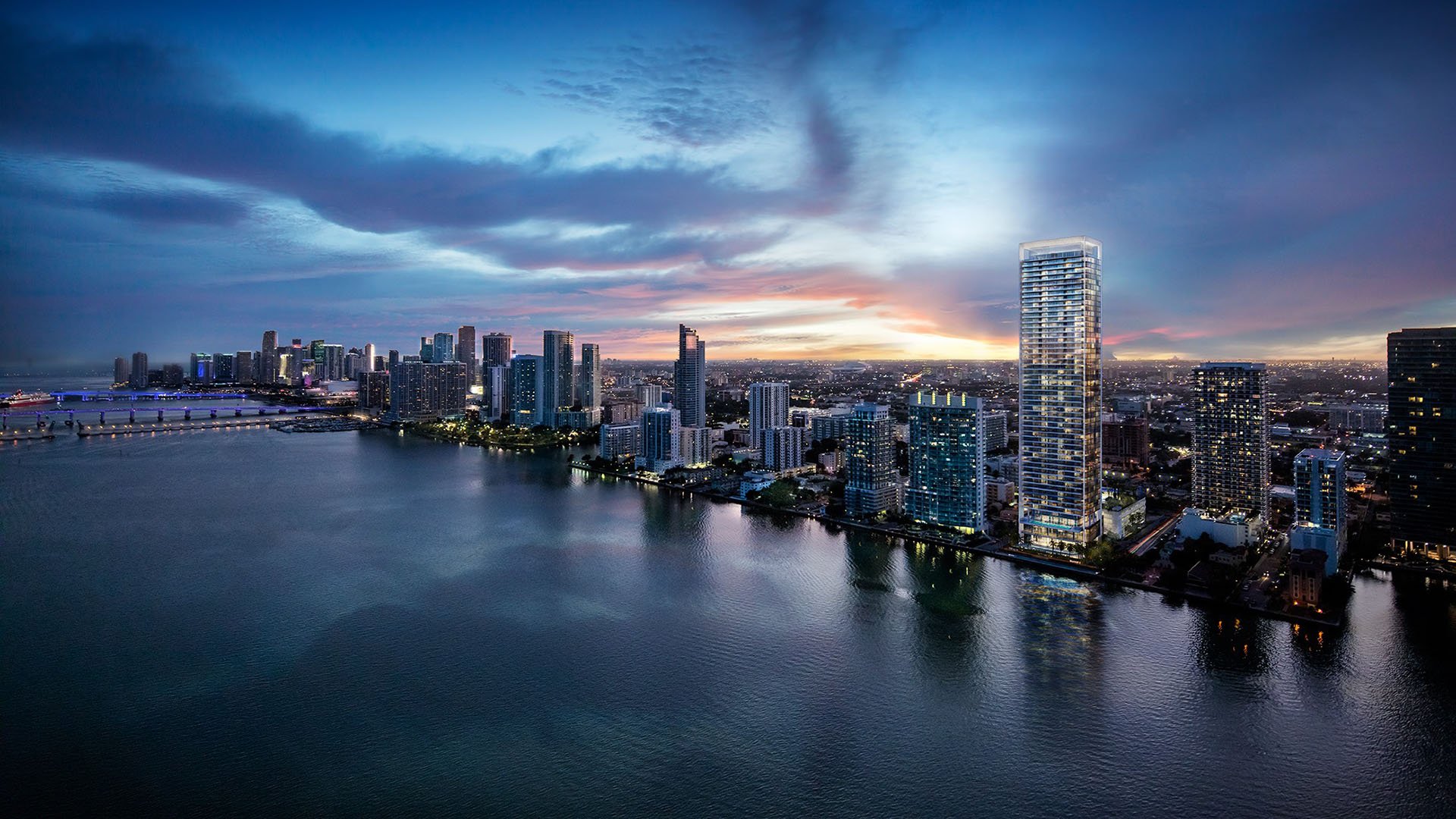
Comparing Short-Term Rental Flexibility and Blackout Dates: Shoma Bay North Bay Village vs. Pagani North Bay Village
A buyer-oriented comparison of how short-term rental flexibility and potential blackout dates can influence ownership strategy at Shoma Bay and Pagani Residences in North Bay Village.

The Financial Logic of Retaining a Property as a Rental Asset vs Selling
For South Florida’s luxury homeowner, the decision to sell a residence or retain it as a rental is less a binary choice than a capital allocation exercise. It sits at the intersection of cash flow, taxes, risk, lifestyle optionality, and the often underappreciated value of holding a scarce, well-located asset through market cycles. In prime coastal neighborhoods, selling can crystallize a gain and simplify the balance sheet. Retaining can convert a trophy residence into an income-producing holding with inflation-sensitive rent, potential long-term appreciation, and an embedded “return” that is as much strategic as it is financial: the ability to re-occupy, to pivot between long-term and short-term use where permitted, or to keep family access to a preferred lifestyle footprint. This editorial offers a disciplined framework, tailored to high-value properties, to compare hold versus sell without relying on generic rules of thumb.

Assessing the Impact of Formula 1 and World Cup 2026 on Miami Real Estate Yields
Two global sports tentpoles can act less like one-time "events" and more like recurring demand engines, but only if an owner underwrites operations, seasonality, and regulation with discipline. For Miami, Formula 1 has already proven it can draw an ultra-affluent visitor profile; World Cup 2026 will add a second, broader surge with a different cadence and lodging pattern. For investors, the question is not whether demand appears, but where it concentrates, how long it lasts, and which product types can convert spikes into durable yield.