How FinCEN Regulations Are Shaping Cash Transactions in South Florida Real Estate
FinCEN-focused disclosure rules are changing the choreography of all-cash closings across South Florida. For luxury buyers and sellers, the shift is less about restricting legitimate capital and more about formalizing transparency: beneficial ownership, funding pathways, and documentation discipline. The result is a market where “cash” still wins on speed, but only when paired with clean provenance and a well-managed closing team.

How Proposed Homestead Tax Eliminations Will Accelerate the Transition of Miami Secondary Homes into Primary Residences
Proposals to eliminate or substantially expand homestead-style property-tax relief in Florida have moved from technical policy chatter into dinner-table strategy for owners of Miami-area second homes. For the ultra-premium market, the immediate question is not ideological. It is practical: if the financial advantage of declaring a Florida primary residence becomes meaningfully larger, how quickly will lifestyle-driven “part-time” ownership convert into full-time residency and what will that do to pricing, inventory, and building-level dynamics? With limited verified detail on any specific proposal, the throughline is still clear. Homestead benefits are binary in real life: you either qualify as a primary resident or you do not. When the economic difference widens, behavior follows. In South Florida, where many luxury owners already split time between multiple homes, the friction is rarely emotional. It is administrative, legal, and logistical. Reduce the tax friction and the region’s second-home inventory increasingly behaves like primary-home inventory. This is the inflection point MILLION Luxury clients are already modeling: which properties become “sticky” primary residences, which remain flexible pied-à-terres, and which will be repositioned as long-term rentals or sold into a thinner pool of true second-home buyers.

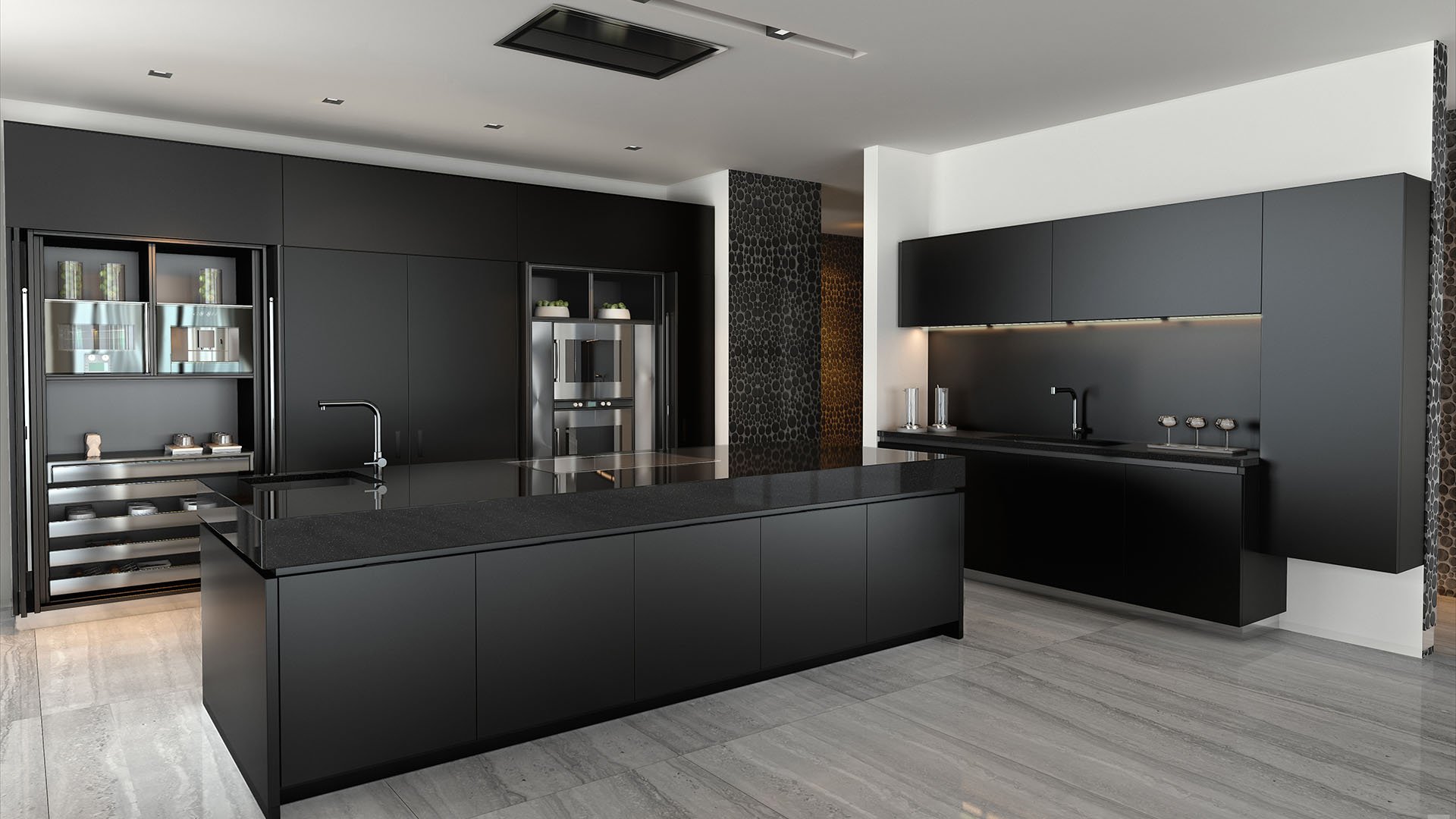
Comparing Culinary Footprints at ORA by Casa Tua Brickell Against Colette Residences Brickell
A buyer-oriented look at how two Brickell residential towers express hospitality through food, kitchen design, and daily rituals, with practical decision points for end users and investors.

Demystifying the Lockout Floorplan: Maximizing Flexibility at 888 Brickell by Dolce & Gabbana
A lockout floorplan is a design strategy that lets one residence perform like two, with a primary suite and a secondary, self-contained wing separated by a controlled interior door. In a market like Brickell, where owners frequently divide time between cities, this flexibility can be more valuable than raw square footage. For buyers evaluating **[888 Brickell by Dolce & Gabbana](https://www.millionluxury.com/brickell/888-brickell-miami-dolce-gabbana)**, “lockout” is not a gimmick. It is a way to protect privacy for principals, host guests without compromising the main residence, and potentially structure occupancy for extended stays, staff, or family visits. The most sophisticated use cases are less about maximizing nights and more about maximizing control.

888 Brickell (Dolce & Gabbana): When High Fashion Meets High-Rise Living
888 Brickell by Dolce & Gabbana is positioning Brickell at the intersection of branded design, turnkey ownership, and hotel-grade service in a planned 90-story, 1,049-foot residential tower. With 259 fully furnished residences curated under Dolce & Gabbana Casa and lifestyle programming that reads like a private club, the concept speaks to a new buyer: one who wants a statement address, frictionless arrivals, and a hospitality operator built into the deed.

ORA by Casa Tua Brickell: Culinary Heritage Meets Luxurious High-Rise Living
ORA by Casa Tua is positioning Brickell for a new kind of luxury buyer: someone who wants a fully furnished residence that lives like a private club, anchored by serious food and beverage and an amenity stack built around wellness. Planned as a 76-story tower by Fortune International Group with design by Arquitectonica and interiors by m2atelier, the project blends hotel-grade service cues with a residential mindset: arrive, unpack, and live immediately. For South Florida, the story is bigger than a single building. ORA’s combination of turnkey delivery and flexible ownership, including a publicly disclosed three-day minimum stay, speaks to how modern buyers use Miami: as a primary base, a seasonal home, or a lifestyle asset that can be activated when not in residence. In an era where time is the scarcest luxury, the promise is simple: the city outside, and a curated world inside.