Two global sports tentpoles can act less like one-time "events" and more like recurring demand engines, but only if an owner underwrites operations, seasonality, and regulation with discipline. For Miami, Formula 1 has already proven it can draw an ultra-affluent visitor profile; World Cup 2026 will add a second, broader surge with a different cadence and lodging pattern. For investors, the question is not whether demand appears, but where it concentrates, how long it lasts, and which product types can convert spikes into durable yield.
Miami’s luxury housing market responds quickly to moments that elevate the city’s global relevance. Formula 1 and the FIFA World Cup 2026 are two distinct catalysts: one is an annual, repeatable draw with a premium hospitality halo; the other is a tournament that concentrates demand into a defined window. Both can lift revenue for owners who operate with intention, but neither should be underwritten as guaranteed profit.
For real estate yields, the most useful lens is conversion: how much event-driven attention becomes bookable nights, renewable leases, higher-quality tenants, and ultimately lower vacancy. In practice, the most durable yield gains show up when a property is already competitive on non-event weeks. If the pro forma hinges on a handful of peak days, the risk is mispricing operating complexity, regulatory exposure, and wear-and-tear that looks more like hospitality than traditional ownership.
Event impact typically arrives in three layers.
First is the spike: immediate compression of hotel inventory and a rush toward alternative accommodations. This is where short-term and flexible stays can command meaningful premiums. Second is the shoulder: arrivals before and departures after the core dates, often shaped by corporate schedules, brand activations, and travelers extending a trip. Third is the echo: elevated awareness that can influence future travel, relocations, and second-home intent.
The echo is where yields become more resilient, but only when product-market fit is right. A well-located, well-managed residence that lives as a comfortable long-weekend home can capture repeat visitation after the cameras leave. By contrast, a unit that only works as a crash pad may win the spike and underperform the rest of the year.
F1 is structurally different from most “big weeks” because it repeats annually and arrives with a high-spend ecosystem: teams, sponsors, media, and guests whose expectations mirror five-star hospitality. That mix tends to reward buildings and neighborhoods where logistics are seamless and the arrival experience is polished-efficient valet, discreet entrances, strong security protocols, and amenities that feel genuinely private.
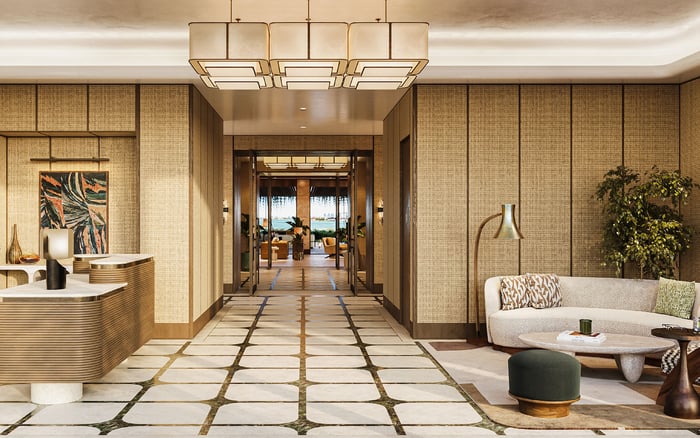
In practical terms, the F1 effect has the most value when an owner can deliver a premium stay without friction. That often means a residence that functions like a hotel suite, even if it is not a condo-hotel. In Brickell, for example, a newer luxury tower can serve as a high-design base camp for business and nightlife, while still underwriting well as a long-term rental outside peak periods. Residences that trade on brand and service sensibility, such as 888 Brickell by Dolce & Gabbana, align naturally with the expectations of this audience.
World Cup demand is typically broader and more variable than F1. It can include families, friend groups, and multi-city itineraries. That changes what “best-in-class” looks like for an investor. Space and sleeping flexibility matter more. Kitchens become true utility. Walkability to dining and entertainment can reduce transportation dependence during congested periods.
Because the World Cup is not an annual fixture in one city, the opportunity is less about manufacturing a repeating premium week and more about absorbing a high-volume surge without compromising the asset’s condition or reputation. Owners who treat the tournament as a controlled, high-yield window-and then return cleanly to normal operations-are better positioned to keep the upside while protecting the long-term rental narrative.
Miami is not a single rental market; it’s a collage of micro-markets, each with different rules, guest expectations, and price elasticity. For event-driven yield, the key question is transferability: does the unit’s appeal during an event translate into demand in ordinary months?
Brickell tends to be resilient because it functions year-round as a live-work-play district. Inventory is competitive, but well-appointed buildings can sustain strong baseline demand. A residence in a boutique, design-forward setting like 2200 Brickell can attract tenants who prioritize privacy and refined amenities, while still benefiting from event weeks when corporate travel spikes.
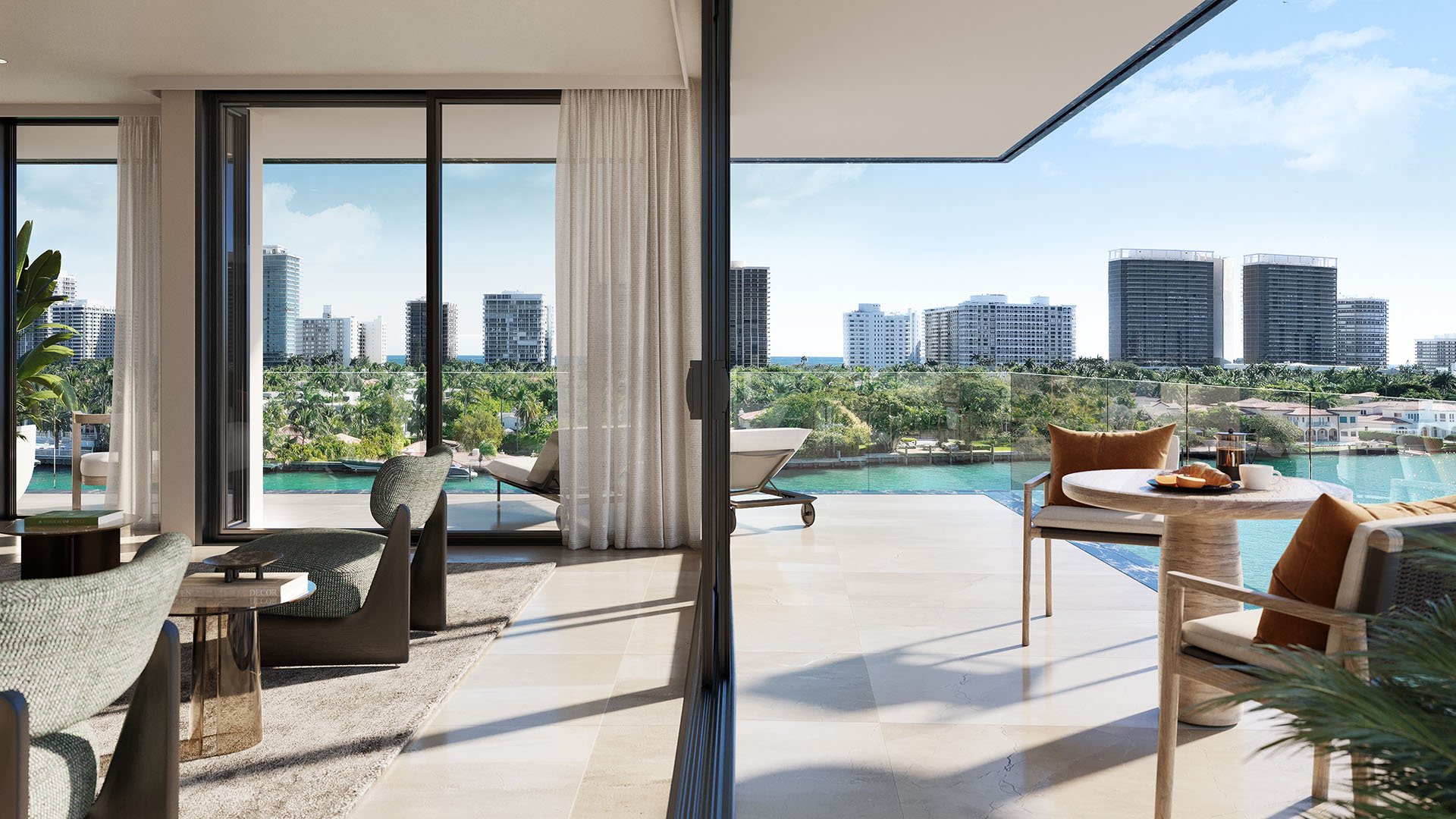
Miami Beach is the classic “arrival experience” market: it captures leisure demand and thrives on proximity to the water, dining, and iconic streetscapes. During major events, it also becomes a platform for brand activations and social schedules that extend beyond the main venue. Oceanfront and near-ocean product that feels calm, secure, and intentionally designed often maintains pricing power not only for a single week, but across an entire season. A project like 57 Ocean Miami Beach reads as a residence first, which can be an advantage for owners who want a refined personal-use home that still supports selective, high-quality leasing.
North of the core, quieter enclaves can benefit when travelers want a more residential, discreet experience and are willing to trade a short drive for calm. For owners sensitive to turnover and wear, that profile can be attractive: fewer nights, higher-quality stays, and less operational intensity. In Hallandale, for example, beachfront luxury at 2000 Ocean Hallandale Beach can function as a serene alternative to the densest corridors, particularly for guests who value space and privacy.
A disciplined approach is to build the investment case on non-event performance and treat event premiums as true upside. That means modeling realistic long-term rent-or conservative short-term averages-based on the unit’s intrinsic strengths: layout, views, parking, building rules, and the amenity stack.
Event weeks then become an incremental layer that can improve the annual result, not the reason the deal works. This mindset helps protect buyers from the most common pitfall: acquiring a property that only pencils if it achieves peak pricing multiple times each year.
Event guests pay for certainty. The highest-performing product tends to share a few characteristics.
Operational ease: clear check-in procedures, a well-managed front desk or concierge, and dependable building logistics.
Flexible sleeping and living: a second bedroom that functions as a true bedroom, a den that converts cleanly, or a layout that supports comfort for small groups.
Sound privacy: quality construction and thoughtful placement within the building matter even more when schedules run late.
Amenity credibility: a pool and gym are common; the difference is whether they feel private and well-run at peak occupancy.
Parking and access: in Miami, frictionless access is yield. When traffic spikes, a building’s arrival sequence and parking rules can determine whether the stay feels five-star-or problematic.
Event-driven yield can tempt buyers toward short-term rentals, but Miami’s regulatory environment is neighborhood- and building-specific. The practical takeaway is to select for rule clarity and operational feasibility, not theoretical nightly rates.
For some owners, the best approach is a hybrid: use longer leases as the default, while retaining flexibility for occasional high-value stays that comply with building policy. For others, a traditional long-term strategy can still benefit from events indirectly through improved tenant demand, stronger renewal pricing, or reduced concessions.
When a property is operated like hospitality, it inherits hospitality risks. Wear-and-tear accelerates. Neighbor relations matter. Building management becomes a stakeholder. The investor’s job is to ensure event revenue does not erode the asset’s future rentability.
Practical guardrails include higher security deposits where permitted, strict guest screening, professional cleaning with inventory checks, and a minimum-stay policy that reduces turnover intensity. Insurance should be reviewed with an operator’s mindset, not a casual host’s mindset.
At the ultra-prime end, reputational risk also matters: buildings known for party traffic can lose long-term tenants and weaken resale liquidity. For luxury owners, selectivity is often more profitable than maximum occupancy.
Events can influence liquidity as much as they influence rent. Global visibility can pull in second-home buyers who were not previously shopping Miami. That can tighten supply in specific tiers-particularly for residences that photograph well, offer turnkey furnishing potential, and sit in neighborhoods with internationally legible status.
Even so, liquidity is ultimately driven by the broader buyer pool and the property’s long-term desirability. Buildings with durable design, strong governance, and a clear identity tend to remain liquid even as the market normalizes. In that context, events operate as accelerants, not foundations.
Before leaning into any “event premium” narrative, high-net-worth buyers typically pressure-test four questions.
Can this unit win on ordinary weeks? If not, the yield is fragile.
Are the rules unambiguous? Building policy and local regulation are part of the asset.
Is the unit designed for guests without compromising personal use? The best properties do both.
Is the ownership experience aligned with the strategy? A hands-off owner should not buy a hands-on rental.
When these answers align, F1 and World Cup 2026 can meaningfully improve annual performance. When they don’t, the “event effect” becomes a story rather than a strategy.
Will Formula 1 reliably increase my annual rental yield in Miami? It can add premium weeks, but durable yield still depends on baseline demand, rules, and operations.
Is World Cup 2026 more important for short-term rentals than long-term leases? It is typically more visible in short stays, yet long-term rentals can benefit indirectly via demand and pricing.
Which performs better during major events: Brickell or Miami Beach? Brickell often captures corporate demand; Miami Beach often captures leisure and brand-activation demand.
Should I buy specifically for event weeks? Only if the property also performs well the rest of the year; event premiums should be treated as upside.
Do luxury branded buildings automatically command higher event rates? Not automatically, but strong service, security, and the arrival experience often justify premium pricing.
What layout is most resilient for event-driven renting? A true two-bedroom or a flexible plan with real separation typically rents more consistently.
How do I reduce wear-and-tear if I rent during big events? Use stricter screening, longer minimum stays, professional management, and documented condition checks.
Can event demand improve resale value? It can increase attention and liquidity, but resale is still anchored to the property’s enduring desirability.
Is walkability a pricing factor during event weeks? Yes, because traffic and logistics intensify; easy access to dining and entertainment can add pricing power.
What is the safest way to underwrite event-related income? Model the base case first and add event premiums conservatively as a bonus, not a requirement.
For a tailored shortlist and next-step guidance, connect with MILLION Luxury.
If branded residences are on your mind — as a home or as an allocation — we would be glad to share what we are seeing, privately.
Begin a quiet conversation
.jpg&width=700&height=438&fit=cover)