Miami vs. Hong Kong: Tropical Freedom vs. Urban Density for Global Luxury Buyers
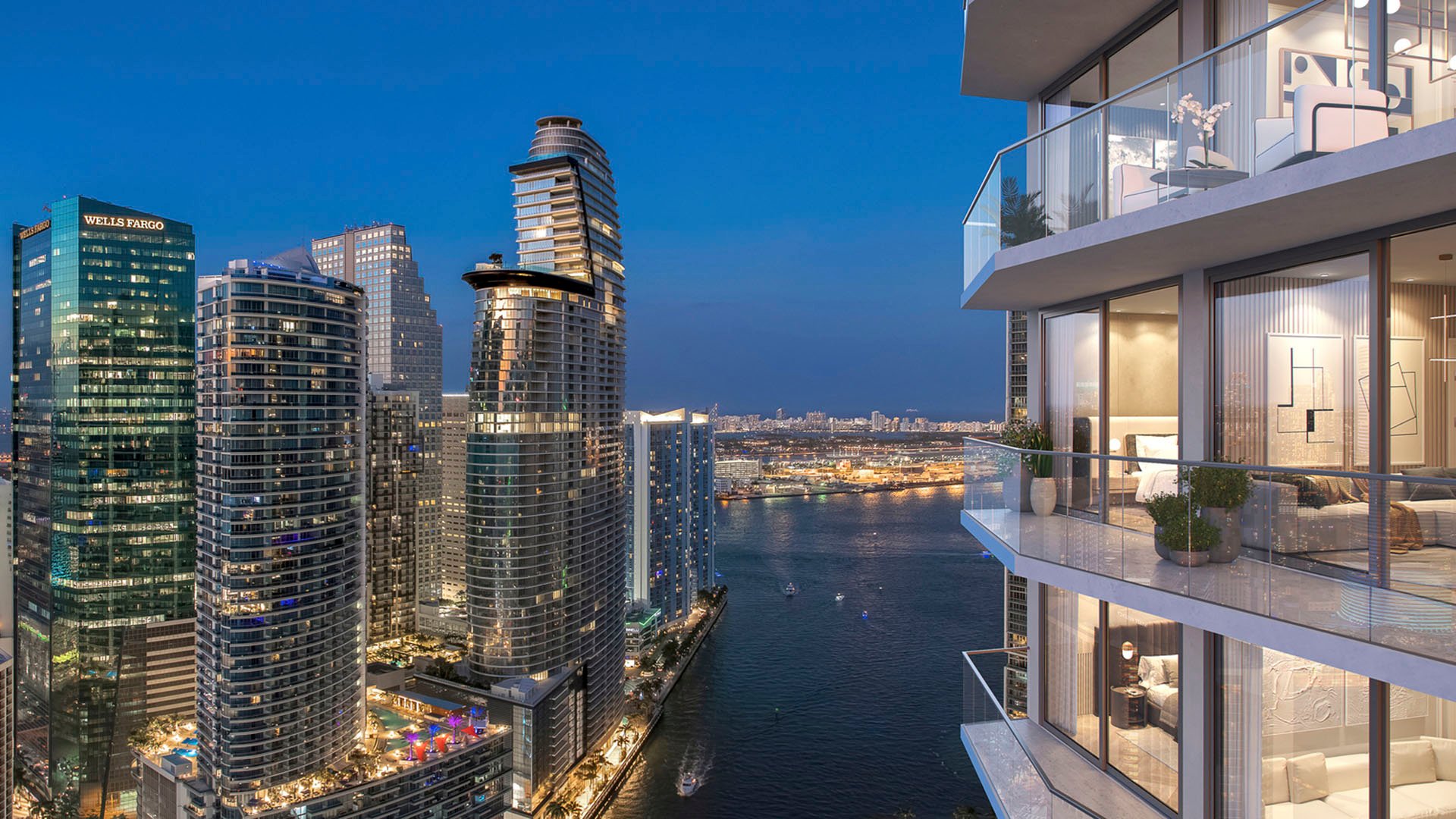
In 2026, global luxury buyers are comparing two very different propositions: Hong Kong’s hyper-connected, vertical cityscape and Miami’s waterfront, lifestyle-forward market that continues to attract international capital. This guide outlines what cross-border buyers should understand about value-per-square-foot dynamics, legal and tax mechanics, financing realities, and the rising importance of insurance and physical risk in South Florida underwriting.

Investor vs. End-User: How Goals Differ When Shopping for Luxury Real Estate in Miami
In South Florida’s ultra-luxury market, the same waterfront view can be underwritten two entirely different ways. End-users tend to buy for daily life: the school run, the walkability, the privacy, the way light moves across a living room at 6 p.m. Investors tend to buy for performance: liquidity, rentability, the stability of building finances, and the probability of a clean exit. Understanding which mindset you are operating in, and which mindset is across the negotiating table, is one of the simplest ways to make a $10M-plus transaction feel controlled rather than chaotic.

Buying a Condo for Your College Student in Miami: Luxury Overkill or Smart Investment?
For South Florida families, buying a condo for a college student can be elegant in concept: stability, privacy, and the possibility of equity build-up rather than four years of rent checks. In 2026, the decision is less about aspiration and more about underwriting the realities of condo ownership, including HOA volatility, insurance pressure, building-reserve reforms, and rental-rule constraints. This MILLION Luxury guide lays out how to evaluate the strategy with a luxury buyer’s discipline, what to demand from a building, and how to structure an exit plan that still works after graduation.

Turnkey Furnished vs. Custom Decor: Deciding How to Outfit Your New Luxury Condo
In South Florida’s luxury condo market, “turnkey” and “furnished” are often used interchangeably, but they solve different problems. Turnkey describes readiness: the residence is move-in-ready without repairs or renovations. Furnished describes contents: the home comes with furniture and household items, whether or not the underlying condition is truly ready. For second-home buyers, executives relocating on compressed timelines, and owners weighing rental strategies, the distinction matters because it affects inspections, negotiations, operating complexity, and who your future buyer or tenant will be.

Location or Brand Name? Branded Condo in a Lesser Area vs. Top Location Without the Brand
In South Florida’s luxury condo universe, “brand” and “address” both command a premium, but they do so in different ways. This editorial compares Miami Beach and Sunny Isles through the lens of liquidity, pricing power, and total cost of ownership, with a buyer-focused framework for underwriting the real value of hospitality-led living.

Spec Mansions in Miami: Why Developers Build Mega-Homes Without Buyers (and They Sell Anyway)
In South Florida, the ultra-luxury spec home has evolved from a developer gamble into a deliberate product: a turnkey, design-forward residence built for buyers who value speed, certainty, and discretion. Powered by wealth migration, an unusually cash-heavy buyer pool, and the scarcity of truly elite single-family inventory, the model keeps expanding from legacy trophy enclaves into new neighborhoods where modern architecture can still feel novel. Yet the bet is not without friction. Permitting uncertainty and long luxury construction timelines can turn a beautifully executed house into an expensive carry, making discipline in design, siting, and pricing essential.