A discreet buyer’s guide for New Yorkers comparing Miami, Fort Lauderdale and Palm Beach, with a focus on lifestyle, property character, privacy and long-term ownership fit.
For many New York buyers, the question is no longer whether South Florida belongs in the portfolio. The more refined decision is where the residence should sit: Miami, Fort Lauderdale or Palm Beach. Each market can satisfy the desire for warmth, tax-conscious planning, water views and a more open domestic rhythm, yet each expresses luxury in a distinctly different social language.
Miami is the most kinetic of the three, shaped by architecture, restaurants, art, finance, wellness and global movement. Fort Lauderdale is quieter, more nautically inclined and often easier to live in day to day. Palm Beach is the most discreet, favoring privacy, tradition and a cultivated distance from spectacle.
A New York buyer should not begin with price alone. The better starting point is temperament. Do you want a residence connected to the international conversation, a waterfront home base with boating at the center, or a private retreat where understatement is the luxury? That answer usually points to the right coast before a floor plan ever enters the discussion.
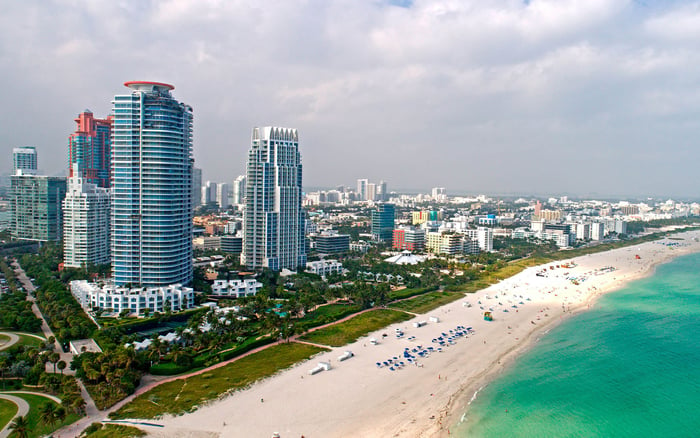
Miami is the natural fit for New Yorkers who do not want to give up velocity. The city offers a familiar sense of vertical living, curated hospitality, private wellness and neighborhood identity, but with an outdoor cadence that changes how a residence is used. A terrace becomes a true room. A lobby becomes a social filter. The distance between work, dinner, design and the water can feel compressed in a way New Yorkers immediately understand.
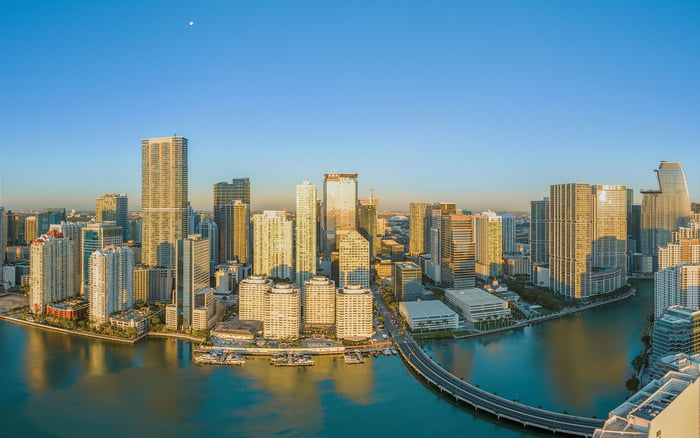
For buyers considering Brickell, the appeal is urban convenience. The neighborhood works for those who want a lock-and-leave residence, a financial district setting and a high-service building culture. It is especially relevant for buyers who want South Florida without fully leaving the language of city life. Terms such as Brickell and Miami Beach often signal a preference for walkability, skyline views and a more cosmopolitan pace.
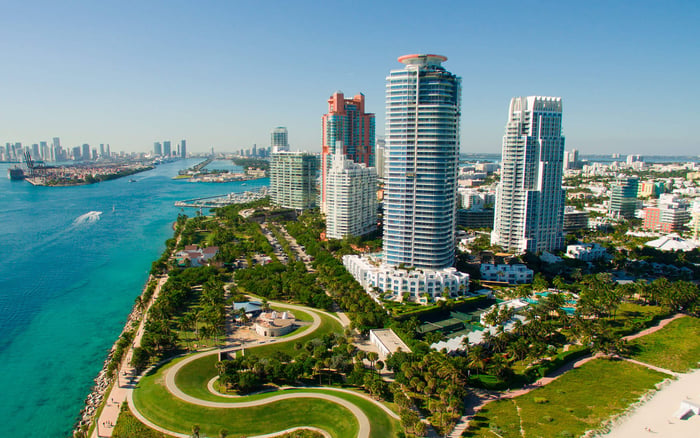
Miami Beach, by contrast, is more about resort living and cultural proximity. It can suit the buyer who wants architecture, beach access, dining and a social atmosphere without the feeling of a suburban retreat. The trade-off is that Miami’s glamour comes with attention. For some New Yorkers, that is the point. For others, it is the reason to look north.
Fort Lauderdale is often the answer for buyers who want the water to define daily life without Miami’s intensity. It is polished, residential and strongly associated with boating, though the experience varies widely depending on whether the property is a condominium, a waterfront single-family home or a lower-density enclave.
The buyer who chooses Fort Lauderdale usually wants space to breathe. The pace is more measured, the social scene more local and the luxury more practical. It is not sleepy; it is simply less performative. For a New Yorker accustomed to friction, that can be the revelation. Errands can feel easier, waterfront access can feel more integrated and the residential atmosphere can offer a softer landing.
Fort Lauderdale is also compelling for buyers who want a second home that can become a primary home without feeling like a resort experiment. The city can accommodate a serious domestic life: entertaining, boating, work-from-home privacy and regular travel. For buyers with larger vessels or a strong marina lifestyle, the conversation often moves here quickly.
The watchword is specificity. A buyer should distinguish between oceanfront, Intracoastal, canal-oriented and downtown-adjacent living. The right Fort Lauderdale purchase is not simply about being near water; it is about how water, access and privacy interact with the way the owner expects to live.
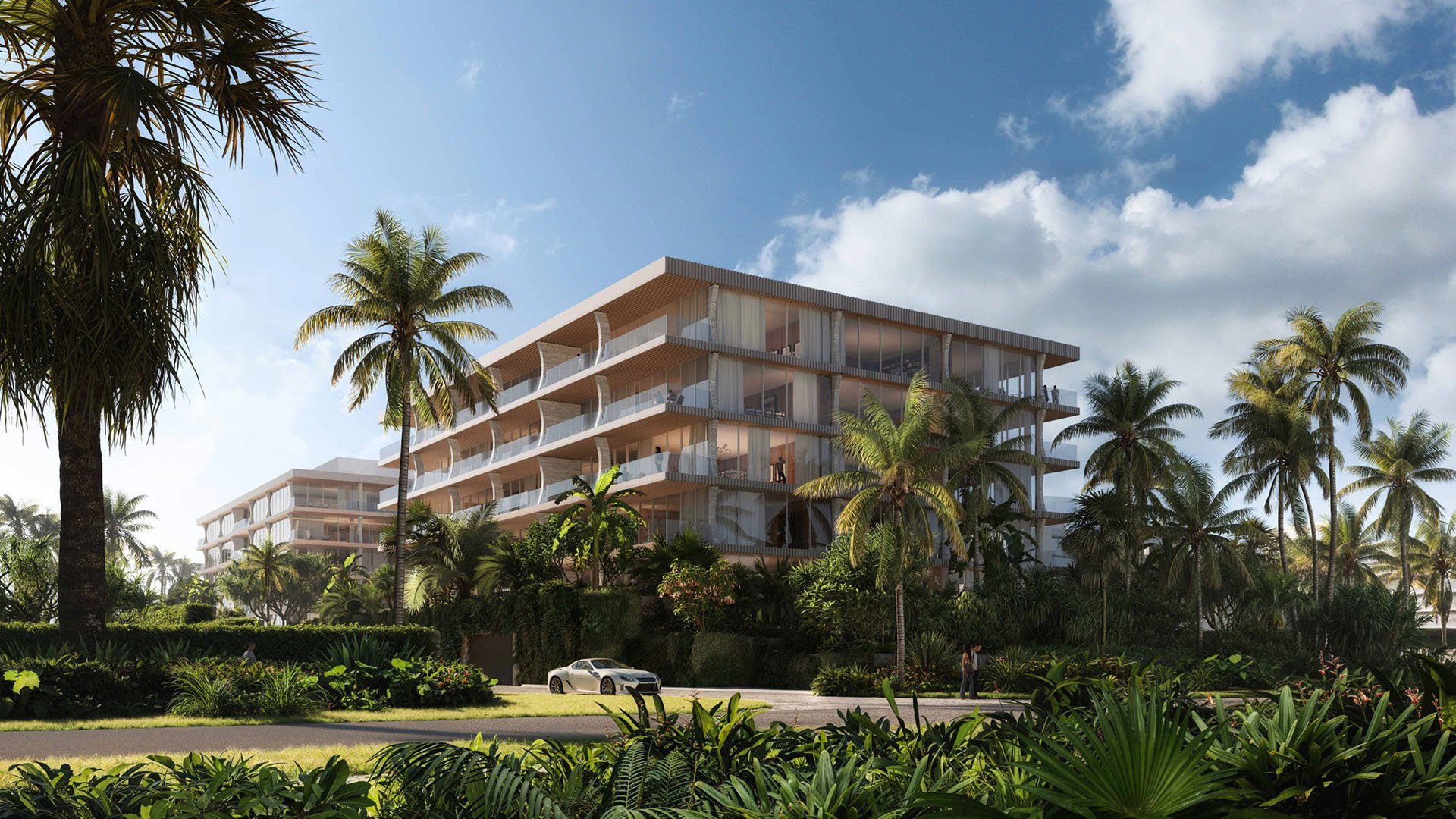
Palm Beach speaks to a different buyer psychology. It is less about momentum and more about placement. The most successful purchases here tend to come from buyers who already understand that not every luxury decision needs visibility. Palm Beach is a useful shorthand for a lifestyle built around restraint, legacy, private clubs, refined routines and an aversion to unnecessary noise.
For New Yorkers, Palm Beach can feel like an escape from the public-facing nature of both Manhattan and Miami. It is particularly suited to buyers who want a residence that functions as a sanctuary rather than a stage. The appeal is not only climate or architecture. It is the feeling of order, discretion and social continuity.
The broader Palm Beach orbit also includes West Palm Beach for buyers who want access to restaurants, culture and newer residential formats while remaining close to the island’s atmosphere. The distinction matters. Palm Beach proper and West Palm Beach can serve different ownership profiles, even when they are discussed in the same breath.
Buyers drawn to Palm Beach should be prepared to value scarcity, setting and provenance. The decision is often less about amenity count and more about the address, the approach, the landscaping, the privacy and the quality of arrival.
The most effective comparison is not Miami versus Fort Lauderdale versus Palm Beach in the abstract. It is how each market solves a New York problem.
If the problem is wanting sunshine without surrendering urban energy, Miami is the likely first stop. If the problem is wanting a more graceful waterfront life with less intensity, Fort Lauderdale may feel better. If the problem is wanting privacy, composure and social quiet, Palm Beach becomes difficult to replace.
Property type also matters. Condominium buyers often gravitate toward Miami for service, design and proximity, though Fort Lauderdale and Palm Beach-area residences can offer a calmer version of the same convenience. Buyers prioritizing single-family homes may find the decision shaped by boating, privacy, guest accommodations and household staff needs. An investment-minded buyer should think beyond resale headlines and focus on durability: irreplaceable location, building quality, view protection, maintenance culture and the long-term desirability of the surrounding neighborhood.
Seasonality is another consideration. A residence intended for long winter stays should be evaluated differently from a spontaneous weekend apartment. A home used by children, guests or multigenerational family members must be judged for daily flow, not just arrival drama. South Florida rewards buyers who are honest about how often they will come and who will actually use the property.
The Miami buyer is comfortable with visibility. This buyer wants restaurants, design, wellness, cultural programming and a sense of international relevance. The residence may be a statement, a social platform or a highly serviced retreat above the action.
The Fort Lauderdale buyer wants a more fluid domestic life. This buyer may value boating, larger terraces, easier circulation and a neighborhood feeling that remains refined without becoming theatrical. The home is often meant to be used deeply, not merely visited.
The Palm Beach buyer is focused on privacy and permanence. This buyer is less persuaded by novelty and more interested in taste, access, provenance and the intangible comfort of a place that knows what it is. The residence is a refuge, and often a long-term family asset.
For many New Yorkers, the ultimate answer is sequential. They begin in Miami for discovery, evaluate Fort Lauderdale for livability and end in Palm Beach when privacy becomes the highest luxury. Others do the reverse, using Palm Beach as the anchor and Miami as the occasional urban extension. The right strategy depends on whether the South Florida home is meant to replace, complement or counterbalance New York.
Is Miami the best choice for New York buyers who want a city feel? Often, yes. Miami is the closest match for buyers who want vertical living, dining, design and an international pace.
Who should consider Fort Lauderdale instead of Miami? Fort Lauderdale suits buyers who want waterfront ease, boating culture and a quieter residential rhythm without feeling remote.
Why do some New York buyers prefer Palm Beach? Palm Beach appeals to buyers who value privacy, tradition, discretion and a more composed social atmosphere.
Is West Palm Beach the same decision as Palm Beach? No. West Palm Beach can offer a different residential experience, often with more urban access near the Palm Beach lifestyle.
Which market is best for a lock-and-leave condominium? Miami is a natural fit, though Fort Lauderdale and the Palm Beach area can also work for buyers seeking lower-intensity service.
Which area is best for boating? Fort Lauderdale is especially compelling for buyers who want boating integrated into daily life, though waterfront options exist across the region.
Should buyers prioritize oceanfront or Intracoastal living? It depends on lifestyle. Oceanfront emphasizes views and beach access, while Intracoastal settings may better suit boating and calmer water outlooks.
Is Palm Beach too quiet for former Manhattan residents? Not for buyers seeking privacy and routine. Those who need constant urban energy may prefer Miami or a two-market strategy.
How should families compare these markets? Families should focus on daily logistics, guest patterns, schools, travel habits, privacy and how the home will function beyond peak season.
What is the most important first step? Define the intended lifestyle before touring properties, because the right city will narrow the search more effectively than price alone.
To compare the best-fit options with clarity, connect with MILLION.
If branded residences are on your mind — as a home or as an allocation — we would be glad to share what we are seeing, privately.
Begin a quiet conversation