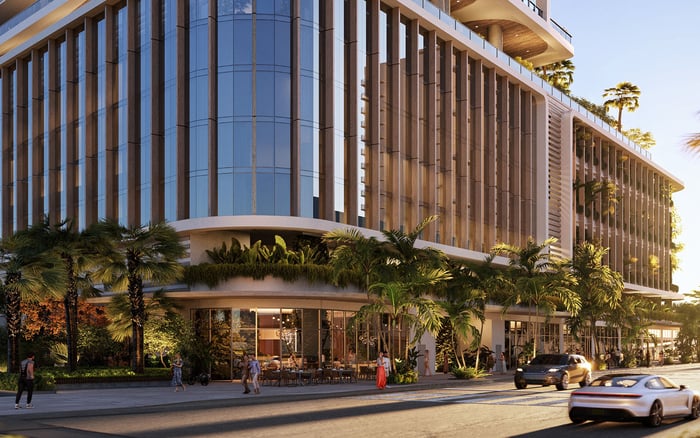
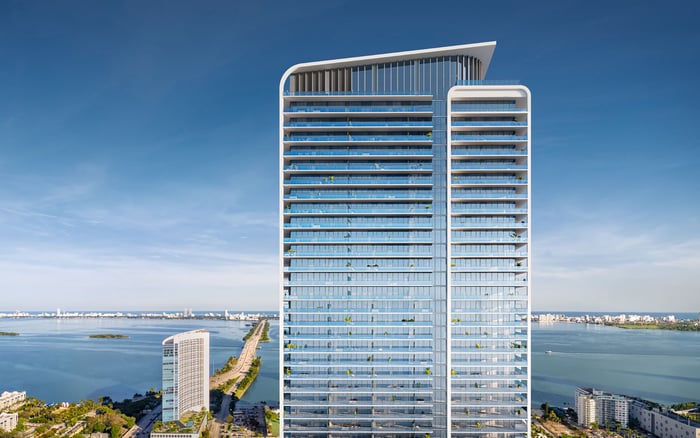
An editorial look at why the resident-event calendar at Miami Tropic Residences raises questions of condominium governance, intellectual property, privacy, management control and buyer expectations.
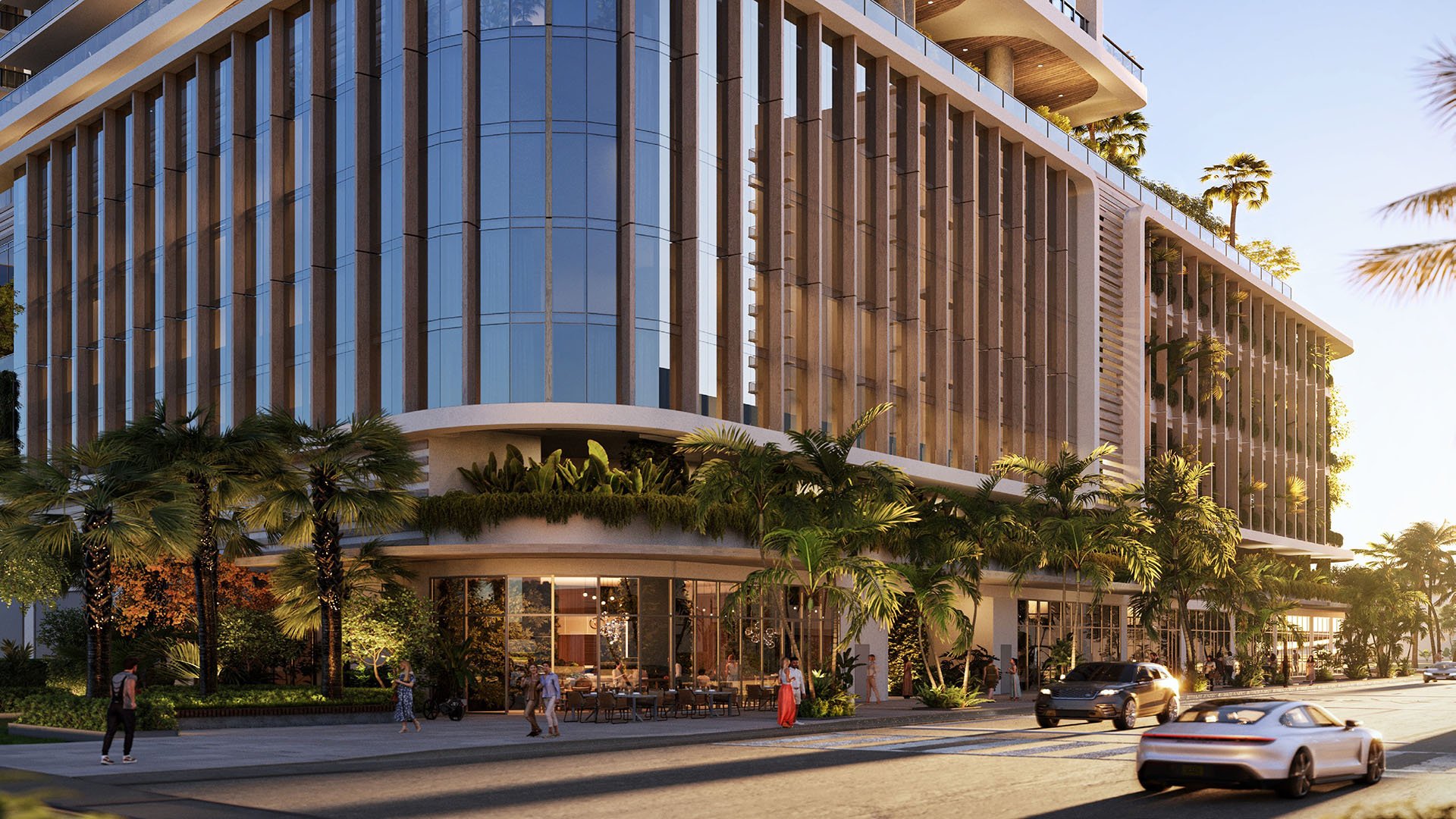
At Miami Tropic Residences, the resident-event calendar is more than a tidy sequence of wine tastings, wellness sessions, private dinners and seasonal gatherings. In the modern luxury condominium, it can function as social architecture, shaping how owners meet, how the property feels after closing and how a building’s identity is remembered beyond its architecture.
That makes the ownership question unusually important. A calendar may appear administrative, but it can carry brand tone, resident-access protocols, vendor relationships, images, names, registration data and commercial opportunity. For buyers, board members and asset-minded owners, the essential question is not simply who posts the next event. It is who controls the calendar, who may reuse it, who may monetize it and who has authority to change its voice.
For Miami Tropic Residences, the prudent answer is conditional. Without governing documents, association rules, management agreements and vendor contracts, no single party should be presumed to own the calendar outright. The stronger framework is to separate the calendar into its component parts and ask what each part represents.
Luxury real estate has moved beyond amenities as static features. A pool, private lounge or fitness suite becomes more valuable when it is activated with consistency and discretion. The calendar is often where that activation becomes lived experience.
For a new residential project, this can affect the sales narrative before residents move in and the ownership culture after the condominium association becomes the dominant governance body. A calendar can reinforce refinement, privacy, wellness, family programming or nightlife adjacency. It can also shape resident cohesion, which may not appear on a floor plan but can meaningfully influence satisfaction and perceived value.
That is why an investment-minded buyer should view lifestyle programming as part of the property’s operating fabric. Curated well, the calendar can support retention, word-of-mouth and a sense of belonging. Governed poorly, it can create friction over access, privacy, sponsorship, vendor selection or brand dilution.
The calendar may involve several overlapping stakeholders. A developer may create the initial concept, tone and launch programming as part of a broader brand promise. A condominium association may later become responsible for community rules, budgets and resident-facing operations. A third-party property manager or lifestyle operator may draft the listings, coordinate vendors and publish event details. Residents may contribute ideas, images, attendance data, preferences and feedback.
Each role is different. Creation does not always equal ownership. Funding does not always equal control. Operational access does not always create a right to reuse content outside the property. The developer might have a strong interest in preserving the initial luxury identity. The association might be responsible for resident welfare and common-area programming. A manager might hold platform credentials and vendor contacts. Residents may hold privacy and publicity interests when their names, images or attendance are involved.
In a new-construction setting, these distinctions become especially sensitive because control often evolves over time. The calendar created during the sales and opening chapter may not automatically belong to the same party after association transition, unless the governing documents and contracts say so.
The cleanest way to analyze a resident-event calendar is to divide it into three categories: content, data and platform.
The content includes event names, descriptions, imagery, design templates, tone of voice and recurring programming concepts. Some of it may be ordinary operational writing. Some of it may be original creative material. Some of it may incorporate brand assets that cannot be reused freely.
The data includes resident email addresses, RSVPs, attendance histories, guest names, dietary preferences, phone numbers and other information used to distribute or manage the calendar. This category requires particular caution because resident privacy is separate from the artistic or operational character of the calendar.
The platform is the software or vendor system used to publish, distribute and manage events. Even if the association or manager controls the event concept, the platform provider may control the software environment, user interface, analytics or data-processing terms. Access to the dashboard is not the same as ownership of the underlying content or resident information.
This distinction matters for Miami Tropic Residences because a sophisticated calendar may sit at the intersection of all three. Treating it as one simple file can lead to misunderstandings.
The ownership question may depend on Florida condominium governance, intellectual property principles, privacy and publicity rights, management operations and the specific contracts in place. A buyer or board should not rely on assumptions.
The declaration, bylaws, association rules, management agreement, developer transition documents and vendor agreements would typically need review. Those documents may address who can approve events, who can spend association funds, who can use the building’s name, who can distribute resident communications and who can grant vendor or media access.
The calendar may also be constrained by common-area rules. If an event uses a lounge, pool deck, private dining room or wellness area, the association’s authority over the common elements may be central. A manager may administer the event, but the right to authorize use may sit elsewhere. A vendor may be hired to perform, but that does not necessarily give the vendor rights to promote resident participation externally.
The same issues can appear across South Florida, from Brickell towers to Miami Beach residences, but they become more acute where the building’s lifestyle identity is a material part of its market position.
For residents, the most delicate issue is often not the event itself but the afterlife of the event. Can photos be used in marketing? Can attendance be shown to sponsors? Can a lifestyle partner describe the event publicly? Can a private resident dinner become content for an outside audience?
Those questions would typically require permissions, releases or contractual limits. In an ultra-premium building, discretion is part of the asset. Residents may expect programming to enrich private life, not convert private participation into promotional material.
A well-governed calendar should define who sees invitations, who approves guest access, how registrations are handled and whether images or names may be used beyond the internal resident community. The more exclusive the programming, the more important these boundaries become.
External lifestyle partners, sponsors, cultural institutions and event vendors can elevate a calendar. They can also complicate control. If a vendor designs a recurring series, hosts a branded dinner or supplies photography, the agreement should address usage rights, approvals, confidentiality and resident data handling.
Monetization is another sensitive layer. A calendar could theoretically attract sponsorship, premium partnerships or brand collaborations. But any commercial use must be examined through the lens of association authority, resident privacy, building brand control and vendor obligations. The fact that a calendar has marketing value does not mean it can be marketed freely.
For Miami Tropic Residences, the core issue is the tension between creation, access and reuse. The party that drafts the calendar may not have the right to commercialize it. The party that controls distribution may not own the creative material. The party that funds operations may still be restricted by privacy expectations.
The most sophisticated view is to treat the resident-event calendar as an operational asset with legal, social and brand dimensions. Owners should ask who approves the programming, who owns the written and visual materials, who controls resident data, who administers the software and what happens when management changes.
None of those questions require alarm. They require clarity. A luxury building’s calendar can be one of its most elegant tools when it is governed with precision. It can create continuity between architecture and daily life, transforming amenities into relationships and common spaces into a true residential culture.
For Miami Tropic Residences, the ownership question is best understood not as a dispute, but as a governance issue that discerning buyers should want answered before assumptions harden into expectations.
Who owns the resident-event calendar at Miami Tropic Residences? Ownership cannot be assigned to one party without reviewing the relevant governing documents, management agreements and vendor contracts.
Why does an event calendar matter in a luxury condominium? It can shape lifestyle, resident cohesion, brand identity and the perceived quality of ownership beyond the physical amenities.
Could the developer own the calendar concept? The developer may have rights tied to initial branding or launch programming, but the scope would depend on documents and contracts.
Could the condominium association control the calendar? The association may control community operations and common-area use, but its rights over content, data and platforms should be verified.
Does a property manager own calendar content it creates? It may, or it may create content as part of a management engagement; the answer depends on the contract.
Are resident names and RSVPs part of the calendar? They are better treated as resident data, which is distinct from event descriptions, branding and the publishing platform.
Can event photos be used for marketing? Use of resident images would typically require clear permissions, especially in a privacy-conscious luxury setting.
Can outside vendors promote resident events? Vendor promotion should be governed by approvals, confidentiality terms, usage rights and resident privacy limits.
Is this a legal dispute involving Miami Tropic Residences? This should be understood as an ownership and governance question, not as a confirmed dispute.
What should buyers ask before relying on lifestyle programming? Buyers should ask who approves events, who controls data, who manages the platform and what rights survive a management change.
For a discreet conversation and a curated building-by-building shortlist, connect with MILLION.
If branded residences are on your mind — as a home or as an allocation — we would be glad to share what we are seeing, privately.
Begin a quiet conversation