Living in North Bay Village vs Miami Beach: Island Isolation vs Collins Avenue
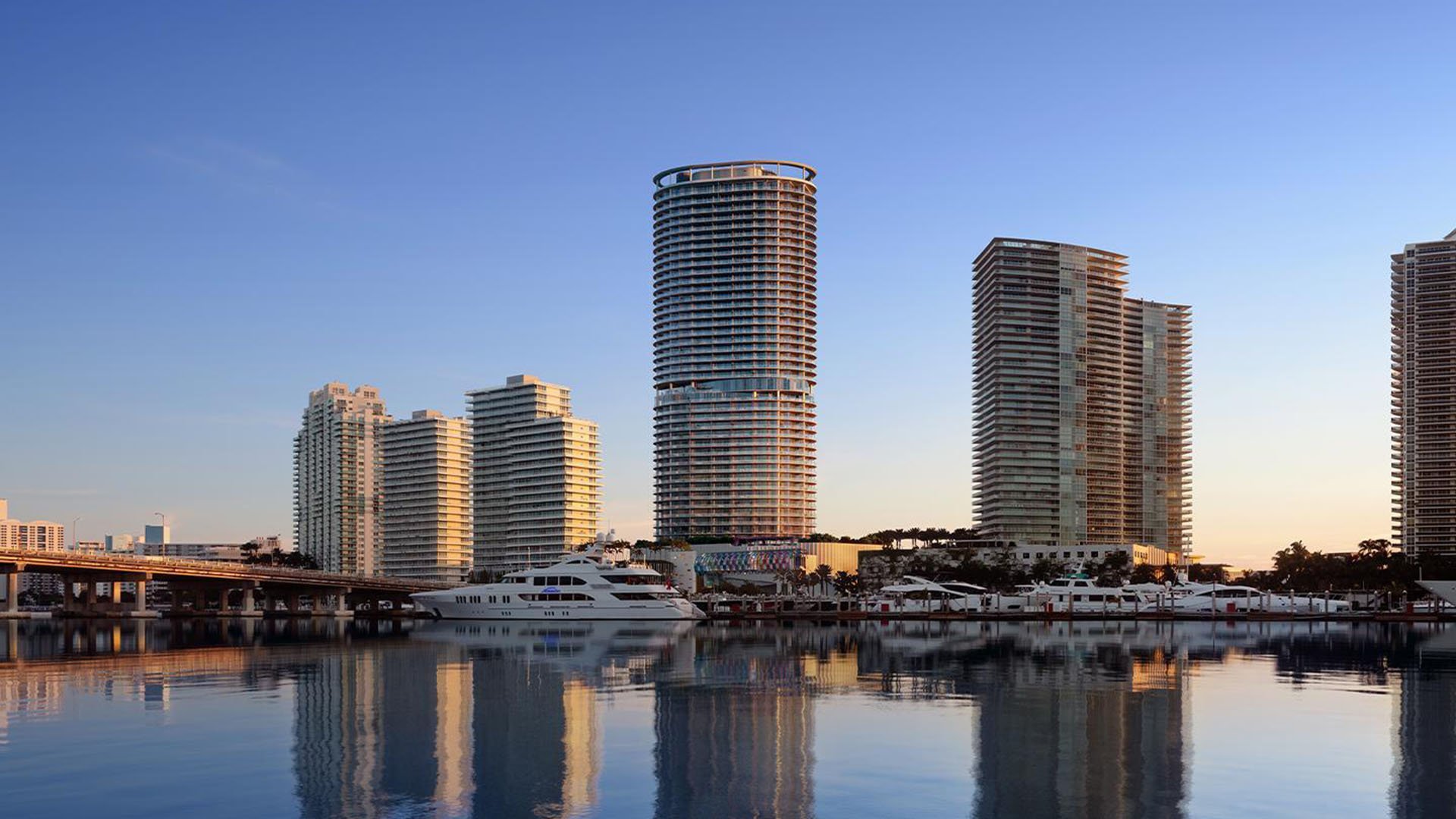
North Bay Village and Miami Beach share the same water and skyline, but they deliver opposite versions of island living. One is compact, residential, and deliberately in-between; the other is a global resort city with multiple micro-neighborhoods stitched along the Atlantic edge. For luxury buyers, the decision is less about distance and more about daily texture: how quiet you want your mornings, how curated you want your nights, and how much “island” you can tolerate before it feels like friction. This MILLION Luxury comparison focuses on lifestyle outcomes rather than hype: privacy versus proximity, bay views versus ocean frontage, and the kind of convenience that comes from being a destination versus the convenience of living just outside one.

Assessing Private Elevator Vestibules and Security Protocols at Pagani Residences
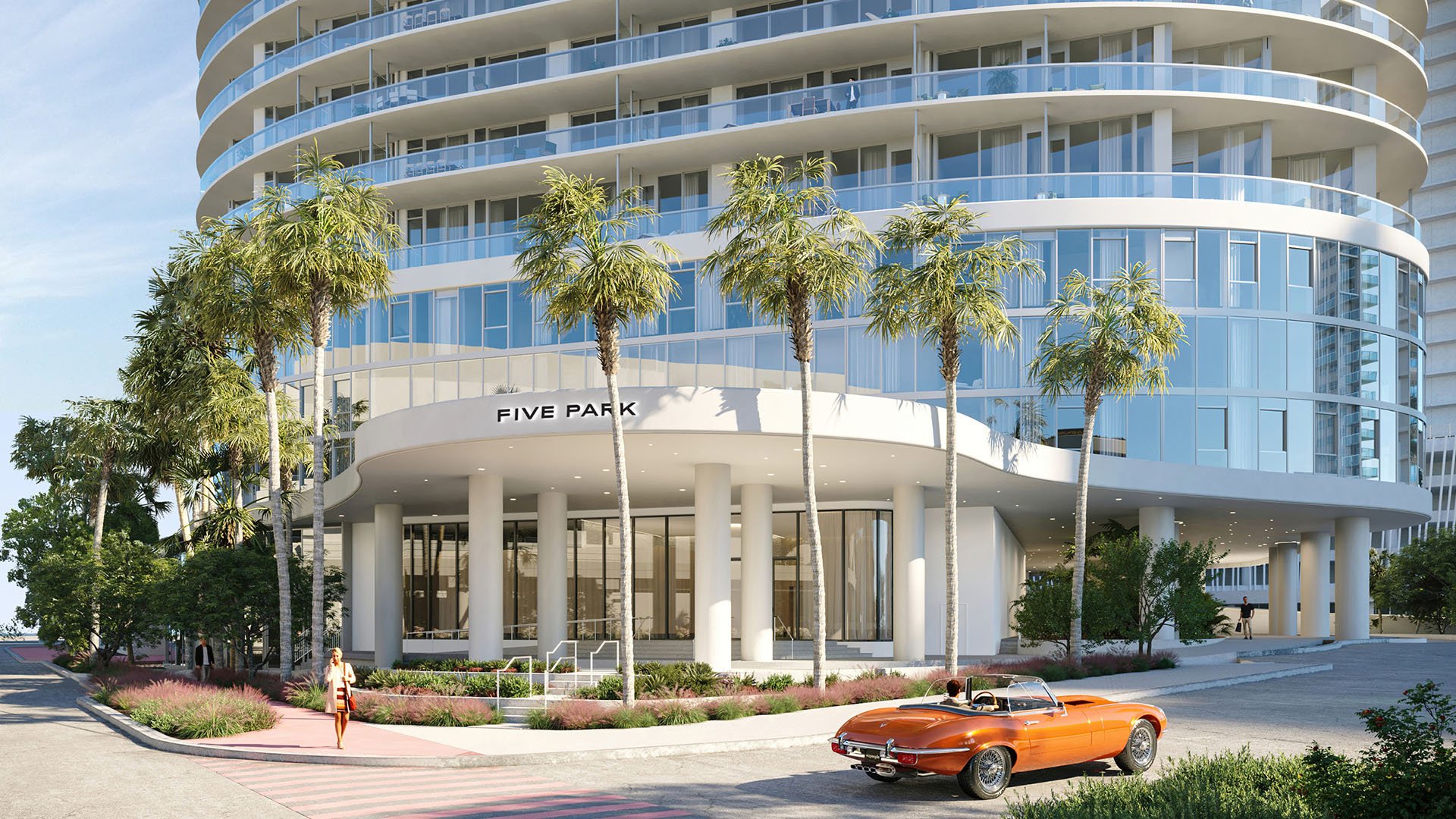
In ultra-prime South Florida, privacy is not a feature you add after the fact. It is designed into the arrival sequence: curb to lobby, lobby to elevator, elevator to residence. At Pagani Residences in North Bay Village, buyer interest often centers on how effectively a private elevator vestibule can separate a home from the shared building ecosystem, and what protocols must exist behind the scenes to make that separation meaningful. This MILLION Luxury editorial breaks down what a private elevator vestibule does well, where the real vulnerabilities tend to hide, and which questions sophisticated buyers should ask when evaluating access control, staffing, vendor management, and daily operational discipline. Because project-specific security details are intentionally not fully public, the focus here is on the architecture of discretion: layered barriers, predictable procedures, and a resident-first culture that keeps convenience high without turning the building into a fortress.

The Ritz-Carlton Residences South Beach vs Shore Club Private Collections: Restoring Art Deco Icons
Two rare Miami Beach propositions are redefining what it means to live inside a restored icon: The Ritz-Carlton Residences® South Beach and Shore Club Private Collections Miami Beach. For buyers who want pedigree and permanence rather than novelty, both offerings turn cultural cachet into private residential value, but they do it with different sensibilities. This MILLION Luxury comparison focuses on what matters at the decision point: architectural posture, privacy, lifestyle operations, and long-term positioning within Miami-beach.

The Critical Role Of Specialized Lighting Design In Enhancing Interior Artwork
In South Florida’s most design-forward residences, lighting is not a finishing touch. It is the curatorial tool that determines whether art reads as luminous and dimensional or flat and fatigued. Specialized lighting design aligns the architecture, the collection, and the lived rhythms of the home, balancing precision with restraint. This MILLION Luxury guide breaks down the lighting choices that protect artworks, elevate color and texture, and keep a residence feeling calm by day and cinematic at night. From Miami Beach galleries-in-residence to Brickell sky homes, the same principle holds: when light is designed for art, the entire interior looks more expensive.

Top Seven Developments In Miami Beach Offering Direct Private Elevator Access To All Residences
In Miami Beach, direct private elevator access is the quiet hallmark of true ultra-luxury: fewer neighbors, fewer touchpoints, and a daily arrival sequence that feels closer to a private home than a condominium. This editorial frames what that feature really means, how to evaluate it beyond the brochure language, and where buyers typically find it across Miami Beach’s most privacy-driven enclaves.

Top Five Developments In Miami Offering Dedicated Art Galleries And Curated Public Installations
In Miami, the most future-proof luxury towers increasingly behave like cultural institutions: commissioning public art, programming lobbies like galleries, and building resident experiences around collections and curatorship. For buyers, that shift is not just aesthetic. It influences arrival sequences, privacy design, developer intent, and long-term brand gravity. With publicly available detail uneven from project to project, the smartest approach is to evaluate how a building signals commitment to art: whether it integrates art into the architecture, dedicates true gallery-like space, or curates installations as a living program rather than a one-time gesture. Below are five developments that, by concept and positioning, fit the Miami buyer’s appetite for art-forward living, followed by a practical framework for assessing what “art integration” actually means in day-to-day ownership.