
Assessing the Viability of Rooftop Helipads at Waldorf Astoria Residences Downtown Miami Against Aston Martin Residences Downtown Miami
For ultra-high-net-worth buyers in Downtown Miami, a rooftop helipad is less a novelty than a complex intersection of airspace, safety, liability, operations, and brand. With limited publicly disclosed specifics, the most useful lens is viability: what has to be true for a helipad to function legally, quietly, and consistently, and what trade-offs owners should price in when comparing trophy towers.
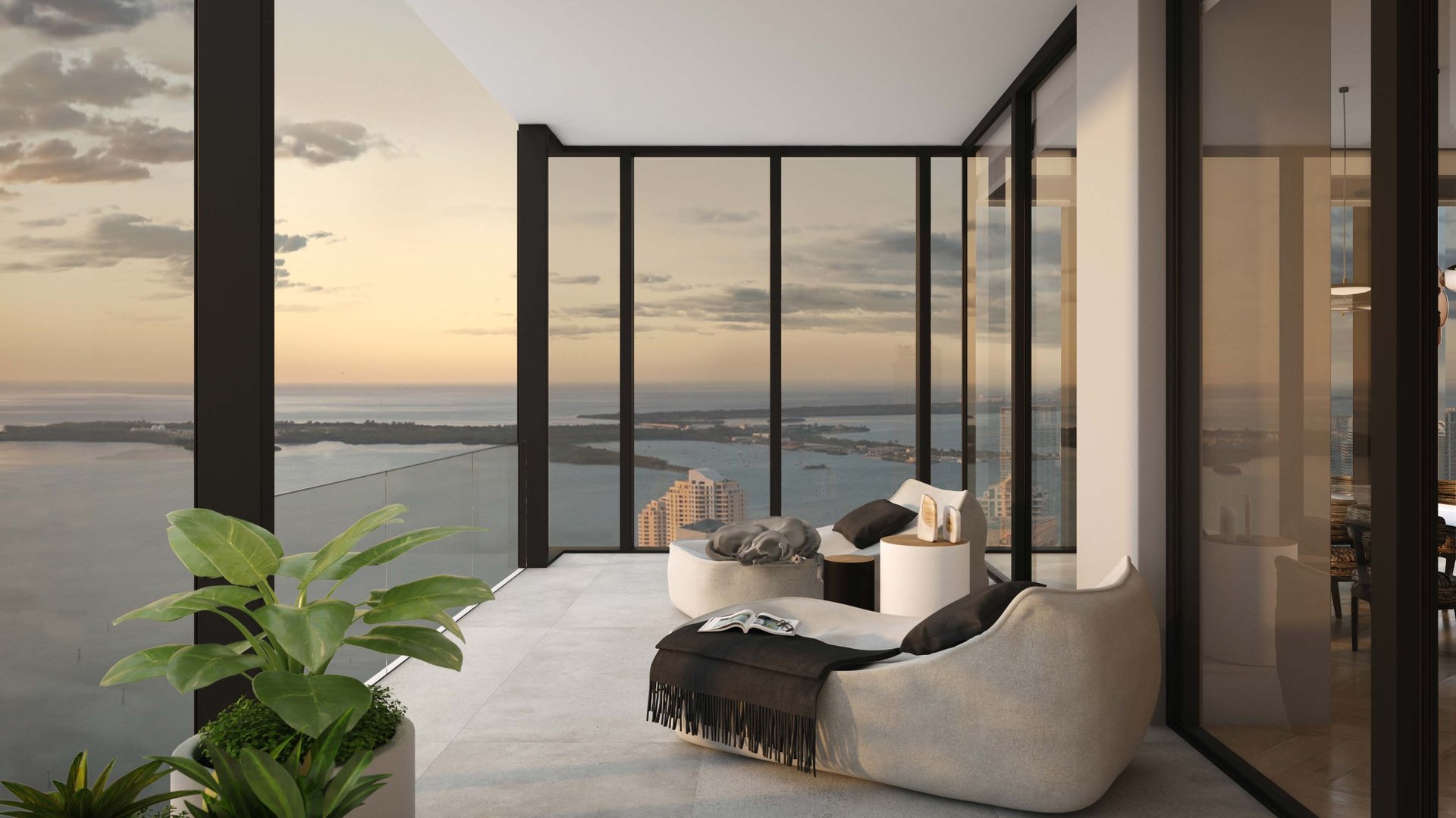
Comparing the Acoustic Privacy of Floor to Ceiling Glass at Aston Martin Residences Downtown Miami Against Waldorf Astoria Residences Downtown Miami
A discreet buyer’s guide to how floor-to-ceiling glass influences acoustic privacy at two Downtown Miami icons, with practical questions to ask and trade-offs to weigh.
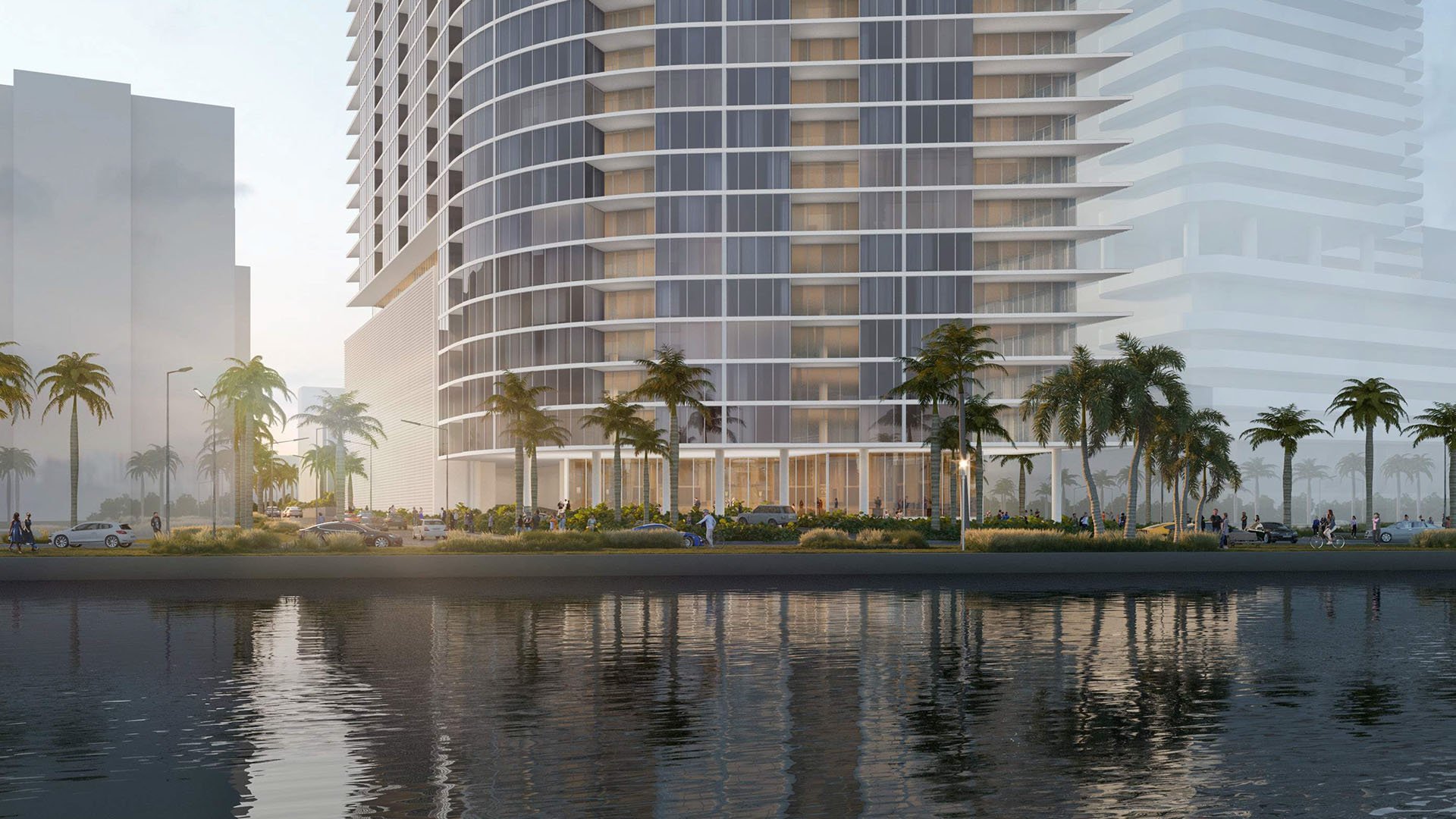
Comparing the Proximity to the Brightline Station for Commuters: Forté on Flagler vs. Shorecrest
For West Palm Beach buyers who plan around Brightline, proximity is only the headline. The real day to day difference is how each address choreographs the first and last mile: walkability, curb access, bike comfort, and how quickly you can pivot from train to meetings, dining, or the waterfront. Forté on Flagler and Shorecrest both sit in the South Flagler ecosystem, where the city’s most prized ingredients converge: water views, quick access to Downtown, and an increasingly sophisticated residential roster. This comparison focuses on commuter practicality without losing sight of what luxury buyers actually purchase: calm, privacy, and a sense of arrival.

Evaluating the Efficiency of Destination Dispatch Elevators at Waldorf Astoria Residences Downtown Miami
Destination dispatch systems are increasingly common in ultra-luxury towers because they reframe vertical travel as a managed experience: quieter lobbies, fewer stops, and smoother peak-hour flow. For buyers considering Waldorf Astoria Residences Downtown Miami, the key question is not whether the technology is “advanced,” but whether it is operationally efficient in the real conditions of a hotel-and-residential environment, with privacy expectations that rival single-family living. This MILLION Luxury editorial breaks down what to evaluate: how dispatch logic works, where friction appears, what metrics matter to residents, and which design choices typically separate a seamless experience from daily micro-irritations. With limited project-specific technical disclosures publicly available, the most useful approach is a buyer’s due diligence framework that translates elevator design into lifestyle outcomes.
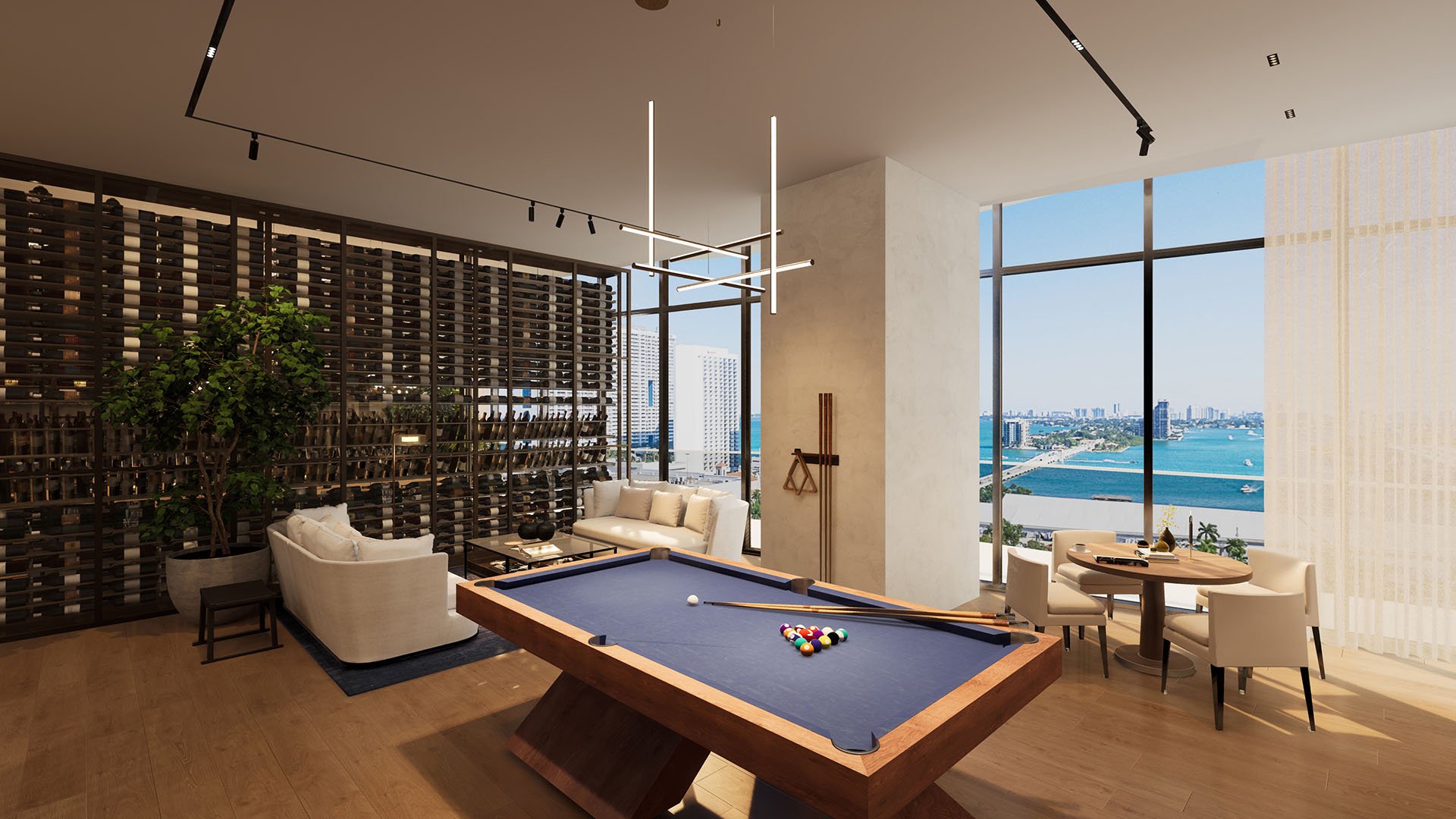
Evaluating Wind-Load Ratings and Generator Redundancy: Aston Martin Residences Downtown Miami vs. Casa Bella by B&B Italia
A buyer-oriented framework for comparing storm-resilience priorities in two Downtown Miami towers, with practical due-diligence questions on wind-load design intent and emergency power redundancy.
Analyzing the 183-Day Residency Audit Defense for Buyers at Waldorf Astoria Residences Downtown Miami
A discreet, buyer-oriented framework for understanding the 183-day residency narrative: how it is tested, how it is documented, and how to align a luxury Miami lifestyle with defensible records.