A discreet buyer’s guide to how floor-to-ceiling glass influences acoustic privacy at two Downtown Miami icons, with practical questions to ask and trade-offs to weigh.
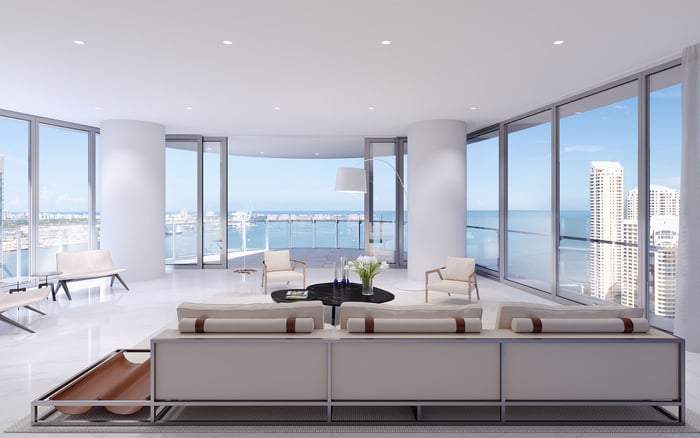
In ultra-premium Downtown living, sound is one of the few intrusions money cannot simply style away. Floor-to-ceiling glass has become the signature gesture for skyline and water views-yet it also changes the acoustic equation. What would have been a thick wall is now a precise assembly of glass, framing, seals, and interfaces at slab edges, balconies, and interior partitions.
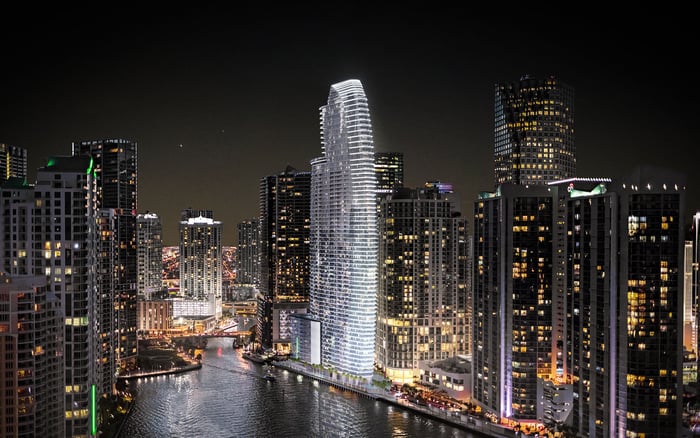
For buyers comparing Aston Martin Residences Downtown Miami and Waldorf Astoria Residences Downtown Miami, “quiet” is less a brand promise than an engineering outcome. With limited project-specific acoustic specifications publicly disclosed, the most dependable approach is to evaluate how each tower’s design choices typically shape noise pathways, then confirm conclusions with building documentation and a disciplined walkthrough.
In this context, acoustic privacy has two dimensions: protection from exterior noise (traffic, nightlife, wind, aircraft, waterfront activity) and separation from neighbors (voices, televisions, footsteps, mechanical vibration). Glass most directly affects the first category, but in hard, minimal interiors it can also heighten reverberation.
It is tempting to reduce the conversation to “thicker glass equals quieter.” Thickness helps, but it is not the whole story. Acoustic performance is delivered by a system-and the system often fails at the seams.
Key components that influence exterior sound:
Glazing make-up: Laminated interlayers and insulated glass assemblies generally outperform single panes, especially against low-frequency rumble.
Air gaps and spacers: The cavity between panes can improve performance when properly engineered.
Frames and gaskets: Even excellent glass underperforms if framing flexes or seals vary.
Installation tolerances: Minor misalignment can create micro-leaks that become obvious at night.
Operable panels: Sliding doors and windows are convenient, but they are often the most acoustically vulnerable point in any façade.
Luxury towers are also rarely acoustically uniform. Corner exposures, higher floors, and residences with expansive glazing can behave differently-even within the same building. In a high-rise, sound can arrive indirectly via reflections off neighboring towers, water surfaces, and open streets, not only in a straight line from source to window.
With comparable prestige and a similar appetite for glass, the smarter comparison is not “which brand is quieter,” but “which unit, exposure, and façade condition is most controllable.” Use the framework below to structure the decision.
Downtown towers sit inside a complex soundscape. Street grids, waterfront edges, elevated roadways, and concentrated dining districts all contribute. Two units on the same floor can perform differently depending on:
Orientation to major roads and intersections
Direct line-of-sight to venues or late-night corridors
Waterfront openness, which can carry sound farther
Proximity to other glass towers that reflect noise
If bedroom quiet is the priority, treat bedroom glazing as the main event. In both Aston Martin Residences Downtown Miami and Waldorf Astoria Residences Downtown Miami, ask to evaluate the exact run of glazing in the primary bedroom-not only the living-room view wall.
In glass-forward luxury residences, the weak links are typically consistent:
Sliding balcony doors: Convenient, but often less airtight than fixed panels.
Balcony thresholds: Interfaces between slab and frame can transmit sound and vibration.
Corner conditions: More joints mean more opportunities for acoustic leakage.
Mechanical penetrations nearby: Building systems can create tonal noise that reads as “always on.”
During tours, listen for a steady hiss (air leakage), a tonal hum (mechanical), or intermittent impact sounds (doors, carts, amenity areas). If possible, visit during an active window: late-afternoon traffic and evening dining hours are more revealing than a quiet mid-morning.
Luxury sales language is often poetic. Due diligence should be clinical. Request:
The glazing schedule (glass type, lamination, insulated assembly)
Any acoustic ratings for the façade, windows, and doors
Details on operable vs fixed glazing by room
Confirmation of seal maintenance expectations and replacement cycles
If a representative cannot provide these materials, it does not automatically mean the building is loud. It simply means you must lean more heavily on field observation and careful unit selection.
Many buyers default to higher floors for serenity. In practice, height changes the mix.
Lower floors can pick up more direct street noise, especially acceleration and braking.
Mid floors often carry a blend of street sound and reflected noise from nearby façades.
Higher floors may reduce certain street frequencies but increase exposure to wind noise and broader city ambience.
Wind matters because it creates pressure differentials across operable panels and seals. A façade that feels composed on a calm day can feel less so in stronger weather. When comparing Aston Martin and Waldorf Astoria units, factor wind conditions into the evaluation, especially in residences with substantial operable glass.
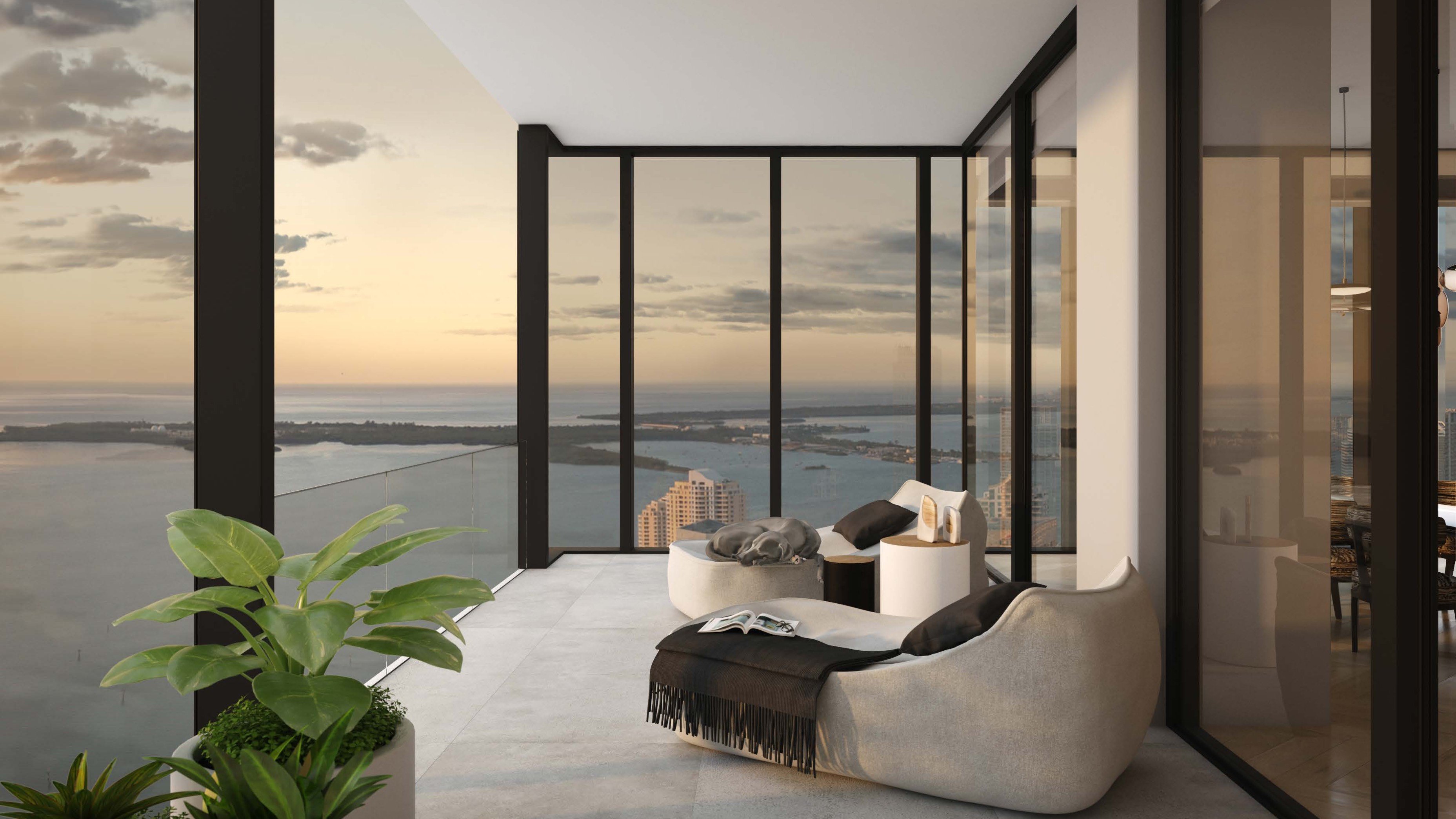
Outdoor space is a defining pleasure in South Florida, but it can also act as an acoustic amplifier. Hard balcony surfaces reflect sound back toward glazing. Railings, parapets, and balcony depth influence how much noise is deflected versus drawn toward the interior when doors are open.
If interior quiet is paramount, consider your own habits: if you expect to keep doors open often, façade ratings matter less than the ambient soundscape. In that scenario, orientation-and practical buffers like distance, height, and shielding from surrounding structures-become the deciding factors.
For perspective, buyers prioritizing indoor-outdoor living in other high-design projects such as Casa Bella by B&B Italia Downtown Miami or Baccarat Residences Brickell often follow a similar rule: choose the view you love, then refine comfort with window treatments and interior acoustics. The difference here is that you are specifically interrogating the façade’s quiet performance as a primary value driver.
Exterior noise gets the headlines, but acoustic privacy also depends on what happens once you are inside.
Glass-heavy rooms can feel “lively” even when exterior noise is minimal. That is reverberation, not leakage. It typically shows up as:
Voices carrying farther than expected
Sharper, brighter sound in open living areas
A feeling that the space is “active,” even at low volume
The remedy can be straightforward-and properly luxurious: layered textiles, rugs, upholstered seating, and art. In a minimalist glass residence, these are not mere decorations; they are acoustic tools.
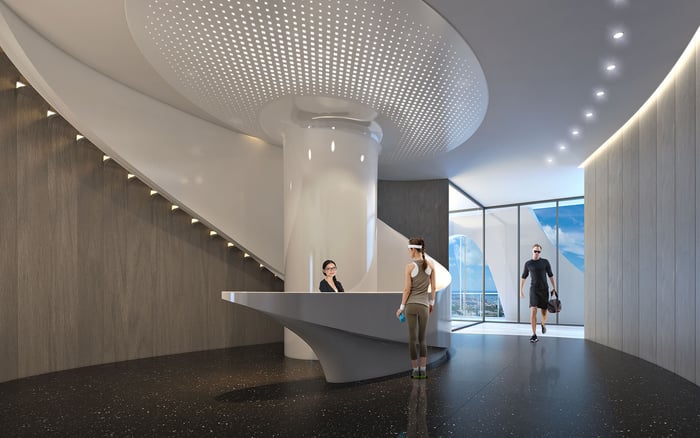
If you entertain frequently, ask about party-wall construction, corridor conditions, and how entry doors are sealed. A well-engineered façade cannot compensate for a noisy corridor or a thin door assembly.
When comparing Aston Martin vs Waldorf Astoria residences, treat the tour like a listening session.
Stand at the bedroom glazing for two minutes in silence. Note rumble, voices, and tonal sounds.
Inspect operable panels: how many, where, and how they latch. Solid closure and consistent gasket contact matter.
Check the corner joints if the unit has corner glass. More joints demand stronger execution.
Listen near the entry door to gauge corridor transmission.
Ask about amenity adjacency: elevators, trash rooms, gyms, pool decks, and event spaces can be hidden sources.
Consider your floor plan: long sightlines from living room to bedroom can transmit sound internally unless separated by doors and softened by finishes.
A final strategic note: if you are also weighing neighborhoods, Brickell’s glass-forward inventory-including 2200 Brickell-offers a useful reference for how urban energy translates through façades. It can clarify what “quiet enough” feels like for your tolerance.
Quiet is personal. Use your sensitivity profile to set priorities.
Light sleeper: Prioritize bedroom exposure, operable panel quality, and corridor isolation.
Frequent entertainer: Prioritize interior reverberation control and party-wall separation.
Work-from-home: Prioritize a den or secondary bedroom positioned away from the noisiest exposure.
Seasonal resident: Prioritize a unit that feels calm with windows closed and HVAC running, since that is a common day-to-day mode.
Between Aston Martin Residences Downtown Miami and Waldorf Astoria Residences Downtown Miami, the best outcome is usually driven by exposure selection and verification-not by assuming one tower’s glass is inherently superior. In a market where views are increasingly similar, the quietness of your personal environment becomes the true differentiator.
Is floor-to-ceiling glass inherently noisier than a solid wall? It can be, but high-quality laminated, well-sealed assemblies can perform exceptionally when the full system is engineered correctly.
What part of a glass wall most often lets sound in? Operable windows and sliding doors are common weak points because they rely on moving seals and tighter tolerances.
Are higher floors always quieter in Downtown Miami? Not always; they can reduce some street noise but increase wind-related noise and citywide ambient sound.
Should I prioritize fixed glass over operable panels? If acoustic privacy is paramount, more fixed glass generally helps because it can be sealed more consistently.
Do balconies help or hurt interior quiet? Balconies can reflect sound toward glazing and invite more noise when doors are open, but depth and detailing can mitigate this.
Can interior design meaningfully improve perceived quiet? Yes; rugs, drapery, and upholstered pieces reduce reverberation and make even large glass rooms feel calmer.
What should I ask for besides “soundproof” claims? Request the glazing schedule and any acoustic ratings for windows and doors, plus details on seals and operable panels.
How can I test a unit during a tour? Spend quiet time at the bedroom glass and near the entry door, and tour during busier hours to hear real conditions.
Will window treatments block exterior noise? They can soften high frequencies and reduce reflections, but they rarely substitute for well-performing glazing and seals.
Is corridor noise a real issue in luxury towers? It can be; door seals and corridor finishes influence how much sound reaches the interior, especially near bedrooms.
When you're ready to tour or underwrite the options, connect with MILLION Luxury.
If branded residences are on your mind — as a home or as an allocation — we would be glad to share what we are seeing, privately.
Begin a quiet conversation