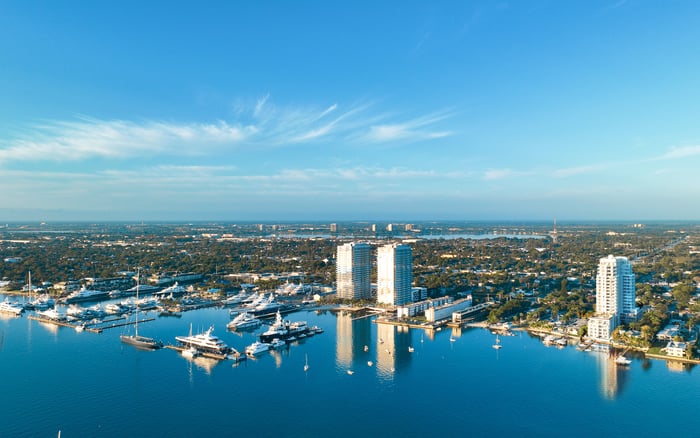
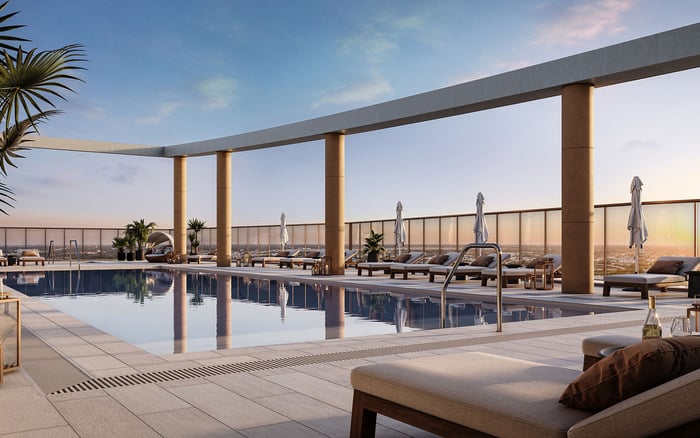
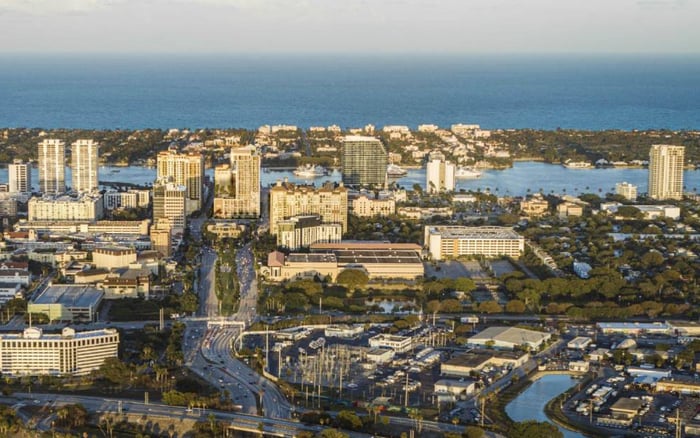
For West Palm Beach buyers who plan around Brightline, proximity is only the headline. The real day to day difference is how each address choreographs the first and last mile: walkability, curb access, bike comfort, and how quickly you can pivot from train to meetings, dining, or the waterfront. Forté on Flagler and Shorecrest both sit in the South Flagler ecosystem, where the city’s most prized ingredients converge: water views, quick access to Downtown, and an increasingly sophisticated residential roster. This comparison focuses on commuter practicality without losing sight of what luxury buyers actually purchase: calm, privacy, and a sense of arrival.
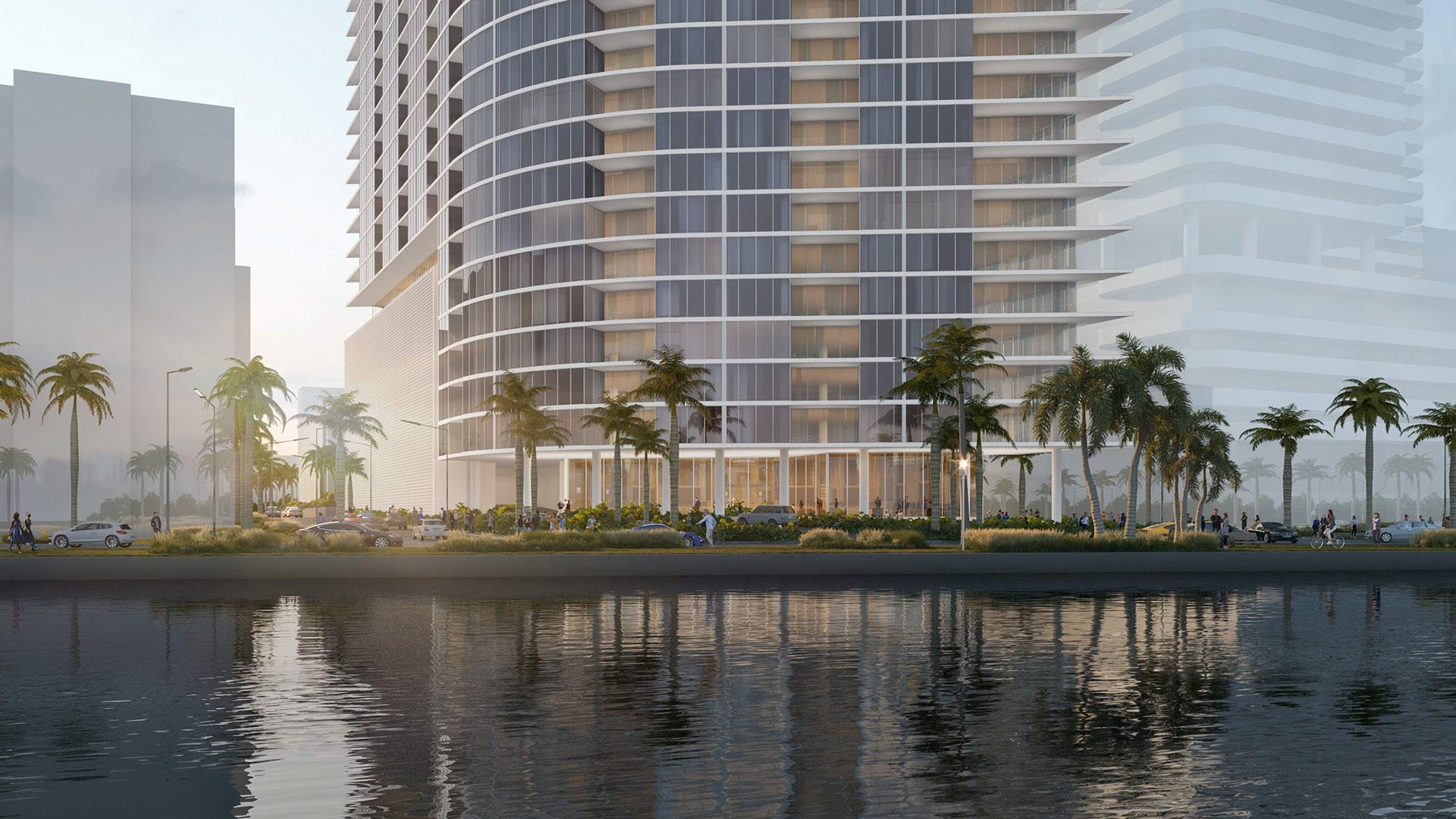
For many luxury buyers, Brightline is more than transportation. It is a scheduling tool that can reduce reliance on I-95, tighten timelines across markets, and make “two-city” living feel realistic without sacrificing the serenity of a primary residence.
Still, station distance by itself is an incomplete measure. Two addresses can look similarly close on a map and deliver very different day-to-day realities based on:
The quality of the walk: shade, crossings, and how direct the route feels.
The predictability of pickup and drop-off: where vehicles can stop, queue, and turn.
The ease of switching modes: walking, biking, rideshare, or a private driver.
The lifestyle overlap: can you add a coffee run, gym session, or dinner without detouring.
In other words, commuter convenience is a last-mile decision-and the last mile is where Forté on Flagler and Shorecrest start to diverge.
Brightline’s West Palm Beach station sits within a broader Downtown fabric where proximity translates into optionality. For a commuter, that means moving from residence to platform with minimal friction. For a household, it can also mean welcoming guests who arrive by rail, or shaping a weekly routine around day trips and dinners without making the car the default.
That “node” effect matters for buyers who prefer a light-footprint lifestyle: fewer car-based errands, more time on foot, and a dependable cadence between home, office, and airport alternatives.
Within the West Palm Beach landscape, this commuter-first lens aligns with other South Florida patterns. Consider how residents in 2200 Brickell often evaluate walkability and fast connections to business and dining, or how Downtown’s vertical living at Aston Martin Residences Downtown Miami is frequently judged by the ease of arrival and departure. West Palm Beach is increasingly part of the same conversation-just with a Flagler Drive inflection.
Forté on Flagler’s appeal for Brightline users begins with its position in the South Flagler corridor-a stretch that naturally points residents toward Downtown while maintaining a distinctly waterfront sensibility. Practically, that corridor can make the trip to the station feel direct and legible, especially for buyers who prefer a simple route without multiple neighborhood pivots.
For daily riders, the advantage is often psychological as much as logistical: the station feels “in your orbit,” not across town. That perception can lead to more frequent rail use and fewer “maybe I’ll just drive” moments.
The return home matters just as much. Many commuters focus on the morning departure, but evening arrivals are where friction tends to surface: curb congestion, unclear rideshare patterns, and the desire to get back to a quieter residential edge quickly. A South Flagler address can function as a release valve, keeping the final segment short-so it doesn’t feel like an extra commute after the commute.
When buyers compare buildings in this band, they often cross-shop nearby options such as Mr. C Residences West Palm Beach for its own lifestyle positioning. Even when the decision ultimately comes down to a specific building’s architecture or services, the commuter math typically starts in the same place: how quickly can I be on the platform when it matters-and how effortlessly can I be back home when it doesn’t.
(Explore the residence profile at Forté on Flagler West Palm Beach.)
Shorecrest’s commuter value proposition also stems from a Flagler Drive identity, but the lived experience can read differently. Where some addresses feel primarily oriented toward Downtown’s commercial pull, a Flagler Drive residence can feel like a waterfront lifestyle-with Downtown access as a built-in convenience.
For the Brightline commuter, that distinction matters because it changes how the trip feels at both ends. A waterfront-forward address can make the commute a clean cut between two worlds: the station and meetings on one side, and a calmer residential atmosphere on the other. That transition is part of the luxury.
Shorecrest also aligns with a specific buyer profile: the household that uses Brightline regularly, but not necessarily daily. For that owner, the goal isn’t only speed. It is the ability to decide at 4:30 p.m. to take the train, arrive composed, and return without the evening turning operational.
This is also where West Palm’s project ecosystem becomes a helpful comparison set. A building like Alba West Palm Beach underscores how the market increasingly blends water views with urban access-and why the last-mile experience can matter as much as raw distance.
(Explore the residence profile at Shorecrest Flagler Drive West Palm Beach.)
Without leaning on oversimplified mileage claims, buyers can still assess the commute with real precision by running a few on-the-ground tests. These apply equally to Forté on Flagler and Shorecrest, and they often reveal more than any map.
Do the walk at the time you would actually commute. Morning light, heat, and traffic patterns can change what “close” feels like.
Do a curb rehearsal. Have a driver or rideshare do a pickup, then note how long it takes to reach a main artery and how stressful the stop feels.
Track the return trip, not only the departure. Coming back with luggage or after a long day is where bottlenecks become personal.
Identify your buffer amenities. The best commuter addresses support a natural pre-train ritual nearby: coffee, quick dining, or a comfortable place to wait if you are early.
Watch the crossings. A route that requires multiple wide crossings or awkward turns can feel longer than it is.
These tests convert a theoretical advantage into a felt advantage-which is ultimately what luxury buyers pay for.
Forté on Flagler tends to suit the buyer who treats Brightline as a weekly constant. If the train is your default for Miami days, meetings, or a predictable calendar, you’ll value an address that feels closely tethered to Downtown access. In luxury terms, it’s operational elegance: fewer decisions, less friction.
Shorecrest tends to suit the buyer who wants Brightline convenience embedded in a more waterfront-driven residential narrative. If your week has more variability, the priority may be keeping rail access close while protecting the sense of retreat when you’re not traveling.
In both cases, the right decision is rarely about a few minutes. It’s about how you want your day to feel. Some owners want a city-forward tempo; others want the city within reach, but not in the foreground.
West Palm Beach has matured into a market where buyers increasingly compare it to established South Florida nodes rather than viewing it as an alternative. That’s why discussions that feel standard in Downtown or Brickell now matter here, too: commuting patterns, walkability, and the quality of arrival.
In Miami, for instance, luxury buyers often weigh the “platform effect” in different forms-whether it’s proximity to major transit corridors or the simplicity of moving in and out of a dense core. That same thinking is now part of the West Palm Beach purchase decision, especially for households that split time across Florida.
The headline is still Brightline. The deciding factor is usually the last mile.
Is one of these buildings definitively closer to the Brightline station? Both are positioned to make Brightline practical; the meaningful difference is how your last mile performs in real conditions.
Should I prioritize walking or driving to Brightline from South Flagler? Decide based on your routine and your comfort with crossings and heat; many residents mix modes depending on the time of day.
What is the single biggest factor to test before buying for commuting? Do a real pickup and drop-off during commuting hours to understand curb flow and how quickly you can clear the area.
Does station proximity change resale appeal in West Palm Beach? Often yes, because more buyers now value a predictable connection between West Palm Beach and other Florida markets.
Which is better for a daily commuter rhythm? Buyers who use Brightline as a default typically favor the address that feels most straightforward for repeat trips.
Which is better for occasional travel and hosting visitors? A waterfront-forward lifestyle can be ideal for occasional riders who still want guests to arrive and depart with ease.
How should I evaluate the return trip at night? Focus on lighting, crossings, and where cars can safely stop; evening arrival is when convenience becomes most noticeable.
Does the last mile matter if I always use a driver? Yes; driver use shifts the priority to pickup zones, turning movements, and how quickly you can reach main routes.
Will I still need a car if I live near Brightline? Most households keep a vehicle, but proximity can reduce how often you rely on it for regional trips.
What is the best way to compare Forté on Flagler and Shorecrest quickly? Run the same commute test from each address on the same day, then choose the one that feels calmer and more repeatable.
For a discreet conversation and a curated building-by-building shortlist, connect with MILLION Luxury.
If branded residences are on your mind — as a home or as an allocation — we would be glad to share what we are seeing, privately.
Begin a quiet conversation