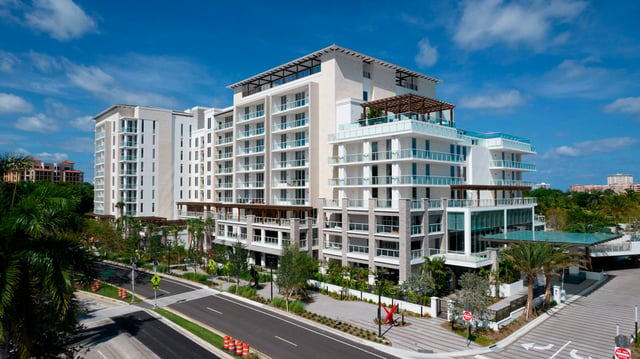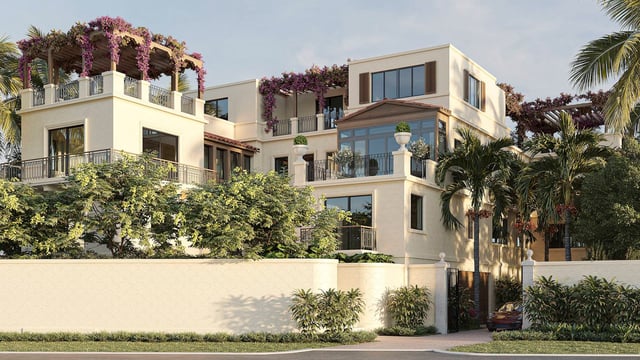
Family buying in Miami: How to evaluate school commutes, pickups, and after-school routines by neighborhood
A buyer-focused guide to assessing Miami neighborhoods through the lens of school access, daily routing, and after-school logistics, with practical context on Coral Gables, Coconut Grove, Brickell, and Pinecrest-oriented decision-making.

Boat lifts, no-wake zones, and bridge clearance: The boating checklist for Biscayne Bay buyers
For Biscayne Bay buyers, waterfront prestige is only the beginning. The real test is operational: whether a property can launch, accommodate, and route your vessel with minimal friction. From lift permitting and protected shoreline habitat to no-wake corridors, bridge constraints, and Government Cut traffic, this is the practical checklist that separates a beautiful bayfront address from a truly usable boating residence.
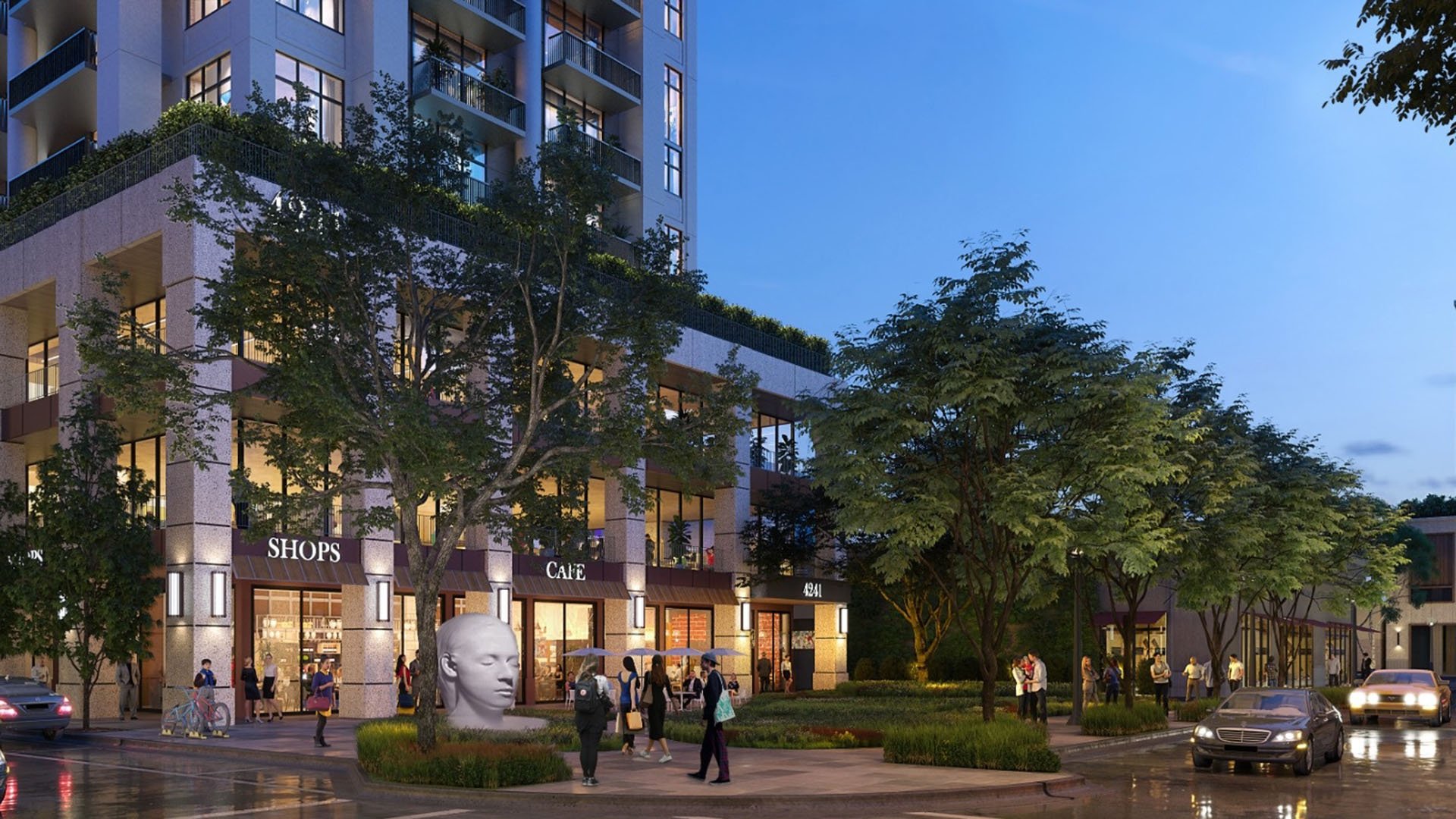
Walk-to-dining living in Miami: Neighborhoods where the restaurant mix matters for owners
In Miami’s luxury market, restaurant access has evolved from a pleasant convenience into a defining ownership metric. Buyers increasingly weigh not only whether they can walk to dinner, but whether a neighborhood’s dining mix feels durable, distinctive, and aligned with their lifestyle, entertaining habits, and long-term value outlook.

Top 5 Miami neighborhoods where true walkability pairs with ultra-luxury condos
For luxury buyers in Miami, true walkability means more than a favorable score. It is the ability to step from a residence into a fully realized neighborhood with dining, culture, waterfront access, daily conveniences, and an active street life that does not require constant reliance on a car. Within that lens, five neighborhoods stand apart: Brickell, Downtown Miami, Coconut Grove, Coral Gables, and Wynwood.

Top 5 South Florida residences for buyers who want private elevator-lobby living
A ranked look at five standout South Florida residences for buyers seeking the privacy, security, and prestige of direct-to-residence elevator-lobby living.
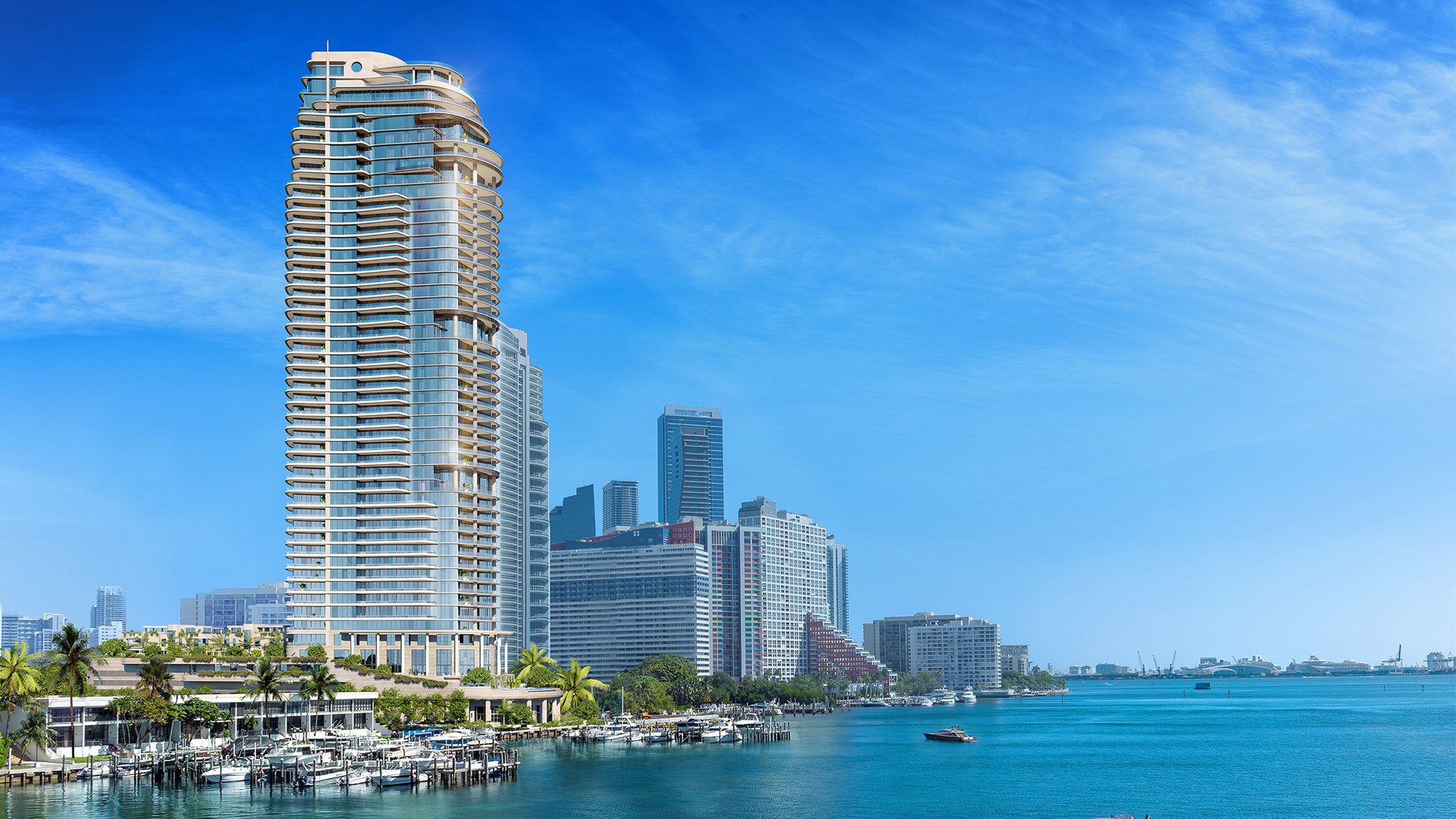
Walkability in Miami for HNWIs: The difference between ‘walkable’ and ‘comfortable to walk’
For affluent buyers in Miami, walkability is no longer a simple question of how many destinations sit within a few blocks. The more consequential distinction is whether daily movement feels effortless in practice: shaded, safe, visually refined, and resilient to heat and rain. In a city that is technically walkable in many districts yet climatically demanding for much of the year, the pedestrian experience becomes a meaningful layer of luxury real estate value.