A discreet buyer’s guide to choosing a South Florida base as a yacht owner, balancing marina access, residence selection, privacy, service, insurance discipline, and lifestyle fit.
The Miami International Boat Show has a distinct effect on serious buyers. It turns the abstract pleasure of ownership into a practical question: where should the vessel, the family, the crew, and the broader South Florida life actually be based? The answer is rarely found in a single view corridor or glamorous address. It sits at the intersection of water access, residential privacy, service infrastructure, insurance discipline, and the owner’s daily rhythm.
For a yacht owner, the residence is not merely a pied-à-terre with a terrace. It is the land-based half of an operating system. Before choosing between Miami Beach, Brickell, Fort Lauderdale, Palm Beach, or the quieter pockets between them, the owner should begin with the yacht itself: its size, draft, service needs, crew model, preferred cruising pattern, and tolerance for transit time. A spectacular apartment that complicates every departure may be less valuable than a more discreet base that makes the vessel feel effortlessly available.
Search shorthand matters too: Miami Beach, Brickell, Fort Lauderdale, marina, boat slip, and oceanfront each signal a different buyer priority. The strongest acquisitions clarify which of those words is central, and which is merely decorative.
The first decision is not aesthetic. It is geographic. A yacht owner should map a realistic operating radius between the residence, marina or dockage arrangement, airport preference, service providers, provisioning, restaurants, schools if relevant, and the places where guests will actually gather. This map should be drawn for ordinary days, not just perfect weekends.
Miami Beach remains compelling for owners who want immediacy, social energy, and a strong sense of arrival. South of Fifth, for example, has long appealed to buyers who want to move between beach, dining, and boating culture with minimal ceremony. A residence such as Apogee South Beach can be considered through that lens: not as a substitute for dockage diligence, but as a land base in a neighborhood many yacht owners already understand.
Brickell, by contrast, is a city choice. It suits owners who want finance, dining, wellness, and international connectivity within a dense urban frame. For buyers comparing that lifestyle, Una Residences Brickell raises a broader question: should the yacht be part of a metropolitan routine, or should the home feel more like a retreat from it?
A luxury residence and a suitable yacht berth are related, but they are not the same purchase. Even where a building, club, or neighborhood feels nautical, the owner should verify the full dockage picture independently. That means physical fit, access constraints, security, tender logistics, fueling, shore power, maintenance access, guest pickup protocols, and the process for hurricane preparation.
The more valuable the yacht, the more important the written plan becomes. Informal assurances can be seductive during a busy event week, but the ownership experience depends on repeatable procedures. Where will crew stage? How are vendors admitted? What happens when the owner is abroad? How quickly can the boat be secured, moved, inspected, or provisioned? These questions are not glamorous, but they protect the freedom that makes yacht ownership desirable.
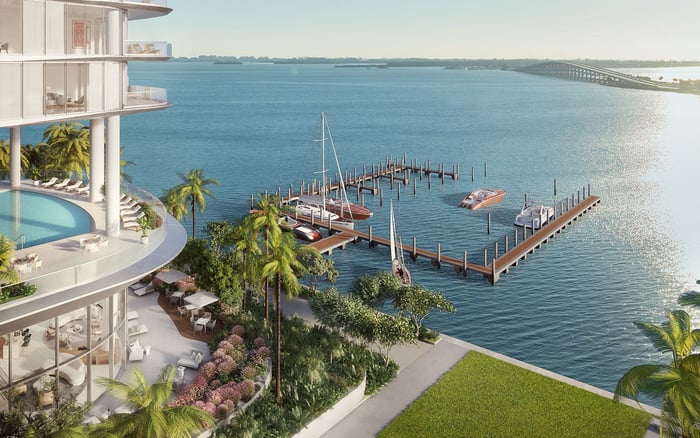
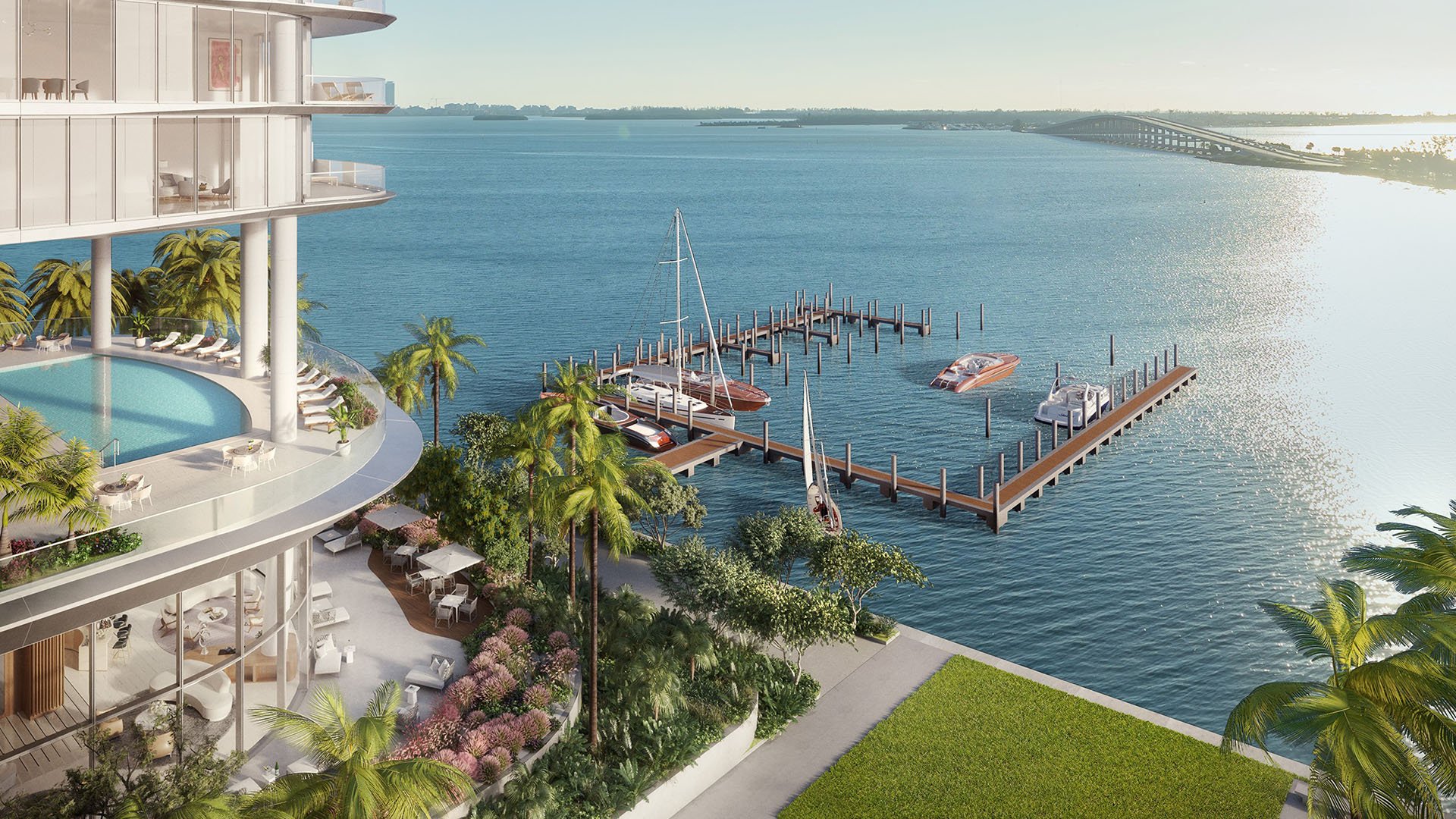
For some buyers, private dockage at the residence is the ideal. For others, a managed marina environment, yacht club relationship, or nearby berth may prove more efficient. The right answer depends less on prestige than on behavior. An owner who uses the boat often may prize speed and simplicity. An owner with a professional captain may prioritize service infrastructure and operational control.
Fort Lauderdale deserves particular attention from yacht owners because it often enters the conversation through function rather than spectacle. Buyers drawn to the area tend to think about the boat as a working asset: service access, crew life, navigation, provisioning, and a less theatrical relationship to the water. The mood can be quieter, but the planning is no less sophisticated.
A residence such as St. Regis® Residences Bahia Mar Fort Lauderdale may appeal to an owner who wants a recognizable hospitality language near a marine-oriented setting. Another buyer might evaluate Riva Residenze Fort Lauderdale for a different expression of waterfront living. The key is to separate brand emotion from operating reality. The name on the building matters, but weekly friction matters more.
This is where a private advisor should press for specificity. How long does it take to reach the berth at the times the owner actually travels? Is there a protected place for guest arrival? Can luggage and provisions move discreetly? Does the building staff understand that a yacht owner’s schedule often changes with weather, guests, and crew availability?
Yacht owners often underestimate how many people participate in their enjoyment of the boat. Family, friends, crew, security, drivers, chefs, vendors, and occasional charter or management personnel may all touch the experience. A South Florida base should absorb that complexity gracefully.
Privacy begins with arrival. A porte cochère, elevator sequence, lobby culture, parking configuration, and service access can all affect how discreetly an owner lives. The same is true at the water. If every departure becomes visible theater, the romance can fade. If guests cannot be staged comfortably, the yacht becomes less spontaneous.
Crew considerations deserve equal seriousness. Even owners who do not house crew on land should understand where crew will live, park, provision, and rest between movements. The best base is the one that makes professional support feel invisible. A residence that dazzles in photographs but complicates crew logistics can become expensive in time, even if the purchase price felt justified.
South Florida ownership rewards preparation. Before selecting a base, yacht owners should coordinate the residence, dockage, insurance, and hurricane plan as one file. The questions are practical: where is the yacht secured, who makes the decision, what authority does the captain hold, how is the residence protected, and how quickly can the owner receive reliable updates?
Insurance should be reviewed before a final decision, not after. Waterfront property, high-value contents, art, vehicles, tenders, and marine coverage can involve different specialists and different assumptions. A buyer does not need to make the process burdensome, but the household should know how the policies interact. The aim is simple: avoid discovering a gap during the one week when every assumption matters.
This is also the moment to test the building’s culture. Some residences are designed for lock-and-leave ownership, with staff accustomed to absentee principals. Others expect more regular resident participation. Neither is inherently superior. The question is which model matches the owner’s travel pattern.
Not every yacht owner wants the center of Miami gravity. Some prefer the quieter procession north, where the residential mood may feel more composed. Pompano Beach and Palm Beach can appeal to buyers who want water, design, and less social noise while still remaining within the broader South Florida orbit.
For an owner considering that direction, The Ritz-Carlton Residences® Pompano Beach can be evaluated as part of a broader lifestyle thesis: beach presence, service expectations, and access to the owner’s preferred marine routine. Farther north, Alba West Palm Beach may enter the conversation for buyers who want a West Palm Beach address while still thinking carefully about how the yacht fits into the weekly calendar.
The northward choice is often about temperament. It may suit owners who prefer longer lunches to later nights, private dinners to crowded rooms, and a home that feels less performative. Yet the same operating questions apply. Distance to dockage, crew logistics, guest flow, weather planning, and service culture remain decisive.
A yacht owner choosing a South Florida base should create a simple decision matrix before touring too many residences. The categories might include dockage compatibility, drive time, airport convenience, privacy, building service, storm plan, insurance complexity, guest experience, crew logistics, resale audience, and personal pleasure. Personal pleasure belongs on the list. It simply should not be the only line item.
The right home should make the owner use the yacht more, not less. It should reduce hesitation. It should allow a Friday departure to feel natural, a last-minute guest invitation to feel simple, and a return home to feel private. When the residence and the vessel operate in harmony, South Florida becomes more than a seasonal address. It becomes a base.
Should yacht owners choose the residence or dockage first? They should evaluate both together, but the yacht’s operating requirements should lead the search.
Is Miami Beach the default choice for yacht owners? Not always. Miami Beach suits some lifestyles, while Brickell, Fort Lauderdale, Pompano, and Palm Beach may fit others better.
What is the biggest mistake buyers make after the boat show? They let event-week excitement override practical questions about access, service, privacy, and storm planning.
Does a waterfront view guarantee good yacht access? No. A view and a workable boating arrangement are different considerations and should be reviewed separately.
How important is crew logistics? Very important. Crew parking, provisioning, access, and communication can determine how effortless ownership feels.
Should insurance be reviewed before buying? Yes. Marine, residential, contents, and storm-related considerations should be coordinated before final commitments.
Can Brickell work for a yacht owner? Yes, if the owner wants an urban lifestyle and has a clear plan for dockage, transit, and guest movement.
Why consider Fort Lauderdale? It can appeal to owners who place a premium on marine functionality, service access, and a quieter water-oriented rhythm.
Are branded residences always better for yacht owners? Not automatically. Service culture can help, but the building must still fit the owner’s specific boating routine.
What is the best way to shortlist comparable options for touring? Start with location fit, delivery status, and daily lifestyle priorities, then compare stacks and elevations to validate views and privacy.
For a tailored shortlist and next-step guidance, connect with MILLION.
If branded residences are on your mind — as a home or as an allocation — we would be glad to share what we are seeing, privately.
Begin a quiet conversation