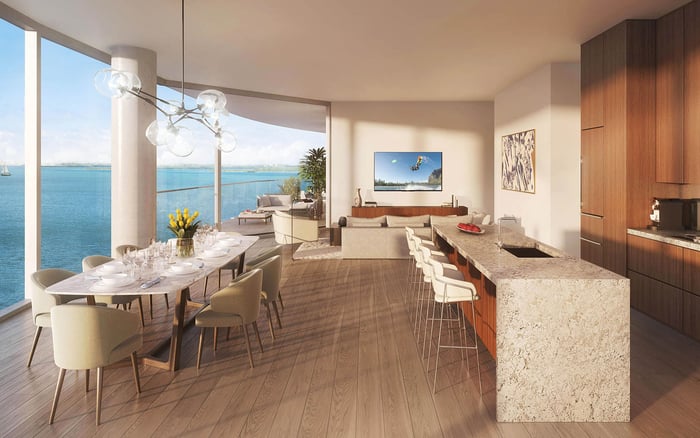
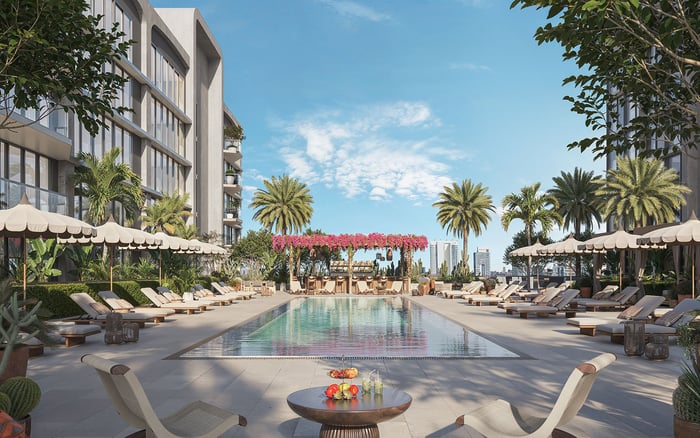
In Miami’s luxury market, restaurant access has evolved from a pleasant convenience into a defining ownership metric. Buyers increasingly weigh not only whether they can walk to dinner, but whether a neighborhood’s dining mix feels durable, distinctive, and aligned with their lifestyle, entertaining habits, and long-term value outlook.
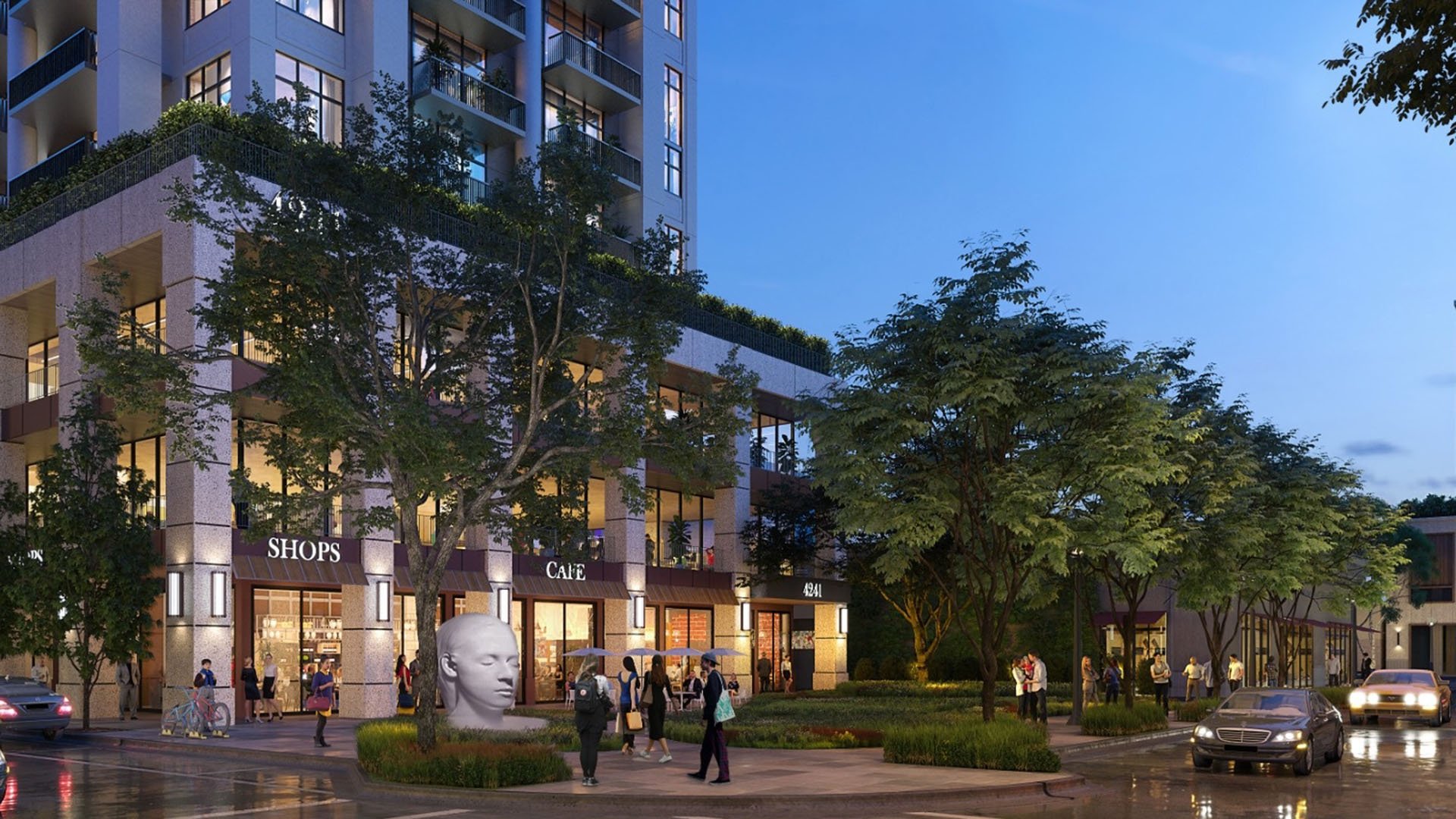
In Miami’s upper-tier residential market, walkability is no longer a secondary talking point. For many buyers considering a primary residence, second home, or income-oriented holding, the ability to step outside and reach dinner, a polished café, or everyday services on foot has become a meaningful differentiator.
What matters, however, is not simply the presence of restaurants. Owners are increasingly evaluating the composition of the dining scene itself: whether the neighborhood offers destination dining or daily-use convenience, whether the tenant mix feels curated or transient, and whether the area can sustain vibrancy beyond a single headline opening. In that sense, restaurant mix functions as shorthand for neighborhood quality, social signaling, and long-term livability.
That lens helps explain why walk-to-dining districts in Miami often command stronger buyer attention than more car-dependent alternatives. A neighborhood with a durable dining ecosystem tends to support a fuller version of luxury living: easier entertaining, a better guest experience, stronger street life, and a more intuitive daily rhythm.
Wynwood remains one of the clearest examples of dining as an identity engine. What was once an industrial district has matured into a dense, highly walkable restaurant and bar market with broad recognition among both residents and investors. For owners, the appeal lies not only in the quantity of options, but in the immediacy of the experience. A compact street grid, active storefronts, and a strong social scene create an ownership proposition centered on spontaneity.
Still, sophisticated purchasers also consider the character of Wynwood’s tenant base. As rents rise, there is greater scrutiny over whether independent operators can hold their ground and whether too much chain presence could dilute the area’s distinctiveness. In luxury terms, the issue is not just energy. It is authenticity.
Brickell offers a different proposition. Its evolution as a fine-dining and nightlife destination has reinforced its live-work-play profile, making it especially compelling for buyers who want density, convenience, and a polished urban tempo. Yet Brickell also reflects a more advanced buyer conversation: owners are not merely counting openings; they are evaluating durability. Recent turnover in parts of the dining landscape has made some purchasers more selective about blocks and subareas that feel resilient rather than fashionable for a season.
That dynamic supports projects such as ORA by Casa Tua Brickell, The Residences at 1428 Brickell, and St. Regis® Residences Brickell, where the surrounding lifestyle conversation naturally includes dining access, entertaining convenience, and the value of being embedded in a district people already use throughout the day and evening.
The Miami Design District stands apart because its walkability is more intentionally choreographed. Here, the blend of luxury retail, galleries, and destination restaurants creates a controlled mixed-use environment that can feel especially appealing to buyers who value aesthetic cohesion and international recognition. The appeal is not nightlife alone. It is the confidence that the neighborhood experience has been shaped, maintained, and made legible to a global luxury audience.
Not every luxury buyer wants maximum energy. Coral Gables continues to appeal because its dining base is broad, established, and aligned with a more traditional homeowner profile. The draw here is less about constant novelty and more about reliability. Owners can expect a mature restaurant environment that supports routine, family life, business lunches, and graceful entertaining without requiring the intensity of a denser urban district.
That is part of why projects like Ponce Park Coral Gables and The Village at Coral Gables speak to a different kind of buyer than a high-energy Brickell tower. Coral Gables, as a lifestyle choice, often rewards those seeking continuity over churn.
Coconut Grove occupies an elegant middle ground. Its restaurant activity clusters around nodes such as CocoWalk and the waterfront core, creating a village-like rhythm that feels social without becoming overly compressed. For owners, that can be ideal: enough walkable dining to support daily life and casual hosting, but with a softer street atmosphere than the financial core.
For a serious buyer, the best dining neighborhood is rarely the one with the most publicity. It is the one whose restaurant ecosystem aligns with the intended use of the residence.
If the home will be a primary residence, daily usability matters most. That means breakfast options, reliable weeknight dining, nearby services, and a street environment that remains comfortable beyond peak hours. If the property is a second home or investment play, destination restaurants and recognizable buzz may matter more, particularly if guests place a premium on going out without relying on a car.
Cuisine diversity also carries weight. International buyers often respond to neighborhoods with visible, recognizable dining scenes and broad culinary range, while domestic buyers may place greater emphasis on convenience and overall neighborhood energy. In both cases, chef-driven restaurants and high-profile openings can elevate an area’s profile, but the deeper test is whether the district has enough breadth to remain attractive if one or two anchor names change.
Owners should also consider tradeoffs. In Miami’s most walkable districts, some buyers willingly sacrifice parking ease for immediate access to restaurants and nightlife. That can be a rational exchange, but only when the surrounding neighborhood truly delivers on foot. Equally important is the local framework that shapes mixed-use character. Commercial placement and neighborhood planning both influence whether a dining corridor matures gracefully or becomes uneven over time.
There is also a practical ownership argument for these neighborhoods. Walkable districts often attract strong interest because they package convenience, social life, and identity into one address. That can support pricing strength and improve rental appeal, especially for visitors who want a more seamless stay without car dependency.
But not all dining districts feel the same from an ownership standpoint. Some areas are better suited to buyers seeking consistency, while others appeal more to those comfortable with change and momentum. The most durable ownership stories tend to come from neighborhoods where dining is embedded in the fabric of daily life rather than treated as an accessory.
For Miami buyers, that usually means looking beyond the headline restaurant and asking a more refined question: does this district make living well feel easier every day?
Why does restaurant mix matter to luxury homeowners in Miami? It shapes daily convenience, entertaining ease, and the overall feel of a neighborhood. A strong mix can also signal a more complete and resilient lifestyle environment.
Is walkability really affecting buyer interest in Miami? In many sought-after districts, walkability is treated as a core feature rather than a bonus. Buyers often place added value on neighborhoods that make daily routines easier without relying on a car.
Which neighborhoods stand out for high-energy dining access? Brickell and Wynwood are two of the clearest examples. They appeal to owners who want dense restaurant options and an active social atmosphere nearby.
What makes the Design District different from other walkable areas? Its mixed-use environment feels more intentionally composed, with luxury retail, galleries, and destination dining reinforcing one another. That gives buyers a highly curated neighborhood experience.
Why do some buyers still prefer Coral Gables? Its appeal lies in stability, breadth, and a more traditional residential rhythm. Many owners value consistency over constant buzz.
Is Coconut Grove a true walk-to-dining neighborhood? Yes, particularly around its core dining nodes. Its appeal comes from having walkable options within a calmer, more village-like setting.
How should buyers evaluate a dining-driven neighborhood? They should look beyond headline openings and focus on everyday usefulness, variety, and staying power. The best fit depends on how the home will actually be used.
Can restaurant access help rental appeal? Often yes, especially for guests who prefer neighborhoods where dining is easy without a car. Convenience can make an address feel more competitive and enjoyable.
Should buyers worry about restaurant turnover? Yes, because durability matters more than a few popular openings. The strongest districts show depth and continuity over time.
What is the smartest question to ask before buying in a dining-focused area? Ask whether the neighborhood works for ordinary daily life, not just a busy weekend. A strong district should feel useful on a typical weeknight as well as a Saturday evening.
When you're ready to tour or underwrite the options, connect with MILLION Luxury.
If branded residences are on your mind — as a home or as an allocation — we would be glad to share what we are seeing, privately.
Begin a quiet conversation