For affluent buyers in Miami, walkability is no longer a simple question of how many destinations sit within a few blocks. The more consequential distinction is whether daily movement feels effortless in practice: shaded, safe, visually refined, and resilient to heat and rain. In a city that is technically walkable in many districts yet climatically demanding for much of the year, the pedestrian experience becomes a meaningful layer of luxury real estate value.
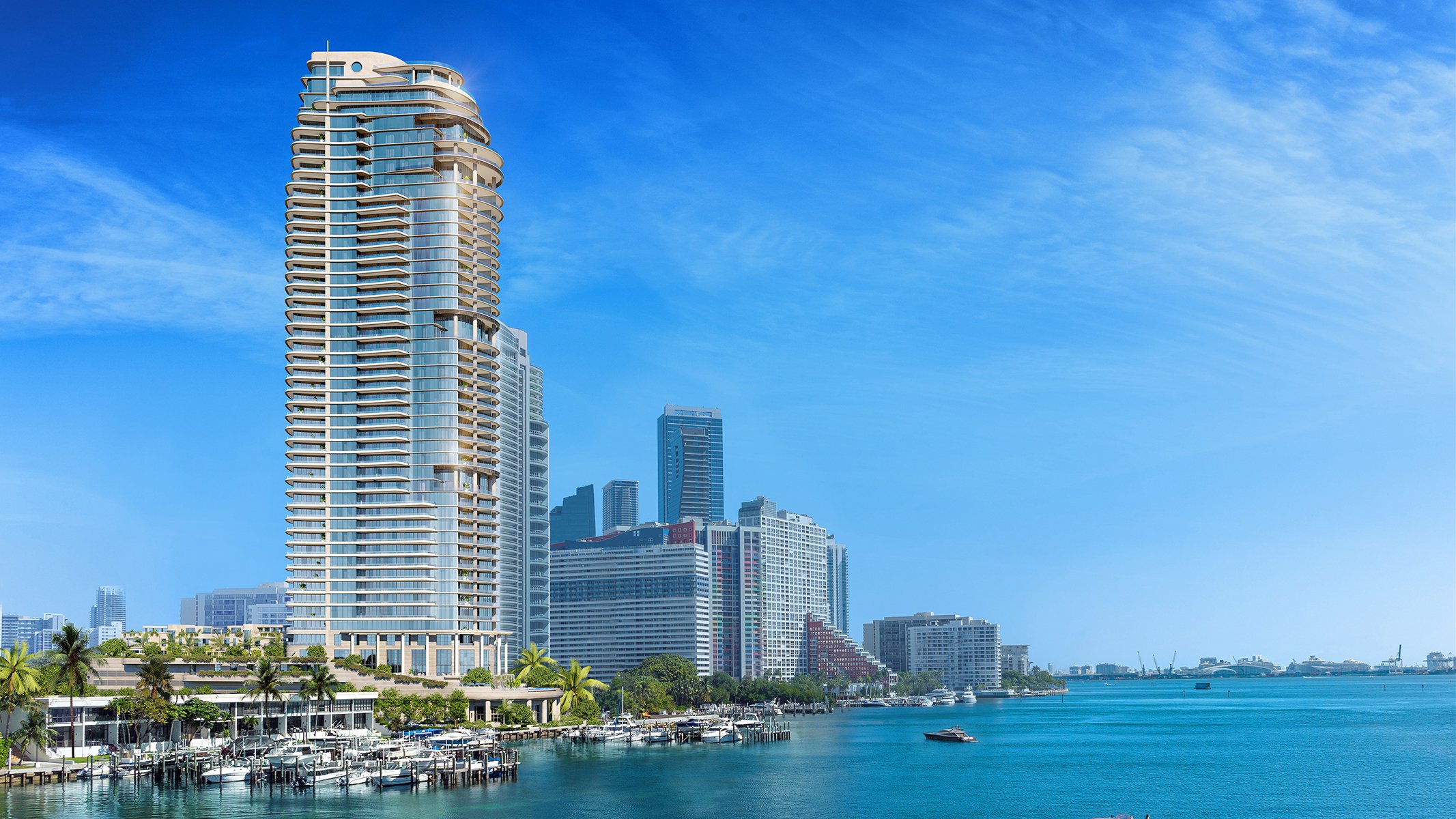
Miami is often described as walkable, and in a narrow technical sense, that can be true. Many errands can be completed on foot, particularly in denser urban districts where residences, restaurants, offices, retail, and fitness concepts sit close together. But for a high-net-worth buyer, that label is incomplete.
Walkable usually refers to access. Comfortable to walk refers to experience.
That distinction is decisive in South Florida. A route may feel strong on paper because destinations are nearby, blocks are short, and uses are mixed. Yet if sidewalks are narrow, crossings feel exposed, tree cover is limited, traffic feels aggressive, or the afternoon climate turns a simple walk into a negotiation with heat and rain, the lifestyle value changes materially.
For luxury buyers, the real question is not whether a neighborhood permits walking. It is whether the environment invites it repeatedly, at 8 a.m., at 2 p.m., after dinner, and through much of the year without friction. In premium real estate, that repeatability is what turns access into habit and habit into value.
In planning terms, walkability is tied to fundamentals such as proximity to destinations, street connectivity, density, and block structure. Those are important indicators. They help explain why dense urban districts are often marketed as lifestyle-rich addresses.
That also helps explain the appeal of districts such as Brickell, Downtown, Wynwood, and the Design District. They offer concentration. You can live near dining, culture, workspaces, and services instead of driving for every movement.
For buyers considering the urban core, residences like The Residences at 1428 Brickell or Baccarat Residences Brickell sit within the kind of mixed-use geography that supports a genuinely less car-dependent routine. That is real walkability.
Still, technical walkability does not guarantee pleasure. It says little about whether the walk feels elegant, protected, or calm.
Comfort is more discriminating. It includes continuous sidewalks, safer crossings, shade, lighting, accessibility, landscaping, and a sense of order. It is about whether the route feels intuitive and polished, not merely possible.
In Miami, climate makes that standard especially demanding. Heat, humidity, and frequent rainfall create friction that a basic walkability label does not capture. Uncovered, unshaded walking can become undesirable even when everything is physically close.
Thermal stress also changes behavior. In practical luxury-market terms, the premium pedestrian environment is one that gives residents options: shade from canopy or architecture, wider sidewalks that keep movement relaxed, breezier waterfront edges, shorter exposed segments, and convenient transit substitutions when weather turns.
That is why comfortable to walk often feels more luxurious than merely walkable. It lowers decision fatigue. You do not have to think twice before leaving the building.
Brickell may be the clearest example of the divide between access and comfort. It has destination density in abundance. Dining, offices, residences, wellness concepts, and hospitality are tightly packed. On paper, that should create one of the city’s most complete pedestrian lifestyles.
Yet the district still illustrates how the pedestrian experience requires refinement before it feels consistently comfortable. Even where the urban ingredients are present, sidewalks, crossings, and streetscape quality shape whether daily movement feels effortless.
This matters for residential positioning. Projects such as 2200 Brickell, St. Regis® Residences Brickell, and Mercedes-Benz Places Miami benefit from a neighborhood where daily destinations are close at hand, but buyers should distinguish between being able to walk and wanting to walk.
In Brickell, the most valuable micro-environments are often the ones that reduce exposure, simplify crossings, and deliver a more composed streetscape. The Metromover also becomes part of the mobility equation, not because walking fails, but because intelligent movement in Miami includes avoiding unnecessary discomfort during peak heat or rain.
A denser neighborhood is not automatically the most comfortable one. For many affluent buyers, Coconut Grove and Coral Gables can feel superior on foot precisely because they trade some raw intensity for composure.
Coconut Grove’s village rhythm, greenery, and waterfront atmosphere create a slower pedestrian cadence. The environment encourages strolling rather than simply moving between destinations. That distinction is subtle but valuable. Residences like Arbor Coconut Grove and The Well Coconut Grove align naturally with that more curated notion of comfort, where wellness, landscaping, and neighborhood scale reinforce one another.
Coral Gables offers a related lesson. Its public realm tends to feel more orderly, more shaded, and more intentionally designed than many faster-growing urban pockets. For buyers drawn to a polished walking experience around retail and dining, Ponce Park Coral Gables sits within a setting where design quality contributes as much to walkability as destination count.
In both districts, comfortable walking is not only about what is nearby. It is about the emotional tone of the route.
At the upper end of the market, buyers tend to respond most strongly to environments that feel managed, aesthetically coherent, and forgiving in climate terms. That is where places like the Design District stand apart. The area’s luxury retail framework, visual consistency, and curated public-facing environment align more closely with the expectations of a high-net-worth pedestrian experience.
Wynwood is instructive by contrast. It is lively, culturally dense, and highly walkable for short leisure outings, especially around dining and art. But comfort there can still be shaped by shade gaps, traffic conditions, and exposure. It succeeds as an energetic walking district, though not always as an effortless one.
The premium lesson is clear: Miami’s best pedestrian environments combine access with control. Architecture, landscaping, sidewalks, crossings, waterfront promenades, and mixed-use ground floors all matter because they turn urban convenience into daily ease.
That logic also extends to buildings themselves. In Miami’s luxury market, projects increasingly emphasize widened sidewalks, plazas, landscaped edges, and active lower levels because buyers understand that the building does not end at the lobby. It begins at the curb.
For HNWIs, the smartest way to evaluate walkability is to tour a neighborhood at different times and ask a more refined set of questions.
First, how exposed is the route? Shade, breezes, and cover are not cosmetic in Miami. They are functional.
Second, how legible are the crossings? A district can be dense and still feel unpleasant if intersections are too wide, turning movements are constant, or waiting areas are minimal.
Third, does the area provide alternatives to walking when conditions shift? In the urban core, that might mean the convenience of the Metromover. Along the waterfront, it may mean promenades that are simply more pleasant than inland streets.
Fourth, does the pedestrian realm feel finished? Sidewalk width, landscaping, lighting, storefront rhythm, and curb management all influence whether a neighborhood feels premium.
The buyer paying for walkability is not really paying for distance. The buyer is paying for reduced friction.
What is the difference between walkable and comfortable to walk? Walkable means destinations are nearby. Comfortable to walk means the route feels shaded, safe, attractive, and easy to choose often.
Is Miami actually a walkable city? In many districts, yes in practical terms. But the quality of the walking experience varies sharply by neighborhood and streetscape.
Why does this matter more for luxury buyers? High-net-worth buyers tend to value ease, design quality, and repeatable daily habits, not just theoretical proximity on a map.
Is Brickell a good example of this divide? Yes. Brickell offers dense access to amenities, yet parts of the district can still feel less comfortable on foot than buyers expect.
Does climate really affect lifestyle value? Yes. In Miami, heat, humidity, and rain can make uncovered routes less desirable even in prime locations.
Which feels more comfortable on foot, Brickell or Coconut Grove? They offer different experiences. Brickell is denser and more urban, while Coconut Grove often feels slower, greener, and more relaxed.
Why do wider sidewalks and landscaping matter so much? They create space, shade, and visual order, all of which make walking feel calmer and more premium.
Can transit improve luxury walkability? Yes. In the urban core, the Metromover can substitute for exposed walking segments during heavy rain or peak heat.
Do waterfront promenades change the equation? Often, yes. Water views, breezes, and leisure-oriented paths can make walking more appealing than inland routes.
What should buyers inspect during a neighborhood tour? Focus on shade, crossing safety, sidewalk continuity, curb activity, and whether the area still feels comfortable outside ideal weather.
For a confidential assessment and a building-by-building shortlist, connect with MILLION Luxury.
If branded residences are on your mind — as a home or as an allocation — we would be glad to share what we are seeing, privately.
Begin a quiet conversation