Best South Florida towers for buyers who care more about private arrival than amenity spectacle
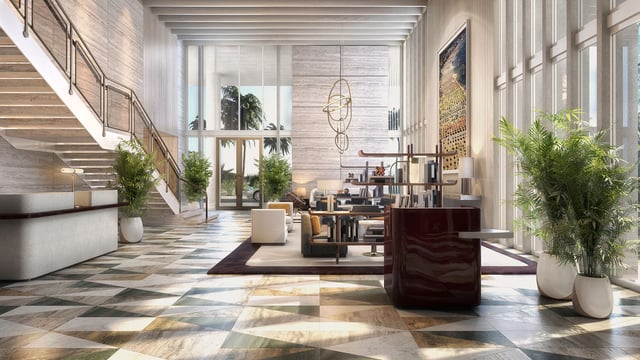
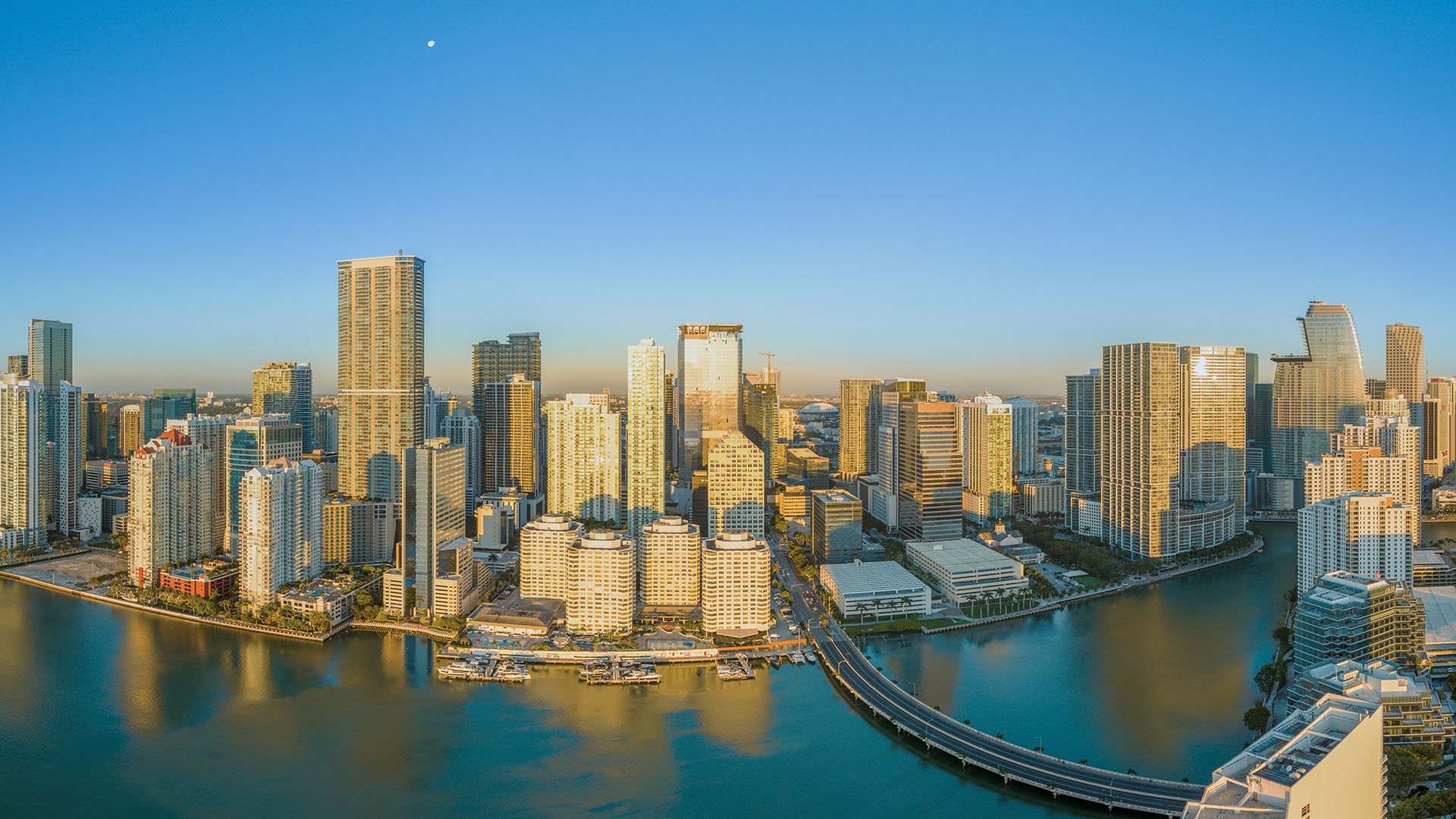
For a certain class of South Florida buyer, luxury begins before the front door. This editorial short list looks at towers where gated access, discreet lobbies, private elevator service, and garage-to-residence circulation matter more than theatrical amenity decks.
What full-time luxury buyers should ask before choosing a seasonal hotspot as a permanent home
A seasonal address can feel effortless for a few winter months and far more complex as a year-round residence. For luxury buyers in South Florida, the right questions are less about glamour and more about the mechanics of permanent living: domicile, taxes, insurance, flood exposure, reserves, building rules, schools, commuting, and storm readiness. The most successful transitions happen when buyers underwrite the full carrying-cost and lifestyle reality before closing, not after move-in.
How to compare buildings when one is optimized for entertaining and the other for restoration
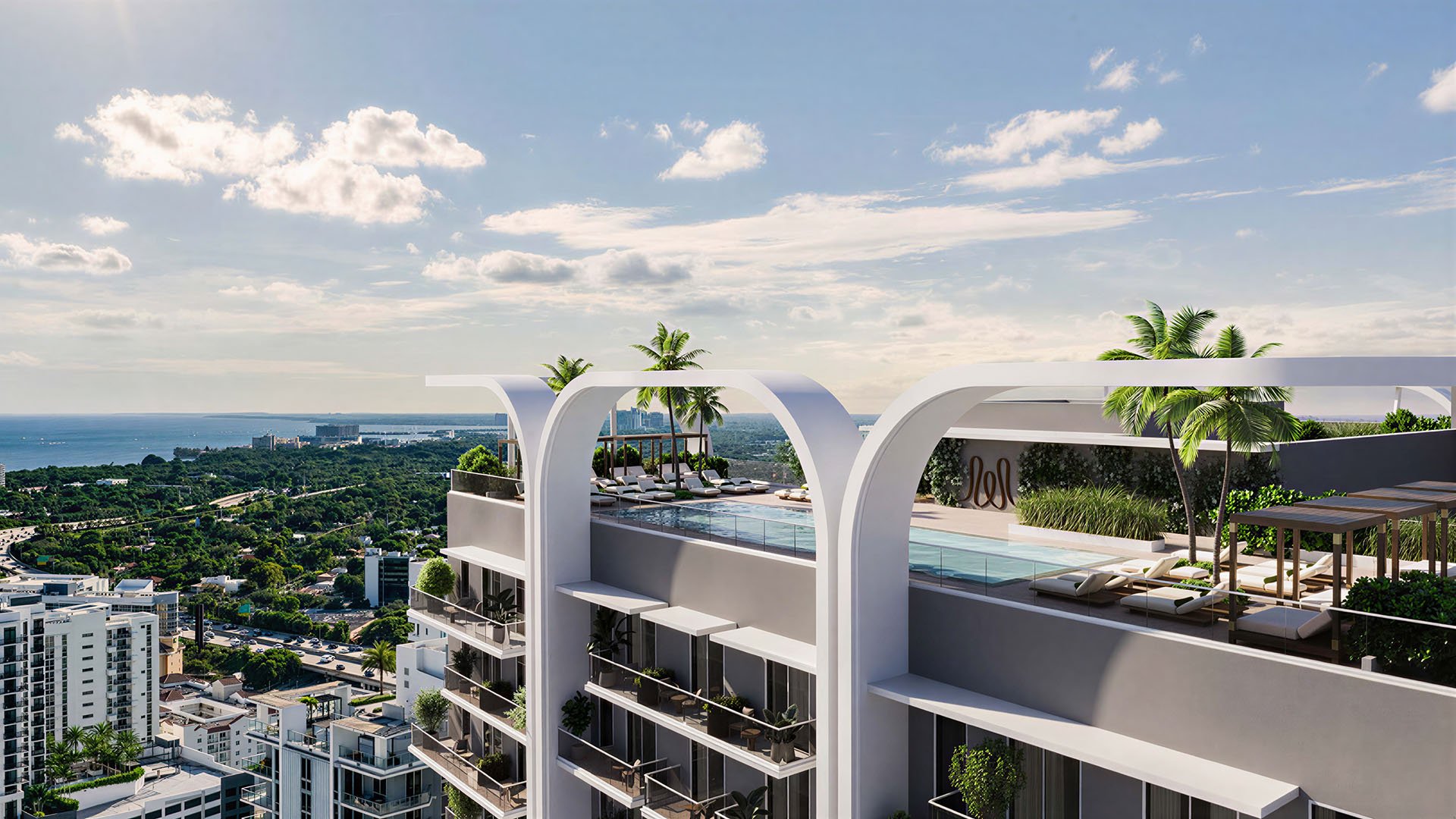
A refined South Florida buyer framework for weighing lifestyle-ready buildings against restoration candidates, with a focus on hosting utility, preservation constraints, code exposure, and long-term value.
Why the most useful amenity in a luxury building may be one you barely notice during the sales tour
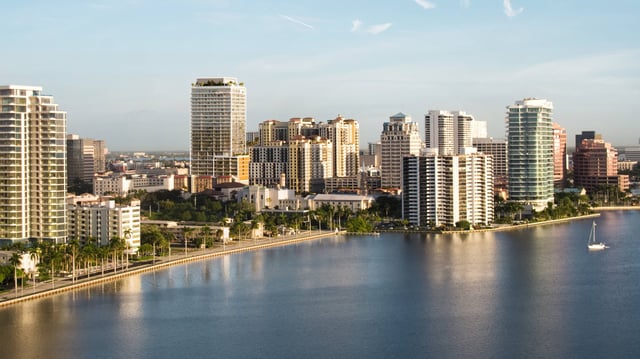
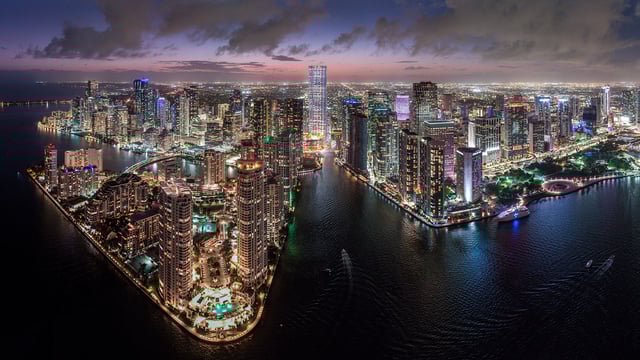
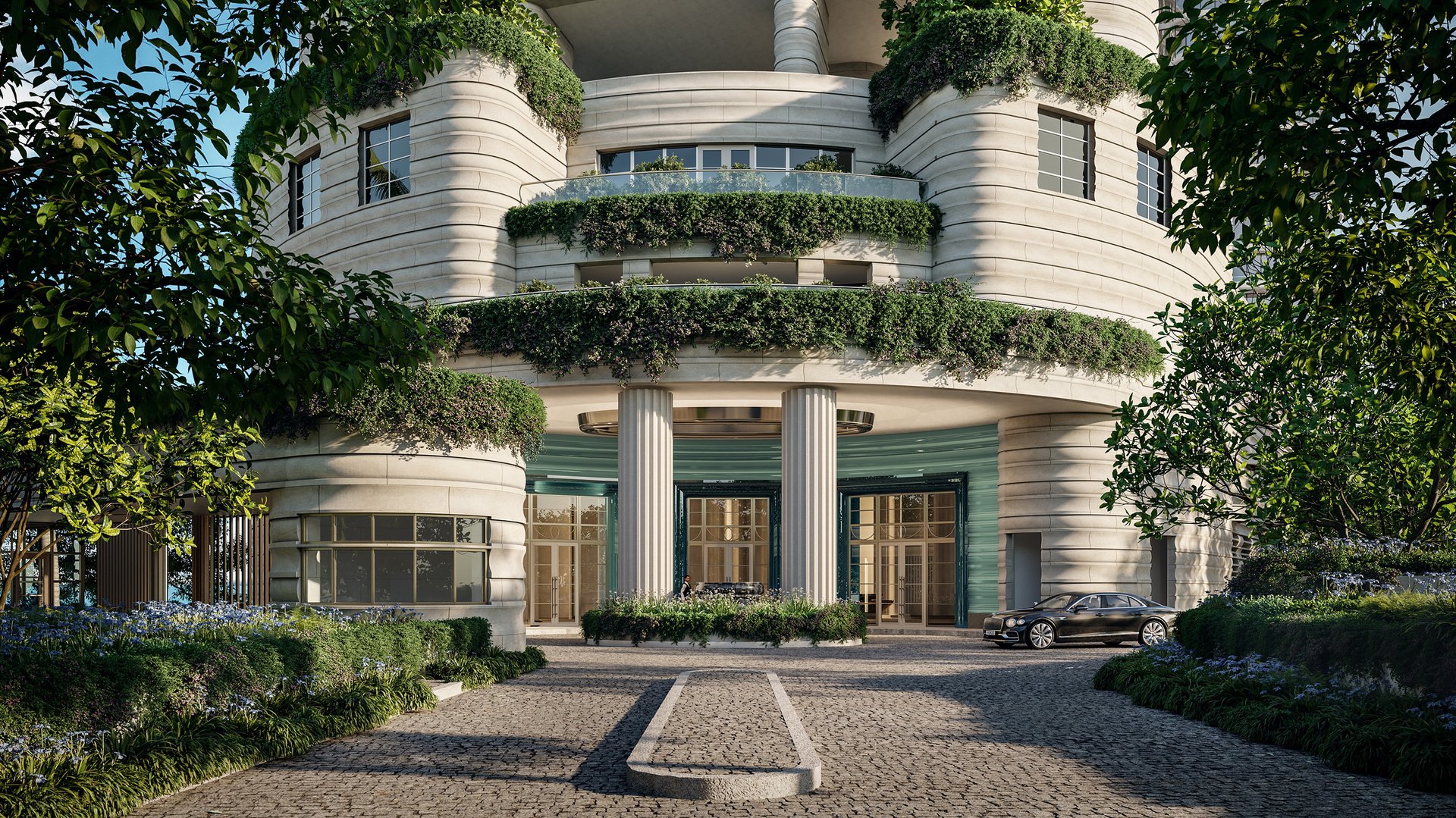
In South Florida luxury real estate, the most valuable amenity is often not the spa, lounge, or rooftop deck. It is the hidden operational infrastructure that keeps daily life smooth: parking, backup power, fiber connectivity, concierge logistics, climate control, acoustics, and water systems. For discerning buyers in markets such as Brickell, Miami Beach, Sunny Isles, and West-palm-beach, these quiet systems shape comfort, privacy, resilience, and long-term satisfaction far more than the flashier spaces highlighted on a sales tour.
Why smaller luxury buildings can feel more generous than mega-projects with longer amenity menus
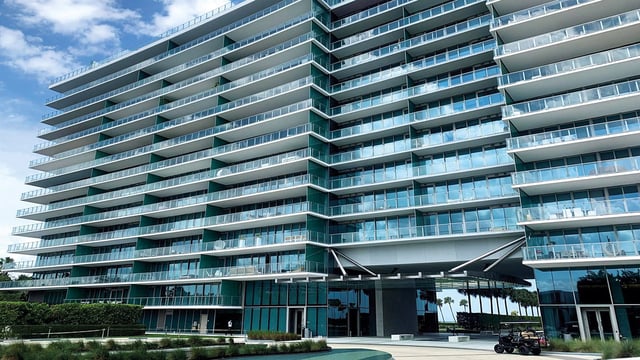
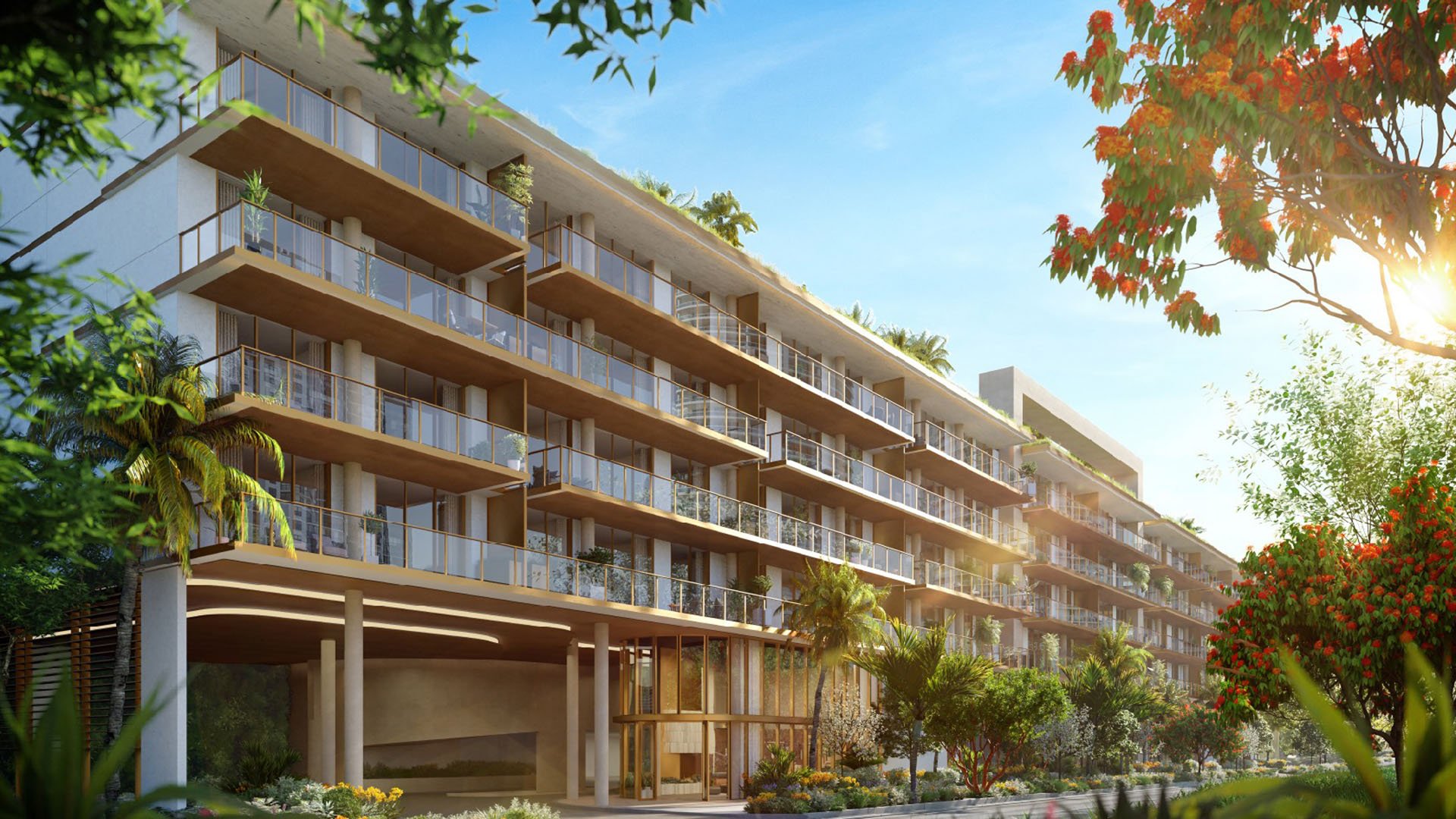
In South Florida luxury real estate, generosity is often measured less by the length of an amenity roster than by the ease, privacy, and coherence of daily life. Boutique buildings can feel richer because owners share fewer spaces, receive more attentive service, enjoy quieter circulation, and benefit from stronger light, ceiling height, outdoor space, and architectural identity.
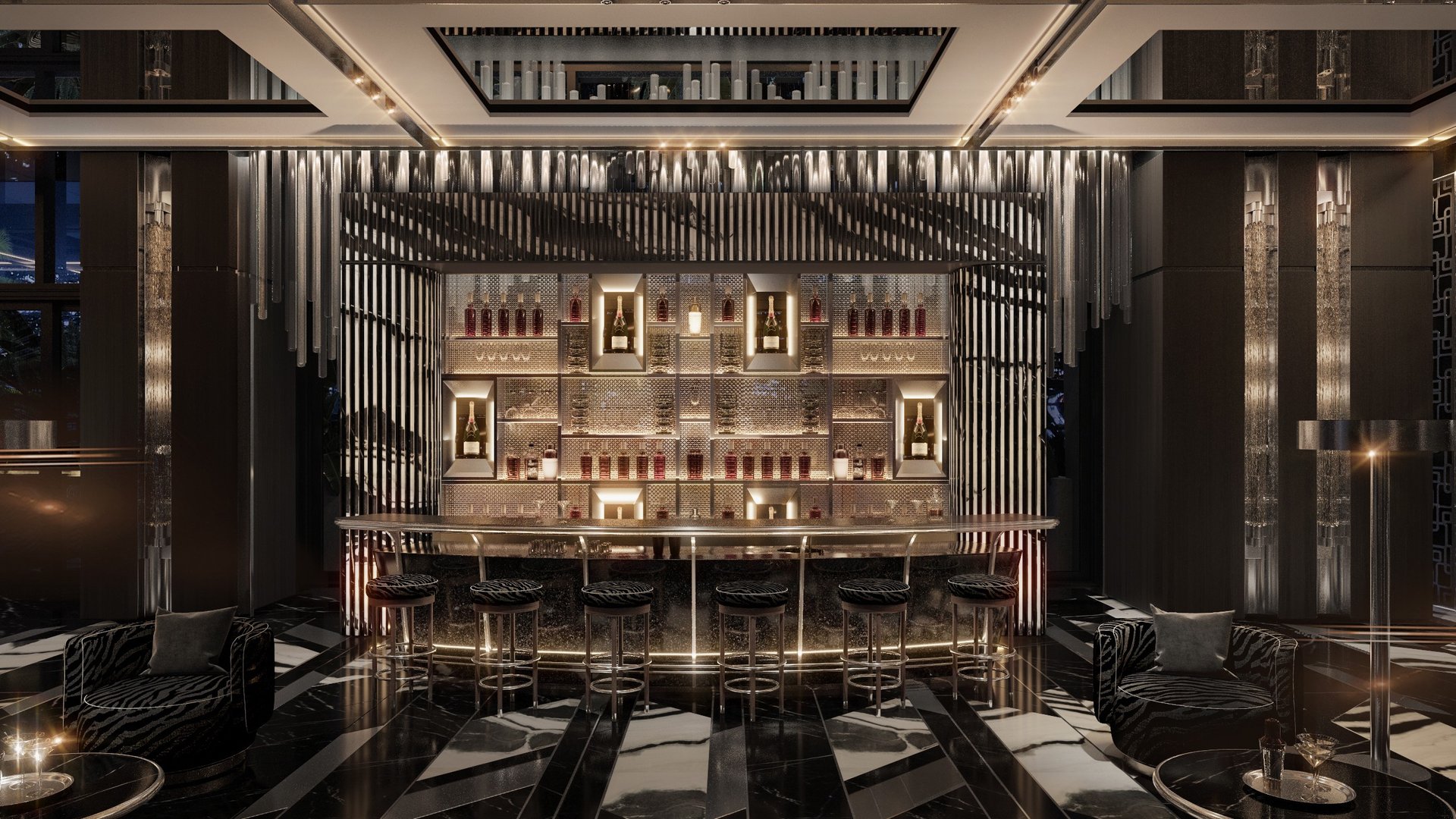
How to evaluate the privacy cost of restaurant prestige in mixed-use luxury developments
Prestige dining can elevate a mixed-use luxury address, but for discerning buyers the real question is what that cachet costs in privacy. In South Florida, where experience-driven developments remain central to demand, the right analysis is less about culinary branding and more about measurable exposure: noise, odor transfer, vibration, public circulation, and pressure on exclusivity. A disciplined review of circulation, building systems, unit placement, and late-night operations reveals whether a restaurant is a refined amenity or a daily intrusion.