A refined South Florida buyer framework for weighing lifestyle-ready buildings against restoration candidates, with a focus on hosting utility, preservation constraints, code exposure, and long-term value.
In South Florida, comparing two luxury buildings by finishes or square footage alone is rarely enough. The more precise question is what kind of life each property is designed to support. When one building is optimized for entertaining and the other is a restoration opportunity, you are not comparing equivalents. You are comparing readiness with potential, ease with complexity, and polished social utility with architectural authorship.
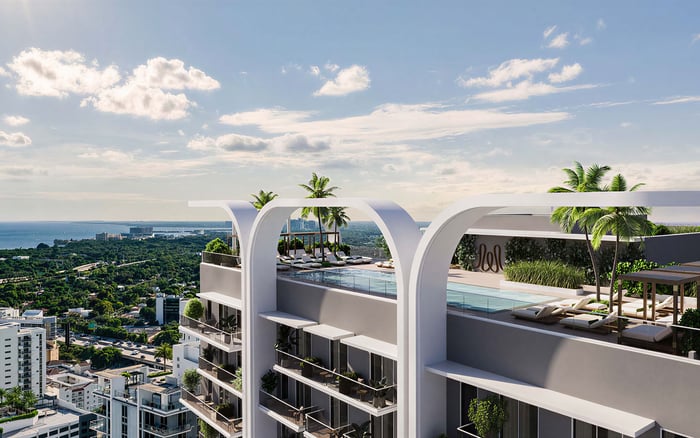
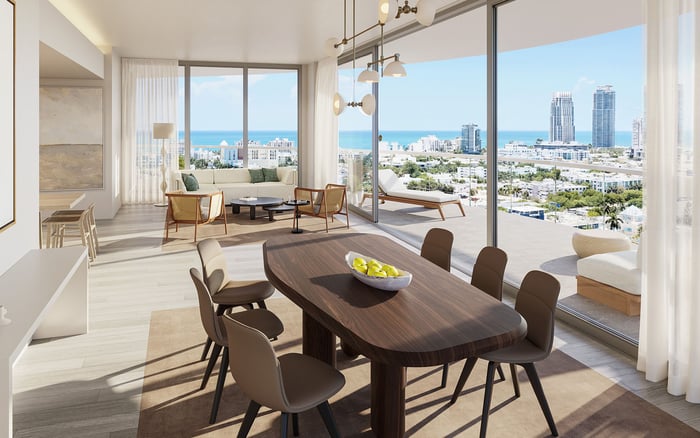
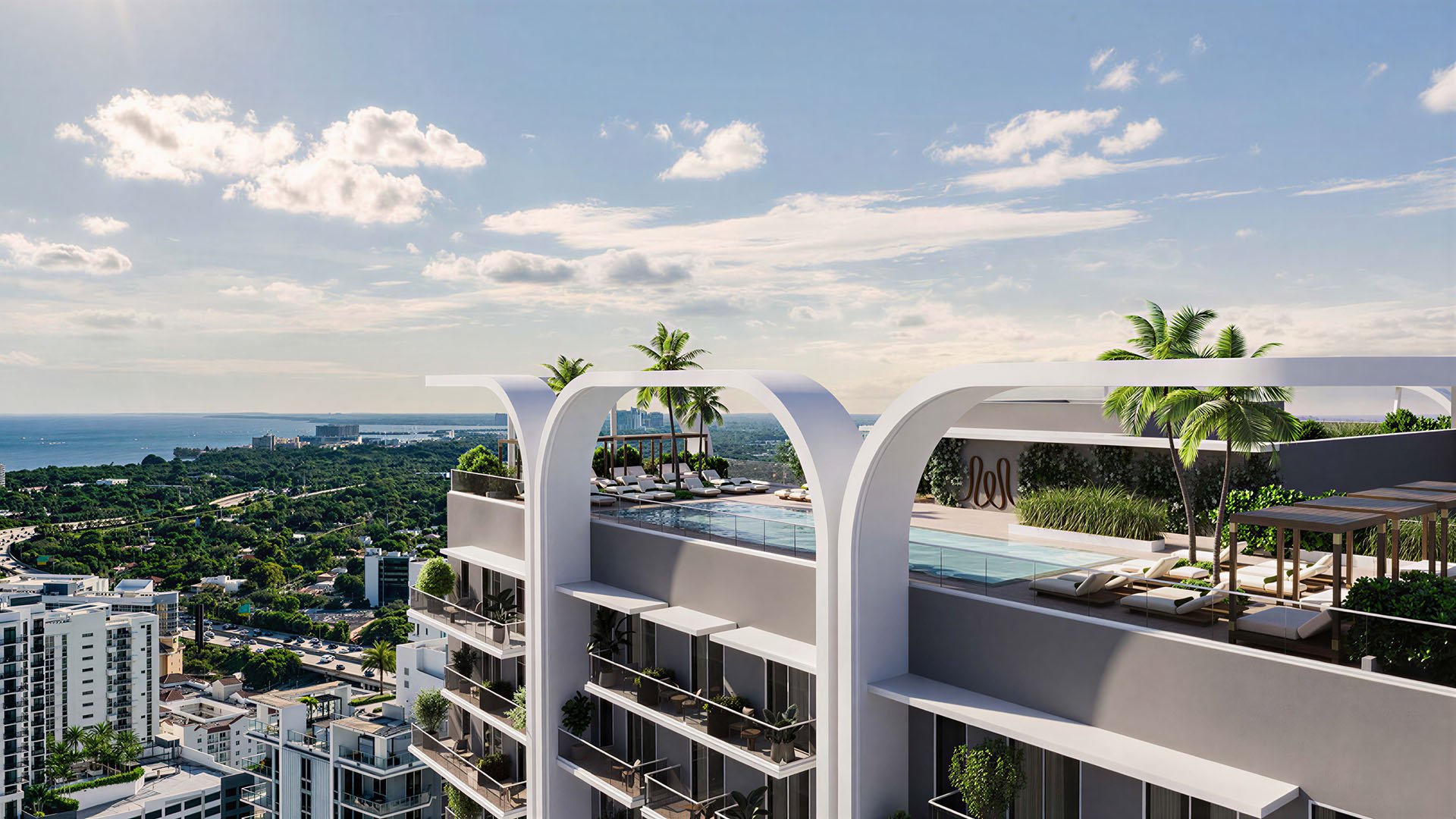
An entertaining-focused building should be judged by how naturally it accommodates people. That means circulation, gathering capacity, kitchen performance, bar or service areas, and the strength of the indoor-outdoor connection. In this market, terraces, pools, and open-air living are not decorative extras. They are central to how owners actually use a residence for much of the year.
A restoration-oriented building demands an entirely different lens. Before charm, provenance, or design ambition, the first points of comparison are structure and major systems. Electrical, plumbing, HVAC, and storm-resistance exposure carry outsized importance in Florida because renovation scope is shaped by current standards, not by the era in which the building was originally conceived.
The practical mistake is asking which building is better in the abstract. The better building is the one that best serves your intended use, your tolerance for complexity, and your preferred pace of occupancy.
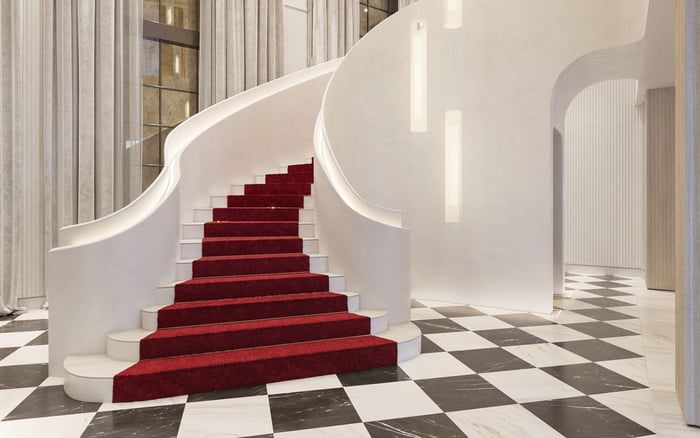
For an entertaining property, the first question is whether the plan allows guests to move with ease. Grand rooms matter, but so does the invisible choreography: how arrivals are received, where service happens, how kitchen and dining zones relate, and whether outdoor areas feel seamlessly integrated rather than appended.
Buildings designed for social living typically stand out through open layouts, chef-grade kitchens, bars, expansive terraces, and amenity spaces that support everything from a quiet family dinner to a larger evening gathering. In a waterfront market especially, outdoor square footage carries unusual weight because hosting in South Florida often extends from interior salons to terraces, pool decks, and sunset-facing lounges.
That is why buildings such as 57 Ocean Miami Beach or Apogee South Beach can feel immediately legible to a buyer seeking immediate lifestyle utility. The comparison is not simply aesthetic. It is operational. Can the residence perform beautifully this season, with minimal adaptation, and can it host at the level your household expects?
Buyers should also weigh how much of the entertaining experience is private versus building-supported. In some residences, the home itself carries the occasion. In others, shared amenity design meaningfully extends hosting capacity. Either way, readiness is a genuine luxury. A building already configured for entertaining usually offers an advantage when near-term use matters and tolerance for disruption is low.
Restoration candidates should be viewed through more disciplined underwriting. Their appeal often lies in scarcity, architectural character, and neighborhood authenticity, but those strengths exist alongside approval risk, construction timelines, and code-driven cost.
The first layer is physical condition. A romantic façade or distinguished bones do not diminish the importance of systems. In South Florida, older structures often trigger meaningful upgrades once work begins, particularly where resilience and life-safety expectations have evolved. That can reshape both budget and timeline.
The second layer is regulatory flexibility. In Miami, designated historic properties are subject to preservation review, and in Broward there may also be compatibility review tied to historic character. For the buyer, this means design freedom may be narrower than expected. Outdoor additions, façade changes, and even seemingly straightforward alterations can become part of a more formal approval path.
Yet restoration can offer a different form of value. In preservation-sensitive districts, adaptive reuse potential and architectural significance may matter as much as immediate amenity count. That helps explain why some buyers remain drawn to character-rich environments near places where design history and neighborhood identity are integral to the address. A newer building such as Kempinski Residences Miami Design District may offer contemporary ease near a design-centric setting, while a restoration-minded asset in a culturally significant area can appeal for the opposite reason: it carries narrative, texture, and rarity that cannot be newly built.
In many markets, restoration may be framed largely as an aesthetic exercise. In South Florida, climate and regulation make it far more technical. Insurance implications, resilience upgrades, and code exposure deserve heavier weight than they might in older northern cities where weather and storm demands differ.
Outdoor living also shifts the comparison. Entertaining buildings benefit when terraces, pools, and exterior rooms are already integrated into the architecture. A residence like Aria Reserve Miami reflects the contemporary expectation that hosting should move effortlessly between interior and exterior spaces. By contrast, a restoration property in a historic context may have far less flexibility to add or substantially alter outdoor features, even when the lifestyle case for doing so feels obvious.
Location further complicates the equation. In Brickell, buyers often prioritize polished convenience, service, and immediate usability, making buildings such as St. Regis® Residences Brickell compelling reference points for turnkey social living. In older, character-forward neighborhoods, the calculus may tilt toward authenticity and adaptive reuse, but only for buyers who understand that time is part of the acquisition.
The most effective way to compare these two categories is to score them on different criteria rather than force them into a shared checklist.
For an entertaining-focused building, prioritize readiness, hosting amenities, circulation, privacy, staff support, and indoor-outdoor continuity. Ask whether the residence is prepared for near-term use with minimal friction.
For a restoration property, prioritize historic value, structural condition, systems exposure, regulatory burden, and reuse potential. Ask whether the complexity is justified by the eventual distinctiveness of the finished asset.
This framework helps prevent a common luxury-market error: overvaluing visible beauty while undervaluing process. Entertaining buildings tend to make their utility obvious on first viewing. Restoration buildings often reveal their true economics only through deeper diligence.
If your priority is immediate enjoyment, social hosting, and a residence that feels complete the moment you take possession, an entertaining-optimized building usually presents the clearer proposition. It is easier to evaluate, faster to use, and more predictable in lifestyle delivery.
If your priority is authorship, legacy, and the opportunity to own something shaped by character rather than pure newness, a restoration asset may compare very favorably. But that path rewards patience, expert review, and a willingness to accept narrower design freedom in exchange for scarcity.
In other words, the decision is less about glamour versus restraint than about operating style. One buyer wants a house already dressed for the evening. Another wants a building with history worth stewarding.
What is the first thing to compare in an entertaining-focused building? Start with circulation, gathering capacity, and how naturally indoor and outdoor spaces connect for hosting.
What is the first thing to compare in a restoration building? Begin with structure and major systems, including electrical, plumbing, HVAC, and storm-resistance exposure.
Why does outdoor space matter so much in South Florida? Because luxury living here is year-round, terraces, pools, and exterior lounges often function as primary entertaining space.
Are restoration properties harder to evaluate than newer buildings? Yes. They usually require deeper diligence around permitting, compliance, and renovation timing.
Can historic rules affect what I change on a restoration property? Absolutely. Preservation review can limit façade changes, additions, and other design moves.
Is an entertaining building always the better investment? Not necessarily. It is often the easier lifestyle purchase, but restoration can create value through rarity and adaptive reuse.
How should I compare timelines between the two options? Assume the entertaining building is more immediate, while restoration often includes approvals and construction before full use.
Does current Florida code matter if a building is older? Yes. Renovation scope and cost are shaped by current code requirements rather than original construction standards.
Who is best suited to a restoration-oriented purchase? Buyers who value character, neighborhood authenticity, and long-term uniqueness more than immediate convenience.
What is the simplest decision test? Choose entertaining if you want readiness now; choose restoration if you are prepared to trade speed for distinction.
When you're ready to tour or underwrite the options, connect with MILLION.
If branded residences are on your mind — as a home or as an allocation — we would be glad to share what we are seeing, privately.
Begin a quiet conversation