A seasonal address can feel effortless for a few winter months and far more complex as a year-round residence. For luxury buyers in South Florida, the right questions are less about glamour and more about the mechanics of permanent living: domicile, taxes, insurance, flood exposure, reserves, building rules, schools, commuting, and storm readiness. The most successful transitions happen when buyers underwrite the full carrying-cost and lifestyle reality before closing, not after move-in.
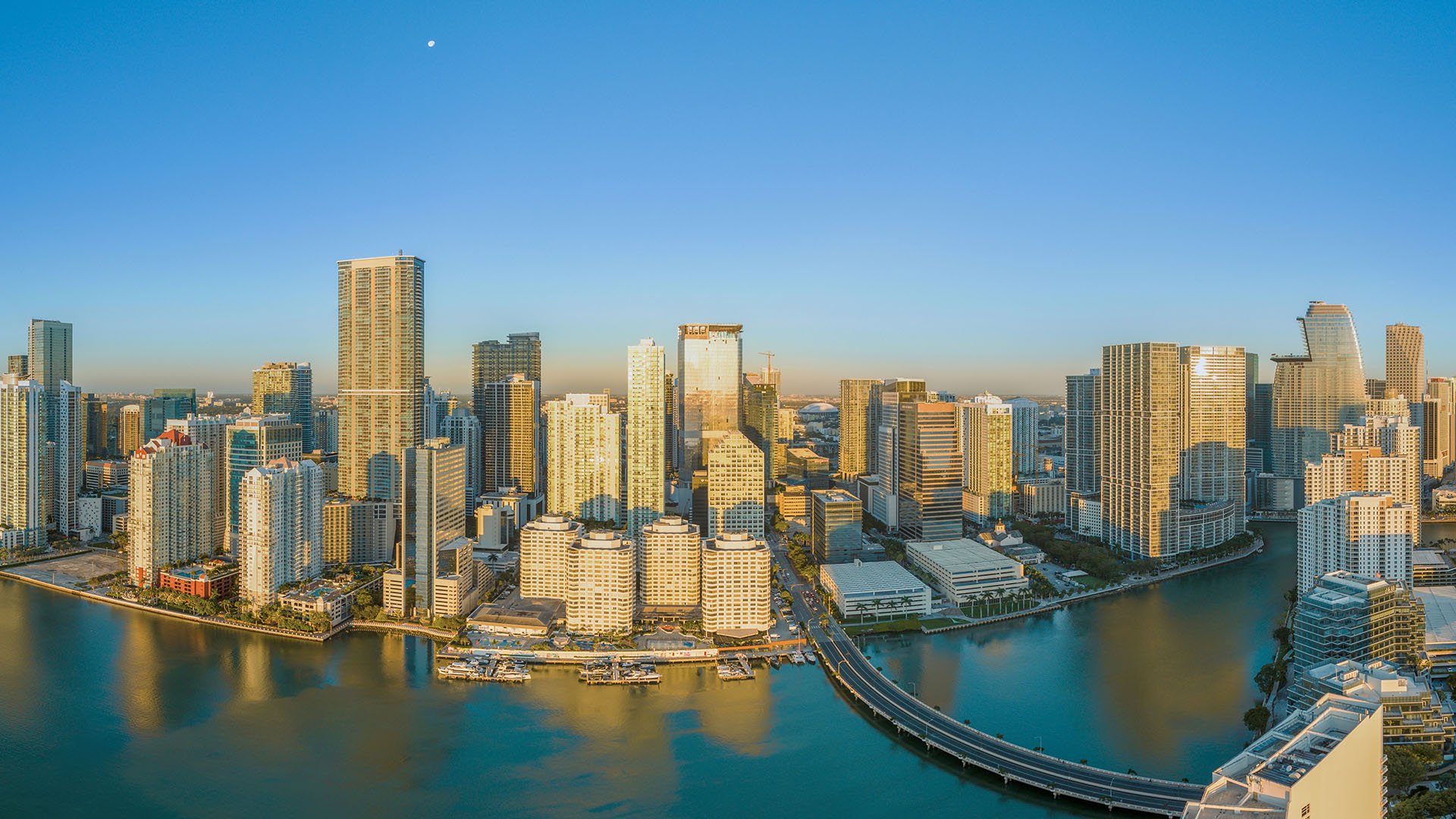
A winter address can be seductive precisely because it is experienced at its most polished. Restaurants are full, social calendars are dense, and every arrival feels like an event. Permanent residency is different. The more useful question is not whether a neighborhood shines in high season, but whether it still feels practical, comfortable, and connected in July, during storm preparations, and through the quieter stretches of the year.
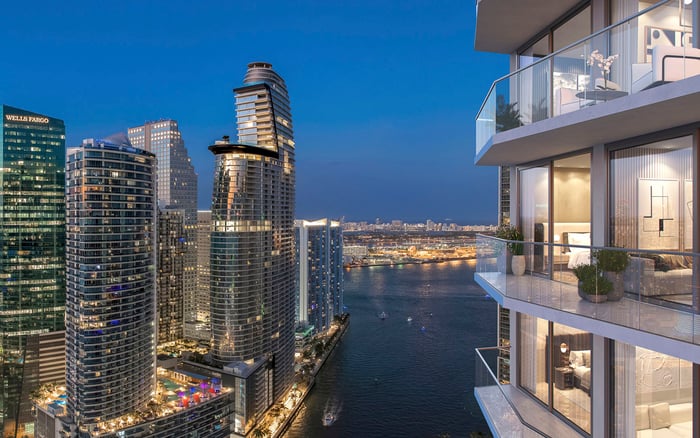
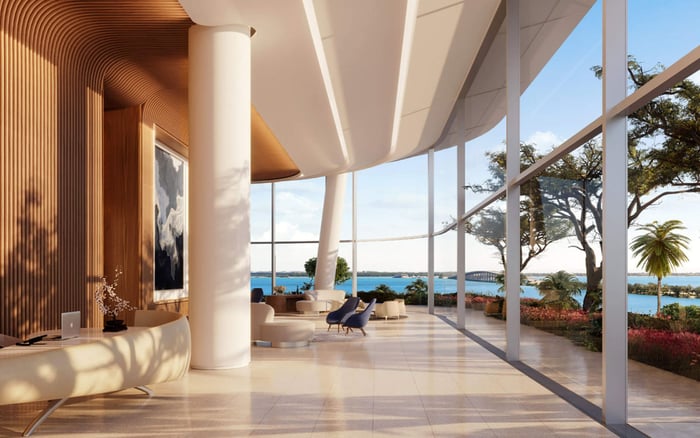
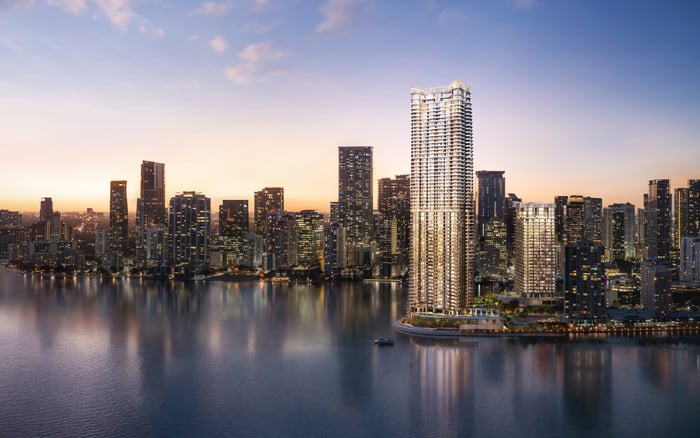
For full-time buyers, that means testing daily life rather than vacation life. How long are routine drives? What does the neighborhood feel like on a weekday afternoon? Does the building operate smoothly when owners are in residence year-round? In enclaves from Brickell to Miami Beach, this distinction matters. A residence such as The Residences at 1428 Brickell may suit buyers seeking an urban, primary-home rhythm, while The Perigon Miami Beach may appeal to those who want coastal privacy without treating the home as a short seasonal stay.
Florida’s lack of state personal income tax remains a major draw, but sophisticated buyers know the headline benefit is only part of the story. If the move is intended to establish Florida as a primary base, domicile and principal-residence status should be clarified before closing and before any tax-planning assumptions are made.
Property taxes also warrant far more precision than casual conversation usually allows. Tax bills are shaped by assessed value, exemptions, and the specific municipality in which the property sits. In other words, a luxury buyer should review the actual millage for the exact city or village under consideration rather than relying on the broad assumption that Florida taxes are simply low.
Homestead exemption can materially improve the economics of a primary residence, but eligibility is tied to both residency and ownership conditions. Title-holding structure matters as well. If the property will be purchased through a trust, entity, or another layered ownership arrangement, buyers should determine before contract whether that structure aligns with the protections and exemptions they expect.
One of the biggest mistakes seasonal buyers make is treating insurance as a late-stage administrative item. In South Florida, it is a first-order underwriting question. Full-time residents are not simply buying architecture and views. They are buying an annual risk profile that includes wind exposure, flood exposure, deductibles, and the practical availability of private coverage.
The market remains stressed, which makes early insurance review essential. Ask whether the residence can secure private wind coverage at an acceptable cost, what fallback options exist if it cannot, and whether underwriting concerns might alter your comfort with the asset. Do not assume that a property with glamorous branding will be frictionless to insure.
This is especially relevant for highly exposed coastal product in areas such as Sunny Isles and Surfside, where buyers may be drawn to landmark properties like St. Regis® Residences Sunny Isles or The Delmore Surfside. The right question is not whether the address is prestigious. It is whether the insurance stack is fully understood before contingencies expire.
Flood exposure is often oversimplified. Buyers sometimes assume only the most obvious waterfront homes require close review, but full-time residency demands a more exact approach. Flood-zone status, likely premiums, elevation-related considerations, and neighborhood drainage patterns should all be part of due diligence.
For a permanent home, this is not just about cost. It is about livability. How often does the surrounding area experience nuisance flooding? Will access routes remain reliable during heavy rain events? Does the property’s risk profile fit the buyer’s tolerance for disruption? These questions matter as much in practical bayfront districts as they do on the ocean.
Seasonal buyers often focus on services and aesthetics. Full-time buyers need to focus on governance. Condo and HOA restrictions can materially change the ownership experience, especially if plans may evolve over time. Even if you expect to occupy the residence most of the year, ask about rental minimums, approval rules, guest policies, renovation restrictions, pet rules, and any use limitations that could affect flexibility.
This becomes even more important in Coconut Grove, Bal Harbour, and other tightly defined luxury enclaves where lifestyle expectations can be highly specific. A buyer considering Vita at Grove Isle, for example, should weigh not only the appeal of the setting but also whether the property’s rules support true year-round use and future optionality.
For older condominium product, reserve strength and building condition are no longer secondary questions. They sit at the center of carrying-cost analysis. Buyers should request clarity on reserve funding, engineering reviews, planned capital projects, and whether special assessments are pending or plausibly ahead.
This matters because headline pricing can conceal a much more expensive reality after closing. A building with inadequate reserves or deferred maintenance may require owners to absorb significant future costs. For a seasonal buyer, that may feel tolerable at first. For a full-time buyer, it can reshape annual economics and peace of mind in a profound way.
When comparing resale opportunities with newer new-construction options, do not stop at finishes or amenities. Compare the likely maintenance trajectory of the building itself.
Humidity is part of South Florida living, and mold risk should be taken seriously wherever there has been water intrusion, chronic condensation, inadequate ventilation, or unresolved leaks. Before occupancy, ask direct questions about prior remediation, building envelope issues, HVAC performance, and any history of moisture intrusion in the unit or common areas.
A buyer who will live in the residence year-round experiences these issues differently than someone visiting for six weeks. Comfort, indoor air quality, and maintenance burden all become more personal when the property is a primary home rather than a seasonal retreat.
Luxury buyers rarely purchase with the intention of leaving quickly, yet permanent-home decisions should still be made with eventual resale in mind. Seasonal markets can mask sharp differences in liquidity between submarkets and between condo and single-family segments. A celebrated address can still trade unevenly outside peak periods.
That is why buyers should study local transaction rhythm, inventory patterns, and time on market at the neighborhood level. Ask a simple but revealing question: if circumstances changed, who would buy this property twelve months a year, not just during the social season?
In West Palm Beach, for instance, a full-time buyer may prioritize a more grounded daily-living profile in projects such as Alba West Palm Beach rather than focusing only on a winter pied-à-terre fantasy.
A permanent move changes the center of gravity of daily life. Buyers relocating with children should evaluate school options at the neighborhood level, since quality and fit can vary widely even within the same city. Buyers who expect to continue working should consider whether their routines depend on local employment, commuting, or business access.
Storm readiness is equally important. Full-time residents need a practical evacuation and preparedness plan, not just confidence that the building is beautiful and well staffed. Ask about generator coverage, building protocols, storage limitations, vehicle access during events, and how the surrounding area performs under storm stress.
The simplest way to choose wisely is to pressure-test the purchase against ordinary life. Not peak season. Not a holiday weekend. Ordinary life. If the tax structure is clear, the insurance is workable, the flood profile is acceptable, the building’s reserves are sound, and the neighborhood still feels compelling outside the social calendar, then a seasonal hotspot may indeed deserve promotion to primary residence.
The most refined buyers in South Florida do not confuse aspiration with due diligence. They insist on both.
What is the first question a seasonal buyer should ask before going full-time? Ask whether the location works as an everyday home in the off-season, not just as a winter address.
Does Florida’s tax appeal automatically make a full-time move financially efficient? No. Buyers should confirm domicile requirements, local property taxes, and whether homestead benefits will actually apply.
Why does municipal millage matter so much for luxury homes? Because property taxes are shaped by the exact municipality, and small assumptions can become significant annual costs at high values.
Should insurance be reviewed before or after contract execution? Before deadlines become restrictive. Wind and property coverage should be underwritten early in the process.
Is flood risk only a concern for direct waterfront residences? No. Flood exposure can affect many address types, and full-time buyers should review zone status and practical access issues.
What condo documents matter most for a permanent buyer? Focus on budgets, reserves, engineering-related disclosures, rules, and any sign of pending special assessments.
Why are special assessments such a serious issue for full-time owners? They can materially increase carrying costs and change the economics of living in the property year-round.
How should buyers think about title-holding structure? Early. Ownership structure can affect residency planning and potential homestead-related protections or exemptions.
What lifestyle factor is most often overlooked in seasonal hotspots? The feel of the neighborhood in summer and during routine weekdays, when resort energy may be far quieter.
How should resale be evaluated for a permanent luxury purchase? Look at year-round liquidity by submarket and property type, not just prestige or peak-season pricing.
To compare the best-fit options with clarity, connect with MILLION.
If branded residences are on your mind — as a home or as an allocation — we would be glad to share what we are seeing, privately.
Begin a quiet conversation