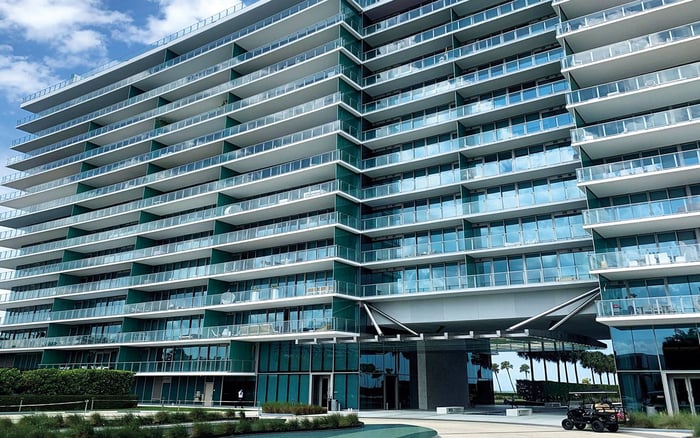
A cash purchase in Key Biscayne can be compelling when the building’s operations, reserves, governance, insurance posture, and long-term capital planning support the lifestyle after closing.
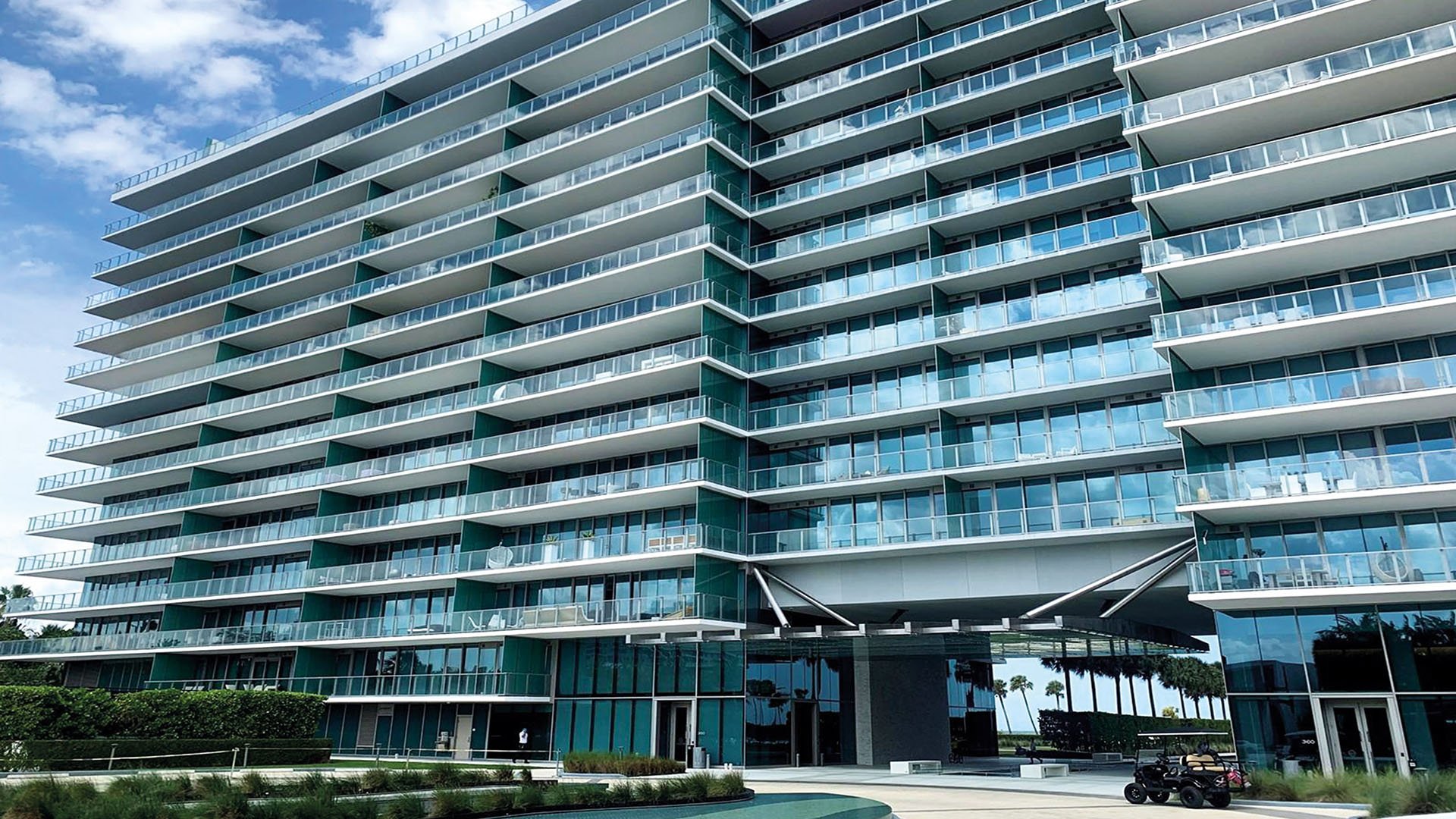
For an all-cash buyer, Key Biscayne can be a remarkably clean proposition. There is no lender timeline to satisfy, no appraisal contingency setting the rhythm of negotiation, and often greater room to move with discretion. Yet the absence of financing does not remove the central question in a condominium purchase: how well does the building function after closing?
That is where a sophisticated buyer separates price from value. A polished lobby, a handsome view, and a gracious floor plan may begin the conversation, but building operations define the ownership experience. The right association culture, maintenance discipline, reserve planning, insurance posture, staffing consistency, and communication cadence can make a cash acquisition feel serene. Weak operations can make even a beautiful residence feel more complicated than it should.
In Key Biscayne, cash buyers should treat the building as part of the asset. The residence may be private, but the owner is also buying into a shared operational structure. That structure deserves the same scrutiny as the interior, the exposure, and the purchase price.
Right operations are not simply about a building looking immaculate on a showing day. They are about whether the property is being managed with foresight. A cash buyer should understand how leadership approaches recurring maintenance, future capital needs, vendor oversight, staff retention, insurance review, and owner communication.
The strongest buildings tend to feel calm because the fundamentals are not treated as afterthoughts. Elevators, common areas, mechanical systems, access control, landscaping, parking areas, and amenity spaces all require a steady rhythm of care. When that rhythm is evident, the residence becomes easier to own, easier to lend to in the broader market, and often easier to resell to another discerning buyer.
At its most practical, this is a Key Biscayne decision shaped by resale discipline, investment restraint, oceanfront or waterview expectations, and a second-home pattern of use. The label may be lifestyle, but the underwriting is operational.
Cash buyers often move quickly because they can. That speed is an advantage only when paired with disciplined review. Before an offer becomes emotional, the buyer should examine the budget, reserves, recent board communication, planned projects, insurance approach, any litigation posture, house rules, rental rules, and the general tone of governance.
The goal is not to find a building with no future expenses. Every serious property requires reinvestment. The goal is to find a building where future expenses are anticipated, explained, and managed in a manner consistent with the level of ownership. A well-run association does not need theatrics. It needs clarity.
This is especially important for buyers comparing Key Biscayne with other ultra-prime South Florida addresses. Someone looking at Oceana Key Biscayne may also be thinking about how privacy, access, services, and building culture feel in daily life. A buyer familiar with Apogee South Beach or The Surf Club Four Seasons Surfside may naturally bring a high standard for operational polish, even when the decision is ultimately driven by a different lifestyle preference.
Cash can be particularly effective when the buyer and the building are aligned. Sellers often value certainty. Associations often value owners who understand the building’s standards. Buyers value a simpler path to closing. But the real advantage appears later, when the owner is not forced to reconcile a beautiful purchase with an underprepared building.
A cash buyer should think in two time horizons. The first is acquisition: price, terms, deposits, inspections, documents, and closing mechanics. The second is ownership: assessments, service quality, future projects, board decisions, and eventual exit. The first horizon is short. The second can define whether the purchase feels intelligent over time.
The best cash purchases are rarely impulsive. They are decisive because the groundwork has already been done. The buyer knows which operational signals matter, which questions require direct answers, and which ambiguities are acceptable. In that sense, cash is not a shortcut. It is a tool that rewards preparation.
Key Biscayne can appeal to buyers who want the tone of a residential enclave rather than the intensity of a more vertical urban district. Still, a serious buyer should benchmark expectations across South Florida. The comparison is not about declaring one address superior. It is about identifying the building culture that best suits the owner’s life.
For some, the reference point might be Fisher Island, where privacy and service expectations can be central to the decision. A buyer considering Palazzo del Sol may think carefully about how operations support a lock-and-leave lifestyle, staff coordination, and the feel of arrival. For others, Miami Beach or Surfside may shape expectations around architecture, hospitality, and a particular social cadence.
Key Biscayne works best for the cash buyer who understands that a quieter address still requires rigorous building review. The absence of noise should not be mistaken for the absence of complexity. The due diligence may be discreet, but it should be exacting.
A buyer should slow down when answers are vague, documents feel incomplete, budgets appear overly optimistic, or major projects are discussed casually rather than formally. Slow down when monthly costs seem unusually low without a clear explanation. Slow down when the building’s physical condition and financial planning do not appear to tell the same story.
This does not mean rejecting a property because it requires investment. Some of the best buildings are those that speak plainly about maintenance and improvement. The concern is not expense itself. The concern is surprise, opacity, or a culture that treats future obligations as someone else’s problem.
A disciplined cash buyer can absorb complexity, but should not inherit confusion. In the ultra-premium segment, the most attractive building is often the one that combines beauty with administrative maturity.
The true luxury in a Key Biscayne condominium is not only the water, the light, or the interior finish. It is the feeling that the building is being cared for by people who understand the asset. That care is not always visible in a photograph. It appears in meeting minutes, maintenance schedules, staff continuity, insurance discussions, budget decisions, and the tone of owner communication.
For cash buyers, this is the essential lesson. Buying without financing can make the transaction feel effortless, but only strong operations can make ownership feel effortless. When both are present, Key Biscayne can offer a compelling balance of discretion, lifestyle, and long-term confidence.
Why does building operations matter for a cash buyer? Because cash simplifies the purchase, not the ownership. Building operations shape costs, service quality, maintenance rhythm, and the eventual exit.
Should a cash buyer waive condo document review? No. A cash buyer should be even more disciplined because there is no lender review acting as a second layer of scrutiny.
What should be reviewed first? Start with the budget, reserves, insurance approach, recent meeting materials, planned projects, rules, and any disclosed building issues.
Is a lower monthly cost always better? Not necessarily. Low costs can be attractive, but they should be supported by clear budgeting and realistic planning.
How should a buyer think about special projects? Future projects are not automatically negative. The key is whether they are anticipated, funded, communicated, and professionally managed.
Does cash improve negotiation position? It can, especially when the seller values certainty and speed. The buyer still needs to protect diligence rights and document review.
Can a building be beautiful but operationally weak? Yes. Visual presentation and operational strength are related, but they are not the same thing.
What makes a Key Biscayne purchase feel durable? A strong fit between lifestyle, building culture, governance, maintenance planning, and the buyer’s intended holding period.
Should lifestyle or exit value lead the decision? Both matter. The best purchase should live well day to day and remain intelligible to the next sophisticated buyer.
Who should guide the review? Work with experienced real estate, legal, inspection, and financial advisers who understand luxury condominium ownership.
For a tailored shortlist and next-step guidance, connect with MILLION.
If branded residences are on your mind — as a home or as an allocation — we would be glad to share what we are seeing, privately.
Begin a quiet conversation