In South Florida luxury real estate, the most valuable amenity is often not the spa, lounge, or rooftop deck. It is the hidden operational infrastructure that keeps daily life smooth: parking, backup power, fiber connectivity, concierge logistics, climate control, acoustics, and water systems. For discerning buyers in markets such as Brickell, Miami Beach, Sunny Isles, and West-palm-beach, these quiet systems shape comfort, privacy, resilience, and long-term satisfaction far more than the flashier spaces highlighted on a sales tour.
Luxury sales tours are designed to seduce the eye. The arrival sequence is polished, the wellness floor softly lit, and the sky lounge staged to suggest a permanent golden hour. Yet once the keys are handed over, a resident’s relationship with a building becomes far more practical. The best amenity is often not the one that dominates the brochure. It is the one that fades into daily life while making everything easier.
That hidden amenity is operational infrastructure: the systems and services that support a residence long after the sales gallery has done its work. In a market like South Florida, where weather, humidity, traffic, and high expectations converge, invisible performance often matters more than visible glamour.
This is especially true in places like Brickell, Miami Beach, Sunny Isles, and West-palm-beach, where buyers are not simply purchasing square footage. They are buying continuity. They want a building to function elegantly whether they are arriving late from a flight, hosting for the weekend, working remotely during a storm, or leaving for a month without worrying about what happens in their absence.
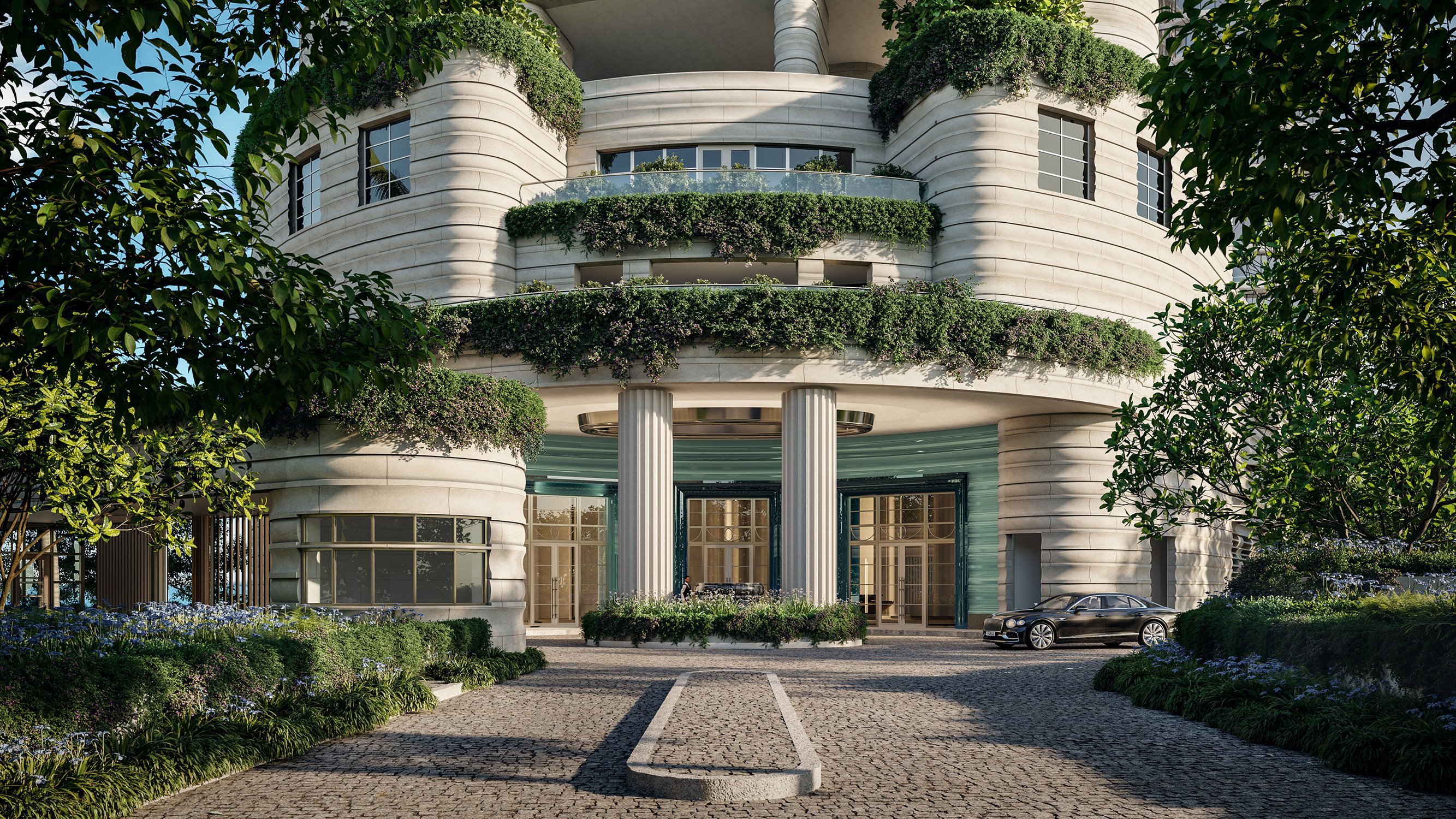
Few building features are used as consistently as parking. That may sound pedestrian in a conversation about ultra-prime living, but frequency matters. A well-designed porte cochère, an orderly valet operation, intuitive access control, and dedicated resident spaces can shape daily satisfaction more than a rooftop feature visited only occasionally.
In practice, parking is part of the homecoming ritual. If arrivals feel smooth, private, and predictable, the building feels refined. If they feel chaotic, delayed, or exposed, the luxury promise erodes quickly. This is why experienced buyers pay close attention to circulation patterns, pick-up and drop-off logistics, guest parking protocols, and the separation of service traffic from resident arrivals.
In dense urban settings such as The Residences at 1428 Brickell or Baccarat Residences Brickell, the unseen choreography of vehicles may do more for quality of life than the more theatrical amenity deck upstairs.
In South Florida, resilience is not a niche concern. It is a core expectation. Backup power has become one of the clearest dividing lines between a building that merely looks sophisticated and one that is prepared to protect daily life under pressure.
When power interruptions occur, residents quickly understand the value of systems that keep critical functions operating. Security, elevator access, refrigeration, common-area lighting, connectivity, and basic home-office continuity are not abstract conveniences. They are what allow a building to remain livable, calm, and dignified when the broader environment becomes less predictable.
This is where hidden infrastructure earns its premium. Buyers may admire a lounge during a tour, but they remember a building’s resilience when they can still move through it comfortably during an outage. On the coast, that capacity feels less like an extra and more like an essential layer of modern luxury.
Buildings in exposed waterfront markets, from 57 Ocean Miami Beach to The Ritz-Carlton Residences® West Palm Beach, sit within a regional context where preparedness is part of the value equation, whether or not it is the headline amenity in marketing materials.
The modern luxury resident expects a home to be instantly functional. Video calls should not freeze. Streaming should not lag. Smart-home systems should respond cleanly. Building-wide connectivity is now foundational infrastructure, not a bonus feature.
Reliable high-capacity internet affects more than convenience. It influences a property’s competitiveness, supports hybrid work, and underpins the digital systems that increasingly power lighting, climate settings, access controls, and entertainment. Because connectivity is largely invisible, buyers can overlook it during tours, even though they will depend on it every day.
The same is true of concierge operations. In the best buildings, concierge is no longer limited to greetings and reservations. It functions as a service backbone for deliveries, vendors, scheduling, package intake, and resident requests. When this system is well designed, life feels frictionless. Groceries arrive without confusion. Packages are handled discreetly. Service providers move through the building with minimal disruption. The resident experiences ease, not effort.
That quiet efficiency is increasingly central in sophisticated projects such as St. Regis® Residences Brickell, where buyers are often evaluating not just finishes, but the standard of everyday service built into the property’s operations.
One of the least discussed dimensions of luxury real estate is logistics. Yet back-of-house planning has an outsized effect on resident comfort. Loading areas, service elevators, package rooms, waste handling, and staff circulation all determine whether a building feels serene or perpetually interrupted.
A well-run property can move furniture, art, groceries, maintenance teams, and household staff without disturbing resident-facing spaces. A poorly planned one allows service activity to spill into the lobby, corridors, and elevators in ways that diminish privacy. The distinction is rarely obvious during a short showing, but it becomes unmistakable over time.
For second-home owners, this matters even more. Many want confidence that residences can be maintained, deliveries coordinated, and arrivals prepared without unnecessary involvement. Operational precision is what turns ownership from a management exercise into a seamless lifestyle proposition.
South Florida’s climate makes certain hidden systems particularly consequential. Strong HVAC performance and dehumidification help preserve interiors, maintain comfort, and reduce the long-term wear moisture can inflict on finishes, furnishings, and art. In a humid environment, climate control is not just about temperature. It is about protecting the quality of living itself.
Acoustics deserve the same scrutiny. In urban towers, privacy depends as much on sound isolation and vibration control as it does on square footage or elevation. A residence can have extraordinary views and exquisite materials, yet still feel compromised if traffic noise, neighboring movement, or mechanical hum intrudes too easily.
Water infrastructure is another underappreciated layer of value. Filtration, plumbing resilience, and overall water quality affect health, maintenance, and daily comfort in ways residents notice gradually but continuously. These systems rarely appear in aspirational renderings, yet they often shape the lived experience more profoundly than decorative amenities.
This is why discreet, design-forward buyers often ask more sophisticated questions on a second visit than on a first. They are no longer asking what looks impressive. They are asking what performs.
The smart question is not, “What amenities does the building have?” It is, “What parts of living here will feel easy every single day?”
That leads to more useful inquiries: How are resident and service elevators separated? What is the package-handling protocol? What building functions remain active during an outage? How is humidity managed in common areas and residences? What internet infrastructure supports the property? How are noise and vibration controlled? What does arrival look like at peak hours? How is waste moved and stored?
These are not unromantic questions. They are the questions that reveal whether a building has been conceived as a residence rather than a showroom.
In luxury real estate, the highest form of service is often invisibility. The building anticipates needs, absorbs complexity, and protects calm. Residents simply feel that life runs well. That may be less cinematic than a rooftop pool reveal, but it is far more valuable over years of ownership.
What is the hidden amenity this article is referring to? It is operational infrastructure: parking, power, connectivity, concierge systems, logistics, HVAC, acoustics, and water performance.
Why can hidden infrastructure matter more than a spa or lounge? Because residents rely on it daily, while headline amenities are often used only occasionally.
Is parking really that important in a luxury condo? Yes. Arrival, valet efficiency, access, and dedicated spaces can shape daily satisfaction in a very direct way.
Why is backup power especially important in South Florida? It helps maintain livability during outages by supporting essentials such as elevators, security, refrigeration, and connectivity.
What should buyers ask about internet service in a building? Ask about fiber infrastructure, reliability, and whether the building supports the bandwidth expected for work, streaming, and smart-home use.
How do package rooms affect quality of life? They reduce daily friction by making deliveries secure, organized, and discreet.
What does back-of-house logistics mean for residents? It refers to how staff, deliveries, furniture, and waste move through the property without disrupting resident spaces.
Why does HVAC deserve attention in South Florida? Strong climate control and dehumidification help protect interiors and improve comfort in a humid environment.
Are acoustics really a luxury feature? Absolutely. Sound isolation and vibration control are central to privacy, calm, and the sense of retreat buyers expect.
What is the best mindset for evaluating amenities on a tour? Focus on what will improve ordinary days, not just what looks impressive in the first ten minutes.
For a tailored shortlist and next-step guidance, connect with MILLION.
If branded residences are on your mind — as a home or as an allocation — we would be glad to share what we are seeing, privately.
Begin a quiet conversation