In South Florida luxury real estate, generosity is often measured less by the length of an amenity roster than by the ease, privacy, and coherence of daily life. Boutique buildings can feel richer because owners share fewer spaces, receive more attentive service, enjoy quieter circulation, and benefit from stronger light, ceiling height, outdoor space, and architectural identity.
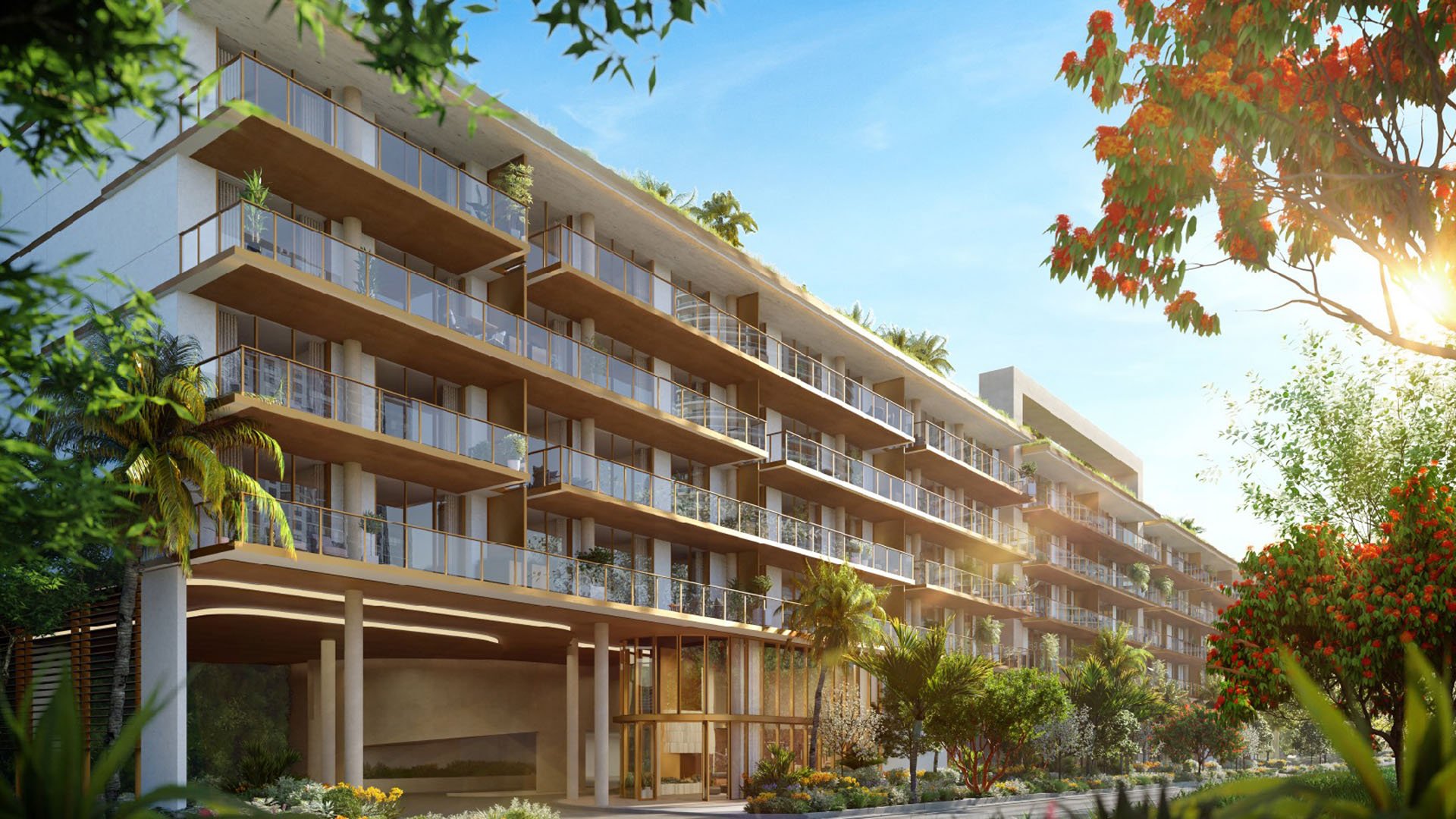
In South Florida, the most persuasive expression of luxury is not always abundance. It is ease. A residence can offer a dozen lounges, multiple pools, coworking suites, screening rooms, golf simulators, and private dining spaces, yet still feel less generous than a smaller building with a shorter menu that residents can actually use when they want to.
That distinction matters across Brickell, Edgewater, Miami Beach, and Coconut Grove, where buyers are often attuned to the difference between advertised amenities and lived experience. In many boutique properties, the feeling of generosity comes from reduced friction: fewer people in the elevator queue, fewer households sharing the lobby, fewer scheduling bottlenecks in the fitness room, and a quieter path from car to front door.
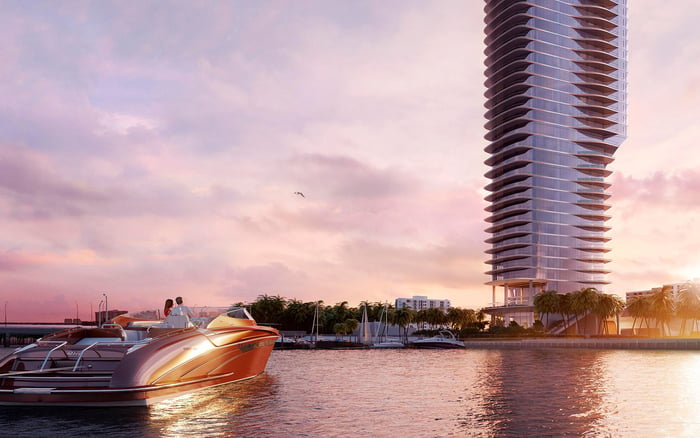
This is one reason a project such as 2200 Brickell can appeal to a particular kind of buyer. The draw is not simply refinement. A more intimate residential scale often translates into a calmer, more legible daily routine.
Luxury buyers rarely use every amenity a building advertises. They tend to rely on a small group of recurring essentials: the fitness space, pool deck, arrival sequence, concierge, valet, and perhaps a wellness or entertaining area. When those core spaces are crowded, the larger amenity package loses some of its value.
This is where smaller buildings can feel unexpectedly richer. A rooftop pool does not need to be the largest in the market to feel exceptional. It needs to be available, comfortable, and socially balanced at the times residents actually want to use it. The same principle applies to gyms. A boutique fitness room can outperform a much larger facility if residents are not waiting for equipment, classes, or preferred hours.
For buyers evaluating new-construction inventory, the smarter question is not how long the amenity list is. It is how much practical access a resident may have to the spaces used most often.
The answer often favors lower-density buildings, where the ratio between residents and amenities can feel far more indulgent than the brochure suggests.
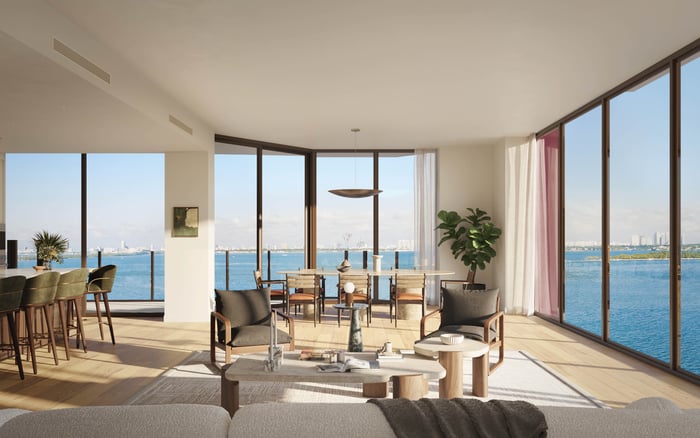
Square footage matters, but perception matters almost as much. Homes with higher ceilings frequently feel more expansive than similarly sized residences with lower ones. Natural light has a comparable effect. So does the width of a terrace, the depth of a balcony, and the amount of uninterrupted perimeter exposure a residence receives.
Smaller buildings often have an advantage here. With fewer units competing for premium edges, corners, and view lines, more residences can enjoy better light and a cleaner relationship to the outdoors. Private outdoor space also tends to read as more generous when it is not compressed to satisfy extreme unit counts.
In Miami Beach and Surfside, that distinction can be especially visible. Buildings such as The Delmore Surfside can resonate not merely because of location, but because lower-density planning can prioritize volume, terrace experience, and a more measured sense of privacy.
For the buyer, the result is subtle but unmistakable: less visual compression, fewer shared edges, and a home that feels calmer than its square footage alone would suggest.
One of the least discussed luxuries in residential real estate is being known. In a smaller building, staff are more likely to recognize residents, understand their routines, and deliver service with continuity rather than formality alone. That can make concierge support feel bespoke instead of procedural.
The same logic applies to the arrival sequence. When fewer households share a lobby, valet approach, and circulation core, the building can feel more composed from the moment one enters. There is less ambient noise, less churn, and less of the invisible competition that often defines larger towers at peak hours.
Elevator experience is a particularly clear example. Even with larger banks, mega-projects can create longer waits simply because many more households are moving through the same vertical system. In a boutique building, the trip upstairs often feels smoother, faster, and more private. Over time, those small efficiencies become part of the property’s luxury quotient.
In Edgewater, projects such as Villa Miami show why this matters. Buyers in this segment are not only purchasing finishes and views. They are purchasing a rhythm of living that feels controlled rather than congested.
A shorter amenity list can also help a building maintain a stronger architectural identity. When a project tries to do everything, it can end up feeling fragmented, with too many moods, too many materials, and too many spaces competing for attention. By contrast, smaller luxury buildings often sustain one design language more convincingly from façade to lobby to residence interiors.
That coherence creates emotional clarity. Owners sense that the building knows what it is. It does not need to perform scale to justify pricing. Instead, it delivers confidence through proportion, material restraint, and consistent detailing.
This is where boutique positioning has become especially persuasive in South Florida. Buyers can be drawn to projects that privilege distinction over excess and character over sheer size. In markets like Brickell and Coconut Grove, that means a residence with a stronger point of view can command more attention than a much larger competitor with a longer amenity appendix.
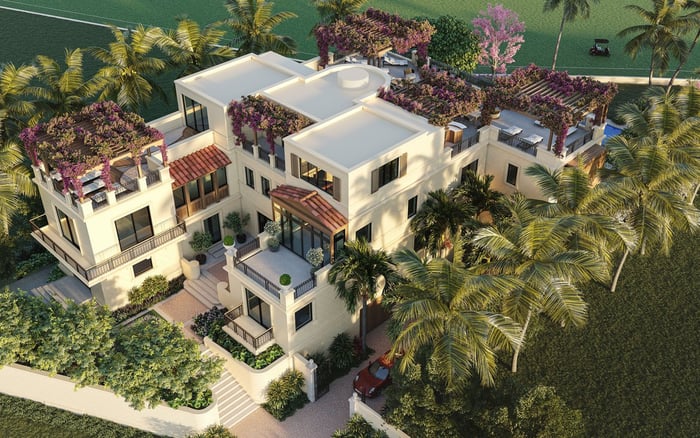
Consider the appeal of Arbor Coconut Grove and Vita at Grove Isle. The attraction is not spectacle for its own sake. It is the sense that every part of the property belongs to the same conversation.
Across South Florida, demand can favor smaller luxury developments that pair exclusivity with design quality. That preference is understandable. In a market where many buyers already have access to clubs, hospitality, or private memberships outside the home, the residential building itself does not need to provide every imaginable function. It needs to perform beautifully in the moments that matter most.
That includes privacy, predictable service, quieter common areas, cleaner shared spaces, and outdoor living that feels substantial rather than symbolic. It also includes confidence. Buyers often respond strongly to projects whose scale feels intentional, especially when the building’s identity is clear and the resident experience feels manageable rather than overprogrammed.
For investors, end users, and second-home purchasers alike, the implication is the same: generosity is not measured by quantity alone. It is measured by how effortlessly a property converts design into daily satisfaction.
When touring a luxury building, it is worth looking beyond the sales gallery narrative. Ask how many residences will share the wellness level, how vertical circulation works at peak times, and whether the most desirable amenities are reservable or simply first-come. Notice whether the lobby feels intimate or transactional. Observe ceiling height, daylight quality, corridor quiet, and the terrace’s true usefulness.
A building that feels generous usually reveals itself quickly. The transitions are smooth. The common spaces are calm. The staff interaction feels natural. The architecture remains coherent from exterior expression to private interior life.
In other words, real luxury is often found in subtraction. Less waiting. Less crowding. Less competition for the best parts of the building. In the upper tier of the South Florida market, that can amount to far more than another page of amenities.
Why do smaller luxury buildings often feel more exclusive? Fewer residences share the same spaces, so lobbies, elevators, and amenities can feel more private and less congested.
Do mega-projects always offer better value because they have more amenities? Not necessarily. A longer amenity list can feel less valuable if the spaces residents use most are crowded or harder to access.
Why do higher ceilings matter so much in luxury residences? Ceiling height changes how interior volume is perceived, often making a home feel more expansive even at similar square footage.
Can smaller buildings have better outdoor spaces? Yes. Lower density can allow for more generous balconies and terraces instead of compressed exterior areas.
Are boutique buildings better for service? They often can be, because staff may build more consistent relationships with a smaller group of residents.
What makes a rooftop pool feel luxurious if it is not enormous? Ease of use matters more than scale, especially when the setting feels comfortable and uncrowded during popular hours.
How do smaller buildings affect noise levels? Lower density generally means fewer shared walls, less corridor activity, and a quieter overall living environment.
Why is design coherence important in luxury real estate? A consistent architectural language makes a building feel more intentional, polished, and emotionally convincing.
Are buyers in Brickell and Edgewater drawn to boutique product? Many buyers are attracted to intimate, design-led projects where exclusivity feels tangible in daily life.
What should I prioritize when touring a luxury condo? Focus on access, privacy, light, ceiling height, service continuity, and how the building feels during ordinary hours, not only at launch.
When you're ready to tour or underwrite the options, connect with MILLION.
If branded residences are on your mind — as a home or as an allocation — we would be glad to share what we are seeing, privately.
Begin a quiet conversation