The Importance of Seamless Indoor-Outdoor Transitions in Tropical Modernism
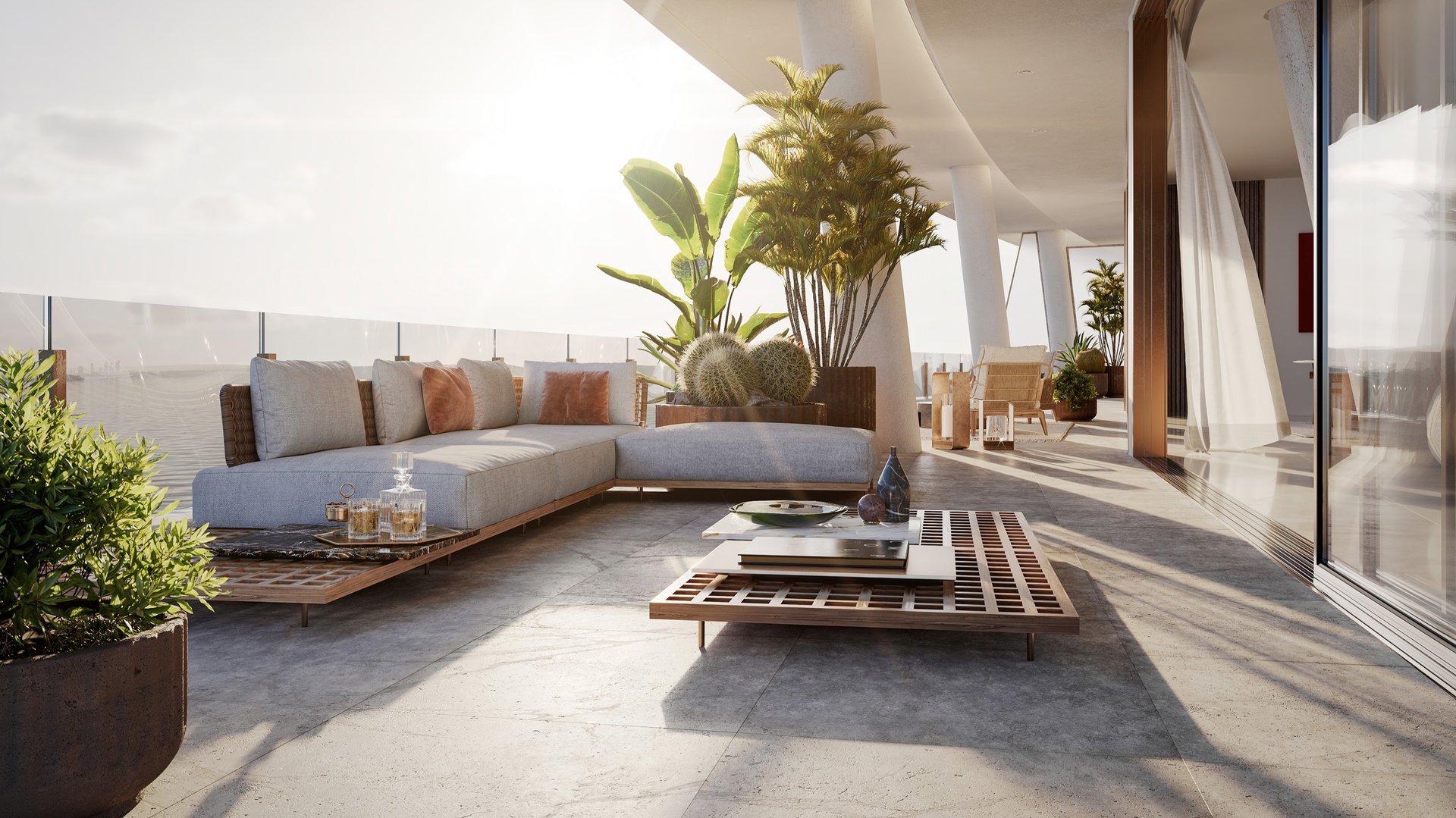
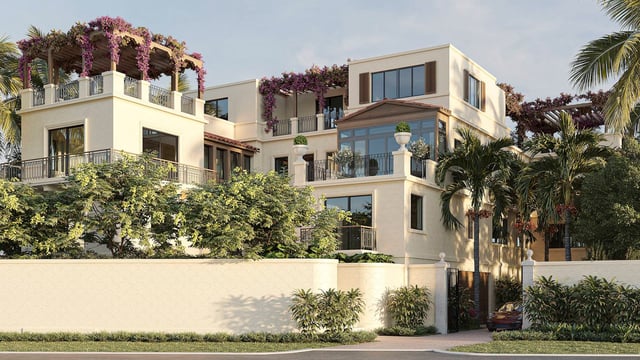
In South Florida, tropical modernism is less a look than a lifestyle contract: light, air, privacy, and resilience. The defining move is not a signature chair or a dramatic façade, but the moment a living room becomes a terrace without friction. When executed with discipline, indoor-outdoor transitions expand usable square footage, soften the climate, and elevate daily rituals from morning coffee to sunset entertaining. This is also where luxury is easiest to feel and hardest to fake. A seamless transition requires structural planning, precise detailing, and a clear understanding of wind, rain, salt air, and sun. Done well, it disappears; done poorly, it announces itself in misaligned floors, whistling gaps, damp corners, and furniture you cannot actually leave outside. For buyers and developers in Miami Beach, Brickell, Coconut Grove, and beyond, this threshold is now a primary indicator of quality.

Alfresco Living: Summer Kitchens and Outdoor Lounges Elevate Condo Life in South Florida
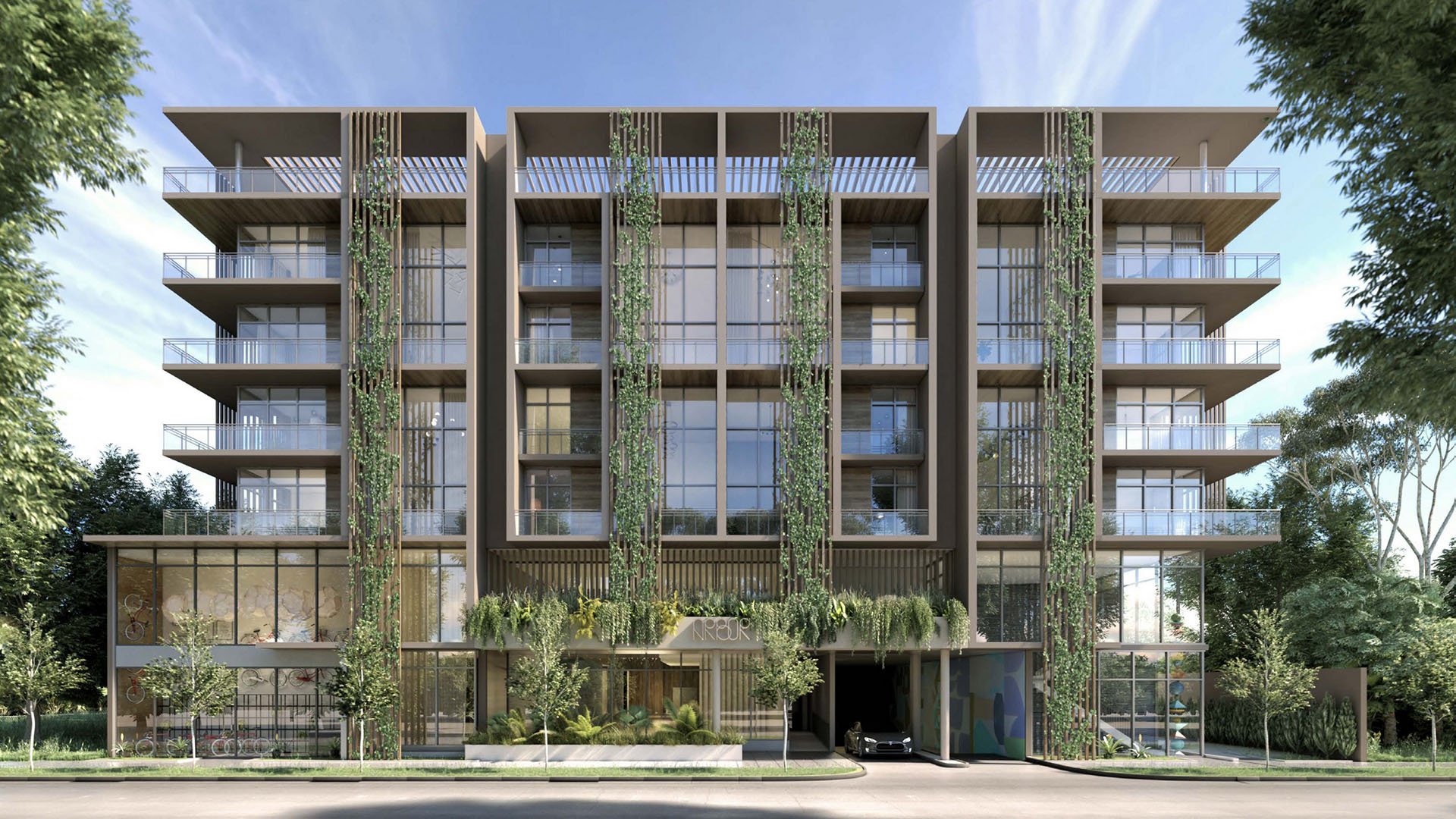
Outdoor kitchens, sky terraces, and deep balconies have become the new status symbols in South Florida’s luxury condo market. This editorial examines why buyers are paying for outdoor square footage, what to look for in coastal-grade build quality, and where indoor-outdoor living is being executed at the highest level across Miami’s waterfront neighborhoods.

Park Grove vs. Mr. C Tigertail: Coconut Grove’s Terrace-First Luxury, Compared
In Coconut Grove, outdoor space is not an accessory. It is a core component of value, privacy, and daily lifestyle. This MILLION Luxury editorial compares two of the neighborhood’s most discussed condo stories, Park Grove’s three-tower campus on South Bayshore Drive and the hospitality-leaning Mr. C Residences Tigertail Tower, through the lens of architecture, terraces, services, and buyer intent.

Grove at Grand Bay vs Park Grove: Choosing Coconut Grove’s Signature Condo Addresses
A buyer-oriented comparison of Coconut Grove’s two most design-forward condo campuses, focused on architecture, density, and what the published floor plans reveal about daily life.

Designing for the View: Architectural Innovations That Maximize Miami Water Vistas
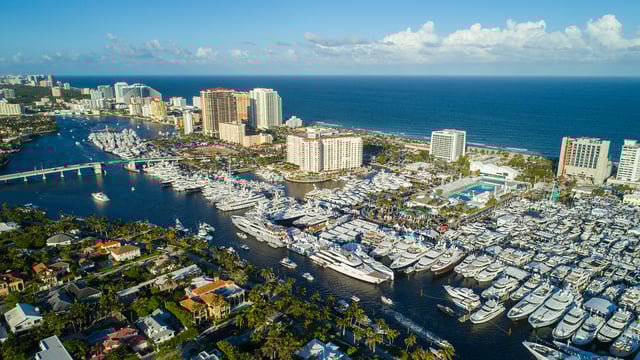
In South Florida, the most valuable amenity is often not inside the home, it is the horizon itself. From Biscayne Bay sunrise to Atlantic twilight, today’s best Miami residences are designed as viewing instruments: calibrated sightlines, climate-smart glazing, layered terraces, and interiors that keep water in frame from arrival to bedtime. This guide breaks down the architectural strategies that protect the view while balancing heat, glare, privacy, and storm performance, with practical decision points for buyers planning a renovation or new build.

The Science of Views: How Height, Angle, and Glass Shape Miami’s Best Panoramas
In South Florida’s luxury market, a view is not a single feature, it is an engineered experience. Height changes atmosphere and horizon line, orientation governs light and sparkle, and glazing choices influence color, clarity, and comfort. This guide explains how discerning buyers evaluate panoramas across Brickell, Miami-beach, and Coconut-grove, from sightlines and balcony geometry to reflections, tint, and interior optics. Use these principles to compare residences with confidence and to ask sharper questions during showings.