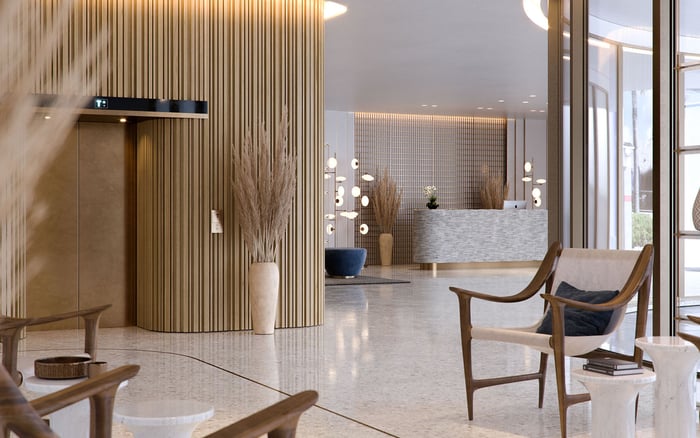
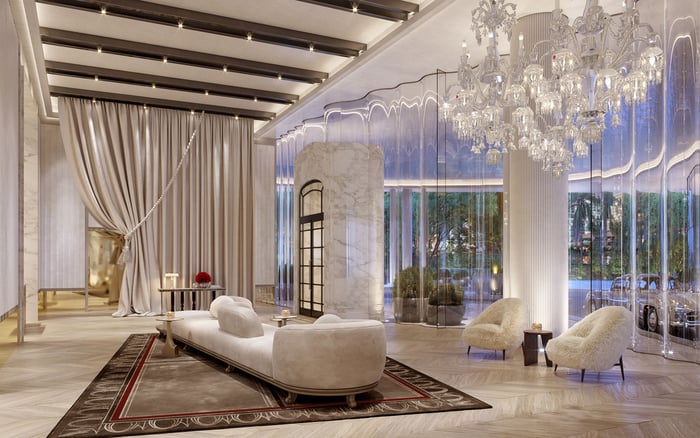
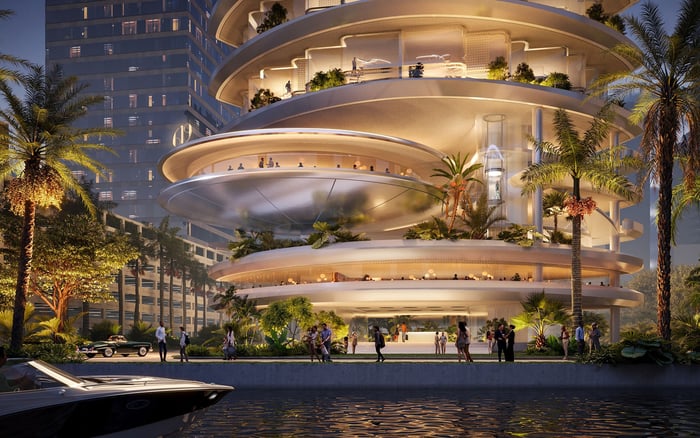
A buyer-oriented look at why Kempinski Residences Miami Design District suits globally mobile owners who want December art-week access without giving up the advantages of a livable, year-round Miami base.
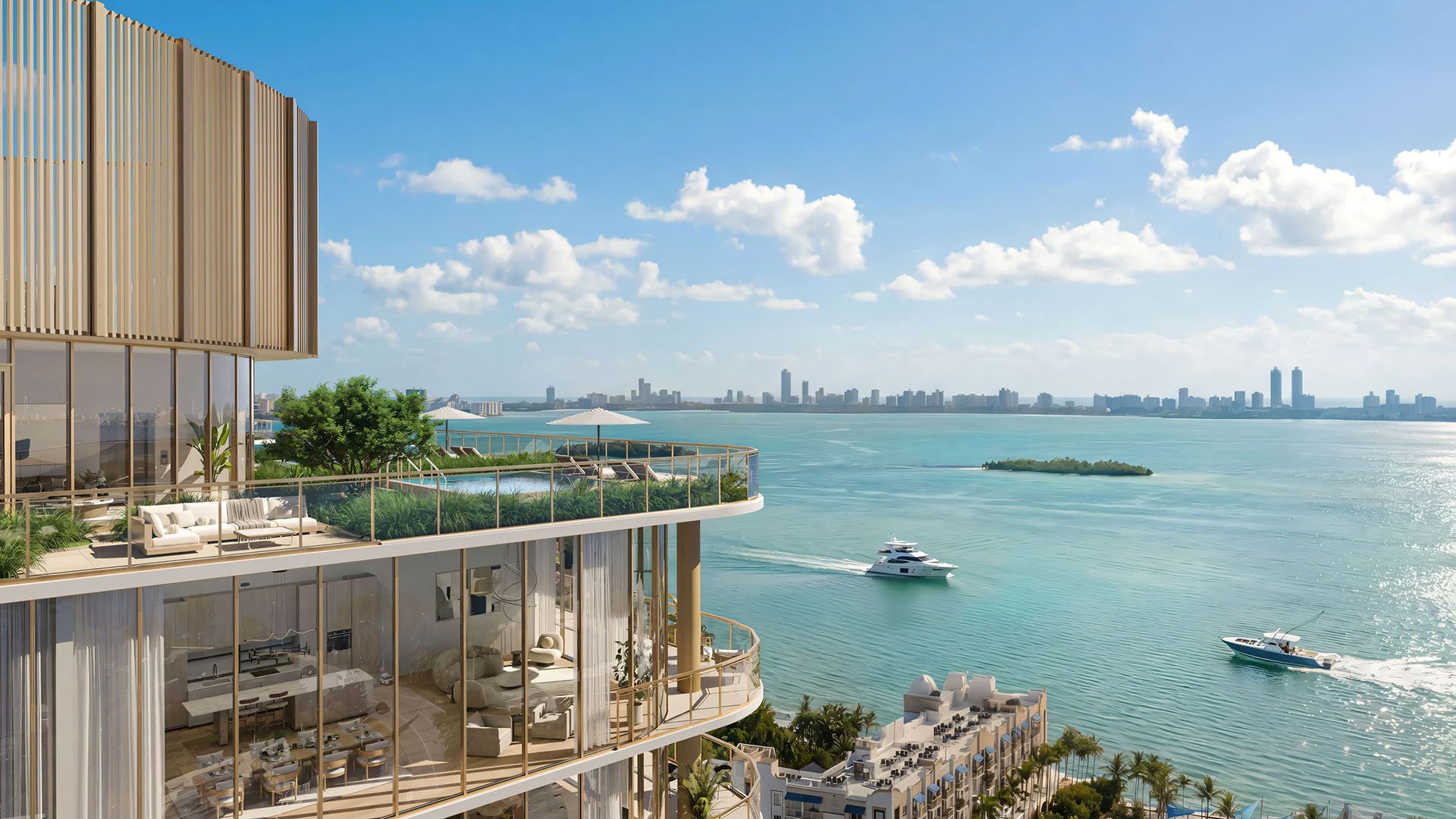
There is a distinct kind of Miami buyer who does not want a residence built only for a single week in December. This owner arrives for fairs, private previews, dinners, and design appointments, then returns later for longer winter stretches or shorter stays tied to business, collecting, and leisure. For that profile, Kempinski Residences Miami Design District stands out less as a conventional condo proposition and more as a service-oriented urban base in a neighborhood already shaped around culture.
The essential advantage is not simply proximity to Miami’s peak art-season energy. It is the combination of that seasonal intensity with a district that remains active long after the fair tents come down. The Design District offers galleries, showrooms, luxury retail, restaurants, and a walkable rhythm that can make a part-time residence feel useful in ordinary weeks, not only during Art Basel. For a buyer comparing Miami Beach glamour with a more city-centered lifestyle, that distinction matters.
Kempinski carries more than 145 years of luxury hospitality history, and that heritage shapes how many international buyers will view the opportunity. A branded residence tied to a global hotel operator often suggests clearer expectations around service, maintenance, and owner support than an independent building. For someone whose calendar alternates between New York, London, São Paulo, Paris, or Palm Beach, that operational clarity can matter as much as design itself.
This is especially relevant for second-home ownership. The most compelling version of a second residence is one that feels ready on arrival and easy to secure on departure. Buyers who split time across markets usually want a lock-and-leave setup that reduces friction without sacrificing discretion. That does not mean every branded residence is identical, but the Kempinski name immediately places this project in a hospitality-led conversation rather than a purely speculative pre-construction one.
In South Florida, branded living is no longer confined to the shore. Urban buyers considering Kempinski Residences Miami Design District may also look at how hospitality identity shapes projects such as 888 Brickell by Dolce & Gabbana or Baccarat Residences Brickell, where brand language helps frame expectations around lifestyle, arrival experience, and international recognition.
Miami Art Week remains the city’s most concentrated annual moment for collectors and design buyers. December compresses social, cultural, and market activity into a short, high-value window, and that reality has long supported the logic of a pied-à-terre in central Miami. Yet the smarter long-view question is what happens during the other eleven months of the year.
In the Design District, the answer is unusually persuasive. Gallery activity is not limited to one tentpole event, and the neighborhood’s density supports spontaneous viewing, shopping, and dining throughout the year. That makes ownership more rational for buyers who may come for fairs but stay for an entire season, return for private meetings, or simply prefer a residence anchored in daily culture instead of occasional spectacle.
This is where the Design District separates itself from a resort-first address. A buyer may still keep a coastal counterpart at Setai Residences Miami Beach or The Perigon Miami Beach, but the inland cultural base serves a different purpose. It is not about replacing the beach. It is about creating an urban residence that remains relevant when the social calendar quiets.
For some purchasers, Miami Beach remains the default shorthand for prestige. But for buyers deeply engaged with art, design, fashion, and collecting, the beach can feel like a performance of Miami rather than its most practical expression. The Design District offers another posture: more walkable, more retail-and-gallery driven, and often better aligned with a schedule built around appointments rather than pool decks.
That urban quality can also appeal to those who want proximity to Downtown institutions without living in the center of Downtown itself. Miami’s broader cultural corridor includes major contemporary programming beyond the district, reinforcing the case for a residence used throughout the year rather than only in season. A collector can spend the morning in galleries, the afternoon in meetings, and the evening at dinner nearby without the day depending on causeways or beach traffic.
For MILLION readers evaluating neighborhoods, this matters because lifestyle efficiency is now a luxury in its own right. The premium is not only in finishes or branding. It is in reducing transfer time between the places that shape one’s actual routine.
The strongest case for Kempinski Residences Miami Design District is not based on unverified promises about amenities or pricing. It is based on fit. Buyers who divide their lives among several homes typically assess four things first: location logic, ease of ownership, cultural relevance, and whether a residence still makes sense outside peak season.
On location logic, the Design District is unusually persuasive. It sits within an area known for concentrated galleries, design showrooms, and luxury retail, which means the neighborhood itself becomes part of the home’s utility. On ease of ownership, a hospitality-rooted brand carries intuitive appeal for owners who want a residence that supports arrivals and departures with minimal friction. On cultural relevance, few Miami neighborhoods are as closely tied to both collectible design and the broader visual-art ecosystem. And on year-round value, the district’s ongoing activity helps justify more frequent use.
That is also why this kind of property may resonate with buyers who are less interested in purely resort-oriented ownership. Someone considering Brickell, Downtown, or Miami Beach may find the Design District more balanced if their priorities include collecting, entertaining, and maintaining an elegant but efficient city base.
Serious collectors often speak about access as though it were abstract, but in residential terms it is highly concrete. Access means shorter transitions between previews and private dinners. It means being able to move through a district with ease, make last-minute decisions, and remain close to the commercial and cultural conversations that define a city’s creative life.
That is why the neighborhood’s year-round gallery density matters so much. It supports the kind of impromptu engagement that affluent buyers increasingly value: seeing something on short notice, revisiting a work, attending a small gathering, or combining retail with cultural appointments in a single afternoon. For owners who use Miami as part salon, part business hub, and part winter retreat, that fluidity can be more desirable than ocean frontage.
Kempinski Residences Miami Design District appears well positioned for exactly that buyer: someone who wants South Florida, but not necessarily its most obvious expression.
Why does Kempinski Residences Miami Design District appeal to art-world buyers? It aligns a hospitality-led brand with a neighborhood shaped by galleries, design, luxury retail, and year-round cultural activity.
Is this mainly a play for December stays? No. December is strategically important, but the stronger case is everyday livability beyond the fair calendar.
Why is the Design District different from Miami Beach for this buyer? It offers a more urban, walkable, culture-and-retail-centered base while remaining convenient to major art-week activity.
What makes a branded residence attractive to international owners? Brand affiliation can create clearer expectations around service, maintenance, and owner support than many independent buildings.
Does this suit a Second-home owner? Yes. The project’s positioning is especially relevant for buyers who want lock-and-leave convenience with cultural proximity.
Is the neighborhood active outside Art-basel? Yes. Its appeal is tied to ongoing gallery and design activity, not only a single week of peak events.
How does Pre-construction fit into the buyer decision here? The more useful lens is not timing alone but whether the project’s brand and location match a globally mobile lifestyle.
Why might a Palm-beach owner also consider Miami Design District? Palm-beach offers a different social rhythm, while the Design District provides denser access to Miami’s contemporary cultural ecosystem.
Is this better for full-time living or short stays? Potentially both. Its location supports shorter fair-related visits as well as longer seasonal occupancy.
Who is the ideal buyer profile? A collector, design-minded executive, or internationally mobile owner who values service, discretion, and daily cultural access.
When you're ready to tour or underwrite the options, connect with MILLION.
If branded residences are on your mind — as a home or as an allocation — we would be glad to share what we are seeing, privately.
Begin a quiet conversation