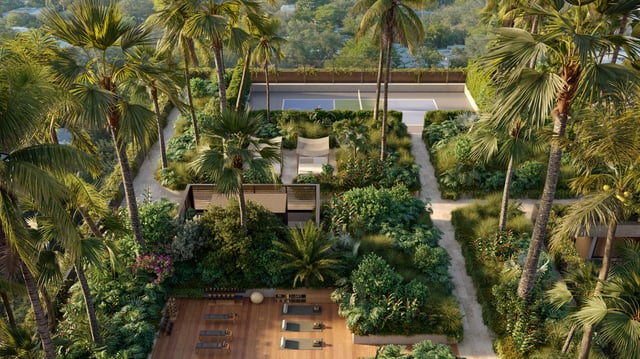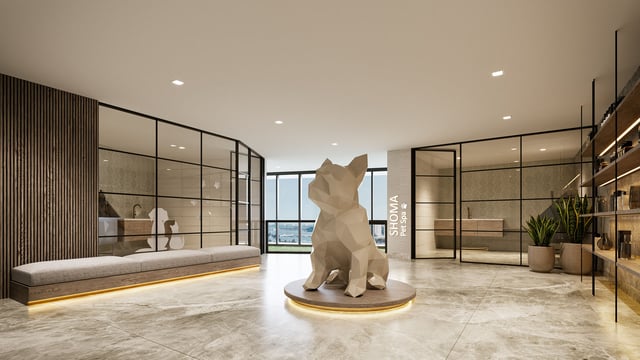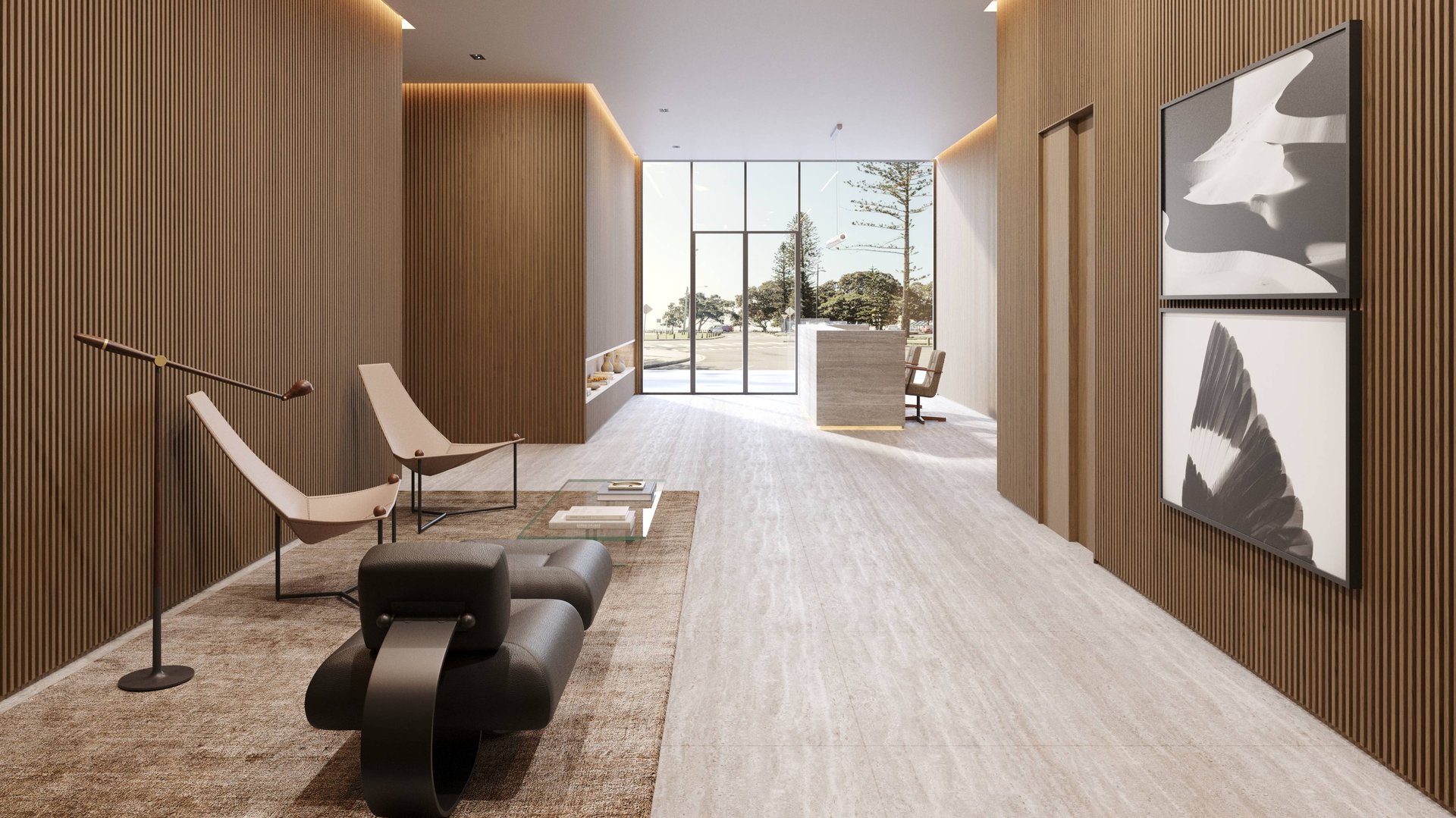
888 Brickell by Dolce & Gabbana vs Opus Coconut Grove: The Practical Buyer Question Behind Lock-and-Leave Security, Package Handling, and Maintenance Access
A practical editorial comparison of 888 Brickell by Dolce & Gabbana and Opus Coconut Grove through the lens of absentee ownership, security, package handling, vendor control, maintenance access, and South Florida climate risk.
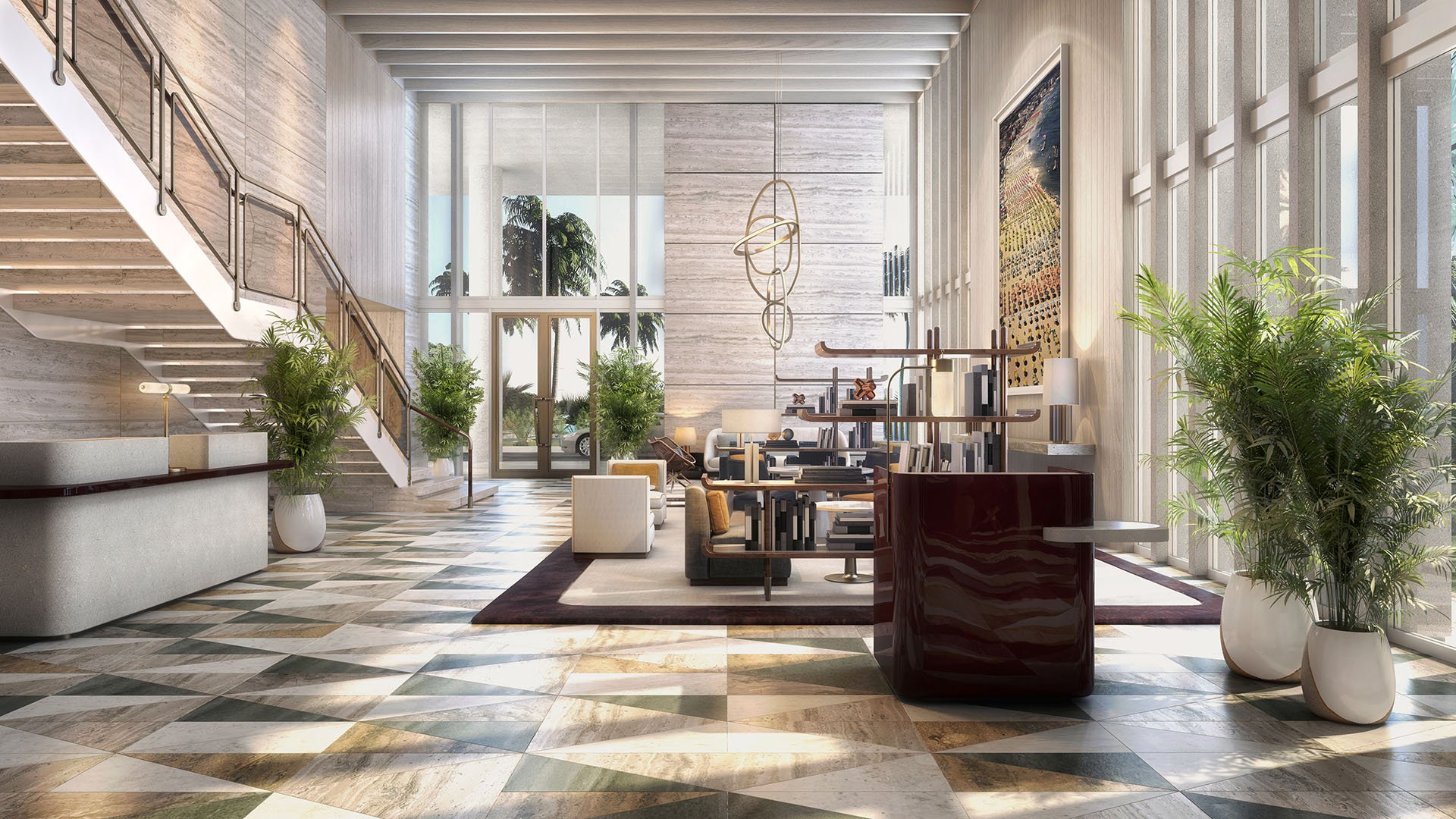
888 Brickell by Dolce & Gabbana and Four Seasons Residences Coconut Grove: How Building Culture Shapes Design Pedigree, Household Operations, and Resale Discipline
An editorial look at how two distinct South Florida residential cultures shape design credibility, household operations, and resale discipline for luxury buyers.
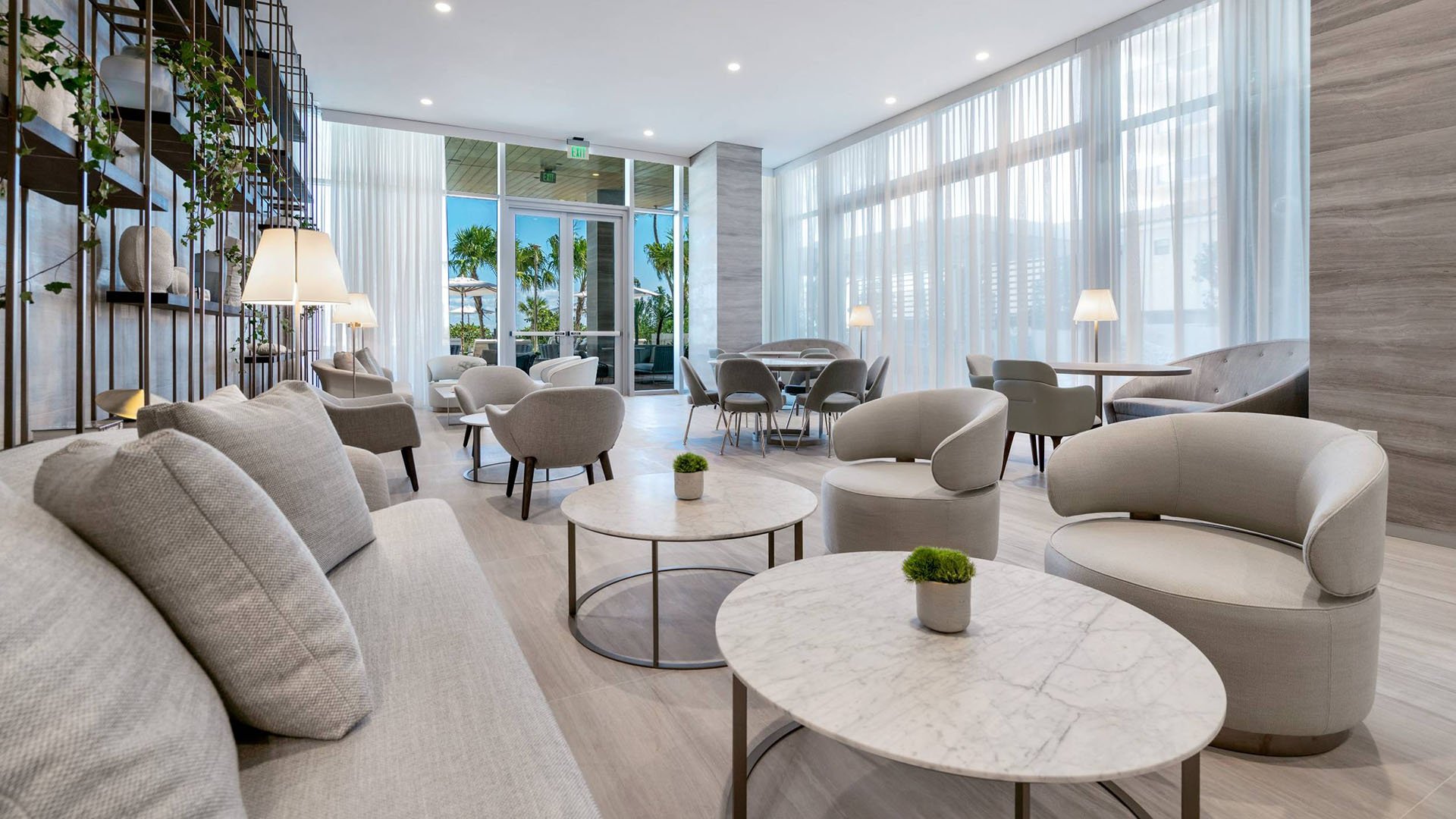
888 Brickell by Dolce & Gabbana vs 57 Ocean Miami Beach: Choosing Between Neighborhood Momentum, Resale Liquidity, and Daily Calm Without Being Distracted by Branding
A buyer-focused comparison of 888 Brickell by Dolce & Gabbana and 57 Ocean Miami Beach, organized around neighborhood momentum, resale liquidity, daily rhythm, and the discipline to treat branding as secondary.
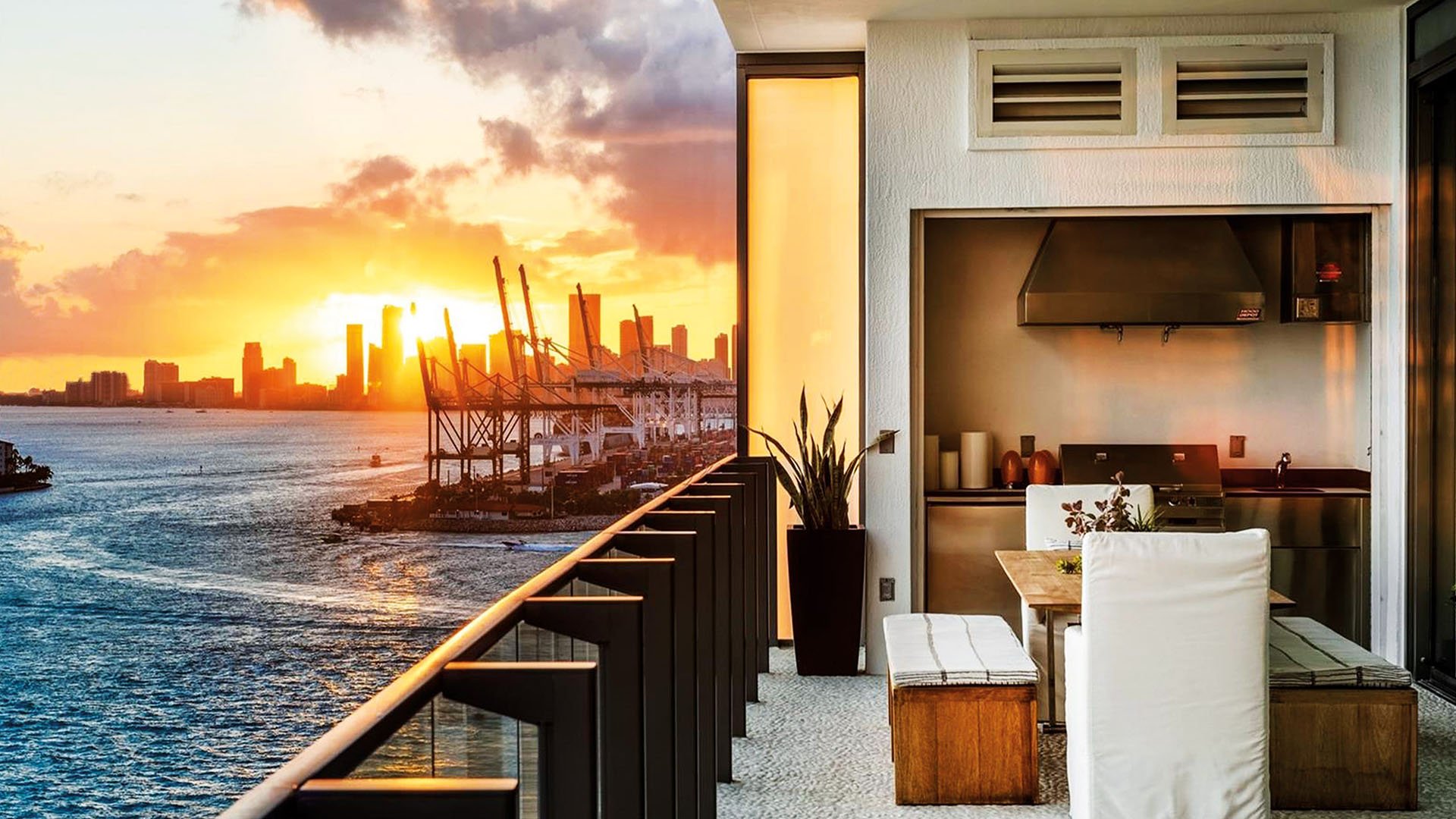
Apogee South Beach vs 888 Brickell by Dolce & Gabbana: Choosing Between Lobby Volume, Porte-Cochère Privacy, and Valet Choreography Without Being Distracted by Branding
A discreet buyer’s comparison of Apogee South Beach and 888 Brickell by Dolce & Gabbana, focused on arrival sequence, lobby exposure, valet choreography, and the daily privacy implications behind each address.
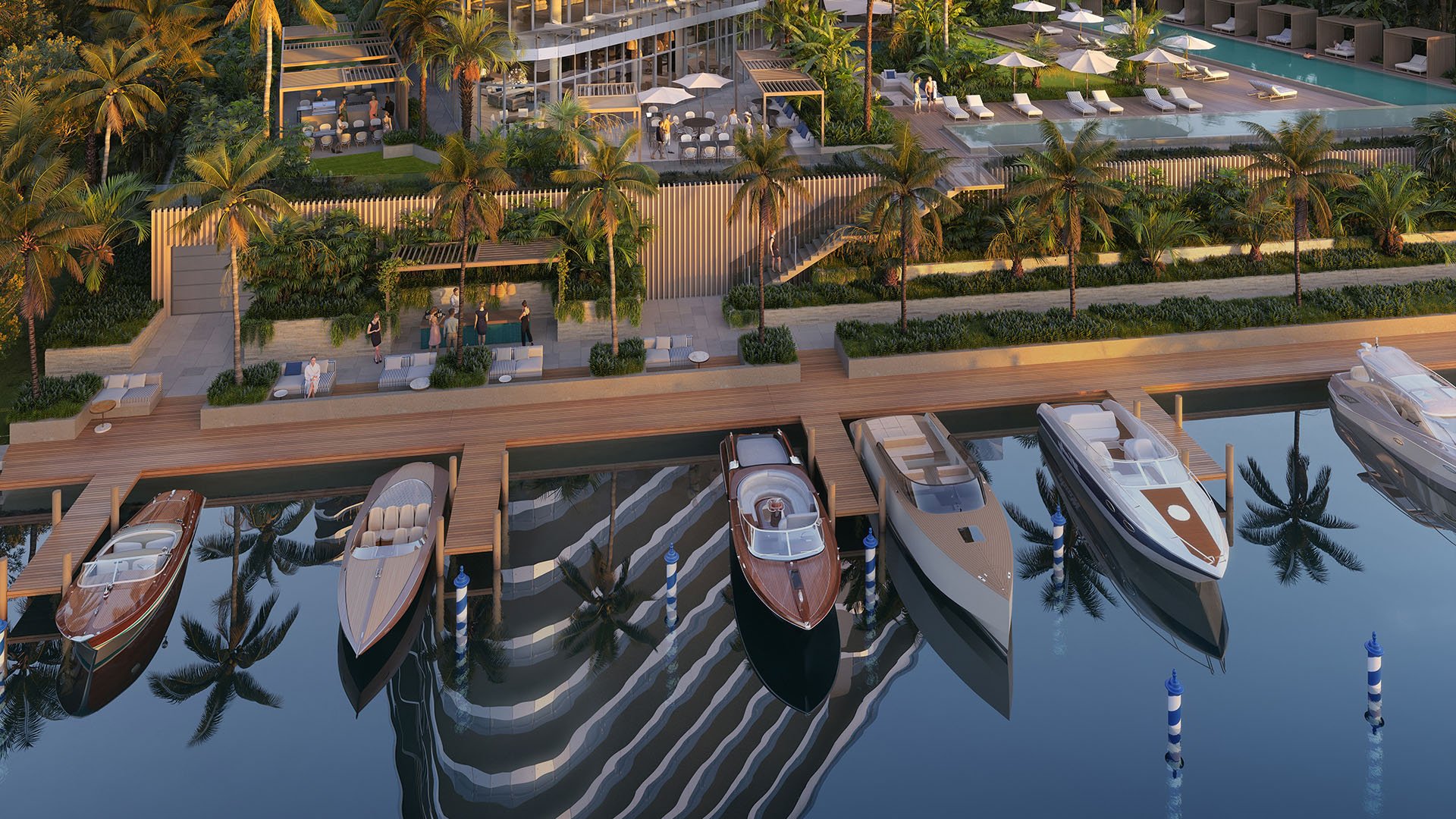
The Ritz-Carlton Residences® Pompano Beach and 888 Brickell by Dolce & Gabbana: What Full-Time Owners Should Know About Boating Convenience, Bridge Clearance, and Hurricane Planning
A buyer-focused comparison of The Ritz-Carlton Residences® Pompano Beach and 888 Brickell by Dolce & Gabbana for full-time owners weighing marina access, boating logistics, bridge clearance, and hurricane planning.
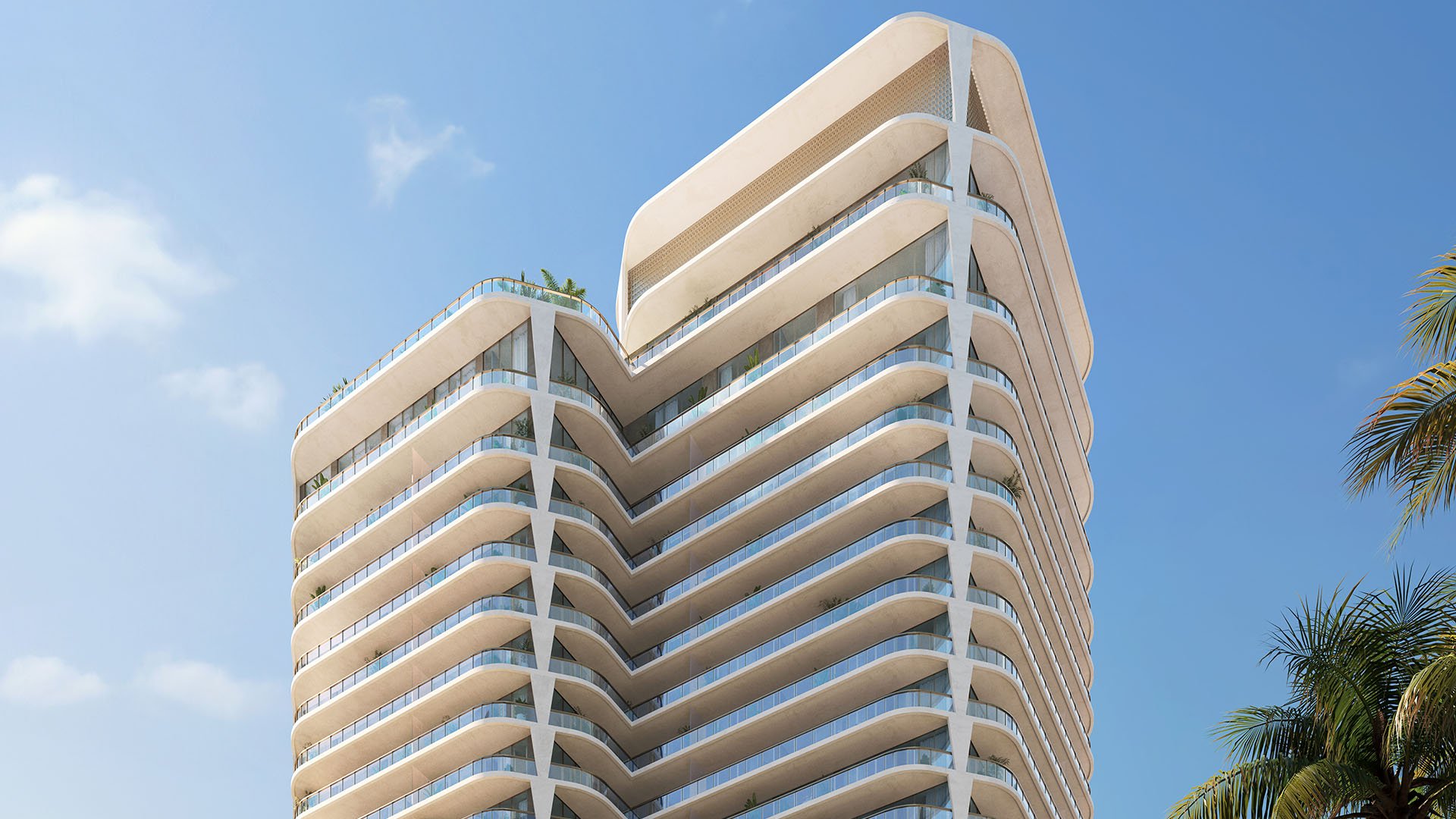
888 Brickell by Dolce & Gabbana vs Banyan Tree Residences West Palm Beach: Choosing Between Trophy Scarcity, Operating Costs, and Future Buyer Depth Without Being Distracted by Branding
A buyer-focused comparison of 888 Brickell by Dolce & Gabbana and Banyan Tree Residences West Palm Beach, emphasizing scarcity, carrying costs, liquidity, and long-term buyer depth over brand magnetism alone.