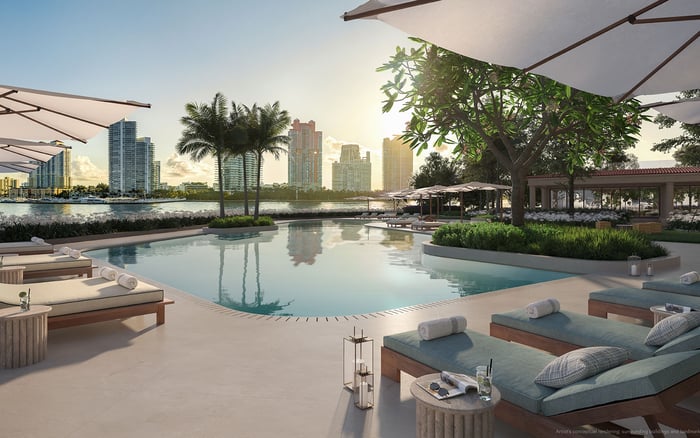
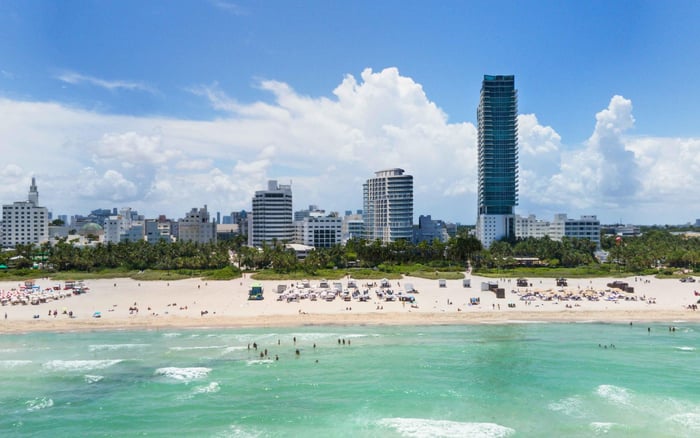
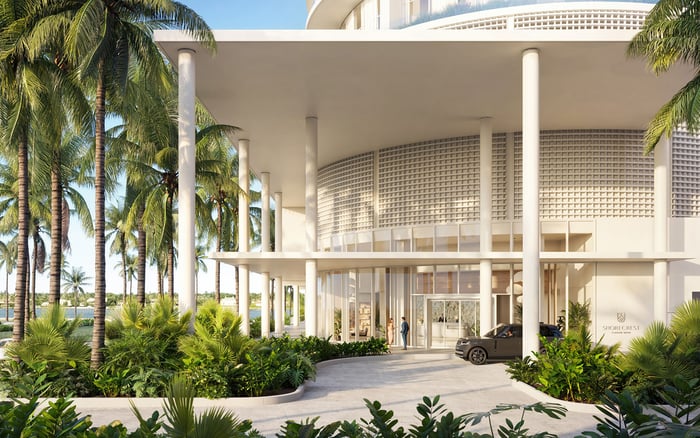
A buyer-oriented aesthetic comparison of minimalist Japanese design principles as they may be expressed in two Miami lifestyle propositions, with practical guidance on how to evaluate calm, craft, and long-term livability in South Florida.
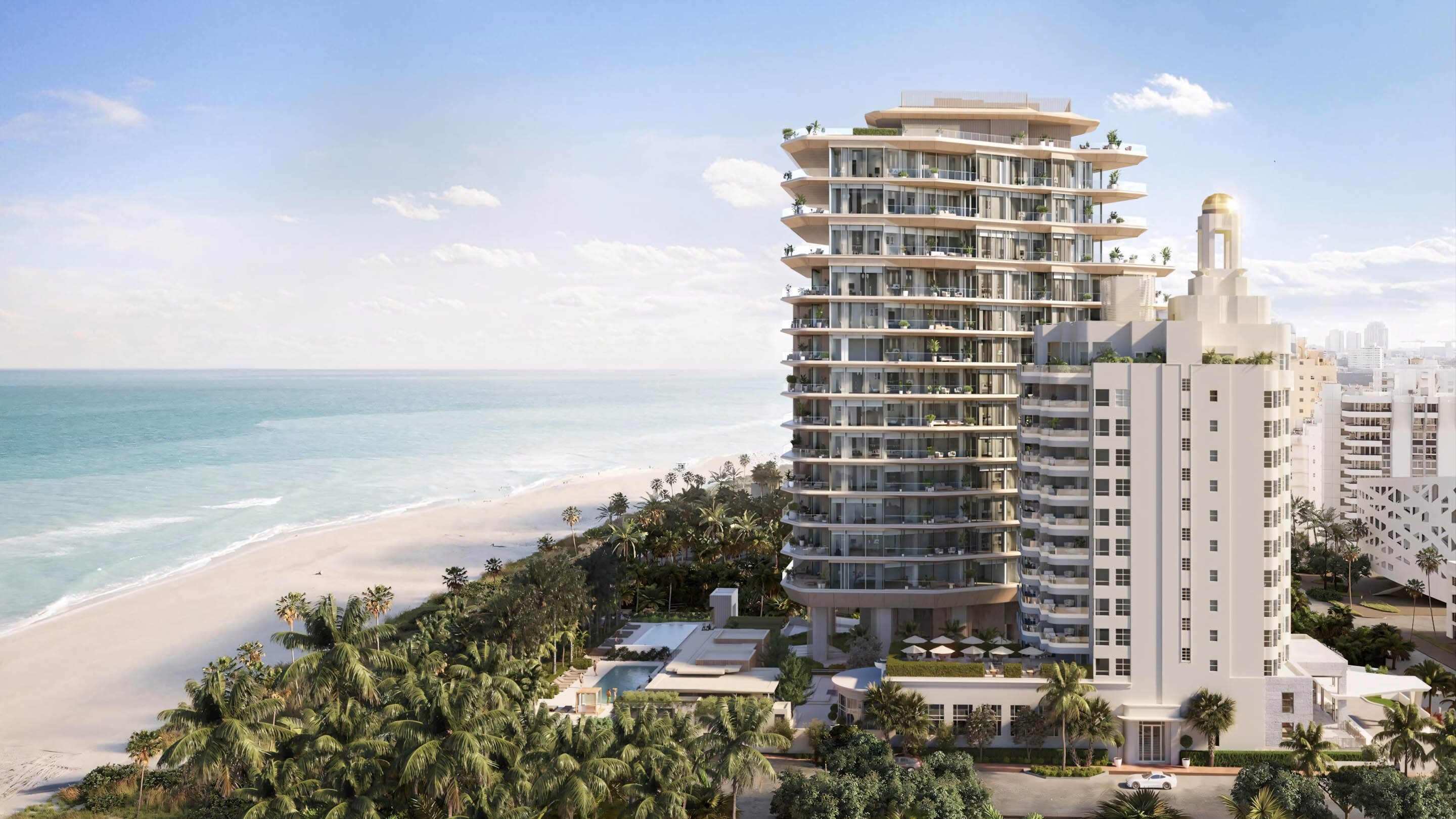
Minimalist Japanese design is often mistaken for simply having “less stuff.” At its best, it’s a discipline: deliberate proportion, calm transitions, and a preference for materials that feel honest in the hand and legible in changing light. In South Florida-where brightness is constant and indoor-outdoor living is a daily practice-that restraint can register as the ultimate luxury. This is not austerity; it’s precision and, importantly, recovery: spaces that help decompress the nervous system after a long day moving through the city.
Against that backdrop, the comparison between Aman Miami Beach and 619 Brickell with NOBU is less a beauty contest than a study in how the same design ethos can be tuned to two distinct environments. One leans into coastal calm and the ceremonial pace of a resort context; the other sits within Brickell’s sharp, vertical rhythm, where discretion and efficiency can be as valuable as any view.
For buyers, the more useful question isn’t “Which is more Japanese?” It’s which setting allows minimalist principles to support your real life-entertaining, wellness routines, privacy needs, and the realities of Miami’s climate.
Minimalist Japanese design tends to signal itself through a few consistent moves. Even when branding differs, these are the buyer-facing tells that matter.
First is negative space: the quiet margin that makes a room feel intentional. It’s what allows a single object-a piece of art, a sculptural chair, a stone basin-to read as a decision rather than décor. In Miami, negative space also amplifies natural light and reduces visual heat.
Second is material continuity. The strongest minimalist interiors don’t rely on pattern for interest; they rely on shifts in texture-matte versus polished, cool stone versus warm wood, linen weave against smooth plaster. In a humid environment, high-performing materials that still feel tactile aren’t a detail; they’re the line between serene and fragile.
Third is threshold design. Japanese minimalism is rarely “open plan” in a blunt way. It favors transitions: a change in ceiling height, a screen-like partition, a softened corridor, a moment of compression before release. These thresholds create privacy without heaviness, and they make daily movement feel composed.
Finally, there is the ritual of arrival. Luxury minimalism doesn’t begin in the living room; it starts at the entry, the elevator, the corridor, the first sightline. The most successful projects make residents feel buffered from the city’s volume before the front door even closes.
Aman’s design language, translated into a residential context, is often associated with quiet opulence: softness that never asks for applause. In a Miami Beach setting, minimalist Japanese principles can be calibrated to the elements-salt air, horizon light, and the social cadence of the shoreline.
The beach context naturally rewards low-contrast palettes and reflective calm. Here, minimalism can feel expansive, because the view and the daylight do much of the visual work. Buyers drawn to this atmosphere tend to prioritize wellness and privacy, and they often want a home that behaves like a sanctuary even during high-season intensity.
Aesthetically, the coastal expression of Japanese minimalism leans into diffusion. Light is filtered. Shadows are softened. Finishes tend to read as quiet rather than graphic. The goal isn’t to compete with the ocean’s motion, but to frame it.
Practically, due diligence should center on how the interiors handle humidity and wear without losing their restraint. Ask what’s designed to patina elegantly and what must remain pristine. True luxury isn’t the perfect surface on day one; it’s the surface that still reads intentional in year five.
For buyers comparing beachfront or beach-adjacent living, it can also be helpful to look at other Miami Beach expressions of high-design restraint such as The Perigon Miami Beach and Shore Club Private Collections Miami Beach. Even when the design vocabulary differs, these projects can clarify what “quiet luxury” looks like when it must coexist with sun, salt, and a social coastline.
Brickell is a different instrument. Its energy is vertical, fast, and often schedule-driven. Minimalist Japanese design in this environment tends to sharpen. Lines feel cleaner. Contrast becomes more acceptable. The home is expected to perform as a control room: a place where meetings, entertaining, and recovery can all happen without friction.
Within that frame, 619 Brickell - NOBU reads as a proposition where lifestyle cues-especially those associated with hospitality and dining culture-can influence how minimalism is expressed. The emphasis often shifts from “retreat” to “precision”: how quickly you can move from public to private, how efficiently you can host without clutter, and how kitchen and dining moments are staged.
Buyers drawn to this version of minimalism often care about exacting details: cabinetry that disappears, integrated storage that prevents visual noise, and lighting that shifts from daytime clarity to evening intimacy. In Brickell, minimalism isn’t only about calm; it’s also about reducing decision fatigue. When everything has a place, the apartment stops negotiating with your calendar.
For context, Brickell’s broader luxury spectrum includes projects that pair strong design identities with city life, including 2200 Brickell and 888 Brickell by Dolce & Gabbana. They aren’t minimalist Japanese in the same way, but they illustrate how Brickell buyers balance brand, finish intensity, and the desire for a home that still feels composed at night.
Minimalism is highly sensitive to context. In Miami Beach, the environment supplies softness. In Brickell, the environment supplies edge. That changes how the same principles land.
In a beach setting, the view often becomes the art, and the interiors should behave like a gallery that doesn’t announce itself. The strongest aesthetic test is daylight. Visit at different hours if possible. Notice whether the palette feels luminous or flat, and whether reflections create serenity or glare.
In Brickell, nighttime performance tends to matter more. The skyline and city lights can add drama; minimalist interiors need to prevent that drama from becoming visual noise. Pay attention to dimming, concealed fixtures, and whether glossy surfaces multiply reflections in a way that feels busy.
Sound is another hidden aesthetic. Minimalism should feel quiet, not empty. In a coastal environment, you may accept ambient sound as part of the experience. In Brickell, buyers often prefer tighter acoustic privacy. A serene room that amplifies street energy is not serene.
Finally, consider how each setting supports social life. Miami Beach entertaining often spills into terraces and amenity spaces. Brickell entertaining is frequently more curated: dinners, intimate groups, and a desire for controlled lighting and seamless service.
Minimalist Japanese design is unforgiving. When there are fewer elements, each one carries more weight. The smartest way to evaluate is to focus on the joints, not the headlines.
Start with alignment. Are reveals consistent? Do doors sit flush? Do baseboards disappear by design-or by omission? Minimalism that’s been “value-engineered” often reveals itself in awkward transitions.
Next, storage. True minimalism requires the ability to hide complexity. Ask where daily life goes: luggage, sports equipment, small appliances, cables, cleaning supplies. When storage is an afterthought, minimalism becomes a performance rather than a lifestyle.
Then, lighting. Look for layered strategies: soft ambient, focused task, and accent light that makes material texture visible. The best minimalist spaces feel richer at night than they do at noon.
Finally, maintenance realism. Miami’s climate rewards durable, high-performance selections. The most livable minimalist homes are the ones where materials don’t force constant vigilance.
Aesthetic decisions are emotional, but in South Florida they’re also financial. Minimalist Japanese design tends to age well because it avoids loud signatures. That can support liquidity: a future buyer may not share your taste, but they will recognize proportion and calm.
That said, two versions of “timeless” exist. One is timeless because it’s neutral. The other is timeless because it’s exacting. Aman-like restraint often appeals to buyers who value sanctuary and discretion. A NOBU-adjacent lifestyle story can appeal to buyers who want cultural cues, social energy, and a city address that performs.
If your goal is a long-term hold, prioritize fundamentals that don’t change: view corridors, ceiling heights where applicable, privacy at arrival, and the ability to live clutter-free. If your goal is flexibility, consider how easily the interior can accept personal art and furniture without breaking the composition.
Choose the Aman Miami Beach aesthetic if your ideal day begins with quiet, values a slower tempo, and treats home as a restorative environment. The beach context can make minimalist design feel generous, because the outside world provides movement and color.
Choose the 619 Brickell with NOBU aesthetic if you want minimalism that behaves like infrastructure: organized, efficient, and ready for city life. Brickell can sharpen the same principles into something more graphic and engineered, which many buyers find soothing in its own way.
Either way, don’t decide on brand alone. Minimalism lives or dies in execution. The right choice is the one that makes routines easier and attention more available to what you care about.
Is minimalist Japanese design the same as “modern minimalism”? Not exactly; it emphasizes restraint, craft, and transitions, not just clean lines.
Which setting makes minimalism feel warmer: Miami Beach or Brickell? Miami Beach often reads warmer due to softer daylight and coastal atmosphere.
What’s the biggest mistake buyers make with minimalist interiors? Underestimating storage needs, which turns “minimal” into “messy” quickly.
Do minimalist homes feel too stark for entertaining? Not if lighting is layered and circulation is planned for hosting and service.
How can I tell if minimalism is high quality? Look for precise alignment, consistent reveals, and durable, tactile materials.
Are lighter palettes harder to maintain in South Florida? They can be, so performance finishes and realistic cleaning routines matter.
Does Japanese minimalism require specific furniture styles? No; it requires disciplined editing and pieces that respect proportion and space.
Is a strong brand identity better for resale than quiet design? It depends on the buyer pool; timeless restraint often appeals across tastes.
How important is acoustics in minimalist homes? Very; quiet design should feel calm, and noise can undermine the experience.
What should I prioritize if I’m choosing between beach and city living? Choose based on daily rhythm: recovery and nature versus speed and access.
When you're ready to tour or underwrite the options, connect with MILLION Luxury.
If branded residences are on your mind — as a home or as an allocation — we would be glad to share what we are seeing, privately.
Begin a quiet conversation